Overview
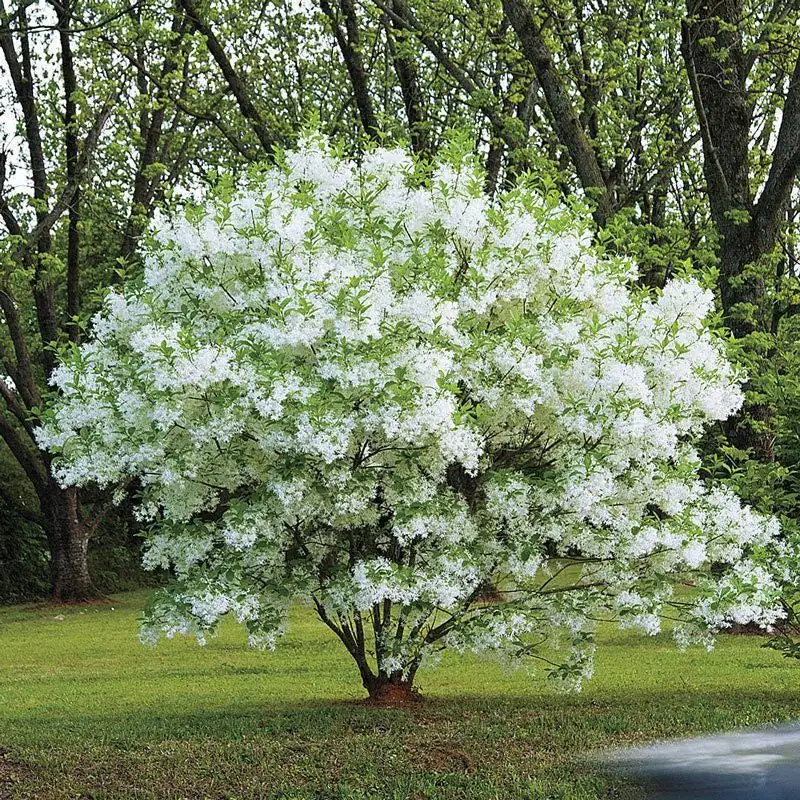
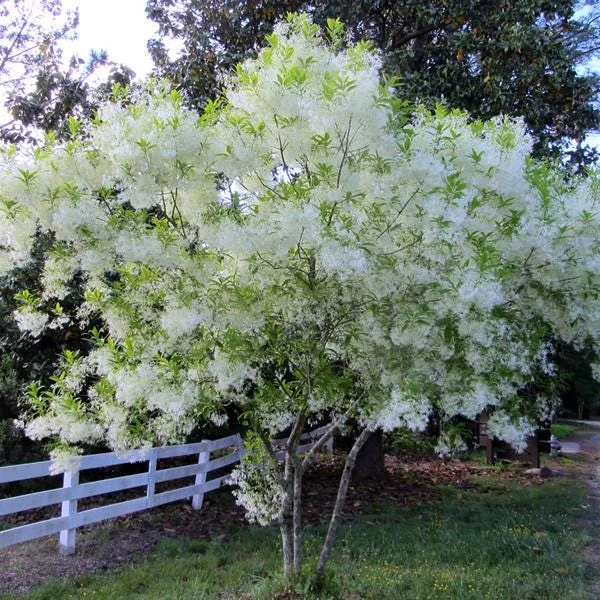
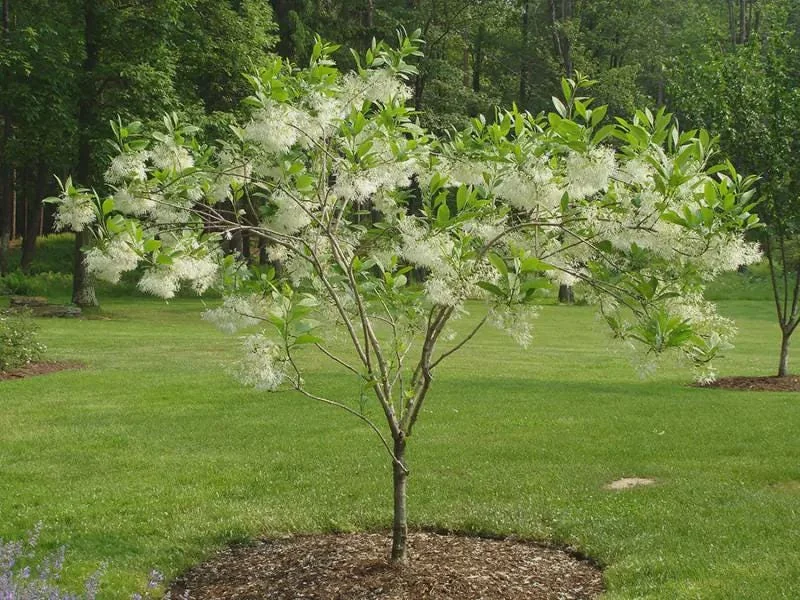
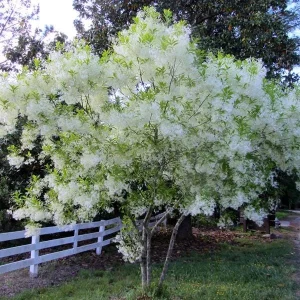
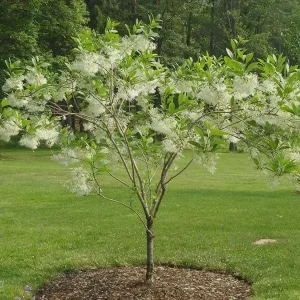
Introduce a touch of native elegance to your garden with the fringetree live plant (Chionanthus virginicus). This exquisite deciduous shrub or small tree, commonly known as fringetree, is celebrated for its ethereal beauty and adaptability. Originating from the rich, moist woods and hillsides of Missouri, the fringetree typically grows to a height of 12-20 feet, though it can reach up to 35 feet in its wild habitat. Its spreading, rounded habit makes it an ideal specimen plant or a lovely addition to mixed borders. In spring, the plant bursts forth with delicate, fragrant, creamy white flowers, arranged in airy, terminal, drooping clusters that resemble fringe – hence its charming common name. These unique blooms create a cloud-like effect, adding significant visual interest and a delightful scent to your outdoor space. Beyond its floral display, the fringetree live plant offers year-round appeal, with broad, spear-shaped leaves that transition to a vibrant yellow in autumn, and dark, bluish-black fruits that provide sustenance for birds and wildlife in late summer.
The fringetree live plant is dioecious, meaning it typically has separate male and female plants, though some may also produce perfect flowers. Male flowers are generally more showy, while fertilized female or perfect flowers develop into clusters of olive-like fruits. These bare-root plants offer a cost-effective and robust way to establish this beautiful native species in your garden. Its tolerance to air pollution and ability to adapt to urban environments make it a versatile choice for a variety of landscapes, from suburban yards to more naturalized settings. Planting the fringetree live plant supports local ecosystems by providing food for wildlife and enhancing biodiversity.
Key Benefits
The fringetree live plant is a highly desirable addition to any garden, offering a multitude of benefits that enhance both aesthetic appeal and ecological value. Its unique characteristics make it a standout choice for gardeners seeking beauty and resilience.
- Stunning Spring Blooms: Enjoy a spectacular display of fragrant, creamy white, fringe-like flowers in spring. These delicate blooms create a captivating visual spectacle and fill the air with a subtle, sweet scent, making the fringetree live plant a focal point in any landscape.
- Attractive Fall Foliage: The wide, spear-shaped leaves turn a beautiful golden yellow in autumn, providing vibrant seasonal color and extending the plant’s ornamental appeal well beyond its flowering period.
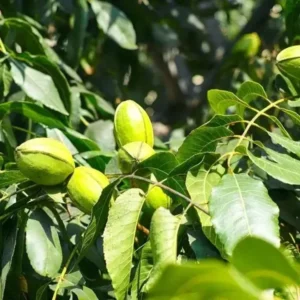
- Wildlife Attraction: The dark, bluish-black, olive-like fruits that ripen in late summer serve as an important food source for various birds and other wildlife, contributing to the ecological health and biodiversity of your garden.
- Low Maintenance: This native tree is remarkably easy to care for once established. It seldom requires pruning and is generally robust, making it suitable for gardeners of all experience levels.
- Urban Adaptability: The fringetree live plant demonstrates excellent tolerance to air pollution and adapts well to urban settings, making it an ideal choice for city gardens, street plantings, and areas with environmental stressors.
- Versatile Landscaping Use: Its spreading, rounded habit allows it to be used as an attractive specimen tree, a large shrub, or as part of a mixed border, providing flexibility in garden design.
- Native Plant Benefits: As a native Missouri plant, it is well-suited to local climates and soils, requiring less intervention once established and supporting local ecosystems. Understanding Chionanthus virginicus care ensures long-term success.
Plant Care & Growing Tips
Ensuring the health and vitality of your fringetree live plant involves understanding its specific needs, which are generally straightforward given its native resilience. This plant thrives in average, medium, well-drained soil. While it can tolerate a range of conditions, it prefers moist, fertile soils for optimal growth and flowering. Avoid prolonged dry conditions, as the fringetree is intolerant of drought. Regular watering is crucial during dry spells, especially in its first few years after planting, to help establish a strong root system. Once established, it becomes more tolerant but will still benefit from consistent moisture.
For sunlight exposure, the fringetree performs best in full sun to part shade. In hotter climates, some afternoon shade can be beneficial to protect the foliage from scorching. It is a hardy plant, typically suited for USDA zones 4-9, making it adaptable to a wide range of climates across the US. Fertilization is generally not heavily required; however, an annual application of a balanced, slow-release fertilizer in early spring can promote vigorous growth and blooming. When considering a white fringetree for sale, remember that proper planting and initial care are key. Plant your bare root fringetree in early spring or late fall when the plant is dormant. Dig a hole wide enough to spread the roots comfortably and deep enough so the crown is at soil level. Backfill with soil, gently tamping to remove air pockets, and water thoroughly.
Pest and disease problems are relatively uncommon for the fringetree, contributing to its low-maintenance appeal. However, monitoring for general plant health and addressing any issues promptly will ensure its continued vigor. Its natural growth habit means it seldom needs pruning, but you can prune to maintain shape or remove any dead or damaged branches. This makes Chionanthus virginicus care relatively simple for both novice and experienced gardeners. Its tolerance to urban conditions, as highlighted by its ability to withstand air pollution, further cements its status as a robust and rewarding addition to any garden seeking a beautiful and resilient native tree.
Size & Details
This offering includes 2 bare root fringetree plants, providing a robust foundation for establishing these beautiful trees in your landscape. When mature, the Chionanthus virginicus typically reaches a height of 12-20 feet with a similar spread, creating a rounded, spreading habit. In ideal natural conditions, it has been known to grow up to 35 feet tall. The bare-root form means the plants are shipped without soil, allowing for easier transport and planting during their dormant season, which is ideal for successful establishment. Each plant will develop wide, spear-shaped leaves that can grow up to 8 inches long, turning a striking yellow in autumn. The fragrant, creamy white flowers appear in clusters that are typically 4-6 inches long. The resulting olive-like fruits ripen to a dark bluish-black in late summer.
These native Missouri fringetree specimens are ready to be planted upon arrival, preferably in early spring or late fall. The mature size makes them suitable as a prominent specimen tree or as part of a larger shrub border. With a moderate growth rate, you can expect to see significant development within a few years, leading to the full glory of its spring blooms and fall color. The adaptability of the bare root fringetree to various soil types and its tolerance to urban environments ensure it will thrive in many garden settings, delivering beauty and ecological benefits for years to come.
Frequently Asked Questions
- Q: How big does this fringetree live plant get? A: The fringetree live plant typically grows to a height of 12-20 feet with a similar spread, forming a rounded, spreading habit. In optimal wild conditions, it can reach up to 35 feet tall, offering a substantial presence in your garden.
- Q: Is this an indoor or outdoor plant? A: The Chionanthus virginicus, or fringetree, is an outdoor deciduous tree or large shrub. It is not suitable for indoor cultivation and requires outdoor conditions to thrive and complete its natural growth cycle.
- Q: How much sunlight does the fringetree need? A: This plant does best in full sun to part shade. In regions with intense summer heat, providing some afternoon shade can help protect its foliage and ensure optimal growth for your fringetree live plant.
- Q: Is this plant easy to care for? A: Yes, the fringetree is considered relatively easy to care for. It is a low-maintenance plant that seldom needs pruning and is tolerant of air pollution, making Chionanthus virginicus care straightforward for most gardeners.
- Q: What condition will the bare root fringetree arrive in? A: Your order will include 2 bare root fringetree plants. They will arrive dormant, without soil, and carefully packaged to ensure their health during transit. Plant them as soon as possible after arrival.
- Q: When is the best time to plant a bare root fringetree? A: The best time to plant a bare root fringetree is during its dormant season, either in early spring before new growth begins or in late fall after the leaves have dropped. This allows the plant to establish its root system before the stress of active growth.
- Q: Will the native Missouri fringetree survive winter in my zone? A: The native Missouri fringetree (Chionanthus virginicus) is hardy in USDA Zones 4-9. If your region falls within these zones, it should successfully overwinter and return year after year, providing consistent beauty to your landscape.
- Q: What type of soil does a fringetree prefer? A: The fringetree prefers moist, fertile soils that are well-draining. While it can tolerate average garden soil, ensuring good drainage and consistent moisture, especially when young, will promote the best growth.
- Q: Does the fringetree produce fruit? A: Yes, fertilized female or perfect flowers on the fringetree live plant give way to clusters of dark, bluish-black, olive-like fruits in late summer. These fruits are a valuable food source for birds and wildlife.
- Q: Why is it called a fringetree? A: The common name “fringetree” refers to the unique appearance of its spring-blooming flowers. They feature airy, terminal, drooping clusters of creamy white petals that are long and narrow, resembling delicate fringe.


Reviews
There are no reviews yet.