Overview
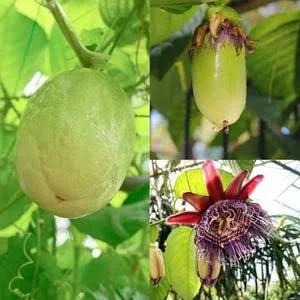
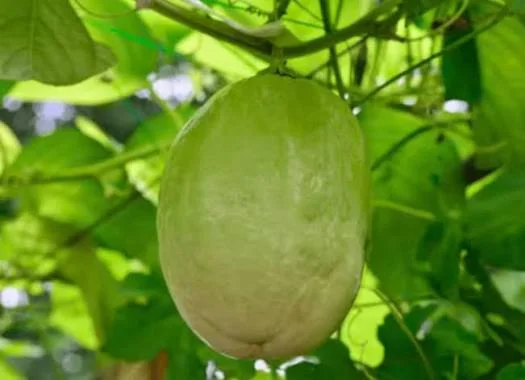
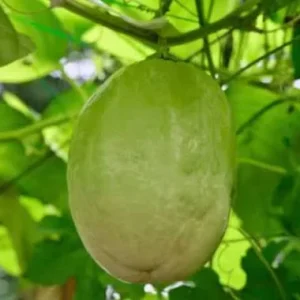
Bring the tropics to your home with a giant passionfruit live plant. Scientifically known as Passiflora quadrangularis, this remarkable vine is cherished for its exceptionally large, fragrant, and delicious fruits. Unlike common passionfruit, the giant passionfruit live plant produces fruits that can grow up to 8-10 inches long, making them a truly impressive sight and a culinary delight. This fast-growing vine can quickly cover trellises, arbors, or fences, providing not only an abundant harvest but also beautiful, intricate flowers that are a conversation starter. Whether you’re an experienced gardener or just starting, growing giant passionfruit is a rewarding experience that offers both ornamental beauty and a bounty of exotic flavor.
Our giant passionfruit live plant arrives as a healthy, well-rooted specimen, typically 4-6 inches tall, ready to be transplanted and thrive in your garden or a large container. With proper care, you’ll soon be enjoying its unique flowers and harvesting its succulent fruits, perfect for fresh eating, juices, desserts, or tropical cocktails. This plant is a fantastic choice for those looking to add an unusual and productive edible plant to their collection.
Key Benefits
The giant passionfruit live plant offers a wealth of advantages, making it a highly desirable addition to any garden or indoor growing space. Its unique characteristics provide both aesthetic appeal and practical uses.
- Produces Exceptionally Large, Edible Fruit: Enjoy sweet-tart fruits that are significantly larger than typical passionfruit varieties, perfect for a wide range of culinary applications. This makes edible passionfruit vine a great choice for home growers.
- Stunning Ornamental Flowers: The intricate and exotic blooms of Passiflora quadrangularis are a true spectacle, adding a vibrant tropical touch to your landscape.
- Vigorous and Fast-Growing Vine: Quickly covers trellises, pergolas, or fences, providing excellent shade and a lush, green backdrop in a short amount of time.
- Rich in Nutrients: The fruits are packed with vitamins A and C, fiber, and antioxidants, contributing to a healthy diet.
- Versatile Culinary Use: Ideal for fresh eating, juices, jams, desserts, and flavoring beverages, offering a unique tropical taste.
- Attracts Pollinators: The large flowers are highly attractive to bees and other pollinators, contributing to local biodiversity.
- Adaptable to Various Climates: While preferring tropical conditions, it can be grown in containers and brought indoors in cooler climates, making growing giant passionfruit accessible to many.
Plant Care & Growing Tips
Caring for your giant passionfruit live plant is relatively straightforward, especially if you provide it with the right conditions. This vigorous vine thrives in warm, humid environments but can be adapted to various settings with proper attention. For successful cultivation of your passiflora quadrangularis, consider the following guidelines.
Sunlight: The giant passionfruit live plant requires at least 6-8 hours of direct sunlight per day to produce abundant flowers and fruit. In extremely hot climates, some afternoon shade can be beneficial to prevent leaf scorch. If growing indoors, place it near a south-facing window or under powerful grow lights. Adequate light is crucial for a healthy edible passionfruit vine.
Watering: Keep the soil consistently moist, especially during flowering and fruiting periods. Water deeply when the top inch of soil feels dry to the touch. Avoid waterlogging, as this can lead to root rot. During cooler months or when the plant is dormant, reduce watering frequency. Good drainage is key for passionfruit plant care.
Soil: Plant your giant passionfruit live plant in rich, well-draining soil with a slightly acidic to neutral pH (6.0-7.0). Amend heavy clay soils with compost and sand to improve drainage and aeration. For container planting, use a high-quality potting mix designed for edible plants.
Temperature and Humidity: This tropical vine prefers temperatures between 65-85°F (18-29°C). It is not frost-tolerant and should be protected from temperatures below 40°F (4°C). If growing in a temperate climate, consider bringing container-grown plants indoors during winter. High humidity is beneficial, so misting regularly or using a humidity tray can help, especially indoors.
Fertilization: Feed your giant passionfruit live plant with a balanced fertilizer (e.g., 10-10-10) every 4-6 weeks during the growing season (spring and summer). Once flowering begins, switch to a fertilizer higher in phosphorus and potassium to encourage fruit production. Avoid fertilizers high in nitrogen, which can promote leafy growth at the expense of flowers and fruit.
Pruning: Prune your edible passionfruit vine to manage its size, encourage branching, and remove dead or weak growth. The best time to prune is after the fruiting season. Regular pruning also helps improve air circulation and sunlight penetration, which can boost fruit yield. Understanding growing giant passionfruit includes knowing when and how to prune for optimal results.
Support: As a vigorous climbing vine, the giant passionfruit live plant requires a sturdy trellis, arbor, or fence for support. Guide the tendrils as they grow to ensure the plant climbs in the desired direction.
Size & Details
Our giant passionfruit live plant is shipped as a young, actively growing specimen, typically standing 4-6 inches tall from the base of the plant to the tip of its foliage. These plants are well-rooted in a nursery pot, ensuring a smooth transition to your garden or larger container. Passiflora quadrangularis is a fast-growing vine that can reach lengths of 20-50 feet in optimal conditions, making it an excellent choice for covering large structures. The fruits themselves are impressive, often measuring 6-10 inches in length and 4-6 inches in diameter, with a weight of up to several pounds each. Expect your vine to begin flowering and fruiting within 1-2 years of planting, given proper care and environmental conditions. This species typically produces fruit throughout the warmer months, offering a continuous harvest. For optimal passionfruit plant care, ensure you have adequate space and support for its rapid growth.
Frequently Asked Questions
- Q: How big does this giant passionfruit live plant get? A: This vigorous vine can grow quite large, reaching lengths of 20-50 feet. It requires a sturdy support structure like a trellis or arbor to climb.
- Q: Is this an indoor or outdoor plant? A: While it thrives outdoors in tropical and subtropical climates (USDA Zones 9-11), it can be grown indoors in a large container with sufficient sunlight, especially in cooler regions.
- Q: How much sunlight does the edible passionfruit vine need? A: It requires at least 6-8 hours of direct sunlight daily for best fruit production. In very hot climates, some afternoon shade can be beneficial.
- Q: Is this plant easy to care for? A: Yes, growing giant passionfruit is relatively easy once established, provided it receives adequate sunlight, water, and proper support. Regular feeding and pruning will ensure a healthy, productive plant.
- Q: What condition will my passiflora quadrangularis arrive in? A: Your plant will arrive as a healthy, well-rooted specimen, typically 4-6 inches tall, carefully packaged to ensure its safe journey.
- Q: How long until it blooms and produces fruit? A: Under ideal conditions, your giant passionfruit live plant can begin to flower and produce fruit within 1-2 years of planting.
- Q: Can I use the fruit from this plant? A: Absolutely! The fruit of Passiflora quadrangularis is highly prized for its large size, sweet-tart flavor, and aromatic pulp, perfect for fresh eating, juices, and desserts.
- Q: What is the best soil for passionfruit plant care? A: It prefers rich, well-draining soil with a slightly acidic to neutral pH. For container growing, use a high-quality potting mix.
- Q: Will it survive winter in my zone? A: This plant is tropical and not frost-tolerant. It thrives in USDA Zones 9-11. In colder zones, it must be protected from frost or grown in a container and brought indoors during winter.
- Q: Does it need a lot of water? A: Yes, keep the soil consistently moist, especially during its active growing, flowering, and fruiting phases. Ensure good drainage to prevent root rot.


Reviews
There are no reviews yet.