Overview
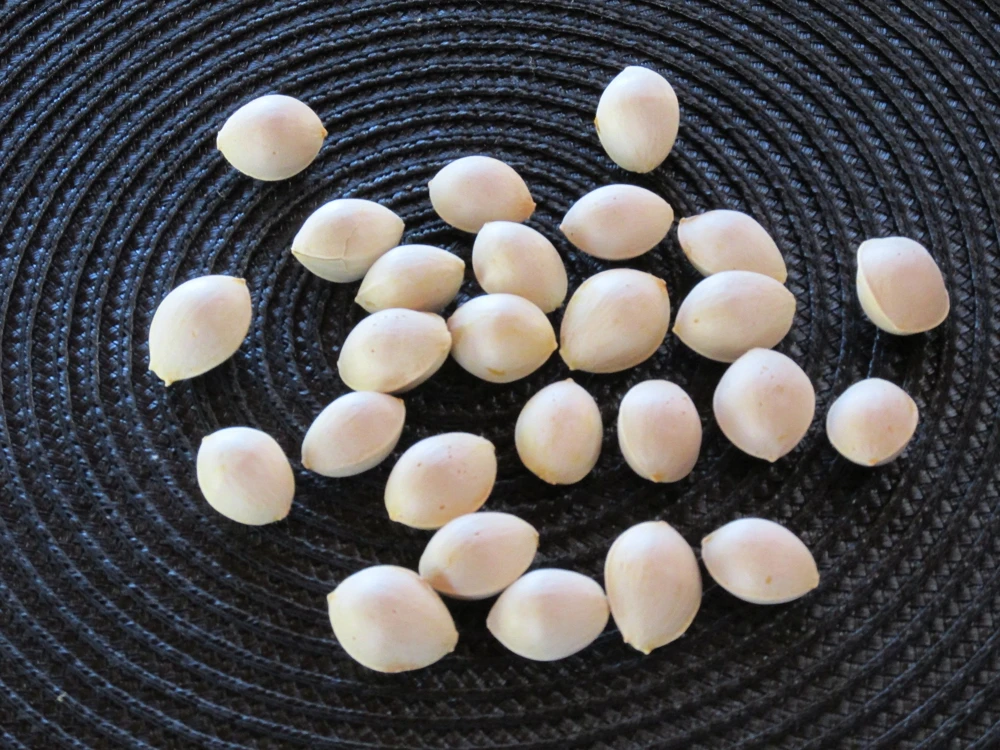
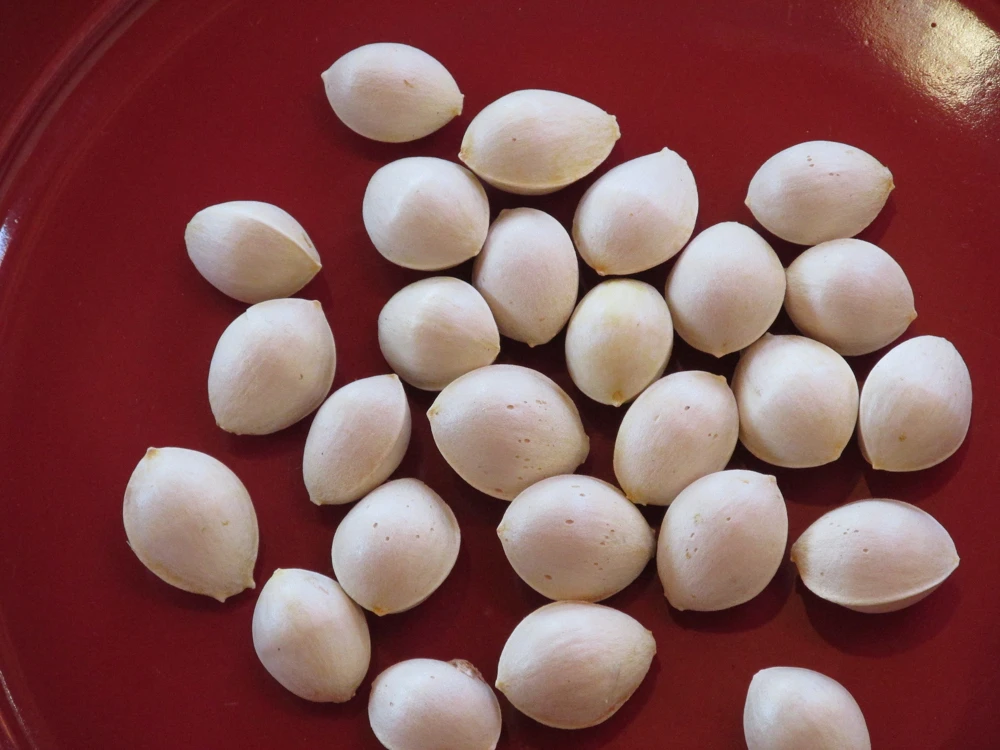
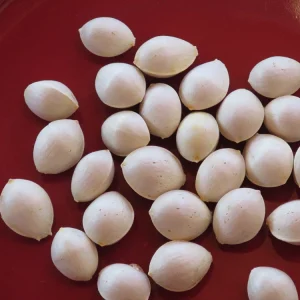
Embark on a rewarding gardening journey by planting Ginkgo Biloba seeds. This offer provides 12+ fresh, viable seeds, ready to grow into the magnificent Ginkgo Biloba tree, also affectionately known as the Maidenhair Tree. The Ginkgo Biloba is a true living fossil, with an ancient lineage stretching back millions of years, making it one of the oldest tree species on Earth. Each seed holds the promise of a long-lived, resilient tree that will become a focal point in any garden or landscape. These unique trees are celebrated for their distinctive fan-shaped leaves, which provide lush green foliage throughout the spring and summer before transforming into a spectacular golden-yellow display in the fall, creating an unforgettable seasonal show.
Growing a Ginkgo Biloba from fresh tree seeds is an enriching experience, connecting you directly with nature’s enduring power. The resulting tree is not only beautiful but also incredibly hardy, tolerating a wide range of urban conditions and various soil types once established. Its ability to thrive in diverse environments makes it an excellent choice for many gardeners looking to add a touch of ancient elegance and vibrant fall color to their outdoor spaces. Whether you’re a seasoned arborist or a budding enthusiast, planting these seeds offers the chance to nurture a piece of natural history.
Key Benefits
Adding a Ginkgo Biloba tree to your garden from Ginkgo Biloba seeds offers numerous advantages, enhancing both the aesthetic and ecological value of your property. These trees are renowned for their unique characteristics and robust nature, providing lasting beauty and resilience. Here are some of the key benefits you can expect from cultivating your own Maidenhair Tree seeds:
- Spectacular Fall Foliage: The most striking feature of the Ginkgo Biloba is its breathtaking fall color. The fan-shaped leaves turn a brilliant, uniform golden yellow, creating a stunning visual impact that is truly a showstopper and lights up the autumn landscape.
- Exceptional Hardiness and Adaptability: Ginkgo trees are incredibly tolerant of various urban conditions, including pollution, making them ideal for city gardens, parks, and street plantings. They adapt to a wide range of soil types, from sandy to clay, provided there is adequate drainage.
- Long Lifespan: Known as a ‘living fossil,’ the Ginkgo Biloba is famous for its longevity. Many specimens live for hundreds, even thousands, of years, making it a legacy tree that can be enjoyed for generations.
- Unique Leaf Structure: The distinctive fan-shaped leaves are unlike any other tree, contributing to the Ginkgo’s unique appeal. This unusual foliage provides visual interest throughout the growing season.
- Low Maintenance Once Established: After the initial establishment phase, Ginkgo trees are relatively low maintenance, requiring minimal pruning and care. They are generally pest and disease resistant, contributing to their enduring popularity.
- Historical and Botanical Significance: Growing a Ginkgo Biloba connects you to a deep botanical history. Its ancient lineage and status as a ‘living fossil’ make it a fascinating addition for anyone interested in plants and natural history.
- Erosion Control: The deep root system of the Ginkgo Biloba can help stabilize soil, making it beneficial for erosion control, especially on slopes or in areas prone to soil displacement.
Plant Care & Growing Tips
Successfully growing a magnificent Ginkgo Biloba tree from Ginkgo Biloba seeds begins with proper care and attention, especially during the germination and establishment phases. These seeds require a period of cold moist stratification to break dormancy, which can be achieved naturally by planting outdoors in fall or early winter, or artificially by refrigerating them in a moist medium for several weeks. Once stratified, sow the fresh tree seeds about 1/2 to 1 inch deep in well-draining soil. Ginkgo trees prefer a deep, moist, well-draining soil for optimal growth but are highly tolerant of many soil conditions once established. Avoid excessively wet or waterlogged soils, as this can lead to root rot.
For sunlight, Ginkgo Biloba thrives in full sun, meaning at least 6 hours of direct sunlight per day, but it can also tolerate some light shade, particularly in hotter climates. Consistent watering is crucial for young seedlings, ensuring the soil remains moist but not saturated. Once mature, the tree becomes quite drought-tolerant. Ginkgo trees are hardy in USDA Zones 3 through 8, making them suitable for a wide range of climates across the United States. Fertilization is generally not heavily required, especially in fertile soils. For younger trees, a balanced, slow-release fertilizer can be applied in spring to encourage robust growth. Keep an eye out for any common pests or diseases, though Ginkgos are notably resistant. Proper spacing is also important, as these trees can grow quite large; allow ample room for their mature spread. Nurturing your Maidenhair Tree seeds into a thriving tree is a rewarding process that yields a resilient and beautiful landscape specimen.
Size & Details
This offering includes 12+ Ginkgo Biloba seeds, sourced from the recent 2025 crop, ensuring freshness and viability for planting. Each seed contains the potential to grow into a substantial Ginkgo Biloba tree. In optimal conditions, a mature Ginkgo Biloba typically reaches heights of 50 to 80 feet, with some specimens exceeding 100 feet, and can spread 30 to 40 feet wide, developing a stately, upright, and somewhat irregular pyramidal form. The growth rate is generally considered slow to moderate, especially in its early years, gradually accelerating as the tree establishes its root system. These fresh tree seeds are supplied ready for stratification and planting. Ginkgo trees are known for their incredibly long lifespan, often living for hundreds of years, becoming a lasting legacy in your garden. The seeds are held in cold storage to maintain their freshness until shipment, ensuring they are in prime condition for successful germination and growth into a magnificent Maidenhair Tree.
Frequently Asked Questions
- Q: How big does a Ginkgo Biloba tree get? A: A mature Ginkgo Biloba tree typically grows to a height of 50 to 80 feet, and sometimes even taller, with a spread of 30 to 40 feet. Its size makes it a prominent landscape tree.
- Q: Is this an indoor or outdoor plant? A: The Ginkgo Biloba tree is an outdoor plant. While seedlings can be started indoors, they need to be transplanted outdoors to grow into a full-sized tree where they can reach their mature potential and enjoy the changing seasons.
- Q: How much sunlight do Ginkgo Biloba seeds need to grow? A: Once germinated, young Ginkgo Biloba trees thrive in full sun, requiring at least 6 hours of direct sunlight daily. They can tolerate some light afternoon shade, especially in areas with intense summer heat.
- Q: Is this plant easy to care for? A: While germinating Ginkgo Biloba seeds requires stratification, once established, the Ginkgo tree is relatively low maintenance and highly adaptable. It’s an excellent choice for gardeners seeking a resilient and long-lived specimen.
- Q: What condition will the seeds arrive in? A: These fresh Ginkgo Biloba seeds are harvested from the 2025 crop and kept in cold storage to ensure maximum viability. They will arrive ready for you to begin the stratification and planting process.
- Q: When is the best time to plant Ginkgo Biloba seeds? A: The best time to plant fresh tree seeds is in the fall or early winter. This allows for natural cold moist stratification outdoors, preparing the seeds for germination in the spring. Alternatively, artificial stratification can be done in refrigeration before spring planting.
- Q: Will a Ginkgo Biloba tree survive winter in my zone? A: Yes, Ginkgo Biloba trees are very hardy and can survive winters in USDA Zones 3 through 8. This wide hardiness range makes them suitable for a vast majority of climates across the United States.
- Q: Do these Maidenhair Tree seeds require any special preparation before planting? A: Yes, Maidenhair Tree seeds require a period of cold moist stratification to break dormancy. This can be done naturally by planting them outdoors in late fall or artificially by placing them in a moist medium in the refrigerator for several weeks.
- Q: How long until the Ginkgo Biloba tree shows its famous fall color? A: A young Ginkgo Biloba tree will typically start showing its characteristic golden fall color within a few years of growth, as it matures and establishes its root system. The intensity and duration of the color will increase with the tree’s age.
- Q: What type of soil is best for growing Ginkgo Biloba? A: While adaptable, the Ginkgo Biloba tree prefers a deep, moist, and well-draining soil. It can tolerate a variety of soil types, including sandy, loamy, and clay, as long as drainage is adequate to prevent waterlogging.


Reviews
There are no reviews yet.