Overview
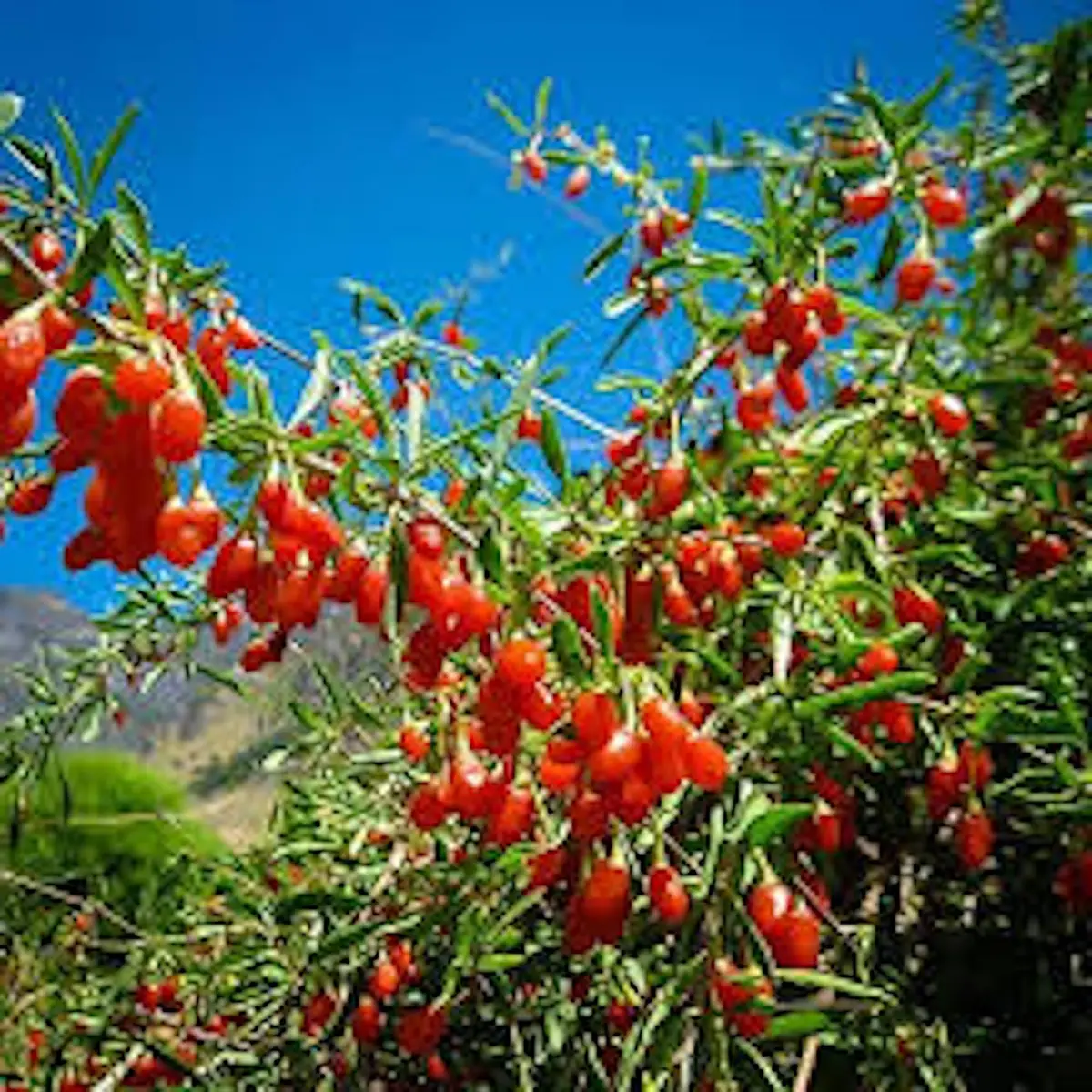
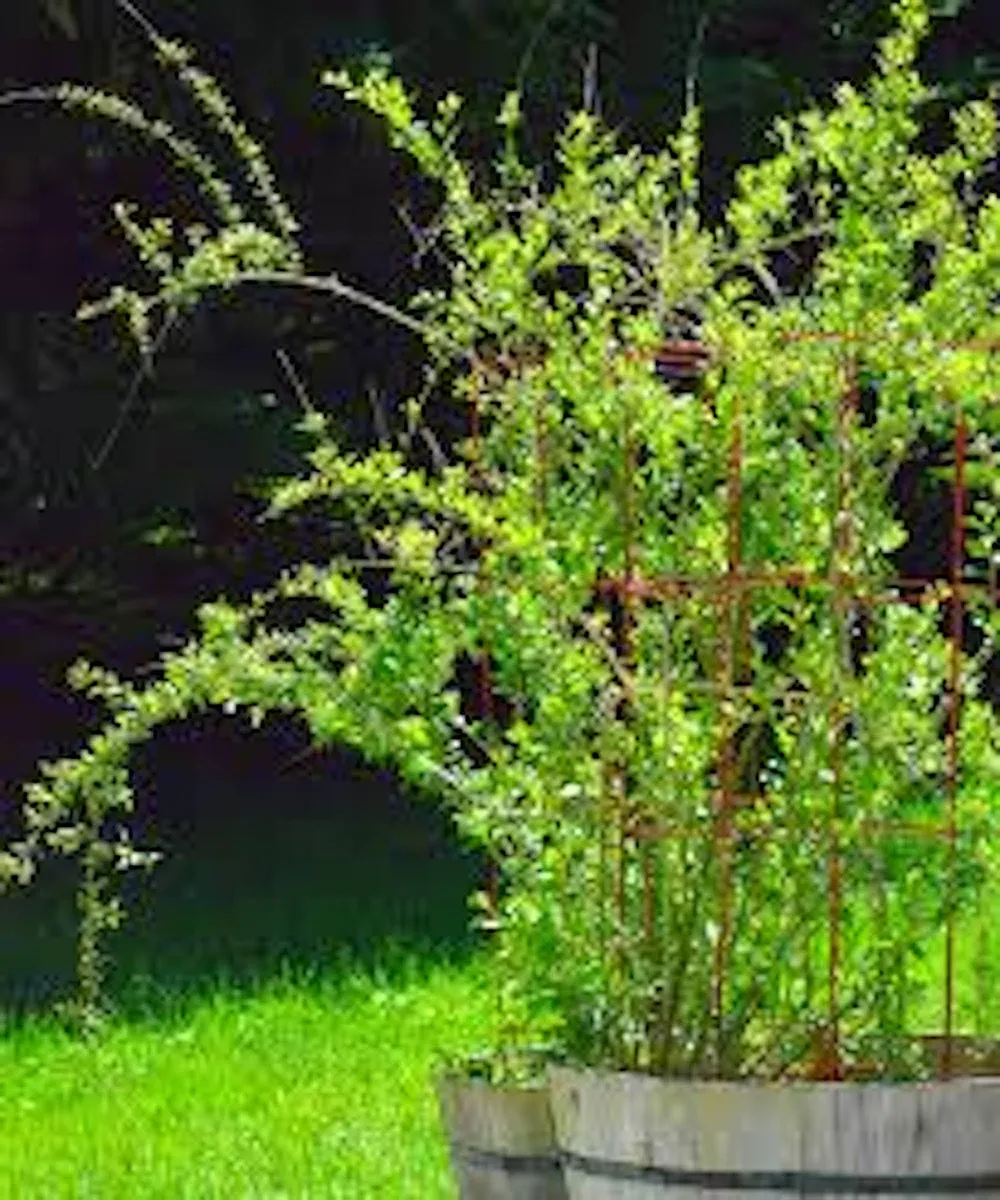
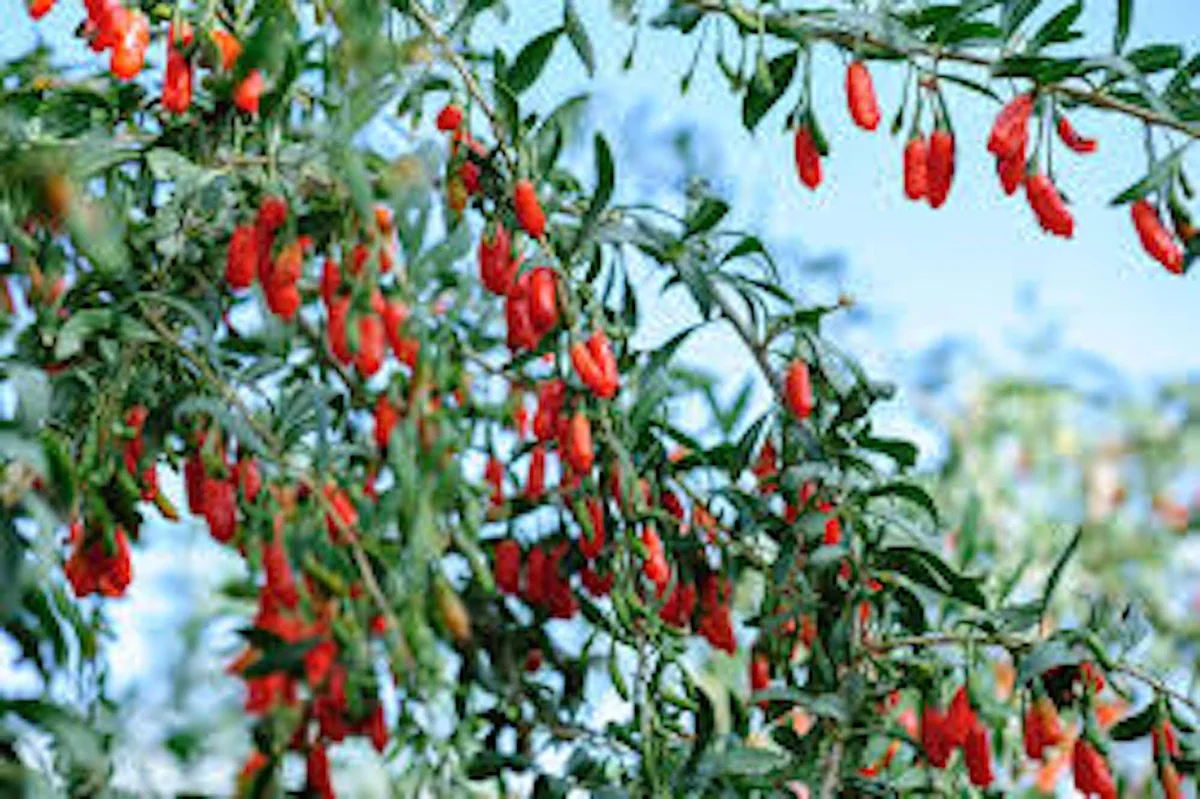
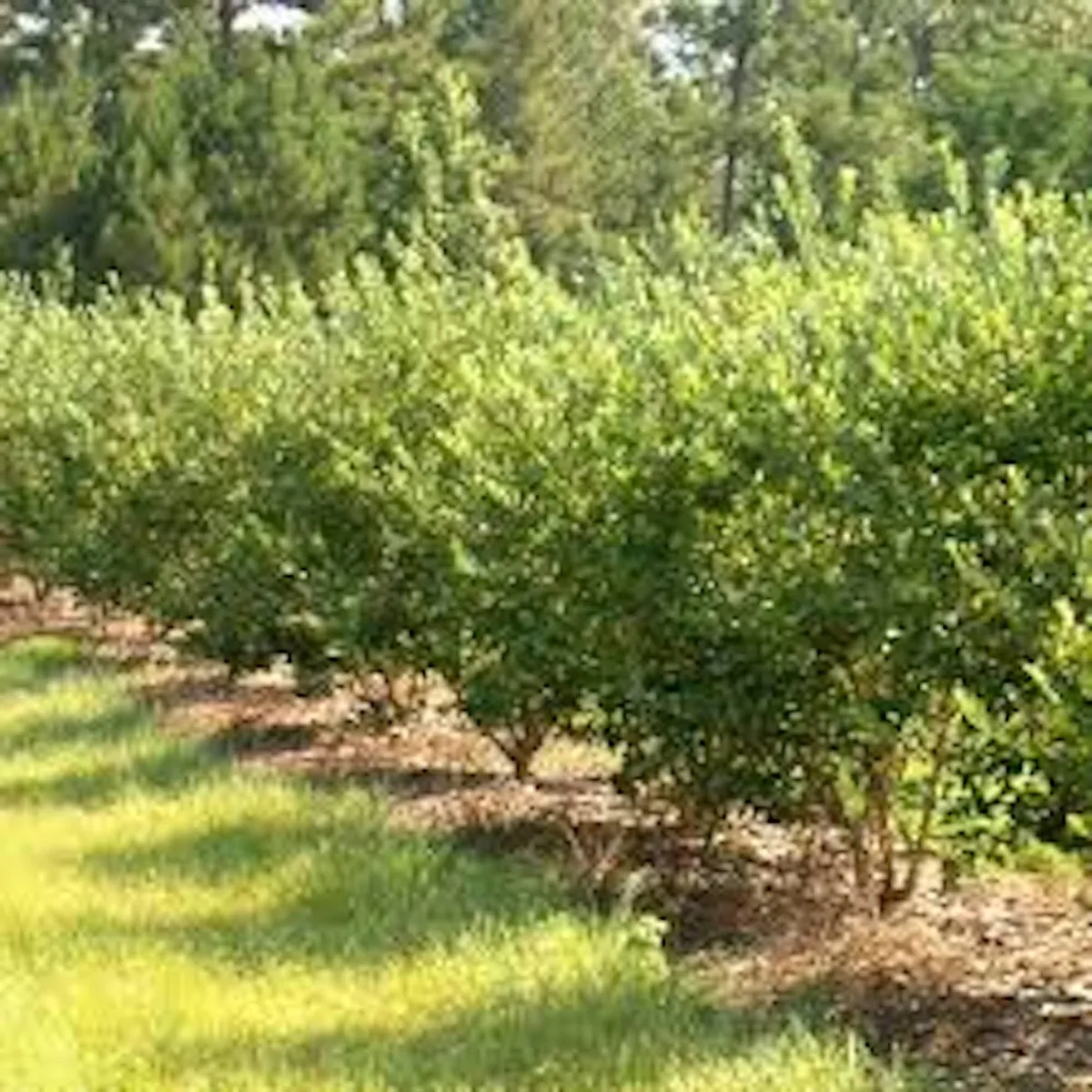
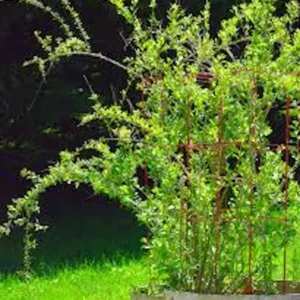
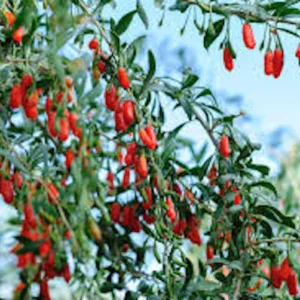
Bring the health benefits of homegrown superfoods to your garden with this vibrant goji berry plant, also known by its botanical name, Lycium barbarum. This offering is for a live starter plant, ready to be established in your outdoor space. Goji berry plants are renowned for their attractive foliage, delicate purple flowers, and most importantly, their bright red, oval-shaped berries that ripen in late summer and early fall. Originating from Asia, these deciduous, sprawling shrubs are celebrated for their exceptional hardiness and drought tolerance, making them a resilient addition to many landscapes. While they can reach up to 12 feet tall in their natural state, they are commonly pruned to a more manageable 3-6 feet in cultivation, perfect for home gardens.
The goji berry plant is a fantastic choice for gardeners looking for a low-maintenance yet highly rewarding fruit-producing shrub. Its adaptability to various soil conditions and its ability to thrive in full sun make it an excellent option for both experienced and novice gardeners. Beyond their nutritional value, these plants also offer aesthetic appeal with their grey-green leaves and charming flowers, providing year-round interest in your garden. Growing your own goji berry plant ensures a fresh supply of these antioxidant-packed fruits, allowing you to enjoy their unique flavor and health benefits directly from your backyard.
Key Benefits
Adding a goji berry plant to your garden offers a multitude of benefits, from nutritional advantages to ornamental appeal and ease of care. These versatile shrubs are truly a gardener’s delight:
- Nutrient-Rich Superfood: Grow your own supply of fresh goji berries, packed with vitamins, minerals, and antioxidants. These berries are celebrated for their health-boosting properties and unique sweet-tart flavor.
- Hardy & Drought Tolerant: Enjoy a robust plant that can withstand various environmental conditions. Goji berry plants are known for their resilience and ability to thrive even in less-than-ideal climates, requiring less water once established.
- Attractive Foliage & Flowers: Beyond the fruit, the Lycium barbarum offers ornamental value with its grey-green, succulent-like leaves and charming purple, bell-shaped flowers that bloom from late spring to early summer.
- Easy to Grow: This starter plant is suitable for gardeners of all experience levels. With minimal care, you can expect a bountiful harvest of delicious berries.
- Versatile Landscaping: Can be grown as a standalone shrub, integrated into a food forest, or even trained along a fence or trellis due to its flexible stems.
- Long Harvest Season: Enjoy fresh berries from late summer through early fall, providing a continuous supply of healthy fruit for an extended period.
- Supports Local Wildlife: The flowers attract pollinators, and the berries can provide a food source for birds, adding to your garden’s biodiversity.
Plant Care & Growing Tips
Caring for your goji berry plant is relatively straightforward, thanks to its hardy nature. To ensure optimal growth and berry production, understanding its basic needs is crucial. These plants thrive in full sun, meaning they require at least 6-8 hours of direct sunlight per day. Choose a location in your garden that receives ample sun exposure throughout the day. Well-drained soil is paramount; goji berries do not like to sit in waterlogged conditions, which can lead to root rot. A sandy loam or loamy soil with a neutral to slightly alkaline pH is ideal. If your soil is heavy clay, consider amending it with organic matter and sand to improve drainage.
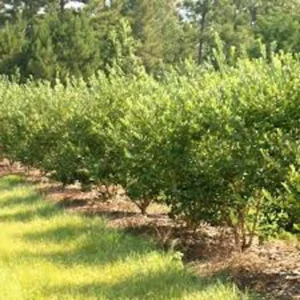
When it comes to watering, newly planted goji berry plants will need regular moisture to establish their root systems. Once established, they are quite drought-tolerant and can withstand periods of dry weather. Water deeply but infrequently, allowing the top few inches of soil to dry out completely between waterings. Overwatering is a common mistake and should be avoided. For fertilization, a balanced all-purpose fertilizer can be applied in early spring before new growth begins, and again in mid-summer. Avoid excessive nitrogen, which can promote leafy growth at the expense of fruit production. Pruning is important to maintain the shape and size of your goji berry bush, and to encourage better air circulation and fruit yield. Prune in late winter or early spring to remove dead or weak branches, and to shape the plant to your desired height, typically 3-6 feet.
Goji berry plants are generally pest and disease resistant, but monitoring for common garden issues is always a good practice. They are cold-hardy and can tolerate temperatures down to USDA Zone 3, making them suitable for a wide range of climates. In colder regions, a layer of mulch around the base can provide extra winter protection. Understanding how to grow goji berries successfully will lead to years of delicious and nutritious harvests. Ensure good air circulation to prevent fungal issues, especially in humid environments. With proper care, your Lycium barbarum will flourish.
Size & Details
This offering is for 1 goji berry plant, provided as a bare root starter. Bare root plants are dormant and ship without soil or a pot, which reduces transplant shock and allows for easier shipping. Upon arrival, it’s essential to plant them as soon as possible. In their natural state, Lycium barbarum can grow quite large, reaching up to 12 feet tall and 4 feet wide, but they are easily managed with regular pruning to maintain a more compact size of 3-6 feet in cultivation. The flexible, thorny stems and grey-green, somewhat succulent leaves contribute to its unique appearance. Expect purple, bell-shaped flowers to bloom in late spring to early summer, followed by the development of bright red, oval-shaped berries in late summer and early fall. The growth rate is moderate, and with proper care, you can expect fruit production within 1-2 years after planting.
Frequently Asked Questions
- Q: How big does this plant get? A: In its natural state, a goji berry plant can grow up to 12 feet tall and 4 feet wide. However, it is typically pruned to a more manageable size of 3-6 feet in cultivation, making it suitable for most home gardens.
- Q: Is this an indoor or outdoor plant? A: Goji berry plants are primarily outdoor plants, thriving in full sun exposures. They are hardy and can withstand various outdoor climates, making them perfect for garden beds or large containers outdoors.
- Q: How much sunlight does it need? A: For optimal growth and fruit production, your goji berry plant requires at least 6-8 hours of direct sunlight daily. Choose a location that receives full sun throughout the day.
- Q: Is this plant easy to care for? A: Yes, goji berry plants are known for their hardiness and drought tolerance, making them relatively easy to care for. They are a great choice for both beginner and experienced gardeners looking to grow goji berries.
- Q: What condition will it arrive in? A: This product is a bare root starter plant, meaning it will arrive dormant without soil or a pot. This method helps reduce transplant shock and facilitates safe shipping. Plant upon arrival.
- Q: Can I use goji berries in cooking? A: Absolutely! Goji berries are a versatile superfood that can be eaten fresh, dried, or incorporated into smoothies, yogurts, cereals, and various culinary dishes for a nutritional boost.
- Q: When is the best time to plant a bare root goji berry? A: The best time to plant bare root goji berry plants is in early spring, after the last frost, allowing them ample time to establish before the summer heat.
- Q: Will it survive winter in my zone? A: Goji berry plants are quite cold-hardy, typically thriving in USDA Zones 3-10. They are deciduous, so they will lose their leaves in winter and enter dormancy before returning in spring.
- Q: What type of soil does a goji berry plant prefer? A: Goji berry plants prefer well-drained soil, ideally a sandy loam or loamy soil with a neutral to slightly alkaline pH. Good drainage is crucial to prevent root issues.
- Q: How long until it produces fruit? A: With proper care, your goji berry plant can start producing fruit within 1-2 years after planting. Fruit production typically occurs from late summer through early fall.


Reviews
There are no reviews yet.