Overview
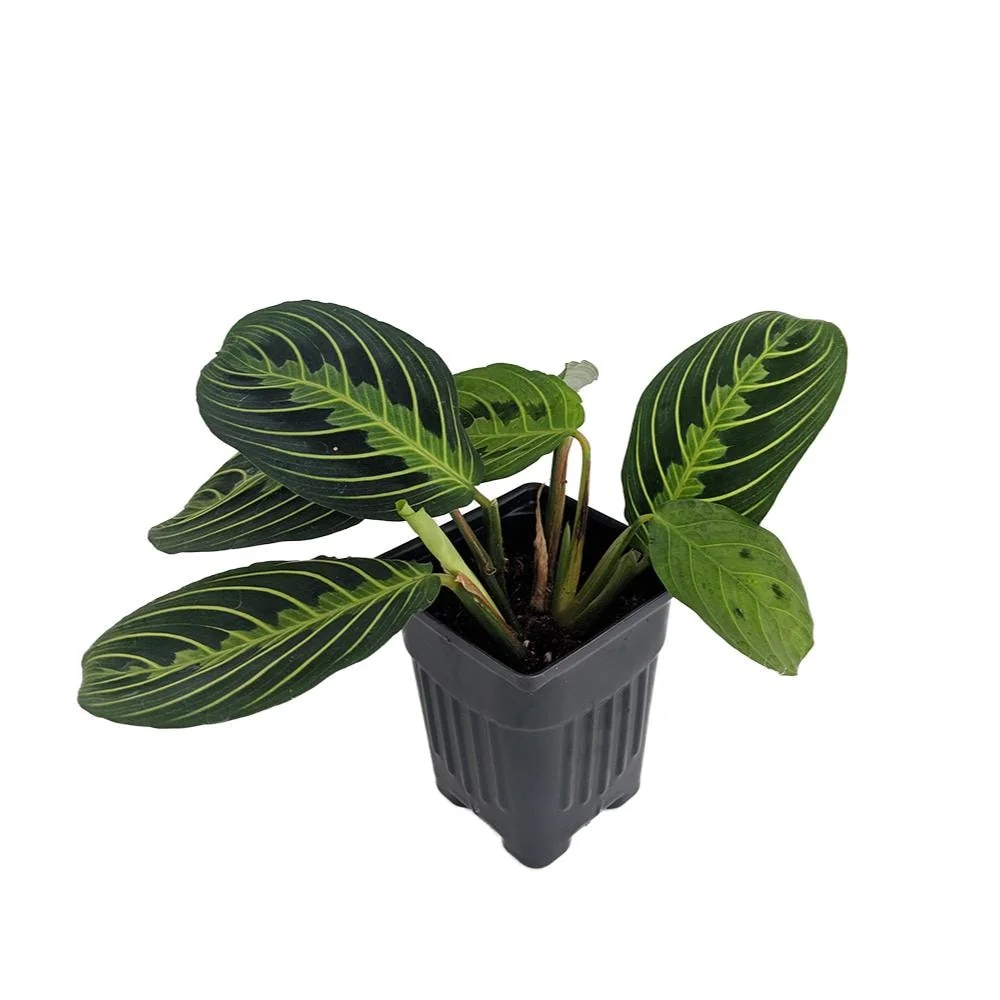
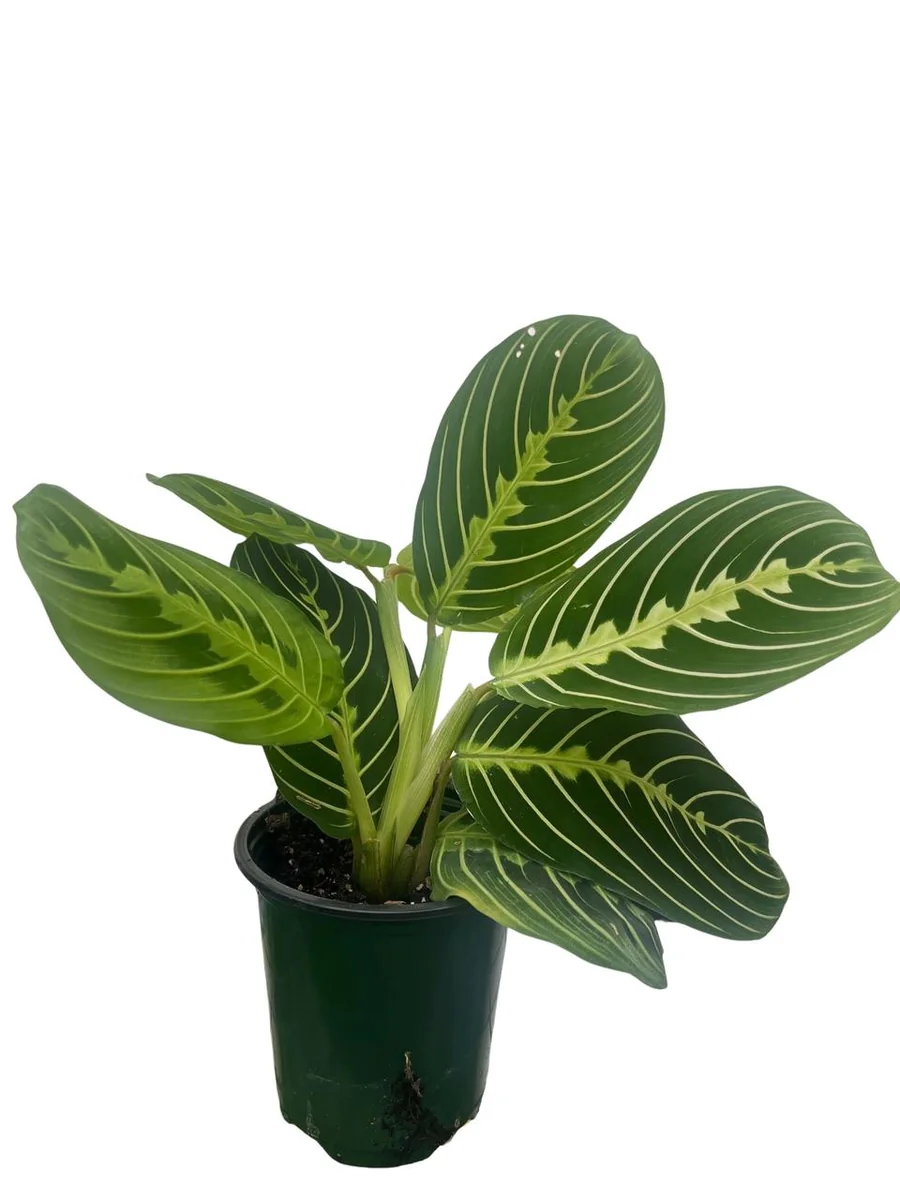
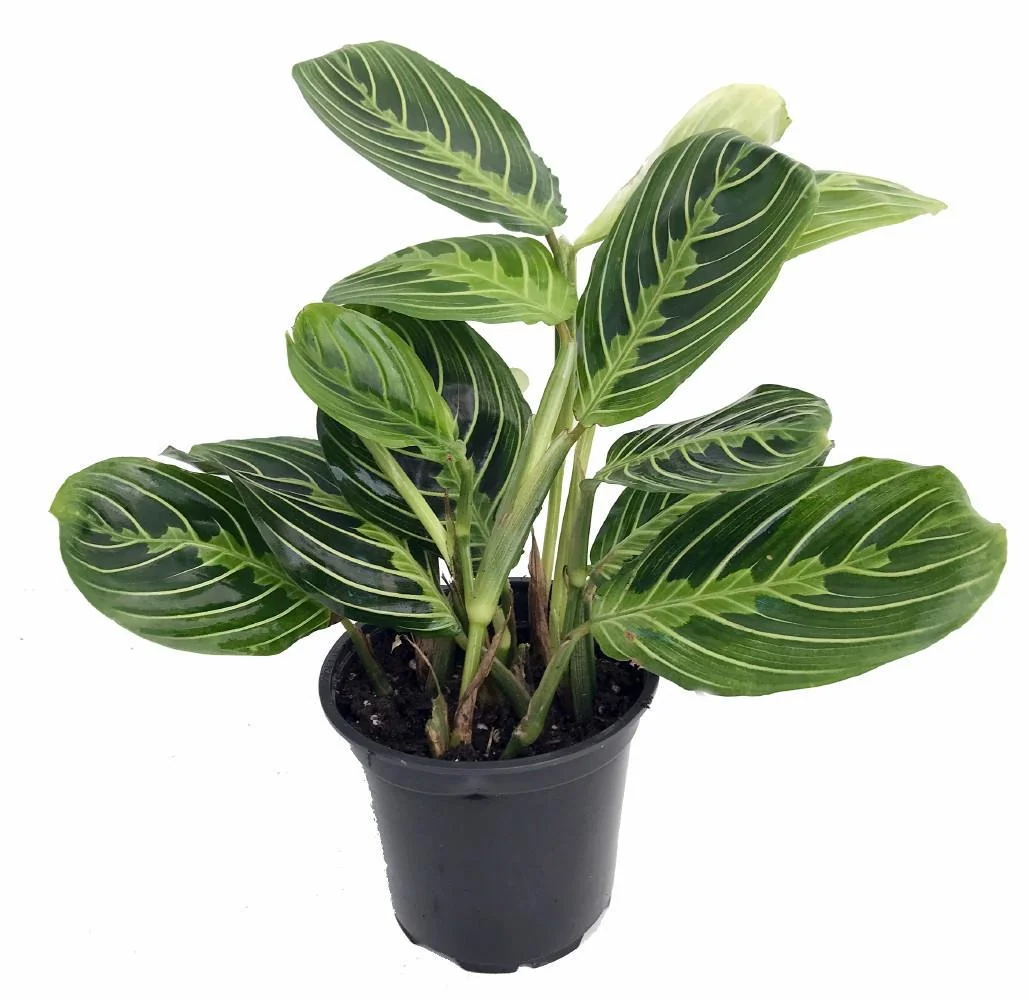
Introduce a touch of living artistry to your indoor space with the exquisite golden lemon prayer plant. This captivating live plant, scientifically known as Maranta leuconeura ‘Lemon Lime’, is renowned for its distinctive foliage and fascinating nocturnal movement. As a maranta live plant, it exhibits a unique characteristic where its leaves fold upwards at night, resembling hands in prayer, and then unfurl again with the morning light. This circadian rhythm, also known as nastic movement, makes it a truly interactive and engaging houseplant. Our Golden Lemon Prayer Plant is delivered as a healthy, thriving specimen in a 4 inch pot, ready to instantly enhance your home or office decor. Its vibrant green and lemon-yellow variegation brings a cheerful and sophisticated aesthetic, making it a focal point in any room. Ideal for plant collectors and beginners alike, this stunning variety of prayer plant is a must-have for those seeking beauty and a touch of botanical wonder.
Key Benefits
The golden lemon prayer plant offers a multitude of benefits beyond its captivating appearance, making it a cherished addition to any indoor garden. This maranta live plant provides both aesthetic pleasure and practical advantages for your living environment.
- Dynamic Foliage Display: Experience the unique ‘prayer’ movement as leaves fold up at night and open in the morning, offering a constantly changing natural display. This fascinating behavior makes the golden lemon prayer plant a conversation starter.
- Air Purification Qualities: Like many houseplants, the Maranta contributes to improved indoor air quality by filtering out common airborne toxins, creating a healthier breathing environment for you and your family.
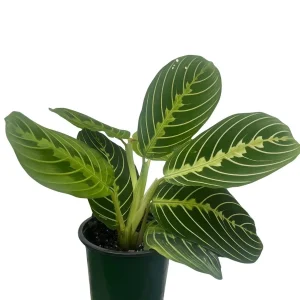
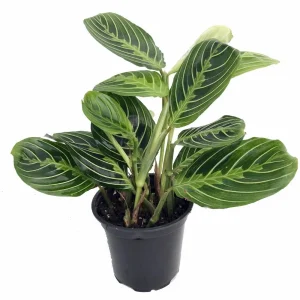
- Vibrant Coloration: Its striking lemon-yellow and green variegated leaves provide a bright pop of color, making it an excellent decorative element to brighten up any room. The vivid hues add a cheerful and lively atmosphere.
- Relatively Low Maintenance: While it appreciates consistent care, this prayer plant is generally forgiving and easy to manage once its basic needs for light and moisture are met, making prayer plant care accessible for most.
- Compact Growth Habit: Growing to a moderate size, it’s perfect for desks, shelves, or small tables, fitting well into various indoor settings without demanding excessive space.
- Pet-Friendly Option: Maranta plants are considered non-toxic to pets, offering peace of mind for pet owners who want to introduce more greenery into their homes.
- Enhances Home Decor: Its exotic appearance and lush foliage elevate the aesthetic appeal of any interior, adding a touch of tropical elegance and natural beauty.
Plant Care & Growing Tips
Proper prayer plant care is essential for the health and vibrancy of your golden lemon prayer plant. This beautiful maranta live plant thrives with consistent attention to its environmental needs, ensuring its stunning foliage remains lush and its unique ‘praying’ habit continues. Provide bright, indirect light; direct sunlight can scorch its delicate leaves, causing them to fade or brown. An east-facing window or a few feet away from a south or west-facing window is ideal. Ensure the soil remains consistently moist but not waterlogged. Allow the top inch of soil to dry out slightly between waterings, especially during the colder months. Overwatering can lead to root rot, while underwatering can cause the leaves to curl and become crispy. Use filtered water or rainwater, as Maranta plants can be sensitive to chemicals found in tap water.
The ideal temperature range for your indoor maranta plant is between 65-80°F (18-27°C). Avoid sudden temperature fluctuations and cold drafts, which can stress the plant. High humidity is crucial for the Golden Lemon Prayer Plant, mimicking its native tropical environment. Aim for humidity levels above 50%. You can increase humidity by misting daily, placing the pot on a pebble tray filled with water, or using a humidifier. A well-draining potting mix that retains some moisture is best. A mix formulated for houseplants, often containing peat moss, perlite, and pine bark, works well. Fertilize every 2-4 weeks during the growing season (spring and summer) with a balanced liquid fertilizer diluted to half strength. Reduce or stop fertilizing during fall and winter. Common problems include crispy leaf edges (low humidity), yellowing leaves (overwatering), or dull foliage (too much direct light). Addressing these issues promptly will help maintain a healthy and vibrant golden lemon maranta.
Size & Details
This golden lemon prayer plant is provided as a robust, live specimen, carefully cultivated to ensure a healthy start in your home. It comes pre-potted in a standard 4 inch pot, which is an ideal size for immediate display on shelves, desks, or windowsills. At the time of shipping, the plant typically stands approximately 6-8 inches tall from the base of the pot, with a spread of about 8-10 inches, though measurements are approximate and can vary slightly due to natural plant growth. This maranta live plant has a moderate growth rate and can eventually reach a mature height of 10-12 inches indoors, with its trailing or spreading foliage extending up to 12-18 inches wide. It is shipped in its nursery pot with well-established roots and healthy foliage, ready for you to enjoy. Expect the plant to continue growing and developing its vibrant coloration as it acclimates to its new environment and receives consistent prayer plant care.
Frequently Asked Questions
- Q: How big does this golden lemon prayer plant get? A: This golden lemon prayer plant typically arrives in a 4 inch pot and is about 6-8 inches tall. Indoors, it can grow to about 10-12 inches in height with a spread of 12-18 inches as it matures, making it a perfect size for tabletops and shelves.
- Q: Is this an indoor or outdoor plant? A: The golden lemon prayer plant is primarily an indoor maranta plant. It thrives in typical household temperatures and humidity, making it an excellent choice for adding greenery to your living spaces. It is not suitable for outdoor planting in most climates.
- Q: How much sunlight does it need? A: This maranta live plant prefers bright, indirect light. Direct sunlight can scorch its leaves, causing them to fade or develop brown spots. An east-facing window or a well-lit room away from direct sun is ideal for optimal growth and color.
- Q: Is this plant easy to care for? A: Yes, with consistent attention to its basic needs, the golden lemon prayer plant is considered relatively easy to care for, even for beginners. Providing adequate humidity and consistent moisture are key aspects of successful prayer plant care.
- Q: What condition will it arrive in? A: Your golden lemon maranta will arrive as a healthy, live plant, securely packaged in its 4 inch pot with soil. We take great care to ensure it reaches you in excellent condition, ready to thrive in its new home.
- Q: Is the golden lemon prayer plant pet-safe? A: Yes, Maranta plants, including the golden lemon prayer plant, are generally considered non-toxic to cats and dogs by the ASPCA. This makes it a great choice for pet owners seeking beautiful and safe houseplants.
- Q: How often should I water my prayer plant? A: You should water your maranta live plant when the top inch of soil feels dry to the touch. Keep the soil consistently moist but never soggy, as overwatering can lead to root rot. Adjust watering frequency based on light, temperature, and season.
- Q: What type of soil is best for this plant? A: A well-draining potting mix that retains some moisture is ideal for the golden lemon prayer plant. A mix containing peat moss, perlite, and a bit of compost or bark works well to provide both drainage and water retention.
- Q: Does this plant need high humidity? A: Yes, high humidity is crucial for the golden lemon prayer plant. It thrives in environments with humidity levels above 50%. You can achieve this by misting regularly, using a pebble tray, or placing a humidifier nearby.
- Q: Can I propagate this golden lemon maranta? A: Yes, the golden lemon maranta can be propagated through stem cuttings. Take a cutting with at least one node and a few leaves, and place it in water or moist soil. With proper care, roots should develop within a few weeks.


Reviews
There are no reviews yet.