Overview
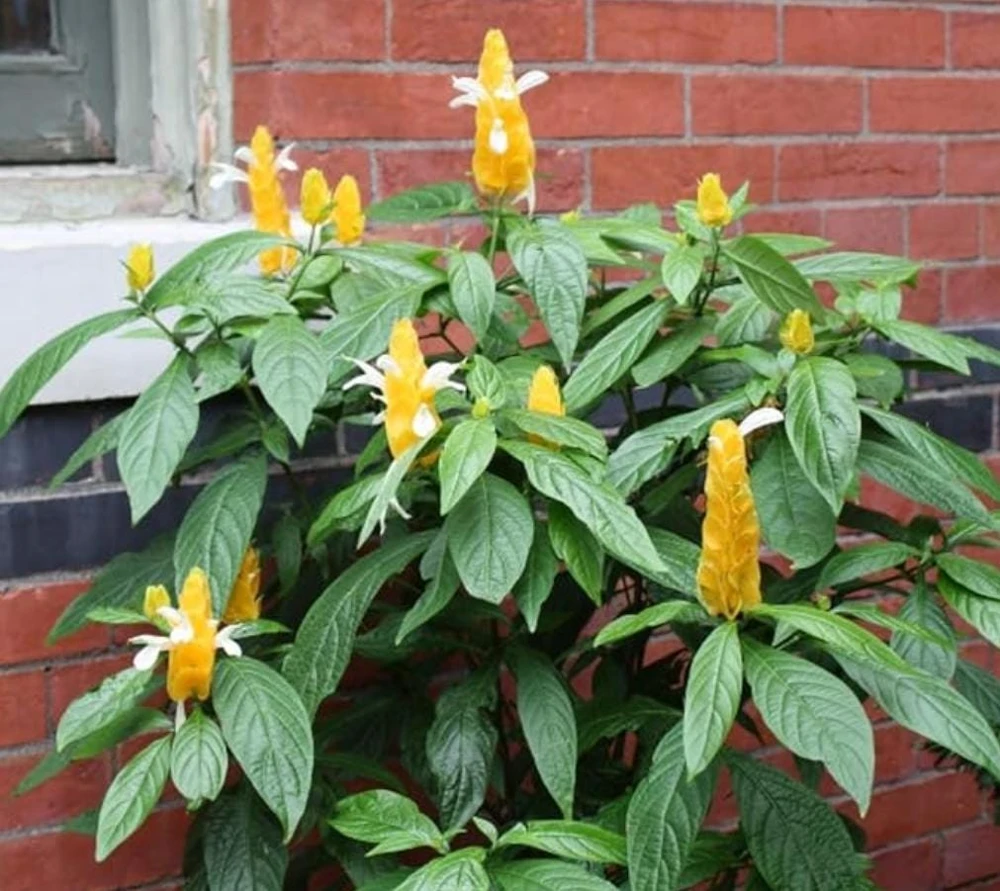
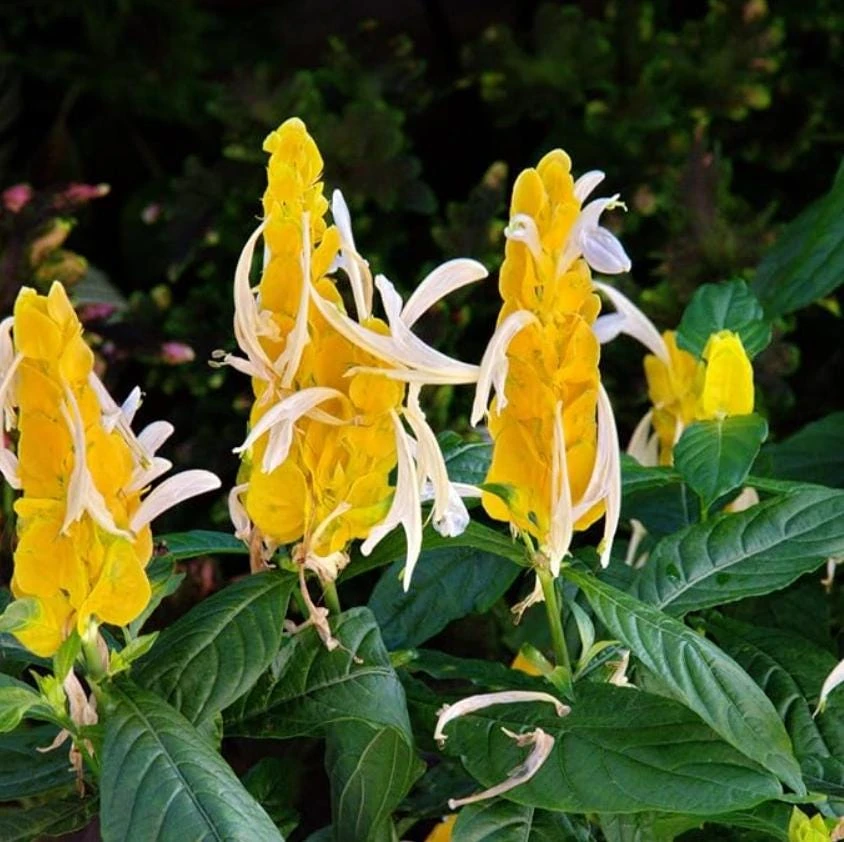
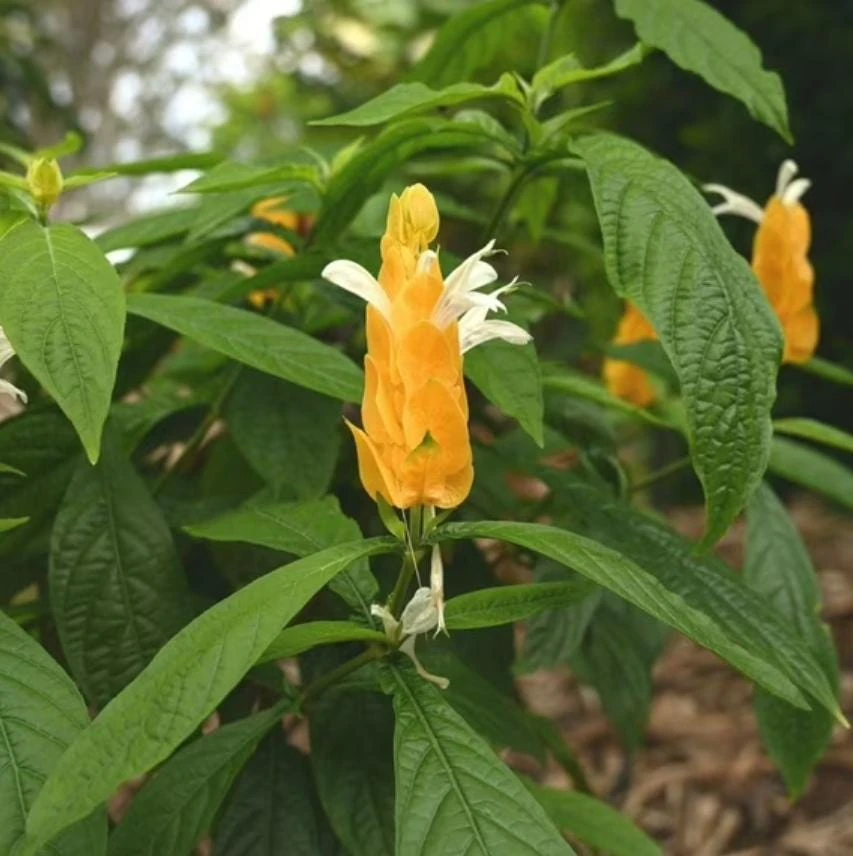
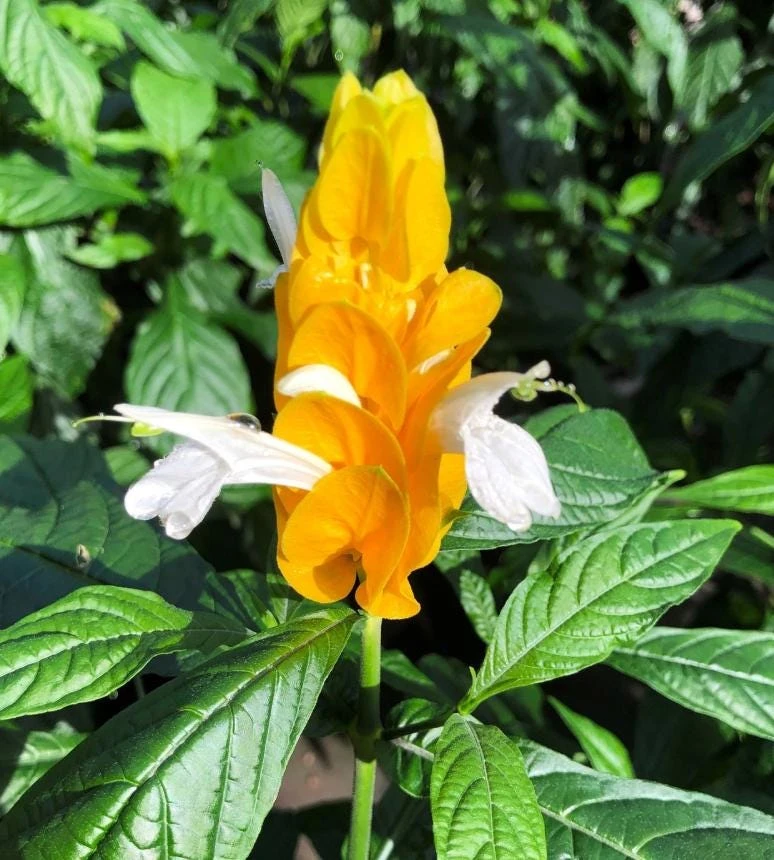
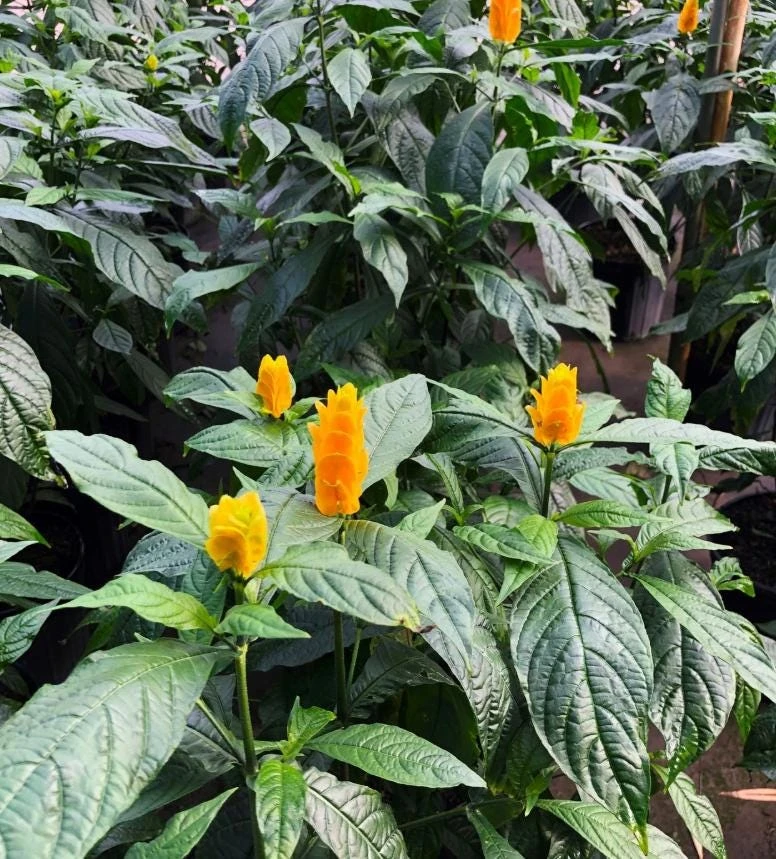
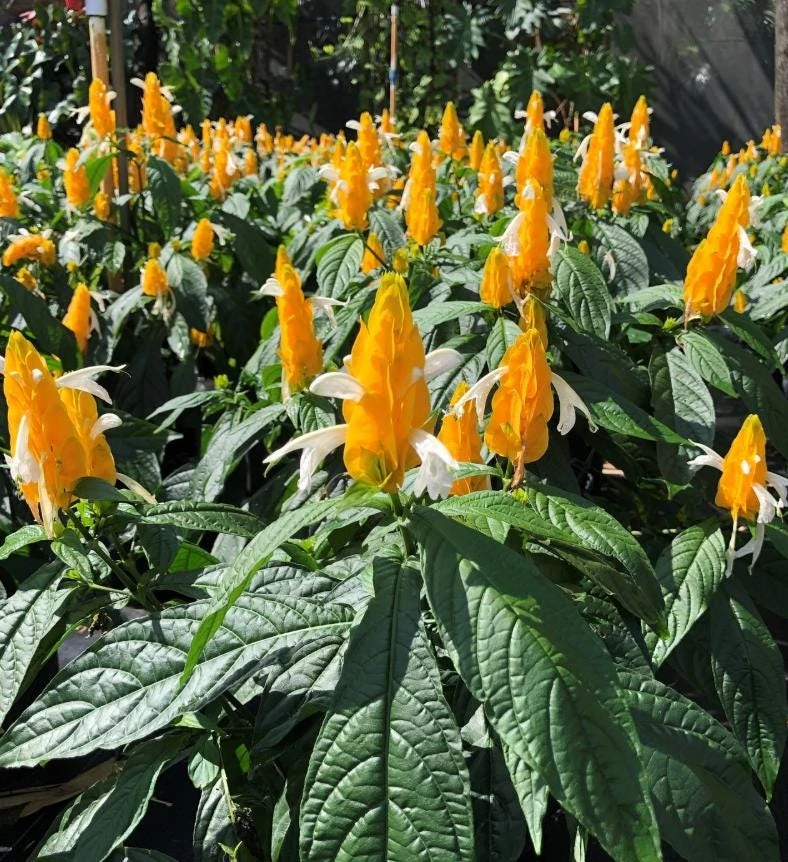
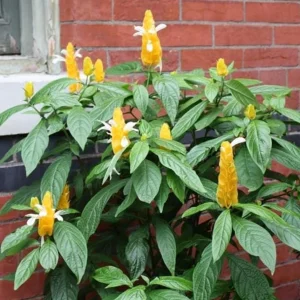
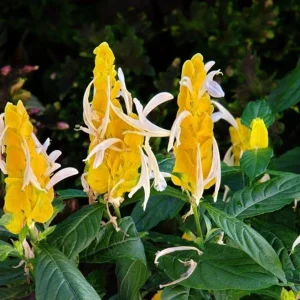
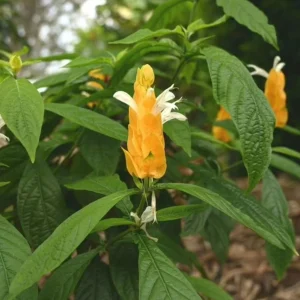
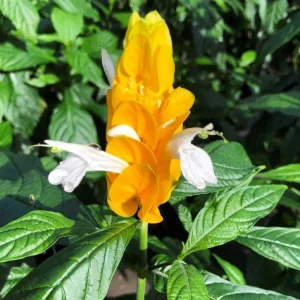
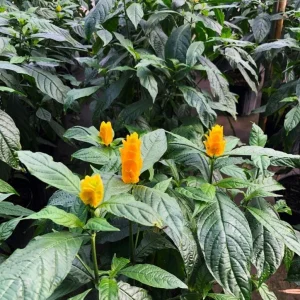
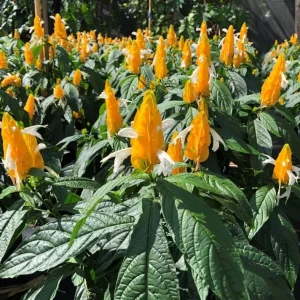
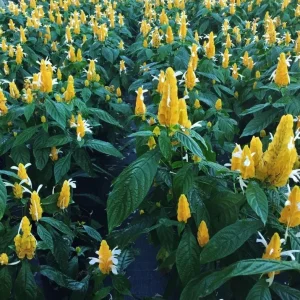
Introduce a touch of the tropics to your living space with the exquisite golden shrimp plant, scientifically known as Pachystachys Lutea. This stunning live plant is celebrated for its distinctive, bright golden-yellow bracts that resemble shrimp, creating a unique and captivating display. Originating from tropical regions, the pachystachys lutea care is relatively straightforward, making it an ideal choice for both novice and experienced plant parents seeking a vibrant, low-maintenance addition to their indoor garden. Its lush green foliage beautifully complements the vivid golden flowers, ensuring year-round visual interest and a cheerful atmosphere in any room.
The golden shrimp plant is a true spectacle, bringing an exotic flair that transforms ordinary spaces into serene, tropical havens. As a tropical flowering plant, it thrives in warm, humid conditions, making it perfectly suited for indoor environments where consistent temperatures can be maintained. This plant is not just about beauty; it also contributes to a healthier indoor environment by enhancing air quality. Its unique form and brilliant color make it a fantastic focal point, drawing the eye and sparking conversation among guests. Whether placed in a sunny window or as a decorative accent, the golden shrimp plant promises to infuse your home with natural elegance and a burst of sunshine.
Key Benefits
The golden shrimp plant offers numerous advantages beyond its striking appearance, making it a valuable addition to any home or garden. Its unique characteristics provide both aesthetic pleasure and practical benefits for plant enthusiasts.
- Vibrant Aesthetic Appeal: The most prominent benefit of the golden shrimp plant is its incredibly vibrant golden-yellow bracts, which provide a continuous display of color. These ‘shrimp-like’ blooms create an exotic and cheerful atmosphere, instantly brightening any room or garden space. Its unique form is a natural conversation starter.
- Excellent Indoor Decor: As a tropical flowering plant, the Pachystachys Lutea thrives indoors, making it an ideal houseplant. It adds a lush, tropical touch to interior decor, fitting perfectly into various design schemes from modern minimalist to bohemian chic. It’s a fantastic way to bring nature’s beauty inside.
- Attracts Pollinators: When grown outdoors in suitable climates, the golden shrimp plant is known to attract hummingbirds and butterflies, contributing to local biodiversity. Its bright colors and nectar are irresistible to these beneficial garden visitors, making your garden more lively.
- Relatively Low Maintenance: Despite its exotic appearance, the pachystachys lutea care requirements are quite manageable. With proper light and watering, it can flourish without demanding constant attention, making it suitable for busy individuals who still desire beautiful plants.
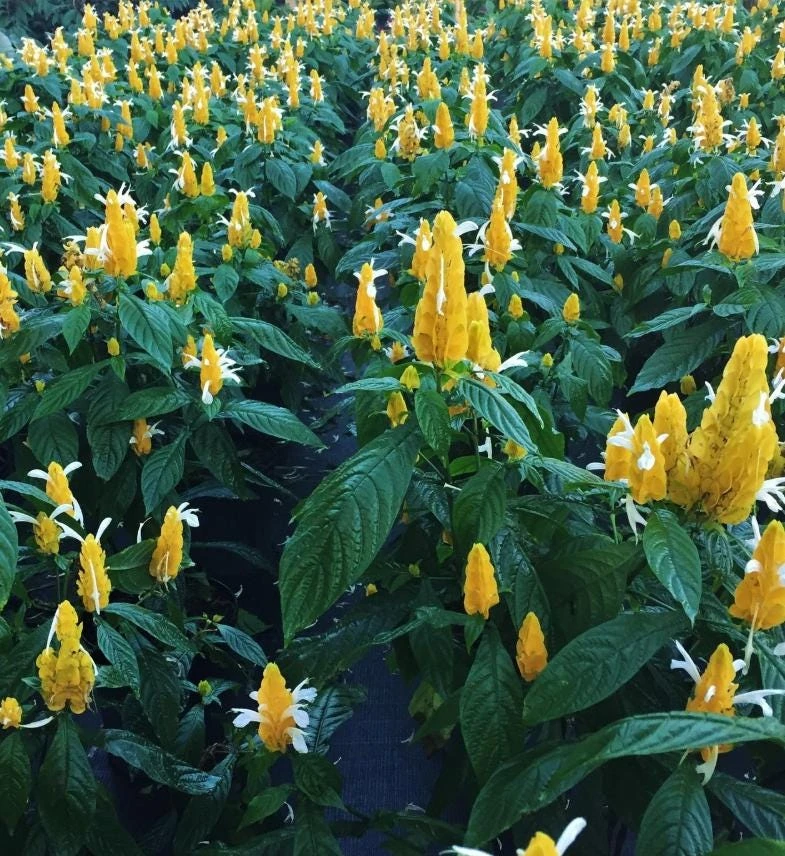
- Year-Round Interest: Unlike many seasonal bloomers, the golden shrimp plant can flower for extended periods, often year-round in optimal indoor conditions. This ensures a consistent source of color and beauty, preventing dull periods in your plant collection.
- Air Quality Enhancement: Like many houseplants, the indoor shrimp plant contributes to improving indoor air quality by absorbing common pollutants and releasing oxygen, fostering a healthier and more refreshing living environment.
- Unique Plant Form: The distinctive shape of its golden bracts sets the golden shrimp plant apart from other flowering plants. This unique botanical structure provides an interesting textural element and visual intrigue that enhances any plant collection.
Plant Care & Growing Tips
Proper pachystachys lutea care is essential for ensuring a vibrant and healthy golden shrimp plant. This tropical beauty thrives with consistent attention to its environmental needs, ensuring it continues to produce its striking golden blooms. For optimal growth, provide bright, indirect light. A south or east-facing window is ideal, but avoid direct afternoon sun which can scorch its leaves. If the light is too low, the plant may become leggy and produce fewer flowers. Rotate the plant regularly to ensure even growth and light exposure on all sides.
Watering is a crucial aspect of golden shrimp plant care. Keep the soil consistently moist but never waterlogged. Allow the top inch of soil to dry out slightly between waterings during the growing season (spring and summer). Reduce watering frequency in fall and winter when the plant’s growth naturally slows. Good drainage is vital, so ensure your pot has drainage holes. A well-draining potting mix, ideally one formulated for tropical plants, will prevent root rot. The plant also appreciates high humidity, especially in dry indoor environments; misting regularly or placing it on a pebble tray with water can help. Maintain temperatures between 65-75°F (18-24°C) and protect it from cold drafts, as it is a sensitive tropical flowering plant.
Feed your indoor shrimp plant with a balanced liquid fertilizer every 2-4 weeks during its active growing period. Reduce feeding during cooler months. Pruning is beneficial to maintain a bushy shape and encourage more blooms. Pinch back leggy stems and remove spent flowers to promote new growth. Watch out for common pests like spider mites and mealybugs, especially in dry conditions; address them promptly with horticultural oil or insecticidal soap. With these consistent care practices, your golden shrimp plant will flourish, providing continuous beauty and demonstrating all the wonderful golden shrimp plant benefits.
Size & Details
This offering is for a vibrant golden shrimp plant, known botanically as Pachystachys Lutea, provided as a young starter plant. At the time of shipping, each plant measures approximately 4 to 6 inches tall, presenting a healthy foundation for robust growth. Due to its tropical nature, this plant is best suited for growing in USDA Hardiness Zones 9b-11 outdoors, or as a magnificent indoor shrimp plant in all other zones. It is shipped without a pot, allowing you to choose the perfect container and soil to suit your aesthetic and the plant’s needs upon arrival. Once established, this tropical flowering plant can grow to a mature height of 2-3 feet indoors, creating a substantial and eye-catching display. Its growth rate is moderate, and with proper pachystachys lutea care, you can expect it to develop into a full, bushy specimen with abundant golden blooms.
Frequently Asked Questions
- Q: How big does this golden shrimp plant get? A: As a young starter plant, it begins at 4-6 inches tall. With proper care, it can reach a mature height of 2-3 feet indoors, forming a bushy, attractive plant.
- Q: Is this an indoor or outdoor plant? A: The golden shrimp plant is a tropical plant. It thrives outdoors in USDA Zones 9b-11. In colder climates, it is best grown as an indoor shrimp plant, protected from frost.
- Q: How much sunlight does it need? A: This tropical flowering plant prefers bright, indirect light. Avoid harsh, direct afternoon sun, which can scorch its leaves. A spot near an east or south-facing window is usually ideal.
- Q: Is this plant easy to care for? A: Yes, with consistent attention to its basic needs, the golden shrimp plant is relatively easy to care for. It requires regular watering, adequate light, and occasional feeding to flourish.
- Q: What condition will it arrive in? A: Your golden shrimp plant will arrive as a healthy young starter plant, approximately 4-6 inches tall, shipped without a pot. Some minor cosmetic leaf damage may occur during transit, which is normal.
- Q: How long until it blooms? A: With good pachystachys lutea care, this plant is known for its extended blooming period. You can expect it to start producing its distinctive golden bracts once it is established and mature enough.
- Q: Will it survive winter in my zone? A: If you live outside USDA Zones 9b-11, your golden shrimp plant will need to be brought indoors during winter to protect it from cold temperatures and frost. It is not cold-hardy.
- Q: What are the main golden shrimp plant benefits? A: Beyond its striking beauty, benefits include its ability to thrive indoors, attracting pollinators if grown outside, and being relatively easy to care for, providing continuous visual interest.


Reviews
There are no reviews yet.