Overview
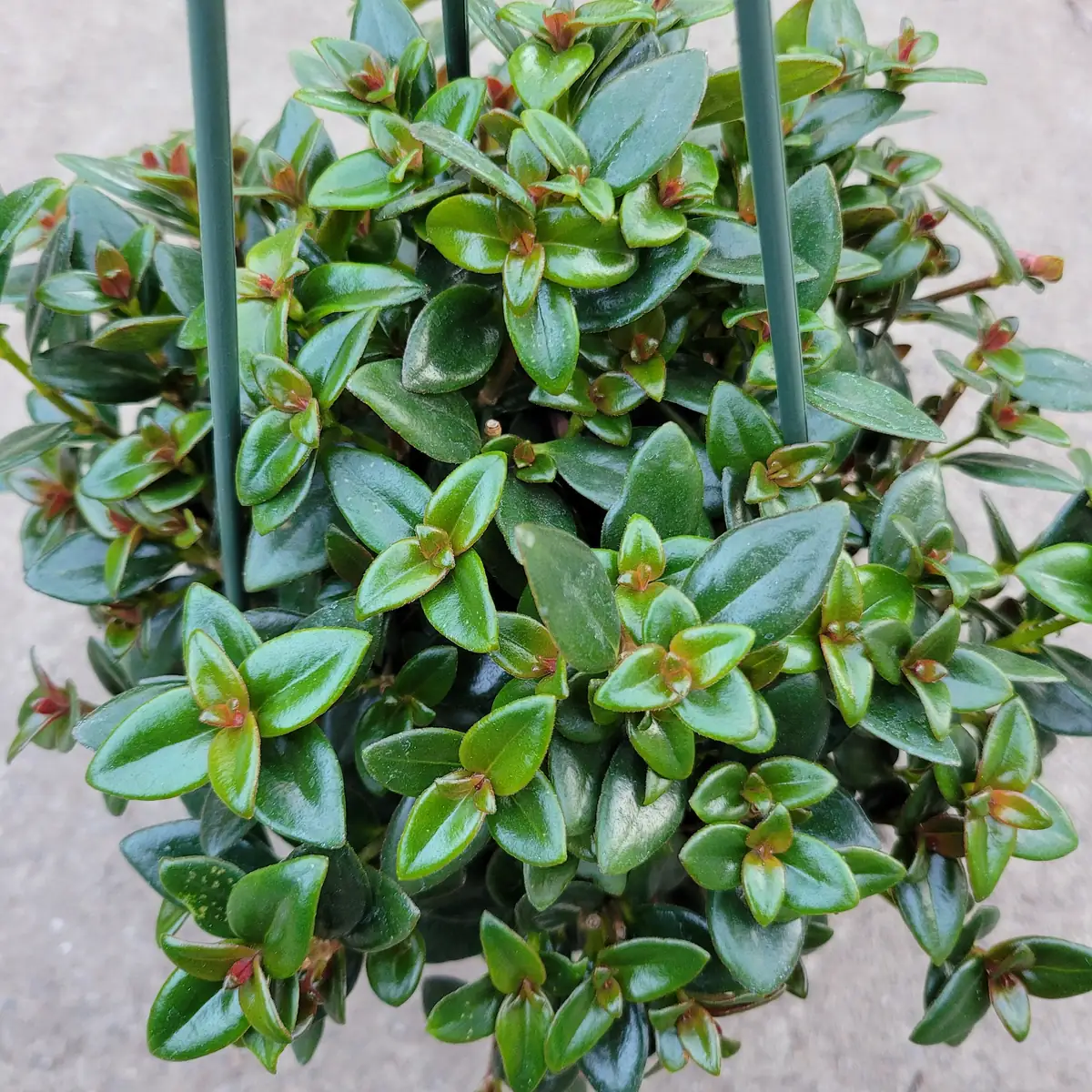
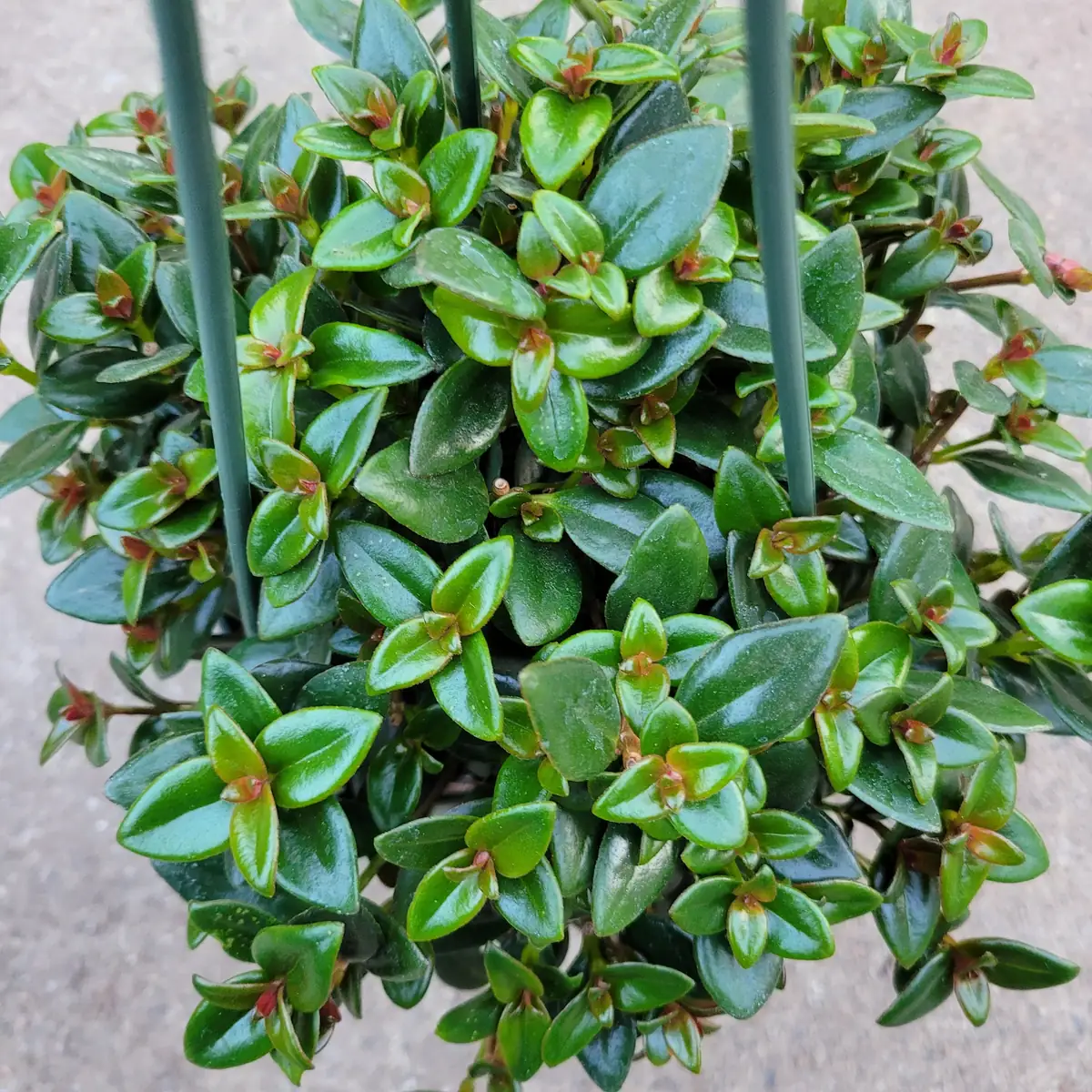
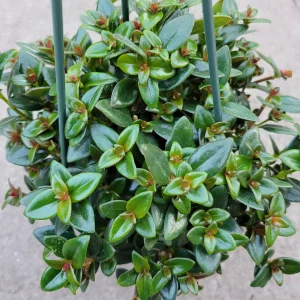
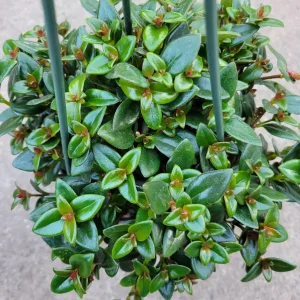
Bring a splash of vibrant color and unique charm to your indoor garden with the extraordinary goldfish plant succulent, scientifically known as Nematanthus gregarius. This captivating live plant is celebrated for its distinctive, bright orange-red flowers that strikingly resemble tiny goldfish, seemingly swimming among its glossy, dark green foliage. Originating from the rainforests of Brazil, this epiphytic succulent is a fantastic choice for hanging baskets or shelves, allowing its trailing stems to cascade beautifully. As a relatively low-maintenance and resilient species, it makes an excellent addition for both novice and experienced plant enthusiasts looking for an easy care succulent that delivers impressive visual appeal.
The Nematanthus gregarius is not only admired for its playful blooms but also for its lush, evergreen foliage. It adapts well to typical indoor conditions, provided its basic needs for light and water are met. Its unique appearance and straightforward care regime make it a delightful conversation starter and a rewarding plant to grow. Whether you’re enhancing your living space or searching for a distinctive gift, the goldfish plant succulent offers year-round beauty and a touch of the tropics.
Key Benefits
The goldfish plant succulent offers a myriad of benefits beyond its stunning appearance, making it a highly desirable houseplant. Its ease of care and unique aesthetic contribute to its popularity among plant lovers of all skill levels.
- Unique Ornamental Appeal: The primary draw of the Nematanthus gregarius is its charming, fish-shaped flowers that emerge in bright orange, red, or yellow hues, providing an exotic and whimsical touch to any indoor setting. These vibrant blooms can appear year-round under optimal conditions, ensuring continuous visual interest.
- Low Maintenance & Drought Tolerant: As a succulent, the goldfish plant succulent is inherently drought-tolerant, requiring less frequent watering than many other houseplants. This makes it an ideal choice for busy individuals or those new to plant care, seeking an easy care succulent.
- Versatile Display Options: With its naturally trailing growth habit, the indoor goldfish plant is perfectly suited for hanging baskets, elevated shelves, or even as a groundcover in terrariums. Its cascading stems create a lush, living curtain, adding depth and texture to your decor.
- Air Purifying Qualities: Like many houseplants, the Nematanthus gregarius contributes to a healthier indoor environment by helping to filter and purify the air, improving overall air quality in your home or office.
- Pet-Friendly Plant: The goldfish plant succulent is generally considered non-toxic to pets, making it a safer choice for households with cats, dogs, or other animals. This provides peace of mind while enjoying its beauty.
- Long Blooming Period: With proper care, this plant can produce its distinctive flowers for extended periods, often blooming intermittently throughout the year, ensuring a consistent display of its unique ‘goldfish’ blooms.
- Easy Propagation: For those who love to expand their plant collection or share with friends, the Nematanthus gregarius care involves relatively easy propagation from stem cuttings, allowing you to create more plants from your original specimen.
Plant Care & Growing Tips
Caring for your Nematanthus gregarius, or goldfish plant succulent, is straightforward, making it an excellent choice for various indoor environments. Understanding its needs will ensure a thriving and blooming plant. The most crucial aspect of Nematanthus gregarius care is providing the right balance of light and water.
For optimal growth and abundant flowering, your goldfish plant succulent requires bright, indirect light. A south or east-facing window is ideal, where it can receive several hours of bright light without direct, harsh sun exposure, which can scorch its leaves. While it can tolerate lower light conditions, flowering will be significantly reduced. As an indoor goldfish plant, rotate it occasionally to ensure even growth. When it comes to watering, less is often more. Allow the top inch or two of the soil to dry out completely between waterings. Overwatering is the most common cause of problems, leading to root rot. During winter months, reduce watering frequency as the plant’s growth slows. The ideal soil for this plant is a well-draining potting mix, ideally one formulated for succulents or African violets, which provides good aeration and prevents waterlogging. You can enhance drainage by adding perlite or pumice to a standard potting mix.
The goldfish plant succulent thrives in average household temperatures, ideally between 65-75°F (18-24°C). Avoid exposing it to temperatures below 50°F (10°C), as it is sensitive to cold. Humidity is not a critical factor, but it appreciates moderate levels, especially in dry indoor environments; occasional misting or placing it near a humidifier can be beneficial. Fertilize your Nematanthus gregarius every 2-4 weeks during its active growing season (spring and summer) with a balanced liquid fertilizer diluted to half strength. Reduce or cease fertilization during fall and winter. Pruning can be done to maintain shape and encourage bushier growth, which also leads to more flowers. Pinch back leggy stems to promote a fuller plant. For more detailed succulent care tips, always observe your plant for signs of stress or nutrient deficiencies.
Size & Details
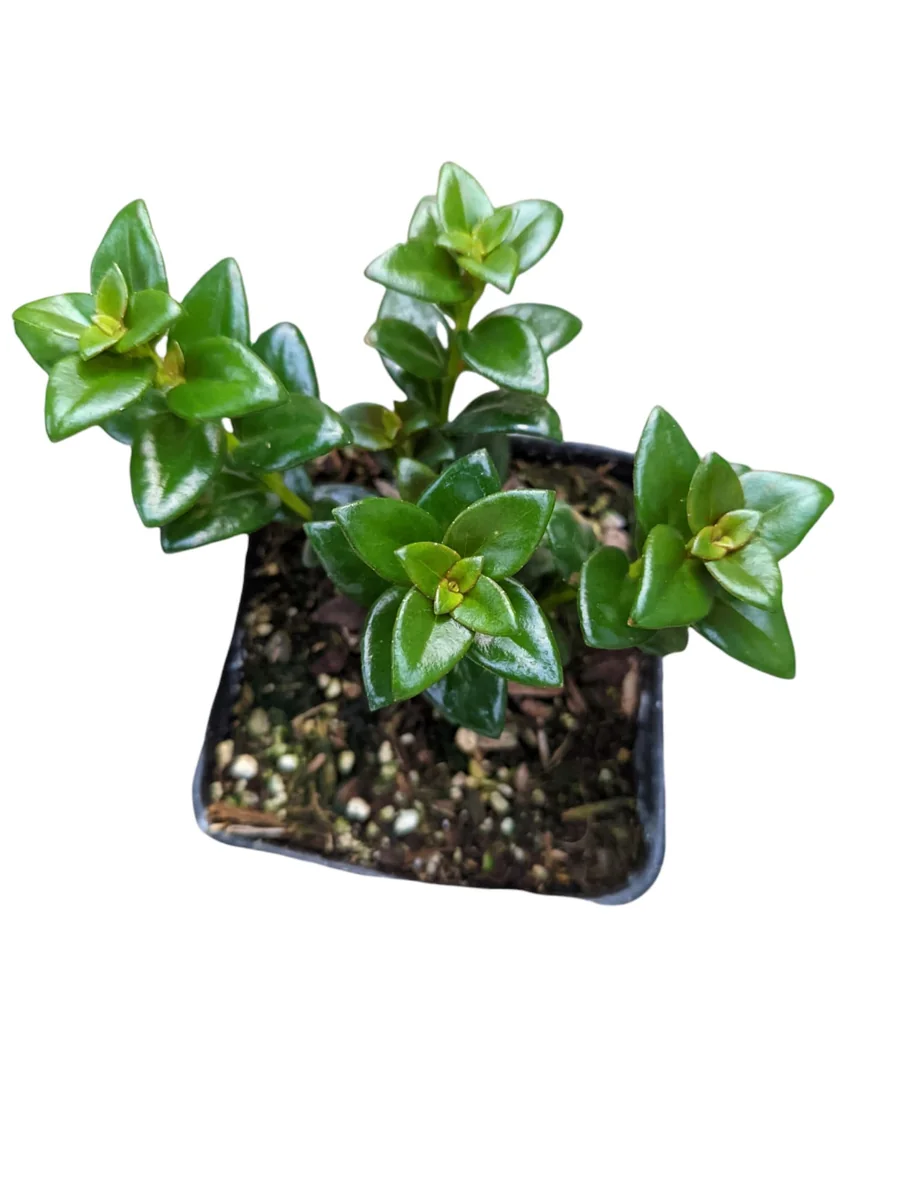
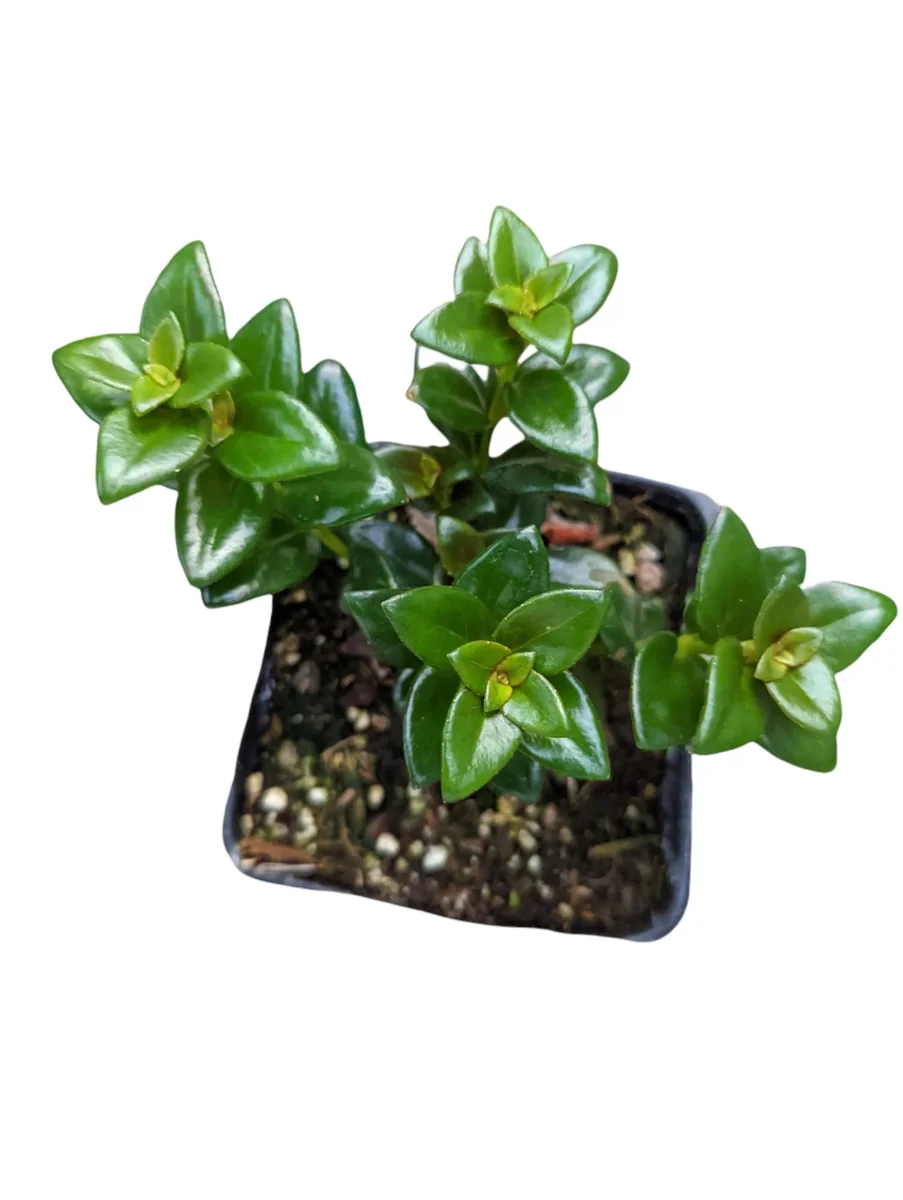
The goldfish plant succulent, Nematanthus gregarius, is typically grown as a compact to medium-sized houseplant, making it suitable for various indoor spaces. When mature, its trailing stems can reach lengths of 1 to 3 feet, creating a beautiful cascade of foliage and flowers. The plant’s overall spread will depend on its age and whether it’s allowed to trail freely or is pruned for a bushier appearance. The glossy, dark green leaves are relatively small, usually 1-2 inches long, and provide an excellent backdrop for the vivid, fish-shaped blooms, which are typically 1 inch in length.
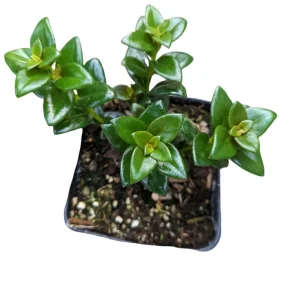
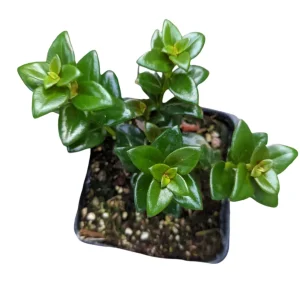
This live plant is usually shipped as a young, actively growing specimen, often in a nursery pot (e.g., 2-4 inch diameter), ready for you to transplant into your preferred decorative container or hanging basket. The growth rate of the Nematanthus gregarius is moderate, allowing it to establish itself well within a season. With consistent Nematanthus gregarius care, you can expect it to reach a substantial size within 1-2 years, producing its characteristic flowers intermittently throughout the year, especially with good light and feeding. It’s a fantastic choice for adding vertical interest and a pop of color to your home.
Frequently Asked Questions
- Q: How big does this plant get? A: The goldfish plant succulent typically develops trailing stems that can grow 1 to 3 feet long. Its overall size depends on pruning and growing conditions, but it generally remains a manageable indoor plant.
- Q: Is this an indoor or outdoor plant? A: While it can be grown outdoors in very warm, humid climates (USDA zones 9-11), the Nematanthus gregarius is primarily cultivated as an indoor goldfish plant in most regions, thriving in bright, indirect indoor light.
- Q: How much sunlight does it need? A: This plant prefers bright, indirect sunlight. Direct afternoon sun can scorch its leaves, while too little light will result in fewer blooms. An east or south-facing window with filtered light is ideal for optimal succulent care tips.
- Q: Is this plant easy to care for? A: Yes, the goldfish plant succulent is considered an easy care succulent, making it suitable for beginners. Its main requirements are bright, indirect light and careful watering to avoid overwatering.
- Q: What condition will it arrive in? A: Your Nematanthus gregarius will arrive as a healthy, live plant, typically shipped bare roots or in a small nursery pot, ready for planting upon arrival. We ensure careful packaging to protect it during transit.
- Q: How long until it blooms? A: With proper Nematanthus gregarius care, including sufficient light and feeding, your plant can start producing its unique goldfish-shaped flowers within a few months of establishment and will bloom intermittently throughout the year.
- Q: What’s the best soil for a goldfish plant? A: The best soil is a well-draining mix, such as a succulent or African violet potting mix. You can also create your own by adding perlite or pumice to a standard potting mix to improve drainage, which is crucial for good succulent care tips.
- Q: Is the goldfish plant safe for pets? A: Yes, the goldfish plant succulent is generally considered non-toxic to cats and dogs, making it a safe choice for pet-owning households.
- Q: How often should I water my goldfish plant? A: Water thoroughly when the top 1-2 inches of soil are dry to the touch. Reduce watering during cooler months. It’s better to underwater than overwater this easy care succulent.
- Q: Can I propagate my goldfish plant? A: Absolutely! The Nematanthus gregarius is quite easy to propagate from stem cuttings, allowing you to expand your collection or share with friends.


Reviews
There are no reviews yet.