Overview
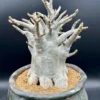
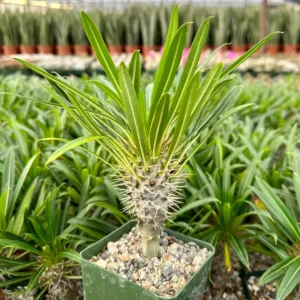
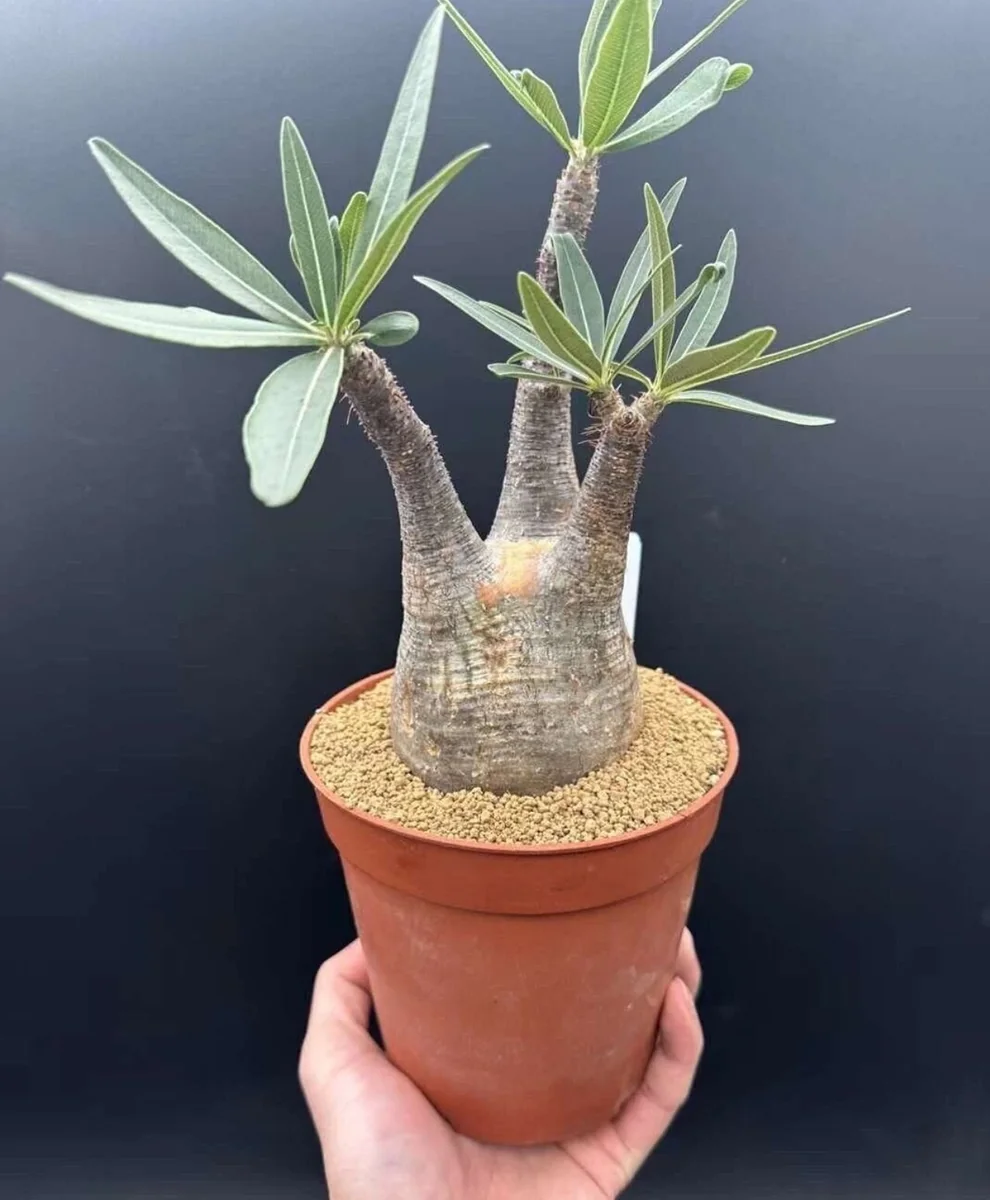
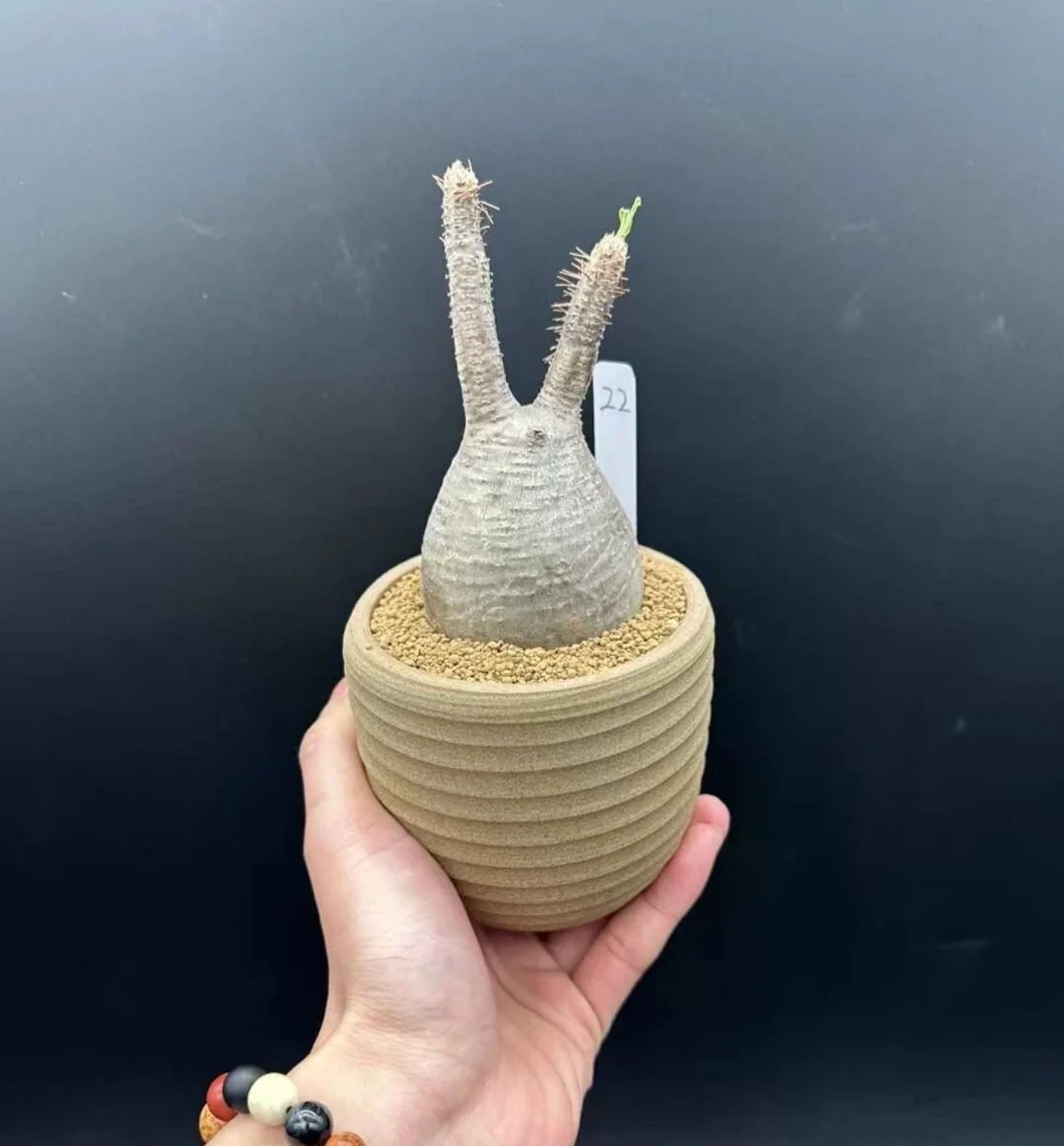
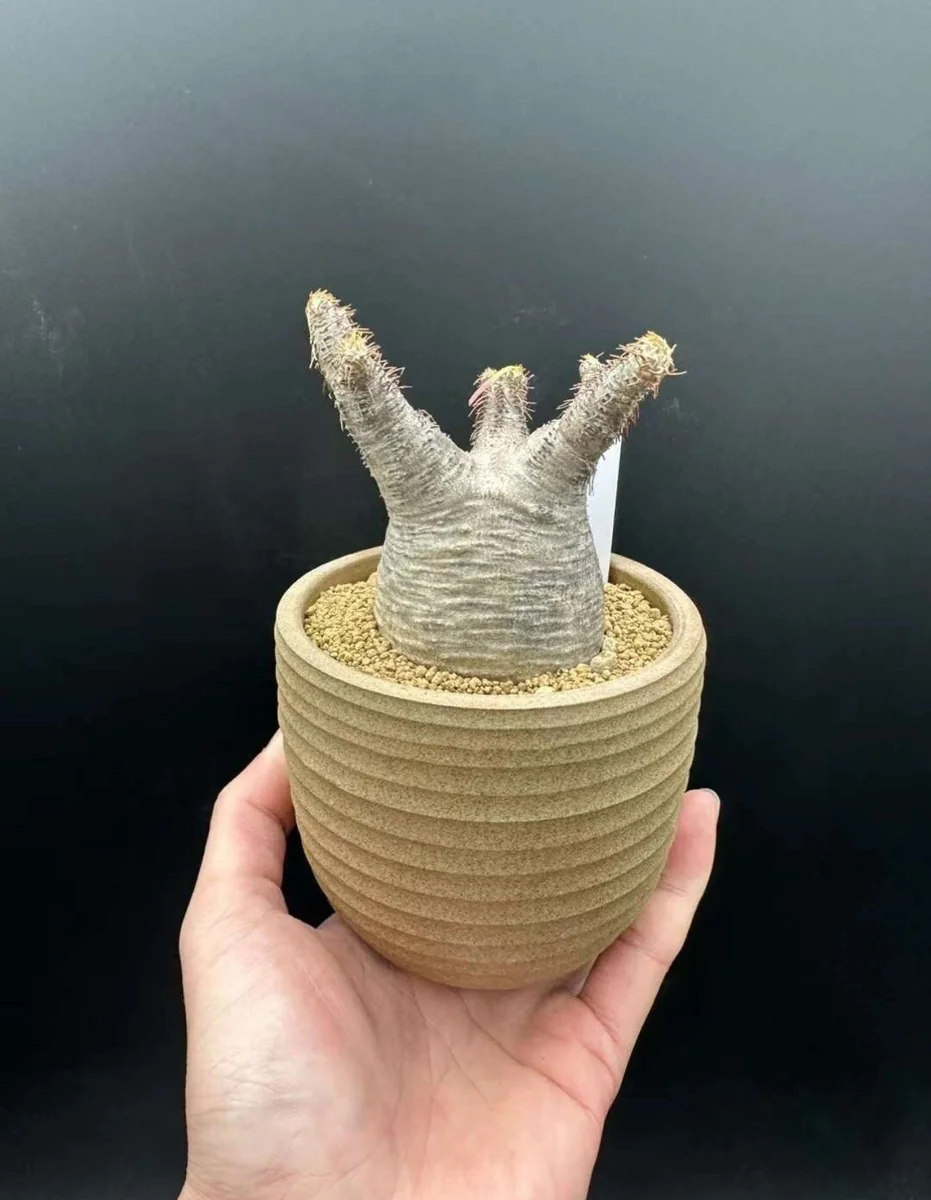
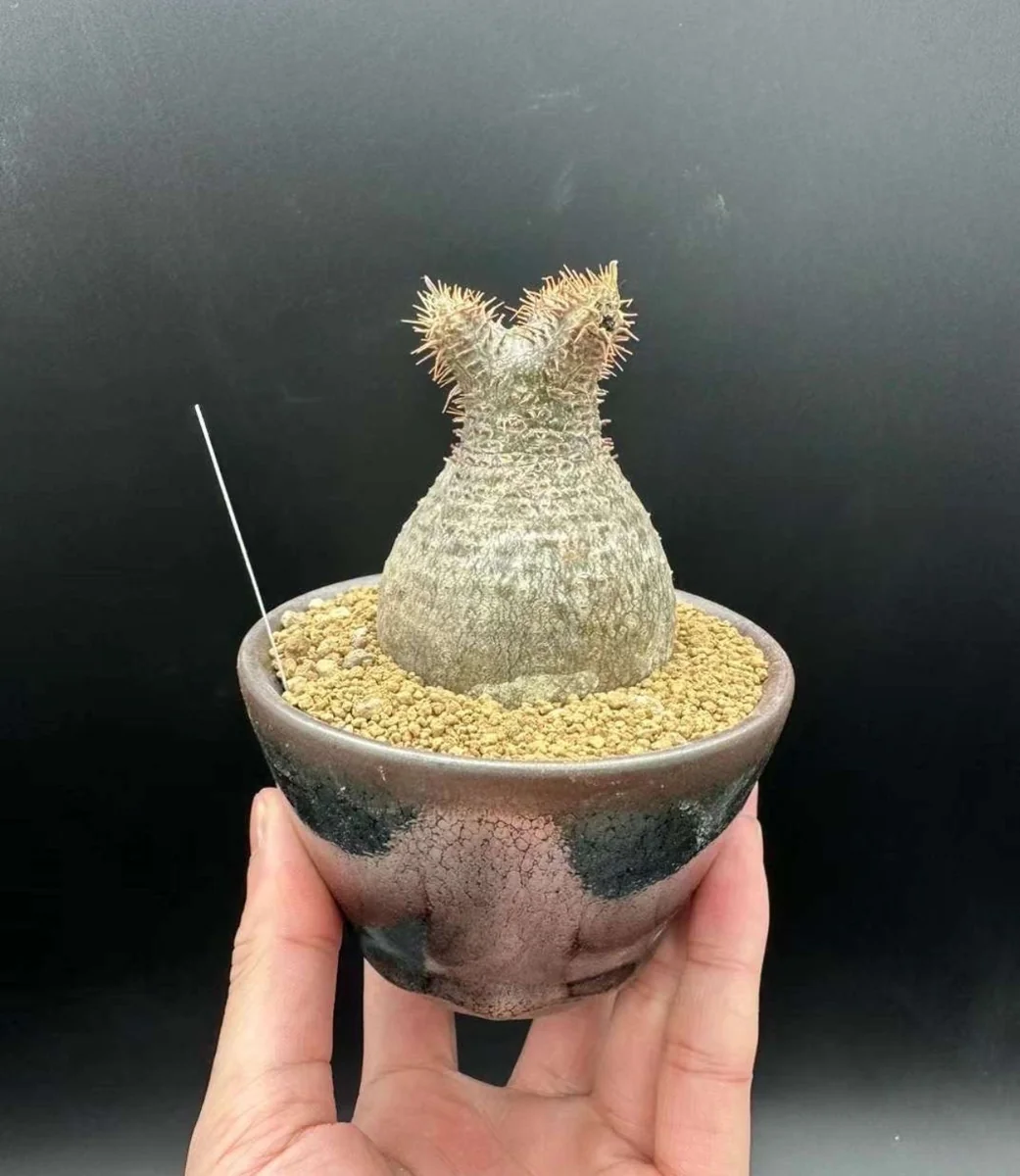
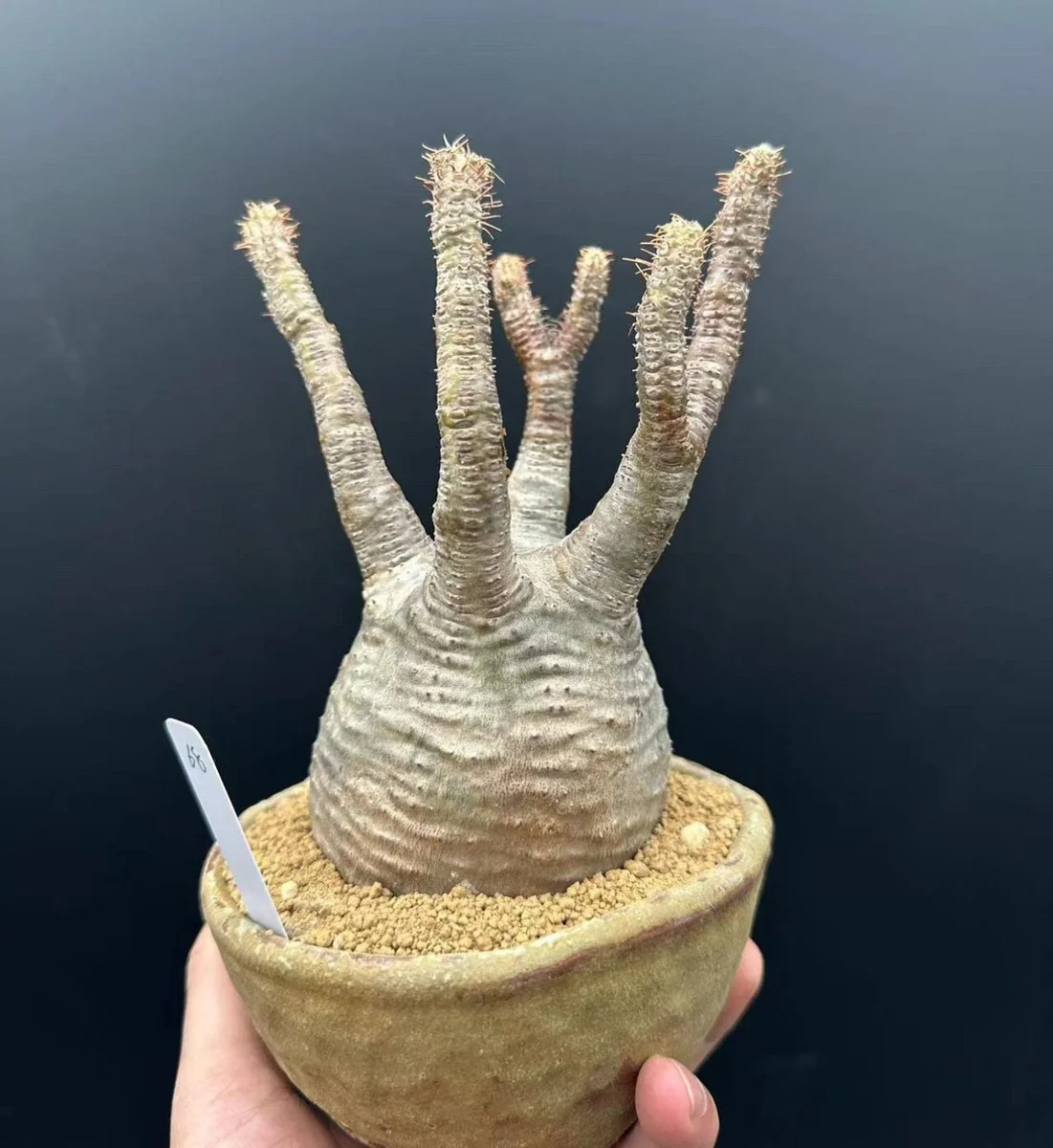
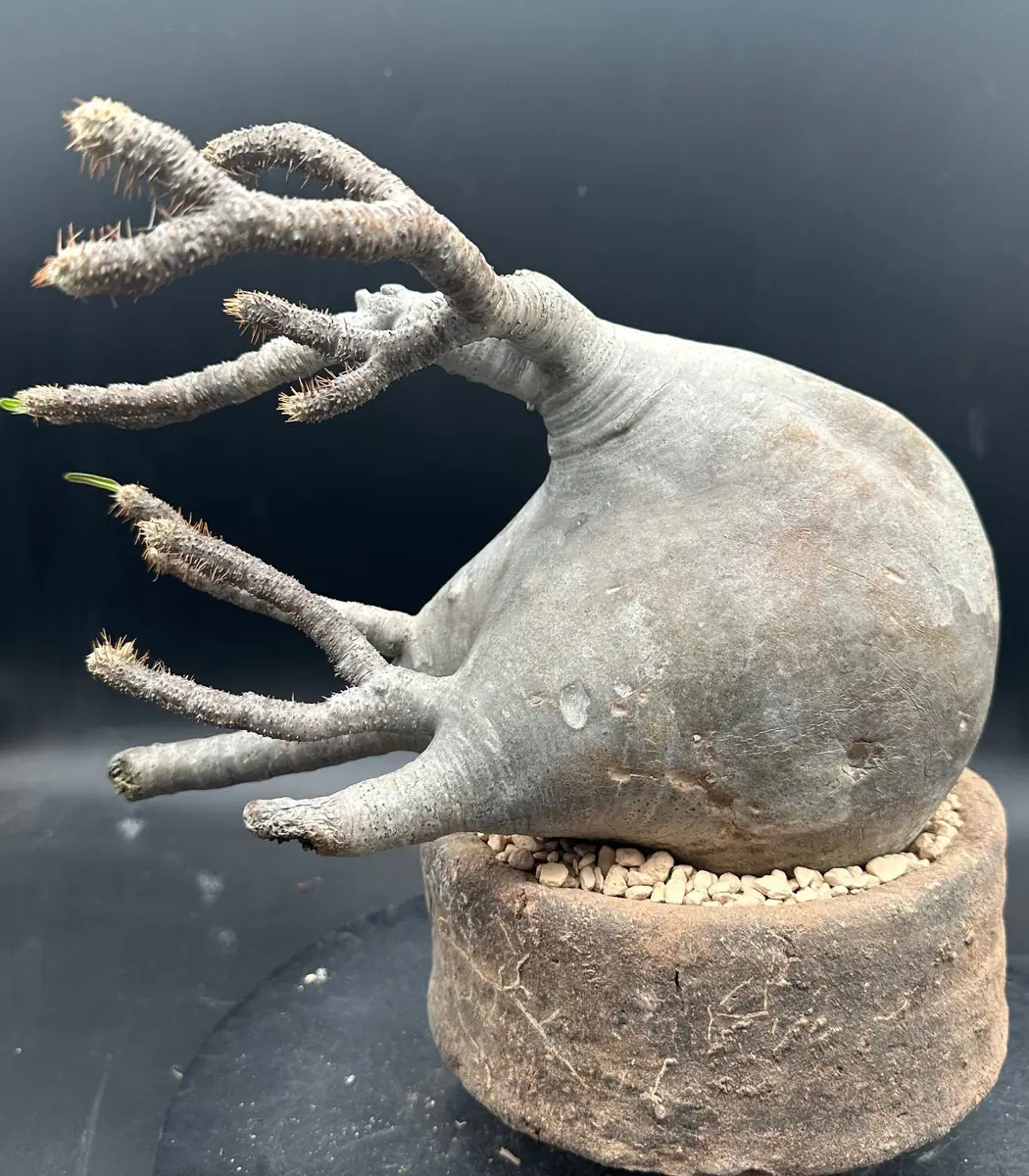
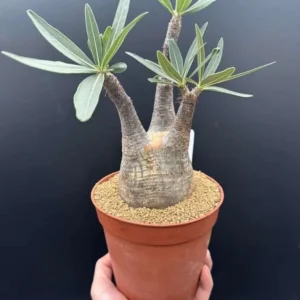
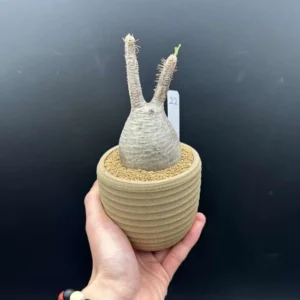
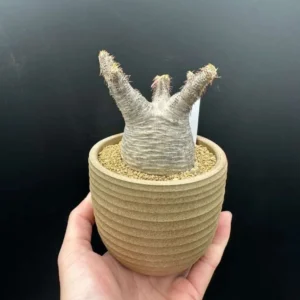
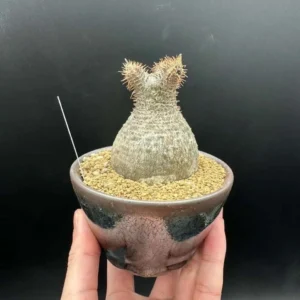
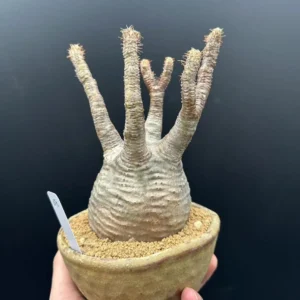
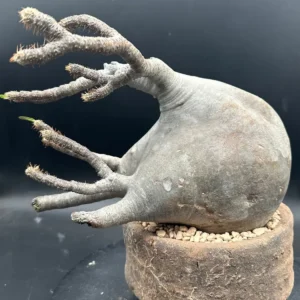
Introduce a truly remarkable specimen to your botanical collection with the Gracilius live plant. This captivating succulent, known for its slow growth and striking appearance, is a prized possession among plant enthusiasts. Native to the arid regions of Madagascar, Gracilius is characterized by its unique cylindrical stem, which can reach up to 2 meters in height and 10 cm in diameter. The stem, covered in sharp, modified leaves, transitions from green when young to a mature brown or grayish-brown. As an exotic rare succulent, it offers an unparalleled aesthetic appeal, making it a focal point in any indoor or greenhouse setting. The plant’s ability to shed its leaves during the dry season, allowing the stem to photosynthesize, is a fascinating adaptation that highlights its resilience and unique evolutionary journey. This slow growing plant is a testament to nature’s artistry, offering a long-lived and visually compelling addition to your botanical endeavors.
Our Gracilius live plant arrives as a bare root specimen, ready for you to pot and nurture. This method ensures minimal stress during transit and allows you to establish it in your preferred growing medium immediately. Ideal for those looking to expand their unique plant collection, Gracilius is not just a plant; it’s a living sculpture. Its distinctive form and low-maintenance requirements, once established, make it an excellent choice for both seasoned collectors and those looking to delve into the world of rare succulents. Experience the allure of this Madagascan marvel and enjoy the journey of cultivating such a special botanical gem.
Key Benefits
The Gracilius live plant offers a multitude of benefits, making it an exceptional choice for any plant enthusiast. Its unique characteristics contribute to its appeal and value as a collector’s item.
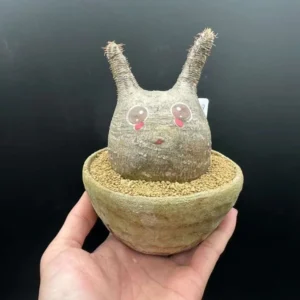
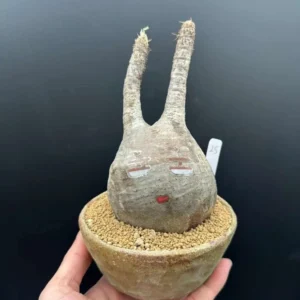
- Striking Ornamental Value: With its distinctive cylindrical stem and sharp spines, Gracilius provides unparalleled visual interest. It serves as a natural conversation starter and a living piece of art, enhancing the aesthetic of any space.
- Rare and Exotic Appeal: As an exotic rare succulent, Gracilius stands out from common houseplants. Owning one means possessing a piece of botanical rarity, highly sought after by collectors worldwide for its unique origin and form.
- Long-Lived Specimen: Gracilius is a remarkably long-lived plant, rewarding dedicated growers with many years of beauty and growth. Its longevity makes it a worthwhile investment for any serious plant collector.
- Drought Tolerance: Adapted to arid environments, this slow growing plant is highly drought-tolerant, requiring infrequent watering. This makes it a low-maintenance option for those with busy schedules or who prefer plants that don’t demand constant attention.
- Fascinating Adaptations: The plant’s ability to shed leaves in dry seasons and photosynthesize through its stem is a captivating biological feature. Observing these natural adaptations provides an educational and enriching experience for growers.
- Collectibility: Gracilius is a cornerstone for building a truly unique plant collection. Its rarity and distinctive characteristics make it a prized addition that elevates the perceived value and diversity of your horticultural display.
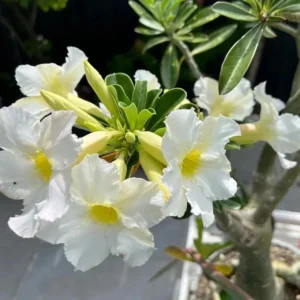
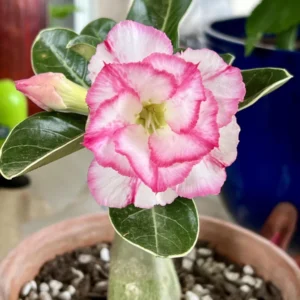
- Fragrant Blooms: During early spring to early summer, Gracilius produces beautiful, fragrant white or pale pink flowers, adding another layer of sensory delight to its already impressive attributes.
Plant Care & Growing Tips
Cultivating a Gracilius live plant requires attention to its specific needs, mirroring its native arid habitat. Ensuring the right conditions will help your exotic rare succulent thrive. For optimal growth, Gracilius demands full sun exposure. This means placing it in a location where it receives direct sunlight for several hours a day, such as a south-facing window or a greenhouse. In its natural environment, it thrives in hot and dry climates, so replicating these conditions indoors is crucial. Protection from temperatures below 10°C (50°F) is essential, as the plant is sensitive to cold and can suffer frost damage.
The choice of soil is paramount for this slow growing plant. It requires a highly well-draining soil mix, ideally a specialized cactus or succulent blend. This prevents waterlogging, which can quickly lead to root rot. Water sparingly, allowing the soil to dry out completely between waterings. During its dormant winter period, reduce watering even further to mimic its natural dry season. Fertilization is not heavily required; a diluted succulent-specific fertilizer can be applied once or twice during the active growing season. Keep an eye out for pests like mealybugs, which can be addressed with appropriate organic insecticides or alcohol wipes. Providing these specific conditions will ensure your Gracilius live plant flourishes and remains a highlight of your unique plant collection.
Size & Details
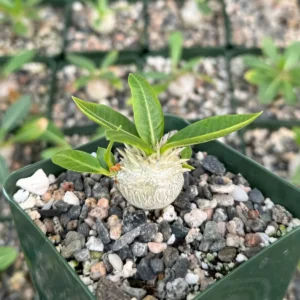
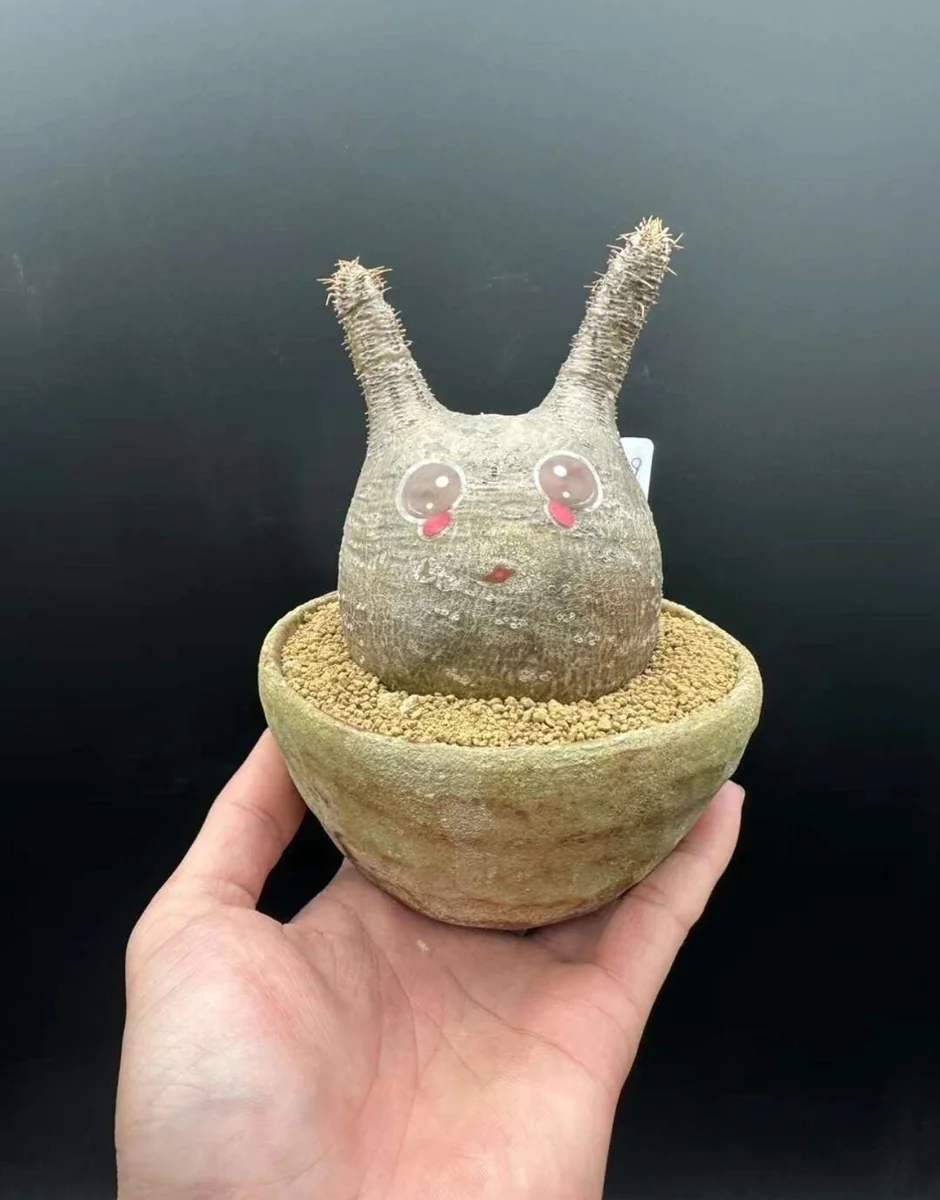
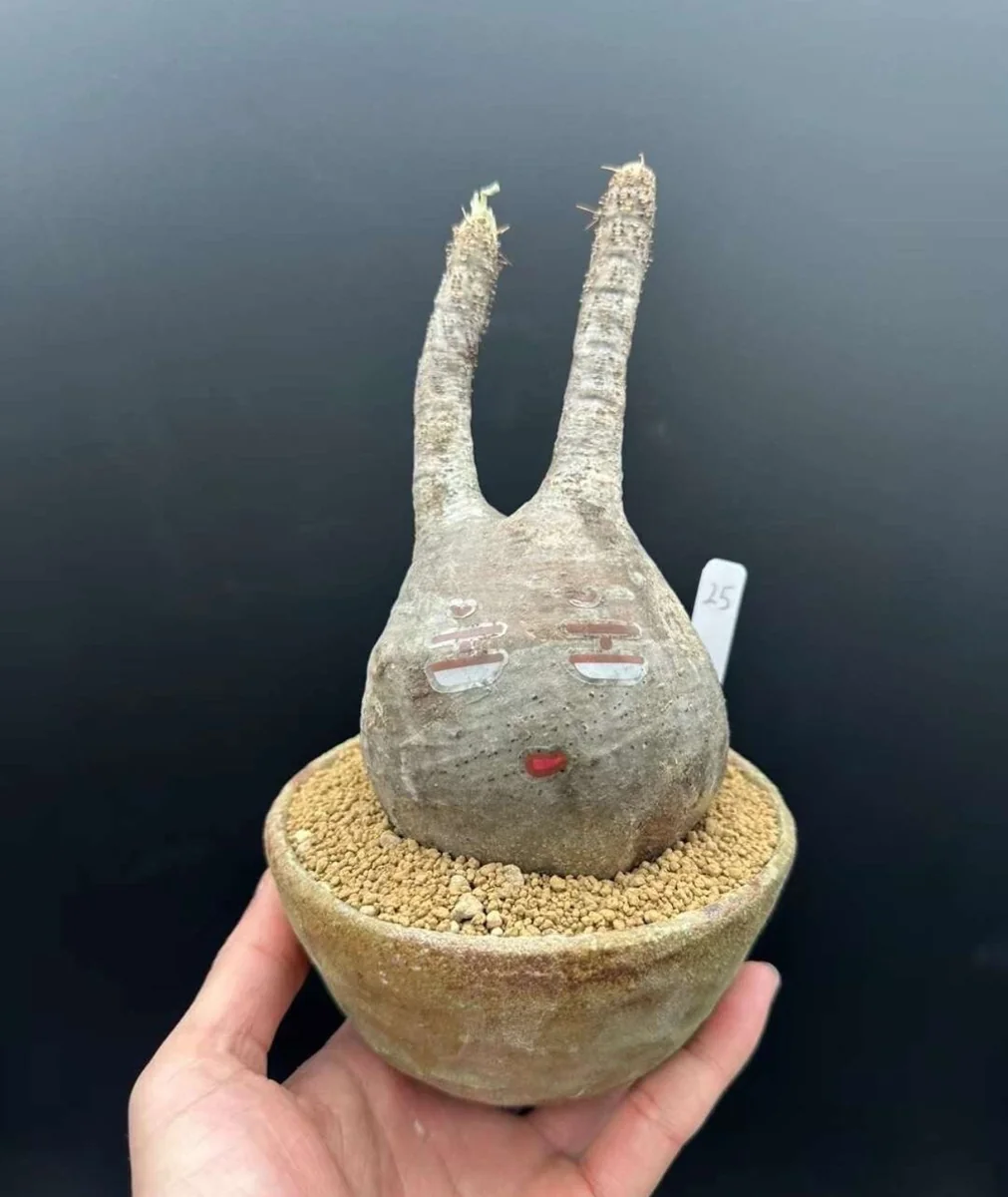
The Gracilius live plant offered here is shipped in a bare root state, meaning it will arrive without soil or a pot, allowing for safe transit and custom potting upon arrival. The trunk width typically starts around 3 inches, though individual plant sizes may vary. Gracilius is known for its slow growth rate, developing its impressive cylindrical stem over many years. When mature, its stem can reach up to 2 meters (approximately 6.5 feet) tall and up to 10 cm (about 4 inches) in diameter. During shipping, it is common for the plant to lose some or all of its leaves; however, these will regrow in the summer with proper care. The flowers, which bloom from early spring to early summer, are funnel-shaped and approximately 5 cm in diameter, followed by seed pods up to 12 cm long. This exotic rare succulent is a long-term commitment, offering a rewarding experience as you watch its unique form develop.
Frequently Asked Questions
- Q: How big does this Gracilius live plant get? A: The Gracilius plant is a slow growing plant. While the initial trunk width is around 3 inches, mature specimens can reach up to 2 meters (6.5 feet) in height with a stem diameter of 10 cm (4 inches).
- Q: Is this an indoor or outdoor plant? A: Gracilius can be grown both indoors and outdoors, provided it receives full sun exposure and is protected from cold temperatures below 10°C (50°F). It thrives in hot, dry climates.
- Q: How much sunlight does it need? A: This exotic rare succulent requires full sun exposure. Place it in a location where it can receive direct sunlight for several hours daily, such as a south-facing window or a greenhouse.
- Q: What condition will the Gracilius live plant arrive in? A: The plant will be shipped in a bare root form. It’s normal for it to arrive without leaves, as they may dry or fall off during shipping. New leaves will grow back in the summer.
- Q: Is this plant easy to care for, especially for beginners? A: While it is a relatively low-maintenance plant once established, its specific needs for well-draining soil and protection from cold might be a bit challenging for absolute beginners. However, with proper research on Gracilius care it can be successfully grown.
- Q: When is the best time for it to bloom? A: The Gracilius plant typically produces its beautiful, fragrant flowers from early spring to early summer. These blooms are followed by seed pods.
- Q: What kind of soil is best for my Gracilius? A: A well-draining soil mix, specifically formulated for cacti and succulents, is essential. This prevents water retention and ensures the health of your Gracilius live plant.
- Q: Is Gracilius suitable for a unique plant collection? A: Absolutely! As an exotic rare succulent with a distinctive appearance and slow growth, Gracilius is highly valued by collectors and makes an excellent, unique addition to any plant collection.
- Q: How often should I water my Gracilius? A: Water sparingly. Allow the soil to dry out completely between waterings. Reduce watering significantly during the dormant winter months.
- Q: What are the primary uses of Gracilius? A: Gracilius is primarily valued by collectors for its unique ornamental appeal and is used in landscaping to add a distinctive element to gardens.


Reviews
There are no reviews yet.