Overview
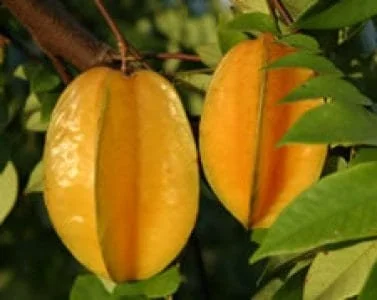
Bring the taste of the tropics to your home with a vibrant carambola star fruit tree. This exceptional live plant, also known as Averrhoa carambola, is a small, symmetrical tree renowned for its prolific fruiting. The unique star-shaped fruit, with its sweet, citrus-like flavor, is not only delicious but also highly decorative, making it a favorite for fresh eating, salads, garnishes, and beverages. Our grafted star fruit plant ensures earlier fruiting and improved vigor, offering a rewarding experience for both novice and experienced gardeners looking to grow their own exotic produce. This particular specimen arrives as a healthy, established plant, typically 1 to 2 feet tall, and is ready to thrive in your garden or a suitable container.
Key Benefits
Owning a Carambola tree offers a multitude of advantages beyond just its unique fruit. It’s a delightful addition to any landscape or patio, providing both aesthetic beauty and culinary rewards. The benefits of cultivating your own carambola star fruit tree are numerous:
- Fresh, Exotic Fruit: Enjoy an abundant supply of sweet, juicy star fruit directly from your own garden. The fruit’s distinctive shape and refreshing taste make it a versatile ingredient for various culinary applications, from fresh snacks to elegant garnishes.
- Ornamental Appeal: With its attractive foliage and graceful growth habit, the Carambola tree serves as a beautiful ornamental plant, adding a touch of tropical elegance to your outdoor or indoor space. It’s a conversation starter that brightens any setting.
- Health Benefits: Star fruit is known to be rich in Vitamin C, antioxidants, and fiber, contributing to a healthy diet. Growing your own ensures you have access to fresh, pesticide-free produce for optimal health.
- Grafted for Performance: Our trees are grafted, which means they are propagated to bear fruit faster and exhibit stronger growth and disease resistance compared to seed-grown plants. This ensures a more reliable and productive harvest.
- Versatile Growing Options: While ideal for outdoor planting in warmer climates, the Carambola tree can also be grown successfully in large containers, allowing gardeners in cooler zones to enjoy this tropical delight by moving it indoors during colder months.
- Rewarding Gardening Experience: There’s immense satisfaction in nurturing a plant that provides delicious, homegrown fruit. Watching your grafted star fruit plant flourish and produce is a truly gratifying experience.
- Learn to Grow Carambola Fruit: This tree offers an excellent opportunity to expand your gardening skills and learn about cultivating tropical fruit varieties. Its relatively straightforward care makes it accessible for many.
Plant Care & Growing Tips
To ensure your carambola star fruit tree thrives, understanding its specific care requirements is essential. Carambola prefers a warm, subtropical to tropical climate. It’s crucial to provide a location with ample sunlight. For optimal fruiting, aim for at least 6-8 hours of direct sunlight per day. If growing indoors, place it near a south-facing window or supplement with grow lights. Protection from strong winds is also beneficial as the branches can be somewhat brittle.
Watering should be consistent, especially during dry periods and when the tree is actively fruiting. The soil should be kept moist but not waterlogged. Allow the top inch or two of soil to dry out slightly between waterings to prevent root rot. Good drainage is paramount. When it comes to soil, Carambola trees prefer slightly acidic to neutral soil (pH 5.5-7.0) that is rich in organic matter and drains well. A good quality potting mix amended with compost works well for container-grown plants. Fertilize regularly during the growing season (spring through fall) with a balanced fertilizer formulated for fruit trees, following the product’s instructions. Young trees will benefit from more frequent, light applications.
Carambola trees are sensitive to cold and frost. They are best suited for USDA Zones 9-11 outdoors. In cooler zones, they must be grown in containers and brought indoors when temperatures drop below 40-45°F (4-7°C). Pruning is generally minimal, focusing on removing dead or diseased branches and shaping the tree for better air circulation and fruit production. Keep an eye out for common pests like aphids or scale, and treat them promptly with organic pest control methods if necessary. With proper care, your live star fruit tree will reward you with years of delicious harvests.
Size & Details
This carambola star fruit tree is a robust, young specimen, typically ranging from 1 to 2 feet in height upon arrival. It is a grafted plant, meaning it has been propagated to ensure healthy growth and earlier fruit production compared to trees grown from seed. The tree ships securely in a 6-inch nursery pot, providing a well-established root system ready for transplanting into a larger container or directly into your garden. While growth rates can vary based on care and environmental conditions, Carambola trees are generally fast-growing and can reach mature heights of 20-30 feet if planted in the ground, though they can be kept smaller with pruning in containers.
Expect your tree to begin producing fruit within 2-4 years under ideal conditions, thanks to its grafted nature. The fruit typically matures in late summer to fall, depending on your climate. Each tree is carefully selected and packed to ensure it arrives in excellent condition, ready for you to continue its journey to producing delectable star fruit. This is a fantastic opportunity to grow carambola fruit at home.
Frequently Asked Questions
- Q: How big does this plant get? A: This carambola star fruit tree typically arrives 1 to 2 feet tall. In the ground, it can grow up to 20-30 feet, but can be maintained at a smaller, more manageable size for container growing with regular pruning.
- Q: What size pot does it come in? A: The tree is shipped in a 6-inch nursery pot, providing a healthy start with an established root system. You will need to transplant it into a larger pot or directly into the ground upon arrival.
- Q: Is this an indoor or outdoor plant? A: Carambola trees thrive outdoors in USDA Zones 9-11. In cooler climates, they can be grown outdoors during warm months and brought indoors to a bright, protected location when temperatures drop below 40-45°F.
- Q: How much sunlight does it need? A: This live star fruit tree requires full sun exposure, ideally 6-8 hours of direct sunlight daily, to produce the best fruit. If grown indoors, place it in the brightest available spot.
- Q: Is this plant easy to care for? A: Carambola trees are moderately easy to care for, especially with consistent watering and proper sunlight. They are a good choice for gardeners looking to expand into tropical fruit cultivation.
- Q: What condition will it arrive in? A: Your tree is carefully packaged to ensure it arrives in excellent, healthy condition, ready for planting. We take great care to protect the plant during transit.
- Q: Can I use carambola fruit in cooking? A: Absolutely! The fruit from your carambola star fruit tree is commonly eaten fresh, in salads, as garnishes, and in various drinks due to its sweet and refreshing citrus-like flavor.
- Q: How long until it blooms and fruits? A: As a grafted plant, this Carambola tree can start producing fruit relatively quickly, often within 2-4 years of planting under optimal growing conditions.
- Q: What’s the best way to ensure I can grow carambola fruit successfully? A: Provide consistent watering, ample sunlight, well-draining soil, and protect it from cold temperatures. Regular feeding with a balanced fruit tree fertilizer will also promote healthy growth and fruiting.
- Q: What’s the minimum temperature this tree can tolerate? A: Carambola trees are sensitive to cold. They can tolerate brief drops to around 30-35°F, but prolonged exposure below 40-45°F can cause damage or even kill the tree, necessitating indoor protection in colder zones.


Reviews
There are no reviews yet.