Overview
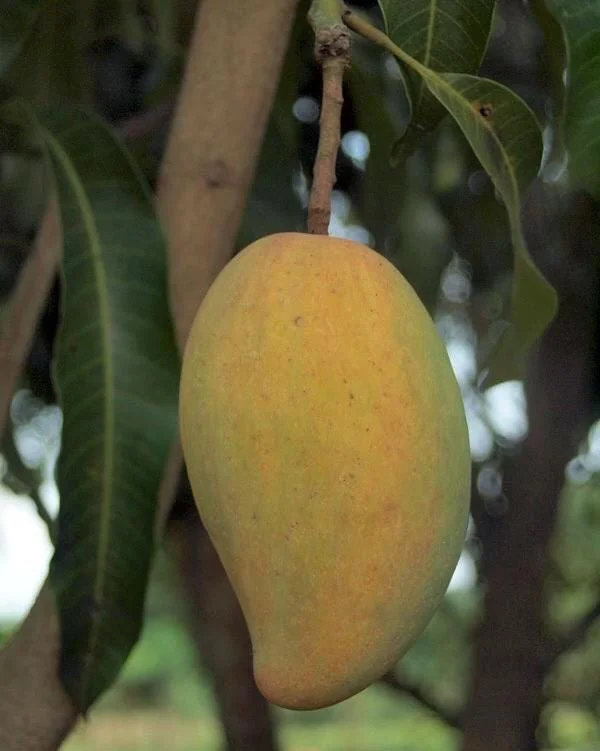
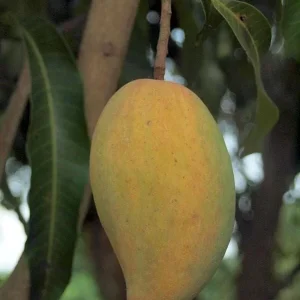
Bring the taste of the tropics to your home with a Manila mango live plant. Also known as Ataulfo mangoes or Honey mangoes, this specific cultivar is highly prized for its exceptional sweetness, smooth, fiber-free texture, and wonderfully aromatic flavor. Our grafted mango tree ensures you receive a robust plant with desirable characteristics, ready to grow into a productive fruit-bearing specimen. This live plant is ideal for those looking to enjoy fresh, delicious mangoes straight from their own garden or patio. With proper care, your Manila mango tree will become a cherished part of your landscape, offering both aesthetic beauty and bountiful harvests of some of the world’s most beloved fruit.
The Manila mango live plant is a fantastic addition for fruit enthusiasts and gardeners alike. Its vigorous growth and abundant fruiting make it a rewarding project for anyone in a suitable climate. Known for its distinctive elongated shape and golden-yellow skin when ripe, the Ataulfo mango plant is a true culinary delight. Don’t miss the opportunity to grow your own source of these exquisite fruits.
This Honey mango plant is carefully selected to provide you with a healthy start. Grafting ensures that the plant retains the superior qualities of the parent tree, including fruit quality and disease resistance. With its rich history and widespread appeal, the Manila mango is more than just a fruit; it’s a tropical experience waiting to be cultivated in your own backyard.
Key Benefits
Growing your own Manila mango live plant offers a multitude of advantages, from the joy of fresh fruit to enhancing your garden’s biodiversity. This grafted mango tree provides a reliable path to delicious harvests.
- Exceptional Fruit Quality: Enjoy the unparalleled sweetness, smooth texture, and rich, aromatic flavor of Ataulfo mangoes, often considered among the best in the world. Growing your own ensures peak freshness and ripeness.
- Homegrown Goodness: Experience the satisfaction of harvesting your own organic fruit, free from pesticides and ripened naturally on the tree. This fresh produce is superior to store-bought options.
- Ornamental Value: Beyond its fruit, the Ataulfo mango tree is an attractive addition to any landscape, with lush green foliage that adds a tropical flair to your garden or patio.
- Health Benefits: Mangoes are packed with vitamins, minerals, and antioxidants, contributing to a healthy diet. Having a fresh supply readily available encourages healthier eating habits.
- Sustainable Gardening: Cultivating your own fruit trees reduces your carbon footprint and promotes local food production, fostering a more sustainable lifestyle.
- Educational Experience: Growing a tropical fruit tree can be a rewarding learning experience for both adults and children, teaching about plant life cycles and the origins of food.
- Reliable Production: As a grafted mango tree, this plant is designed for earlier and more consistent fruit production compared to trees grown from seed, ensuring a more predictable harvest.
Plant Care & Growing Tips
Caring for your Manila mango live plant requires attention to its specific needs, especially regarding climate and soil. These trees thrive in warm, sunny conditions, making them suitable for tropical to subtropical regions. They prefer temperatures above 60°F (15°C) and require protection from frost. Ensure your plant receives at least 6-8 hours of direct sunlight daily. If growing in a cooler climate, consider keeping it in a container that can be moved indoors during colder months. The ideal location should also offer some protection from strong winds, as young trees have shallow root systems that can be vulnerable.
Soil composition is crucial for a healthy Ataulfo mango tree. They prefer loamy, well-draining soil with a slightly acidic to neutral pH (6.0-7.0). If your native soil is heavy clay or too sandy, amend it with organic matter such as compost or well-rotted manure to improve drainage and fertility. For container-grown plants, use a high-quality potting mix formulated for fruit trees. Regular watering is essential, especially for young trees, to establish a strong root system. Water deeply when the top few inches of soil feel dry, reducing frequency as the tree matures. During flowering and fruiting periods, consistent moisture is particularly important for fruit development. Avoid overwatering, which can lead to root rot.
Fertilize your Manila mango live plant with a balanced fertilizer specifically designed for fruit trees, following the manufacturer’s instructions. Apply fertilizer during the active growing season, typically in spring and summer, to support vigorous growth and fruit production. Pruning helps maintain the tree’s shape, promotes good air circulation, and allows sunlight to penetrate the canopy, which is vital for fruit ripening. Remove any dead, diseased, or crossing branches. The best time to prune is during the dormant season, usually late winter or early spring, before new growth begins. Monitor for common pests like mango scale, aphids, and fruit flies, and diseases such as anthracnose and powdery mildew, implementing appropriate organic or chemical treatments as needed. Thinning excess fruit clusters can lead to larger, healthier fruits, reducing the strain on branches. Applying a layer of organic mulch around the base helps retain moisture, regulate soil temperature, and suppress weeds, benefiting your tropical fruit plant.
Size & Details
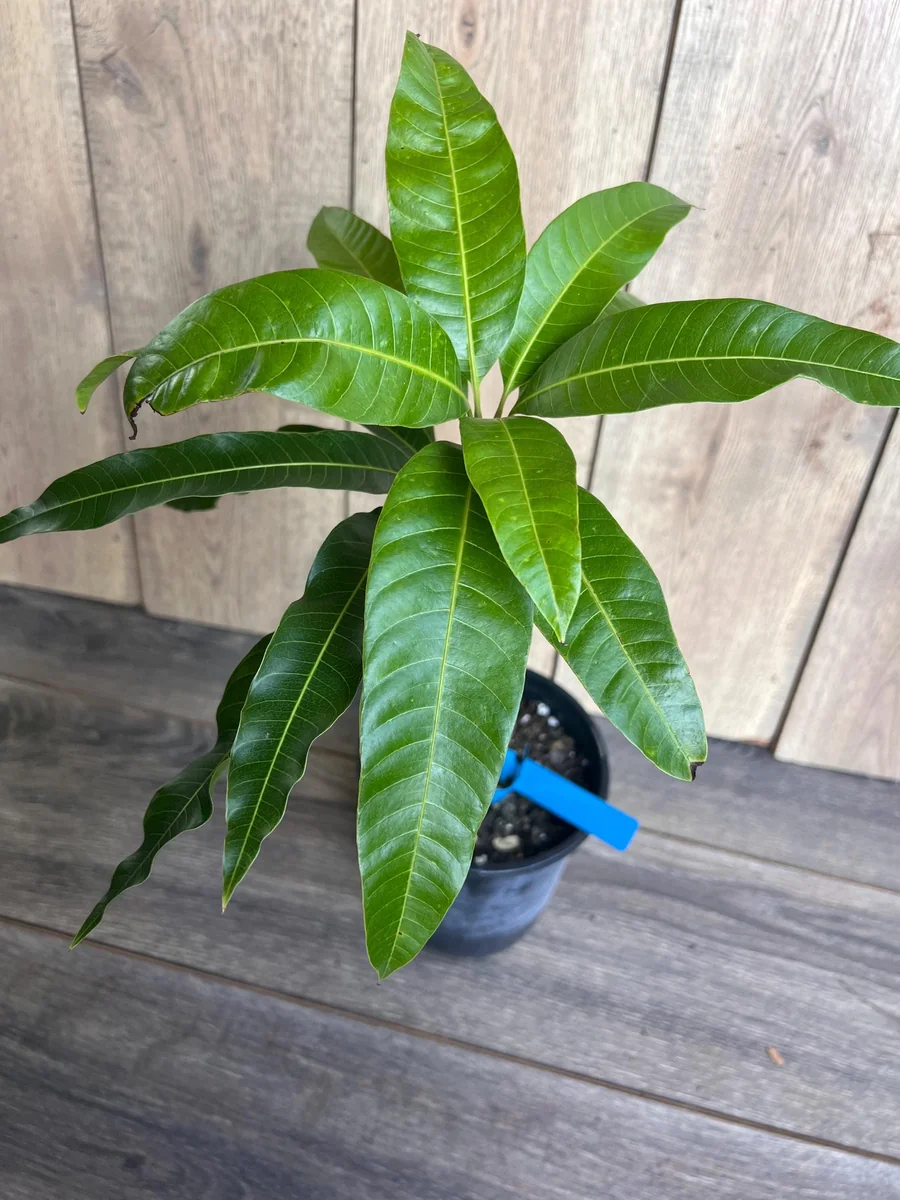
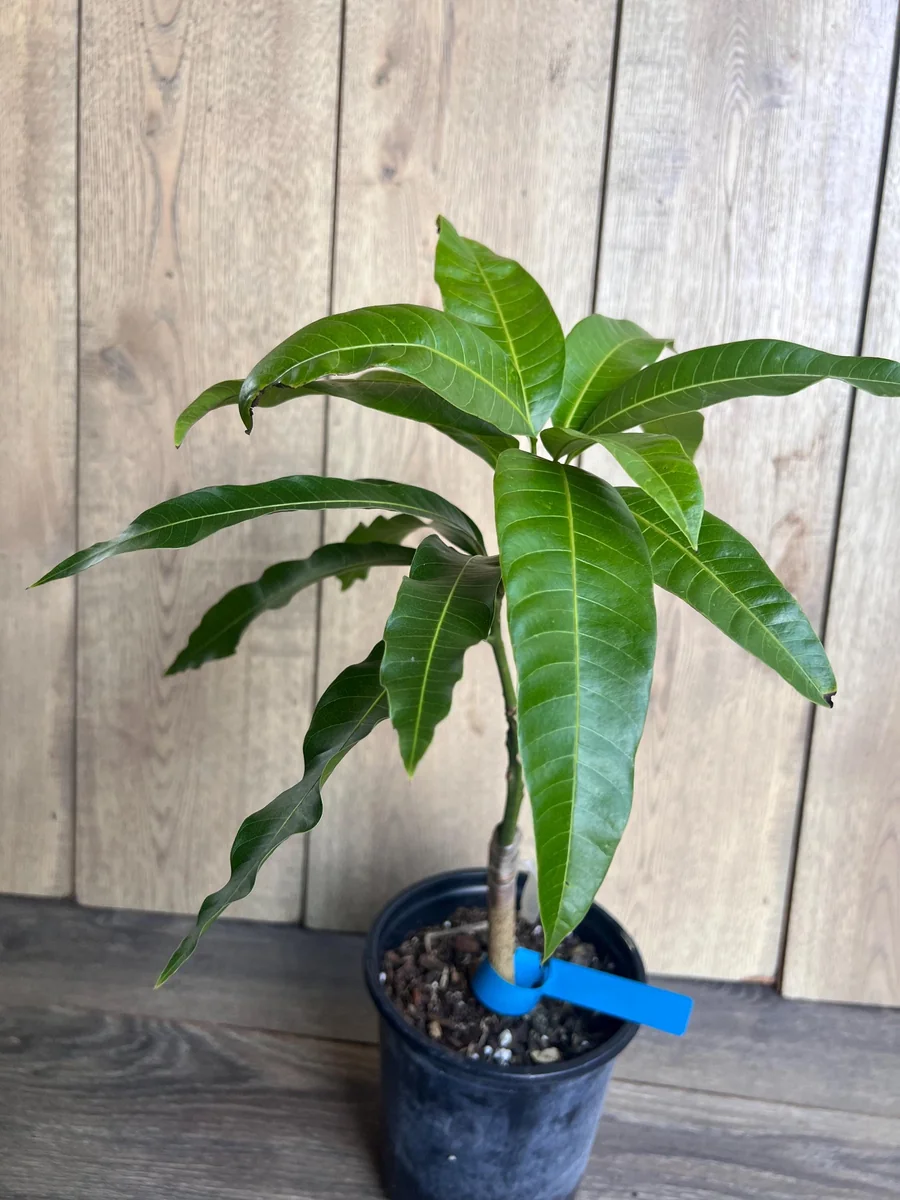
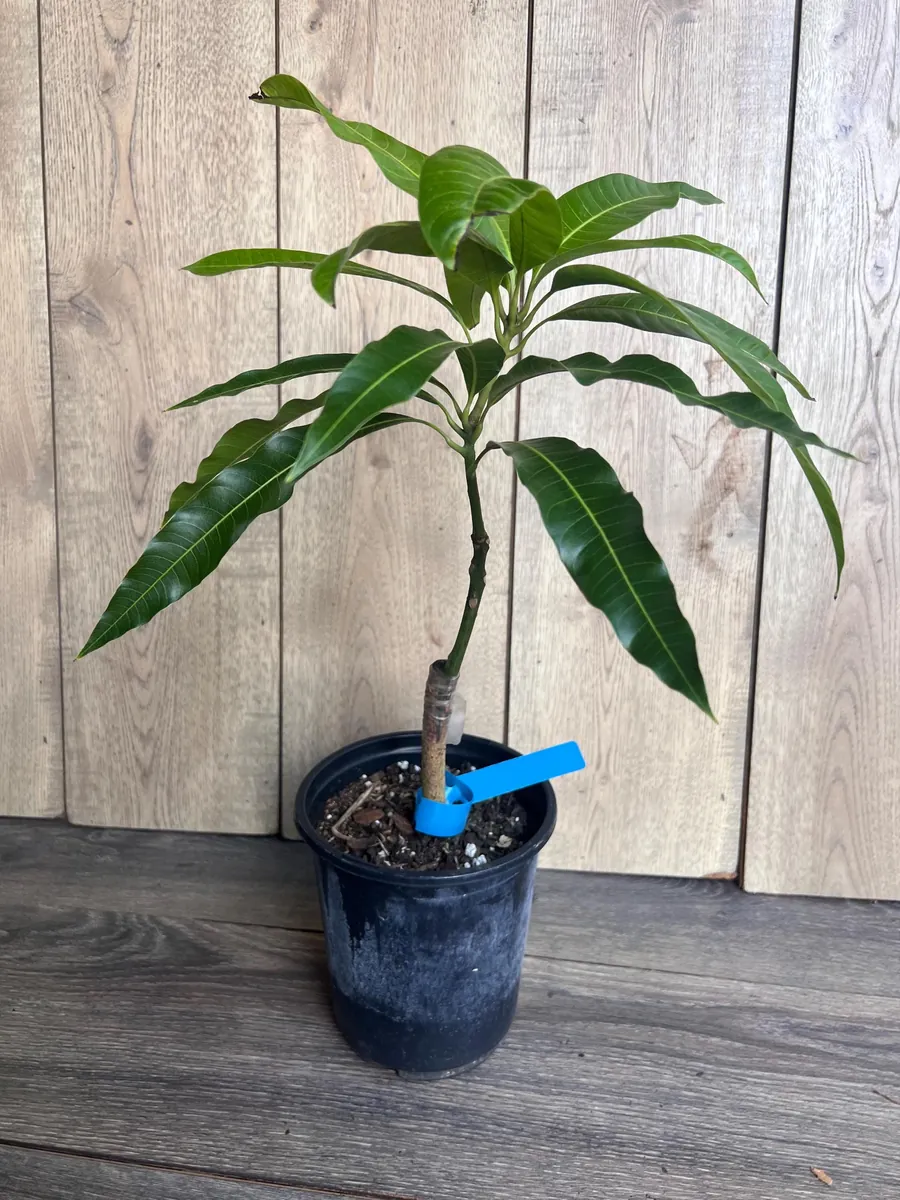
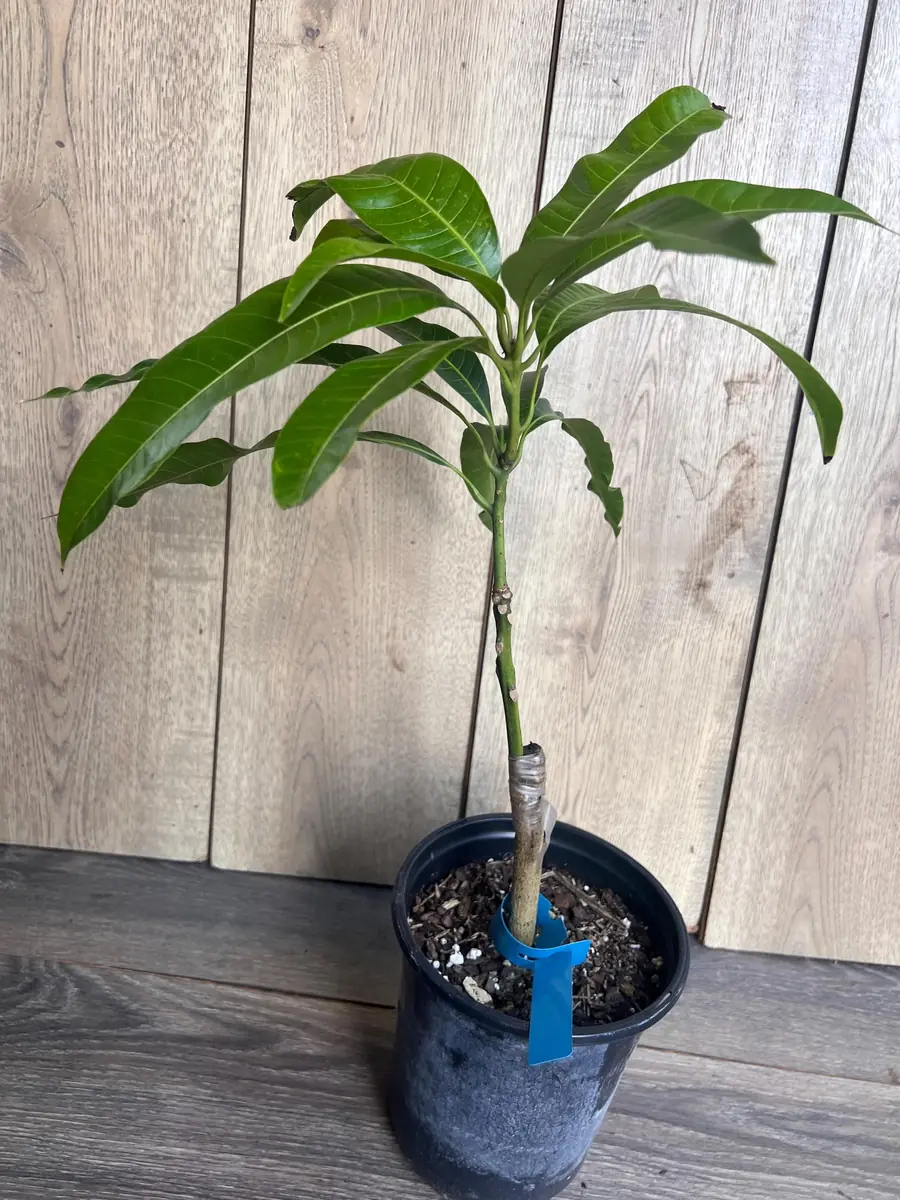
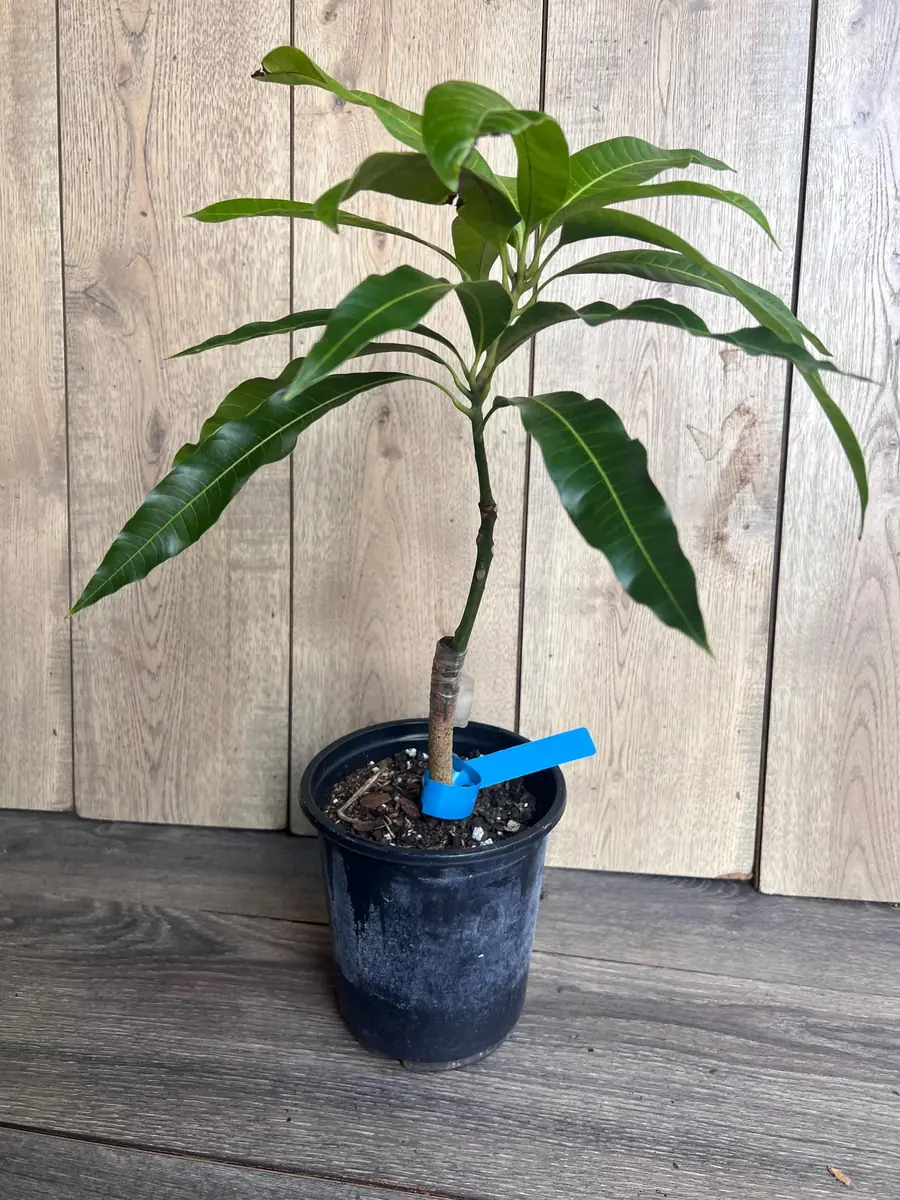
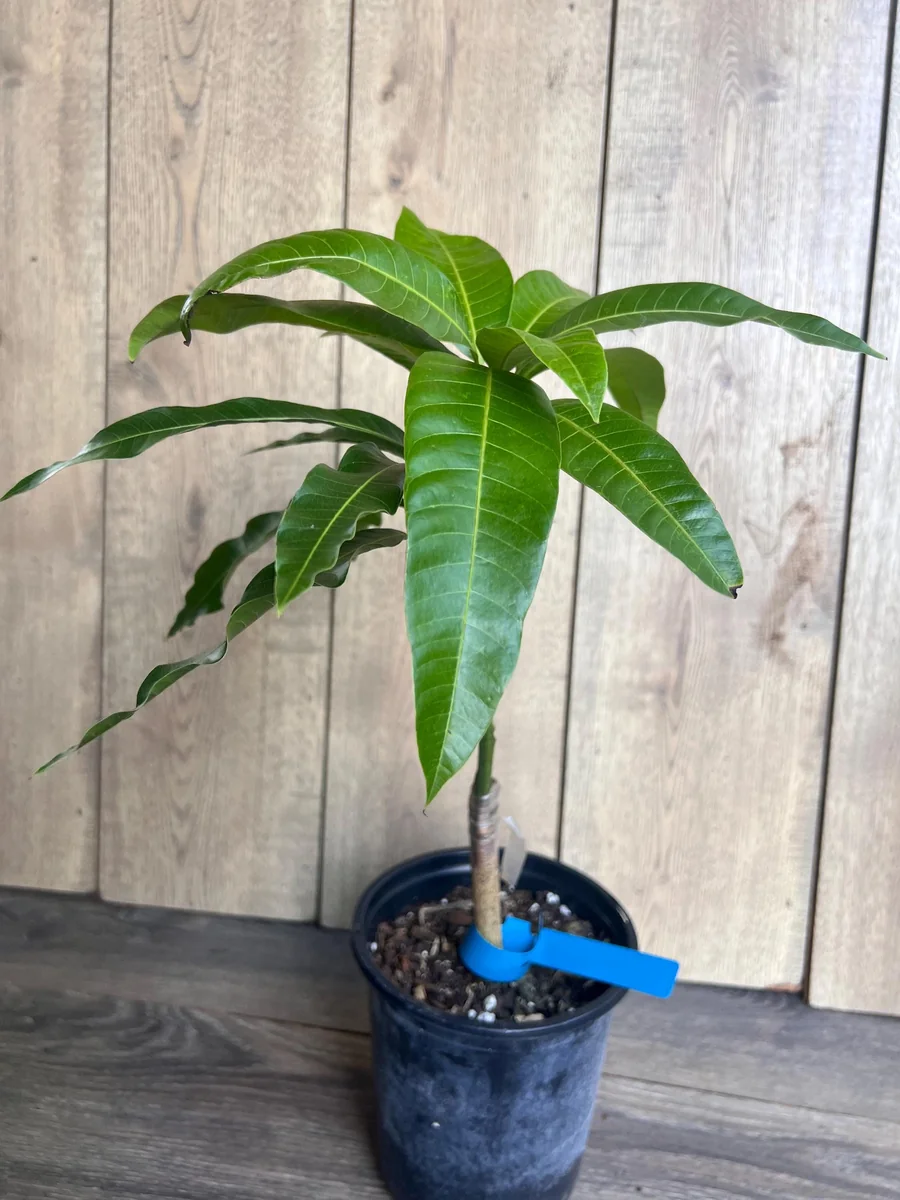
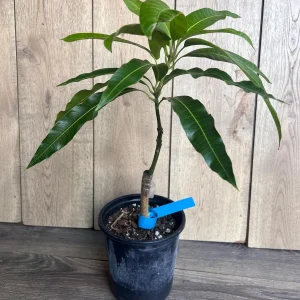
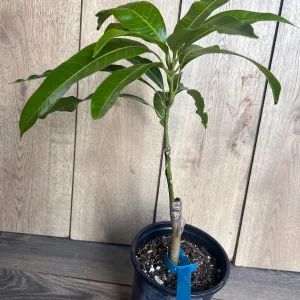
This Manila mango live plant is supplied in a 1/2 gallon pot, providing a well-established root system ready for transplanting into a larger container or directly into your garden. The plant’s initial height will vary, but it is typically a young, healthy specimen selected for optimal growth. Manila mango trees are known for their moderate growth rate, eventually reaching heights of 15-20 feet in ideal conditions, though they can be kept smaller with regular pruning, especially when grown in containers. Expect your Ataulfo mango tree to begin fruiting within 2-4 years under proper care, offering a rewarding wait for its delicious harvest.
Our grafted mango tree ensures genetic purity and faster fruiting compared to seed-grown plants. The 1/2 gallon pot size makes it easy to handle and establish. These trees are typically deciduous in cooler climates, shedding leaves during dormancy, but evergreen in consistently warm, tropical environments. With its potential for abundant harvests and beautiful foliage, this Honey mango plant is a valuable addition to any home orchard or garden.
Frequently Asked Questions
- Q: How big will my Manila mango live plant get? A: In ideal outdoor conditions, a Manila mango tree can grow 15-20 feet tall. However, if grown in a container, its size can be managed with regular pruning to suit your space.
- Q: What size pot does it come in? A: This grafted mango tree is shipped in a 1/2 gallon nursery pot, providing a healthy start for your new plant. You will need to transplant it into a larger pot or your garden.
- Q: Is this an indoor or outdoor plant? A: While Manila mango live plant thrives outdoors in USDA Zones 9-11, it can be grown indoors in a large container in cooler climates, provided it receives ample sunlight and protection from cold.
- Q: How much sunlight does a Ataulfo mango tree need? A: These trees require a minimum of 6-8 hours of direct full sun per day to produce fruit and grow vigorously. Less light may result in reduced fruit production.
- Q: Is this plant easy to care for? A: While not entirely hands-off, with consistent watering, proper fertilization, and protection from cold, a Honey mango plant is relatively straightforward to care for, especially for those with some gardening experience.
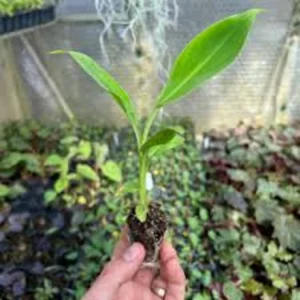
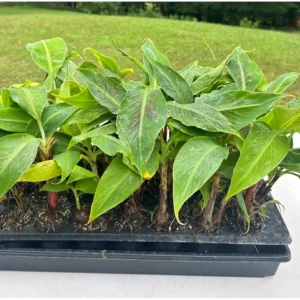
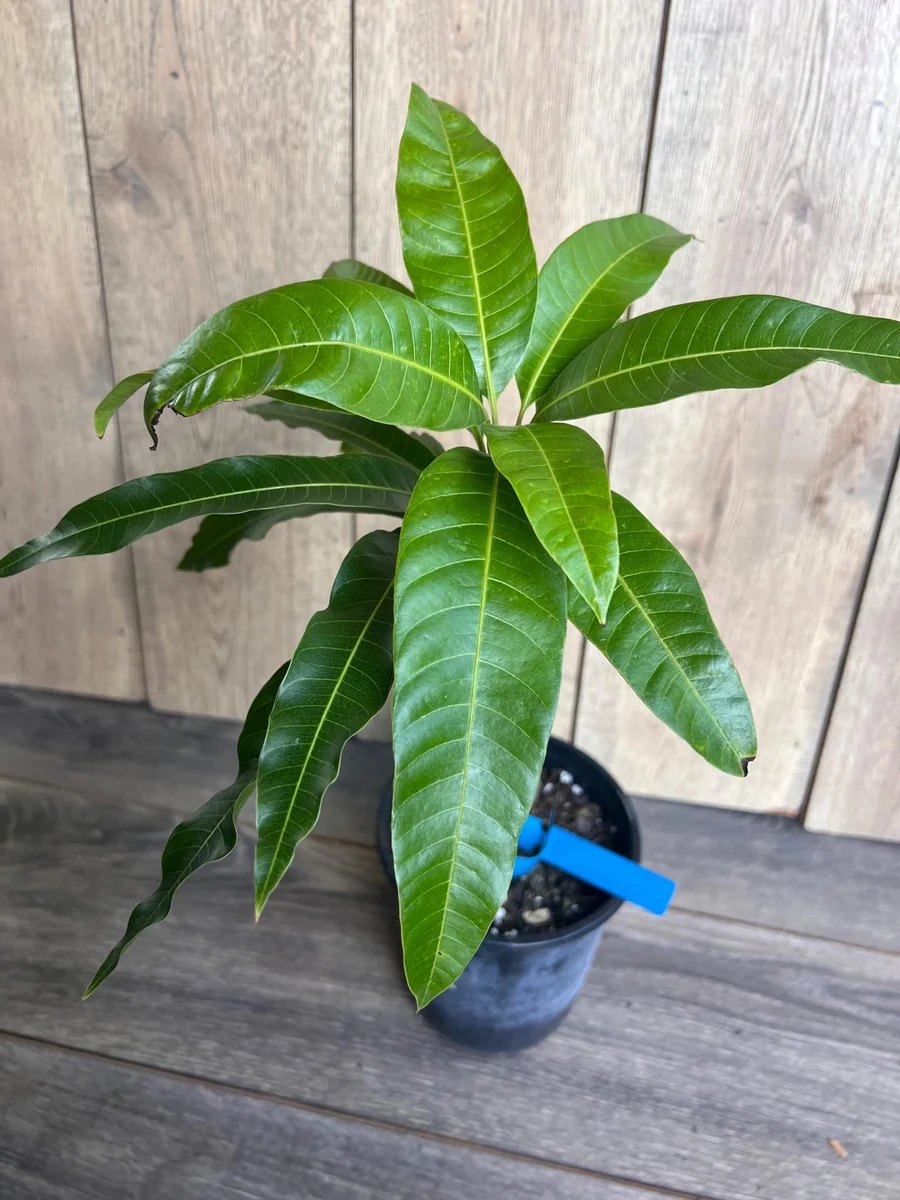
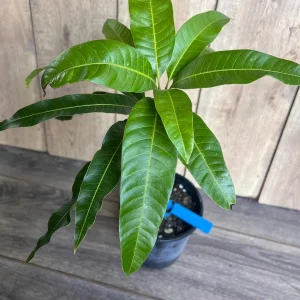
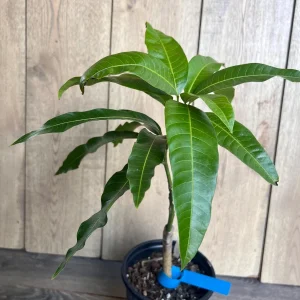
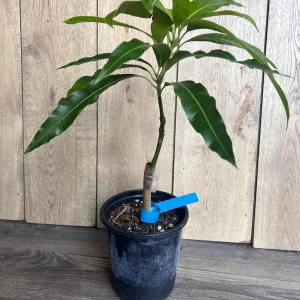
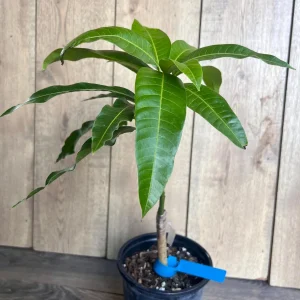
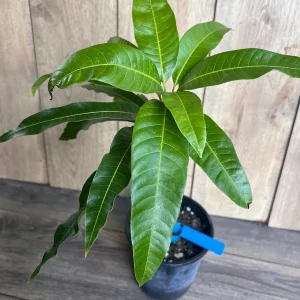
- Q: What condition will it arrive in? A: Your Manila mango live plant will arrive as a healthy, well-rooted young tree, carefully packaged to ensure its safe journey. It will be similar to the pictures shown.
- Q: How long until it blooms and fruits? A: As a grafted mango tree, you can typically expect your plant to start blooming and producing fruit within 2-4 years after planting, given proper care and ideal growing conditions.
- Q: What’s the minimum temperature this tropical fruit plant can tolerate? A: Manila mango trees are sensitive to cold and can be damaged by temperatures below 30°F (-1°C). They thrive best in temperatures above 60°F (15°C).
- Q: What kind of soil is best for a Ataulfo mango tree? A: A well-draining, loamy soil with a slightly acidic to neutral pH (6.0-7.0) is ideal. Amending with organic matter can improve drainage and fertility.
- Q: Can I grow this Honey mango plant in a small space? A: Yes, while they can grow large, Manila mango trees respond well to pruning and can be successfully grown in large containers on patios or in smaller garden spaces.


Reviews
There are no reviews yet.