Overview
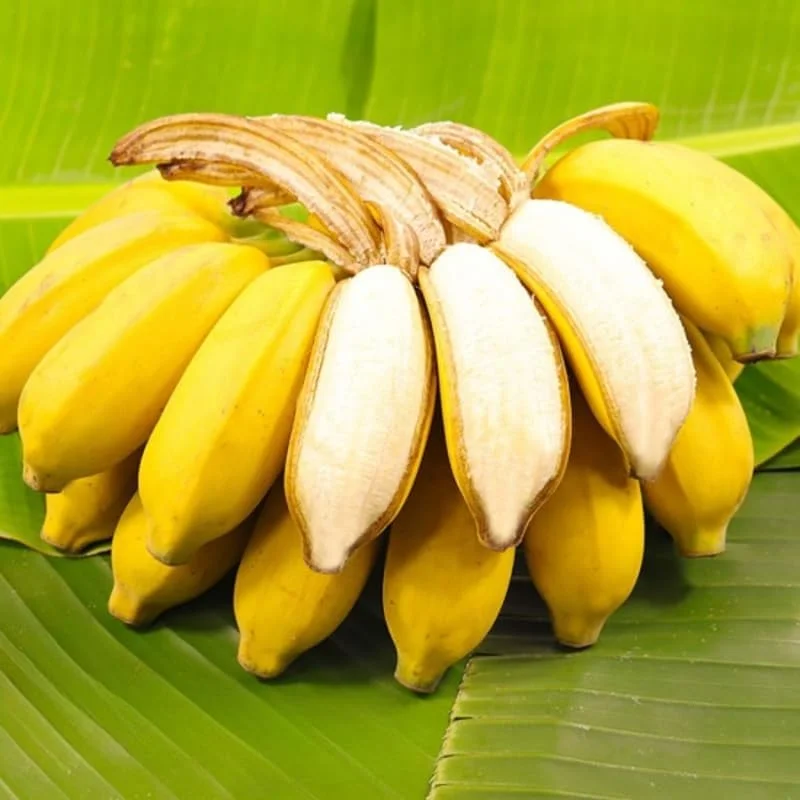
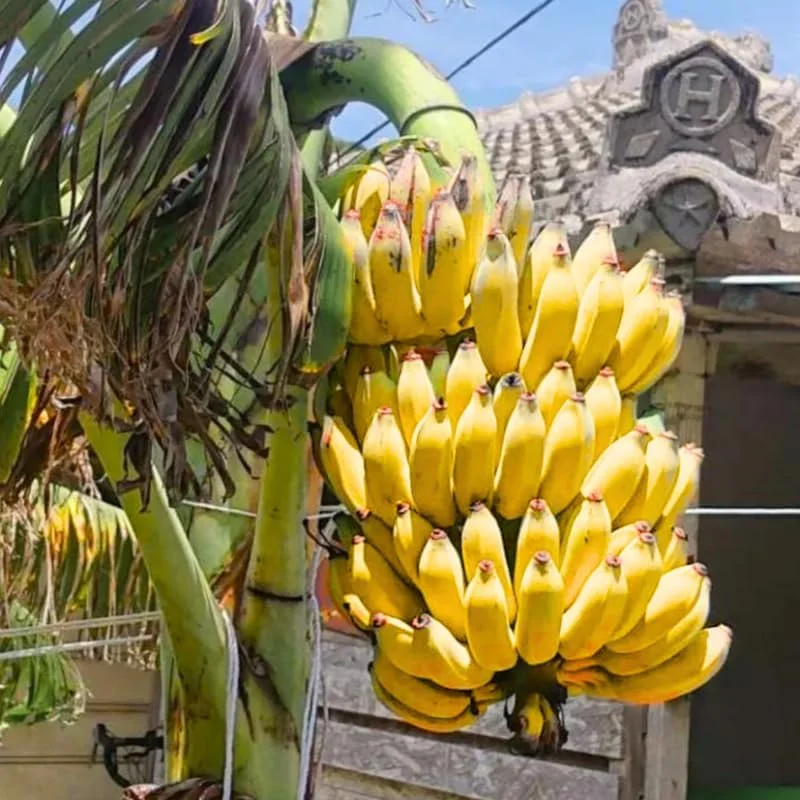
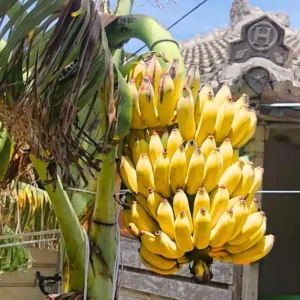
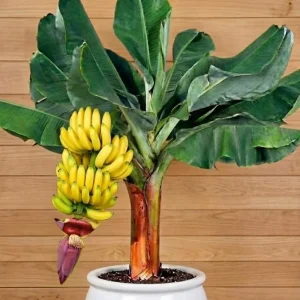
Bring the tropics to your home garden with the incredible Grand Nain banana live plant. This popular varietal of Musa acuminata is renowned for its vigorous growth and the production of sweet, seedless bananas, often found in grocery stores. Unlike some other banana varieties, the Grand Nain is a relatively compact grower, making it suitable for a wider range of garden sizes or even large containers. It’s a fantastic choice for anyone looking to enjoy fresh, homegrown tropical fruit. This particular Musa banana tree is a live specimen, ready to be planted and begin its journey of growth in your care. Its rapid growth rate means you won’t have to wait long to see significant development and, eventually, a bountiful harvest.
The Grand Nain is a favorite among commercial growers and home enthusiasts alike due to its productivity and delicious fruit. Known for being a “Cavendish” type, its bananas are sweet, creamy, and perfect for eating fresh, baking, or smoothies. This tropical fruit tree is a fantastic addition to edible landscapes, providing both aesthetic beauty with its large, lush leaves and the practical benefit of homegrown produce. With proper care, your Grand Nain banana live plant will thrive, transforming your garden into a productive oasis.
Key Benefits
The Grand Nain banana live plant offers a multitude of benefits for the enthusiastic gardener, combining aesthetic appeal with practical yields. Its robust nature and delicious fruit make it a highly rewarding plant to cultivate.
- Abundant, Delicious Fruit: Enjoy a continuous supply of sweet, seedless bananas directly from your garden. The Grand Nain is known for its high yield and excellent fruit quality, providing a consistent year-round harvest banana in ideal conditions.
- Fast-Growing & Productive: This variety is celebrated for its rapid growth, meaning you’ll see significant development and fruit production sooner than with many other fruit trees. Its vigorous nature ensures a healthy, thriving plant.
- Cold Hardy Nature: While a tropical plant, the Grand Nain exhibits a notable degree of cold hardiness, making it suitable for a broader range of climates (USDA Zones 8-12). This resilience allows more gardeners to successfully grow this Musa banana tree outdoors.
- Lush Tropical Aesthetic: With its large, vibrant green leaves, the Grand Nain banana plant adds a dramatic, tropical flair to any landscape or patio. It creates a stunning focal point and a sense of exotic beauty.
- Versatile Planting Options: Whether planted directly in the ground in warmer zones or grown in a large container in cooler regions, this tropical fruit tree adapts well. Container growing allows for easy relocation during colder months.
- Easy to Maintain: Despite its exotic appearance, the Grand Nain is relatively low-maintenance once established, requiring consistent watering and feeding. Its robust health simplifies the gardening process.
- Health Benefits of Fresh Fruit: Growing your own bananas ensures you have access to fresh, nutritious fruit packed with potassium and other essential vitamins, directly from your backyard.
Plant Care & Growing Tips
Caring for your Grand Nain banana live plant is a rewarding experience, leading to bountiful harvests of delicious fruit. Understanding its specific needs for sunlight, water, and soil will ensure its vigorous growth and productivity. This Musa banana tree thrives in conditions that mimic its tropical origin, but its adaptability makes it a popular choice for many gardeners.
Sunlight Requirements: The Grand Nain banana plant flourishes in full sun, meaning it needs at least 6-8 hours of direct sunlight per day. In extremely hot climates, some afternoon shade can be beneficial to prevent leaf scorch. If growing indoors or in a container, place it in the brightest spot available, ideally near a south-facing window. Insufficient light will lead to slower growth and reduced fruit production.
Watering Schedule & Soil Moisture: Bananas are thirsty plants. Consistent and ample watering is crucial, especially during warm weather and active growth periods. The soil should remain consistently moist but never waterlogged. Allow the top inch or two of soil to dry out slightly between waterings, but avoid letting the plant become completely dry. Overwatering can lead to root rot, so ensuring good drainage is key. A thick layer of mulch around the base can help retain soil moisture and regulate temperature.
Soil Type & Drainage: This tropical fruit tree prefers rich, well-draining soil with a slightly acidic to neutral pH (6.0-7.0). A sandy loam enriched with plenty of organic matter is ideal. If planting in a container, use a high-quality potting mix that drains well. Good drainage is paramount to prevent waterlogging and root issues. Amending heavy clay soils with compost and sand can significantly improve their suitability for banana cultivation.
Temperature Range & USDA Hardiness Zone: The Grand Nain is considered a cold hardy banana, thriving outdoors in USDA Zones 8-12. It prefers temperatures between 75°F and 95°F (24°C-35°C). While it can tolerate brief dips below freezing, prolonged cold will damage or kill the plant. In colder zones, it can be grown in large containers and moved indoors during winter, or treated as an annual. Protect the pseudostem in winter for better chances of survival in Zone 8.
Fertilization Schedule & Type: Bananas are heavy feeders. Fertilize regularly during the growing season (spring through fall) with a balanced, slow-release fertilizer or a liquid feed high in potassium. A typical schedule might involve fertilizing every 4-6 weeks. Look for formulations specifically designed for fruit-bearing plants. Reduce or stop fertilization during dormant periods or when temperatures are cool. Proper nutrition is vital for a robust year-round harvest banana.
Common Problems & Solutions: Watch out for common pests like spider mites and aphids, which can be treated with insecticidal soap. Fungal diseases can occur in overly wet conditions; ensure good air circulation and avoid overhead watering. Yellowing leaves can indicate nutrient deficiency or overwatering. Regularly inspect your Grand Nain banana live plant for any signs of distress and address issues promptly.
Size & Details
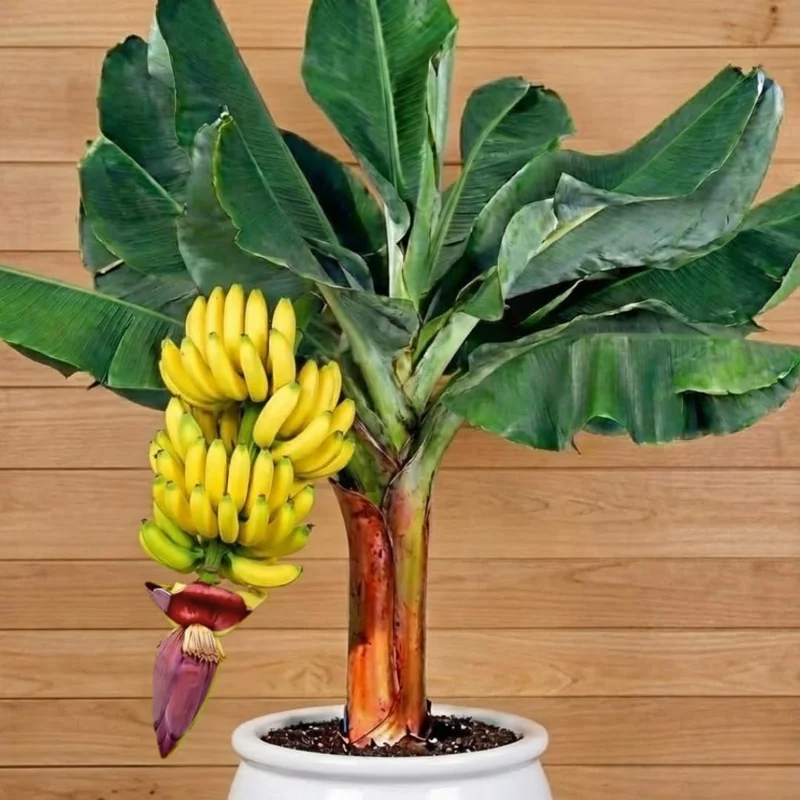
The Grand Nain banana live plant you receive will be a healthy, actively growing specimen, ready for transplanting into your garden or a larger container. These plants are known for their fast growth rate, quickly developing into mature, fruit-bearing trees. Typically, a mature Grand Nain can reach a height of 6 to 10 feet, making it a manageable size for many home gardens, especially when compared to some taller banana varieties. It develops a thick, sturdy pseudostem and large, lush green leaves that can span several feet, creating a striking tropical presence. This tropical fruit tree is shipped as a live plant, carefully packaged to ensure its safe arrival.
While the exact time to maturity can vary based on growing conditions, a well-cared for Grand Nain banana plant can begin producing fruit within 12-18 months of planting. It offers a continuous cycle of growth and fruiting, allowing for a potential year-round harvest banana in optimal climates. The plant will produce “pups” or suckers from its base, which can be left to create a larger clump or separated to propagate new plants. Each plant is selected for its vigor and health, promising a strong start for your banana-growing adventure.
Frequently Asked Questions
- Q: How big does this Grand Nain banana live plant get? A: A mature Grand Nain banana plant typically reaches a height of 6 to 10 feet. Its relatively compact size makes it a popular choice for home gardens and container growing, offering a good balance between productivity and manageability.
- Q: Is this an indoor or outdoor plant? A: This Musa banana tree is primarily an outdoor plant, thriving in warm, tropical, and subtropical climates (USDA Zones 8-12). In colder regions, it can be grown in a large container and brought indoors during the winter months to protect it from frost.
- Q: How much sunlight does a tropical fruit tree need? A: The Grand Nain banana plant requires full sun, meaning at least 6-8 hours of direct sunlight per day. Adequate sunlight is crucial for vigorous growth and abundant fruit production.
- Q: Is this plant easy to care for? A: Yes, once established, the Grand Nain banana plant is considered relatively easy to care for. It primarily requires consistent watering, regular feeding, and protection from frost in colder climates. It’s a great option for gardeners looking for a rewarding tropical plant.
- Q: What condition will the cold hardy banana plant arrive in? A: Your plant will arrive as a live, healthy, actively growing specimen, carefully packaged to minimize stress during transit. It will be ready for immediate planting upon arrival.
- Q: How long until it produces fruit? A: With optimal growing conditions and care, a Grand Nain banana live plant can begin producing fruit within 12 to 18 months after planting. The specific timeline can vary depending on climate and cultural practices.
- Q: Will it survive winter in my zone? A: The Grand Nain is a cold hardy banana, suitable for outdoor planting in USDA Zones 8-12. In Zone 8, winter protection may be needed. In zones colder than 8, it must be brought indoors or extensively protected during winter.
- Q: Can I get a year-round harvest banana from this plant? A: In consistently warm, tropical climates (like Florida or Southern California), it is possible to achieve a near year-round harvest banana. In other regions, fruiting will be seasonal, typically from late summer into fall.
- Q: What kind of soil does it prefer? A: This banana plant thrives in rich, well-draining soil with plenty of organic matter. A slightly acidic to neutral pH (6.0-7.0) is ideal. Good drainage is essential to prevent root issues.
- Q: Is this variety seedless? A: Yes, the Grand Nain is a seedless banana variety, producing the sweet, creamy fruit that is commonly enjoyed and found in grocery stores.


Reviews
There are no reviews yet.