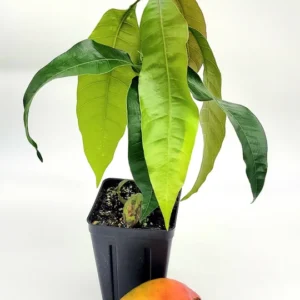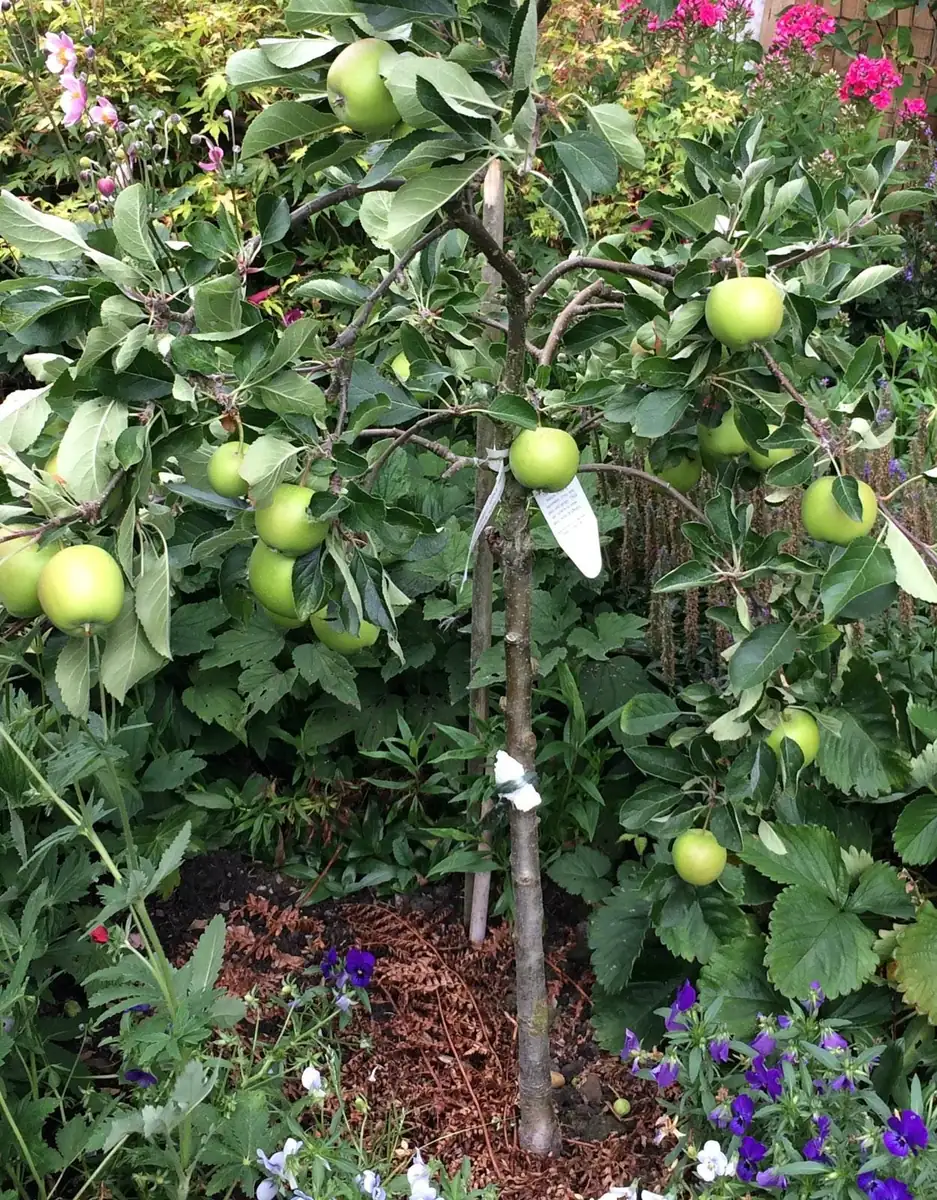
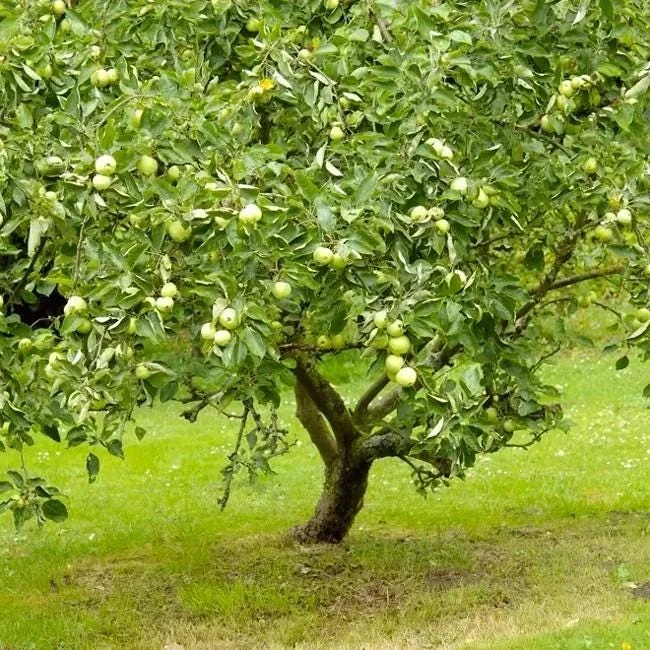
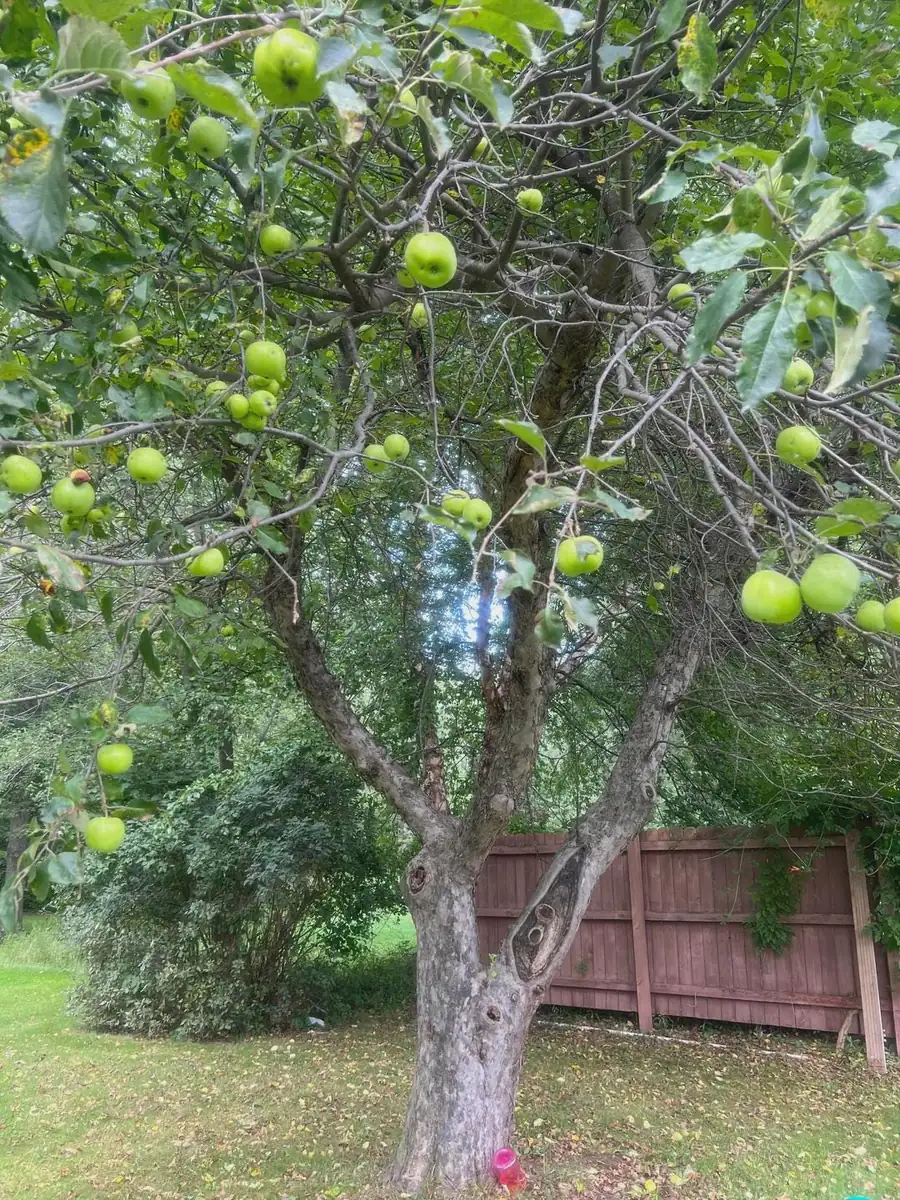
Overview
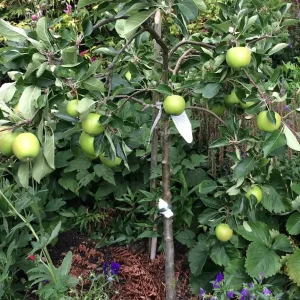
Cultivate your own delicious, crisp fruit with a granny smith apple tree. This historic and beloved apple variety is renowned for its vibrant green skin, firm texture, and balanced sweet-tart flavor, making it a favorite for both fresh consumption and culinary applications. Our grafted apple tree ensures a strong, healthy start, providing you with a reliable foundation for bountiful harvests. Originating in Australia around 1868, the Granny Smith has become a global standard for quality and versatility. This live plant will arrive ready for planting, eager to establish itself in your garden and begin its journey towards producing delectable fruit.
Whether you dream of homemade apple pies, refreshing caramel apples, or simply enjoying a nutritious snack straight from the branch, this granny smith apple tree is an excellent choice. It’s a medium to large-sized apple that boasts exceptional storage capabilities, allowing you to enjoy your harvest for up to six months under proper conditions. Experience the satisfaction of nurturing a fruit tree that not only beautifies your landscape but also provides a continuous supply of wholesome, homegrown produce.
Key Benefits
Investing in a granny smith apple tree offers a multitude of rewards, from the joy of fresh fruit to enhancing your garden’s aesthetic and productivity. Here are some of the primary advantages:
- Exceptional Flavor & Versatility: Enjoy the classic sweet-tart taste and crisp texture of Granny Smith apples, perfect for fresh eating, baking, cider making, and low-calorie snacking. Its robust flavor holds up well in various recipes.
- Long Storage Life: Granny Smith apples are one of the best-storing varieties, capable of being kept for up to six months when stored correctly, ensuring a lasting supply from your harvest.
- Beautiful Spring Blooms: In spring, your grafted apple tree will burst forth with pretty white blossoms, adding ornamental beauty to your garden before the fruit even begins to form.
- Heat Tolerant & Adaptable: This variety is known for its heat tolerance, making it suitable for a wider range of climates. It thrives in full sun locations, adapting well to various garden settings.
- Self-Fertile Potential: While cross-pollination with another apple variety (like Gala, Fuji, or Honeycrisp) is recommended for optimal yield, the Granny Smith shows some self-fertility, offering flexibility for smaller gardens.
- Sustainable & Rewarding: Growing your own fruit contributes to a more sustainable lifestyle and provides the immense satisfaction of harvesting fresh, organic produce directly from your backyard.
- Excellent for Culinary Creations: The firm texture of Granny Smith apples makes them ideal for pies, tarts, and other cooked dishes, as they maintain their shape and flavor beautifully. This is key when considering growing apple trees for baking.
Plant Care & Growing Tips
Proper care is essential for a thriving granny smith apple tree that yields abundant fruit. These trees generally require consistent attention, particularly in their early years, to establish a strong root system and healthy growth. They are best suited for loamy, well-drained soils, which are crucial for preventing root rot and ensuring good nutrient uptake. When considering apple tree care, soil quality is paramount. Aim for a soil pH between 6.0 and 7.0 for optimal performance. Ensure the planting site receives adequate sunlight, as described below.
For sunlight exposure, the granny smith apple tree thrives in full sun, meaning it needs at least 6-8 hours of direct sunlight per day. While it can tolerate some partial sun, full sun exposure is critical for maximizing fruit production and ensuring the best flavor development. Watering should be consistent, especially during dry spells and when the fruit is developing. The soil should be kept moist but not waterlogged. Deep watering encourages deep root growth, which makes the tree more resilient. Fertilize in early spring with a balanced fruit tree fertilizer, following package instructions based on the tree’s age and size. Pruning is also a vital part of growing apple trees; prune in late winter to remove dead or diseased branches, improve air circulation, and shape the tree for better fruit production.
The Granny Smith apples ripen in late October, offering a late-season harvest. While the tree is considered self-fertile, pairing it with another apple variety like Gala, Golden or Red Delicious, Fuji, Honeycrisp, or a Profusion Crabapple tree will significantly enhance fruit quantity and quality due to cross-pollination. This cross-pollination strategy is a key aspect of advanced apple tree care. Monitor for common apple tree pests and diseases, and address them promptly with appropriate organic or conventional treatments to maintain tree health.
Size & Details
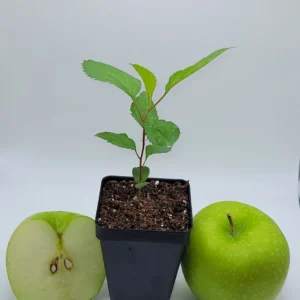
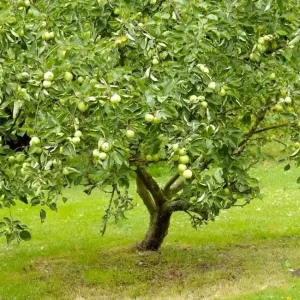
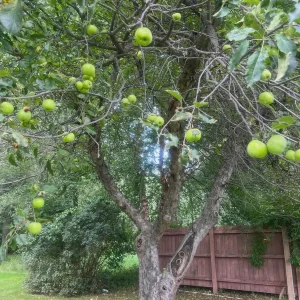
This granny smith apple tree is a live, grafted fruit tree, typically arriving at a height of 2-3 feet tall. It is shipped in a 1-gallon nursery pot, providing a well-established root system for successful transplanting into your garden or a larger container. These vigorous trees can reach a mature height of 12-15 feet and a spread of 10-12 feet, though they can be kept smaller with proper pruning. Growth rate is moderate, allowing the tree to establish itself firmly before reaching full maturity.
Expect beautiful white blooms in spring, promising a harvest of ripe fruit by October. The tree is known for its productivity, and with proper apple tree care, you can anticipate a generous yield of delicious apples each season once mature. This grafted apple tree is designed for robust growth and fruit production, making it an excellent long-term investment for your home orchard or garden.
Frequently Asked Questions
- Q: How big does this granny smith apple tree get? A: This granny smith apple tree typically arrives 2-3 feet tall in a 1-gallon pot. At maturity, it can reach heights of 12-15 feet with a spread of 10-12 feet, though its size can be managed with regular pruning.
- Q: Is this an indoor or outdoor plant? A: The granny smith apple tree is an outdoor plant, best suited for planting directly in the ground where it has space to grow and receive adequate sunlight. It is not suitable for long-term indoor cultivation.
- Q: How much sunlight does the apple tree need? A: This fruit tree thrives in full sun, requiring at least 6-8 hours of direct sunlight per day for optimal growth and fruit production. Proper light is crucial for effective growing apple trees.
- Q: Is this tree easy to care for? Is it good for beginners? A: While apple tree care requires some attention to watering, pruning, and potential pest management, it is generally manageable for beginner to intermediate gardeners with a bit of research and dedication.
- Q: What condition will the grafted apple tree arrive in? A: Your grafted apple tree will arrive as a live plant, well-rooted in a 1-gallon nursery pot, with its soil intact. It may have lost some leaves if shipped during dormancy, which is normal.
- Q: When is the best time to plant this granny smith apple tree? A: The best time to plant your granny smith apple tree is in early spring or late fall, when the weather is cooler and less stressful for the plant to establish its roots.
- Q: Will it survive winter in my zone? A: The Granny Smith apple tree is suitable for USDA Hardiness Zones 5-9. If you live within these zones, it should survive winter with proper care and protection in the colder parts of its range.
- Q: Does the Granny Smith apple tree require a pollinator? A: While the Granny Smith is considered self-fertile, cross-pollination with another apple variety like Gala, Fuji, or Honeycrisp is highly recommended to ensure the highest quality and quantity of fruit. This is a key aspect of successful growing apple trees.
- Q: How long until it blooms and produces fruit? A: Your grafted apple tree may produce blooms in its first year, but typically begins to bear significant fruit within 2-5 years after planting, depending on growing conditions and care.
- Q: What kind of soil is best for growing apple trees? A: For a granny smith apple tree, well-draining, loamy soil with a pH between 6.0 and 7.0 is ideal. Good drainage is essential to prevent root issues.


Reviews
There are no reviews yet.