Overview
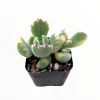
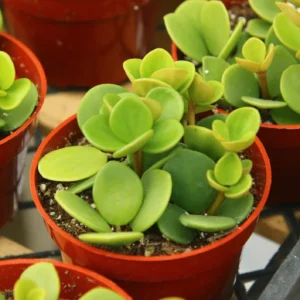
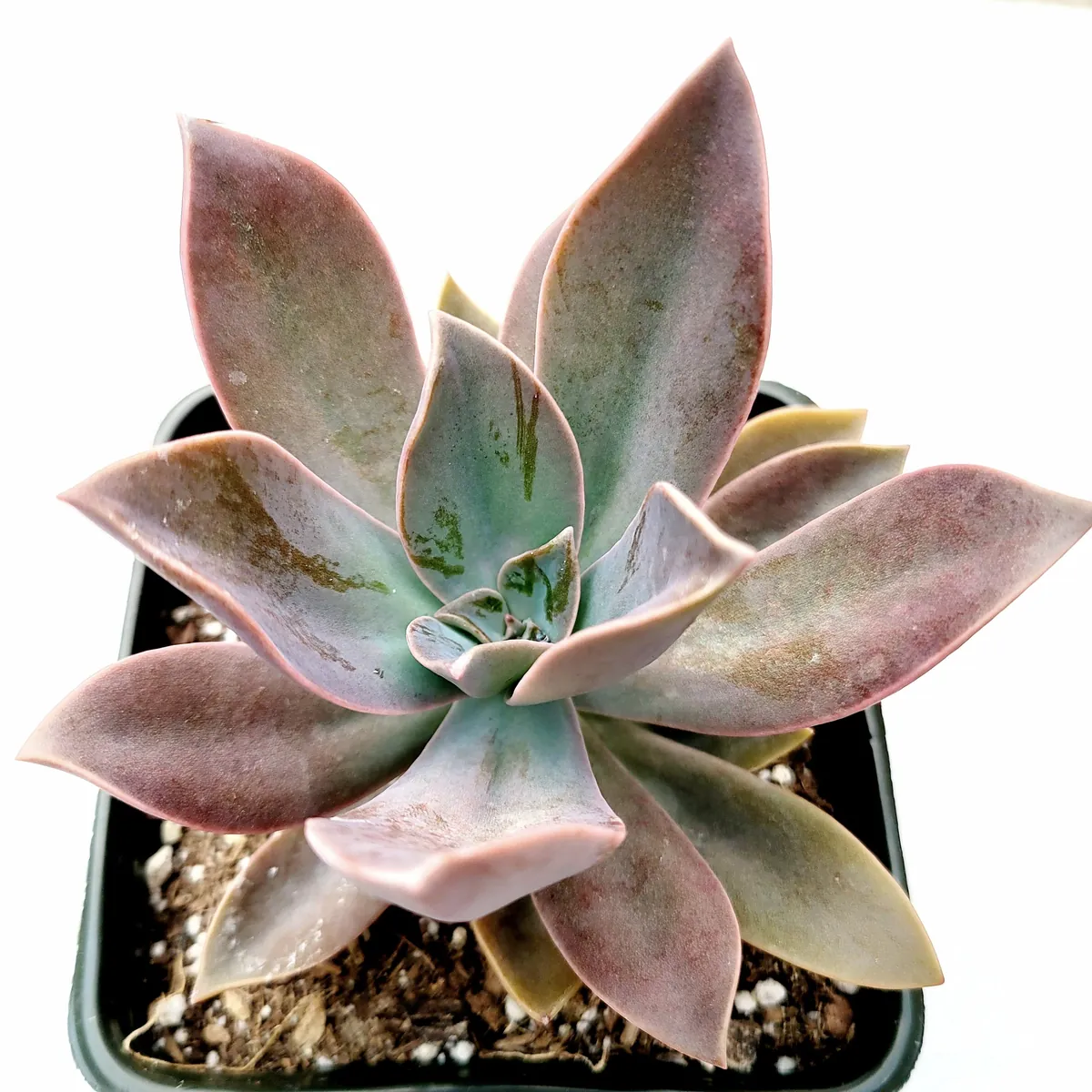
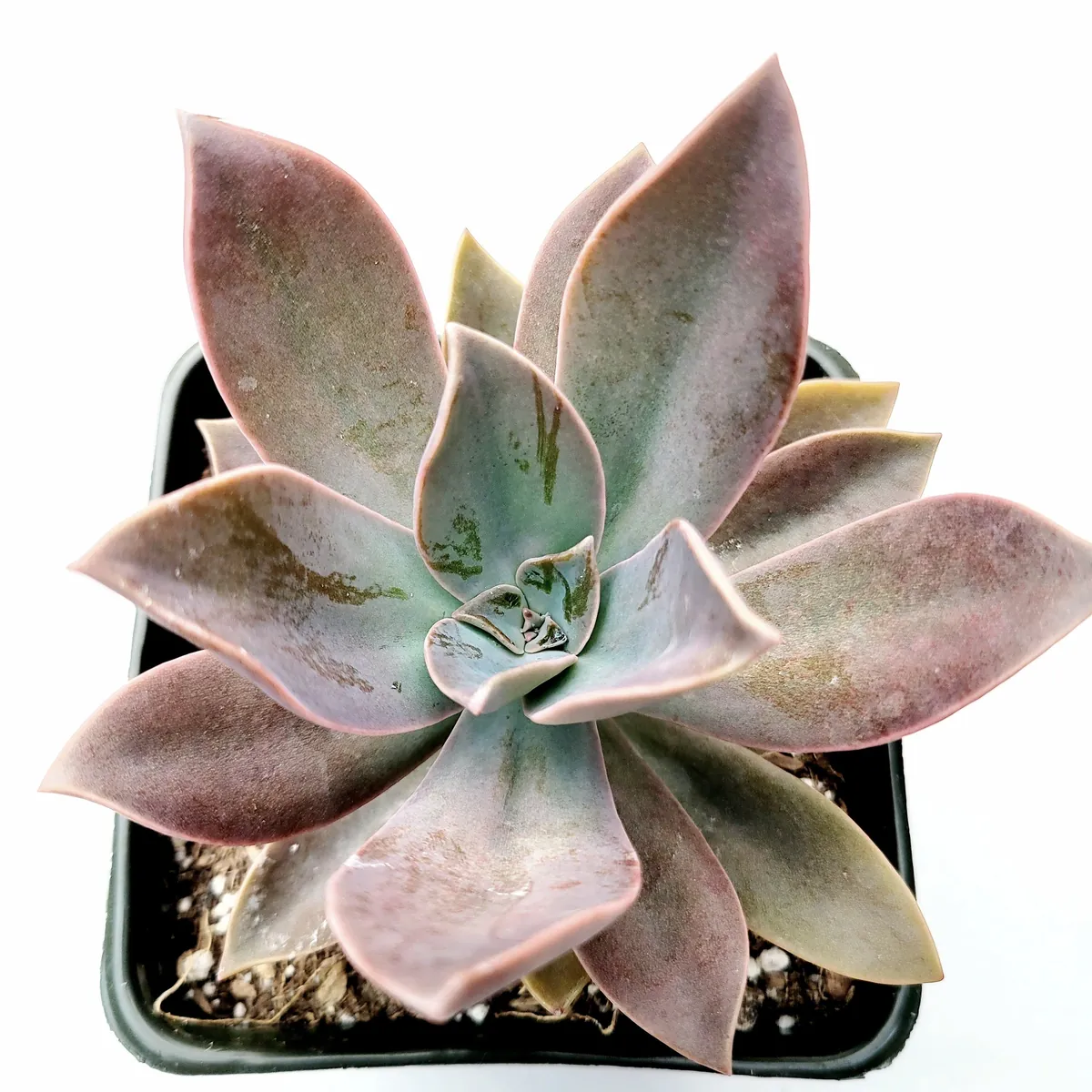
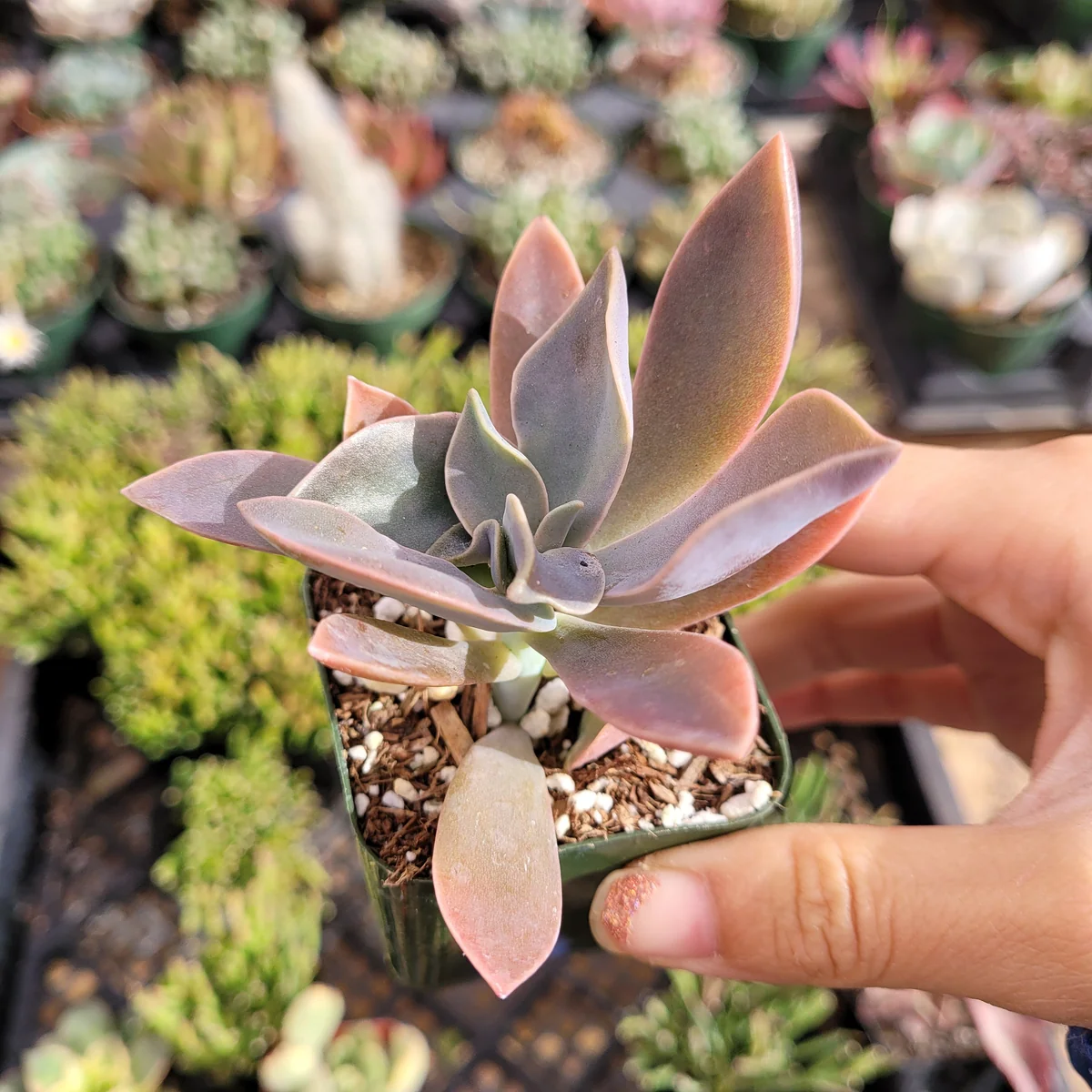
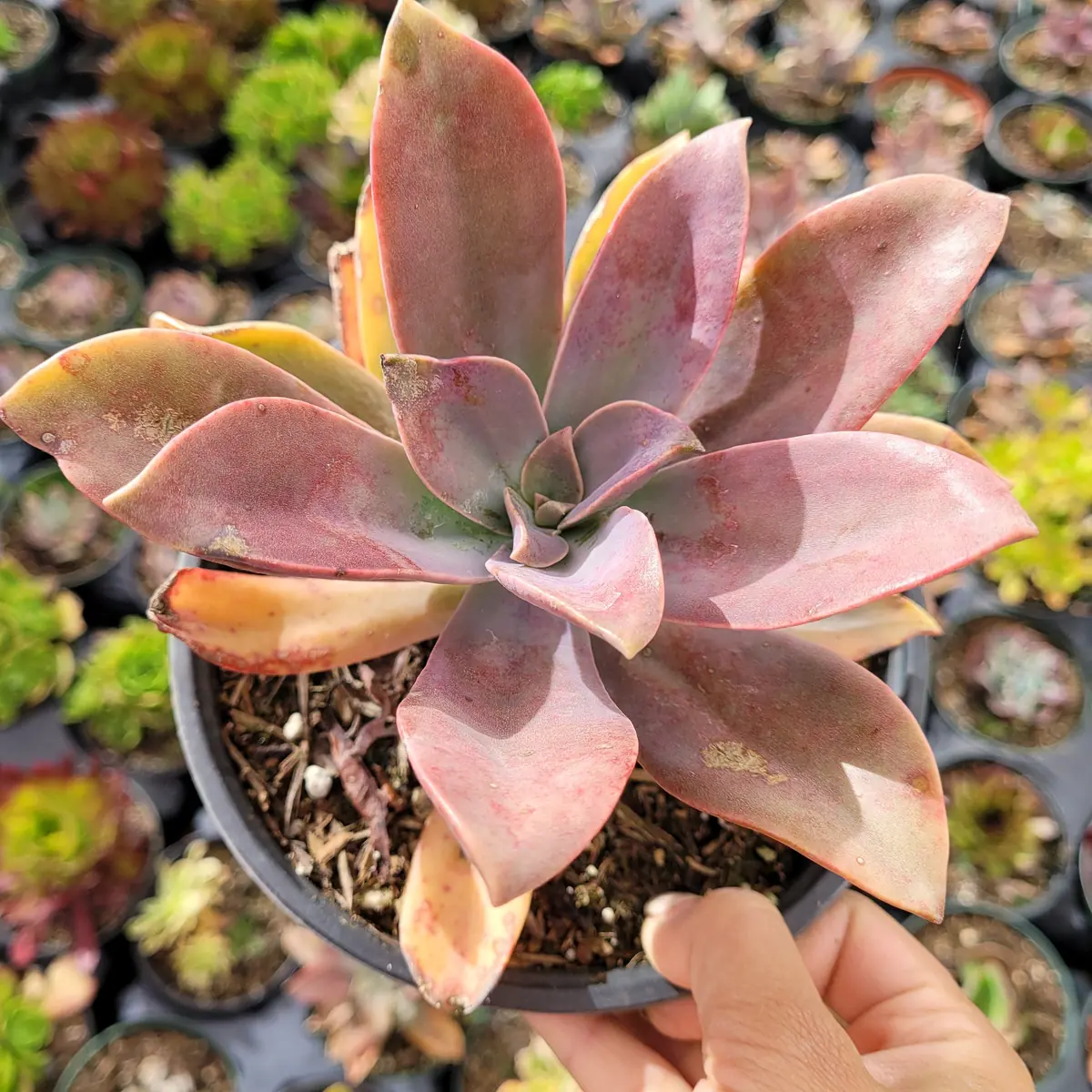
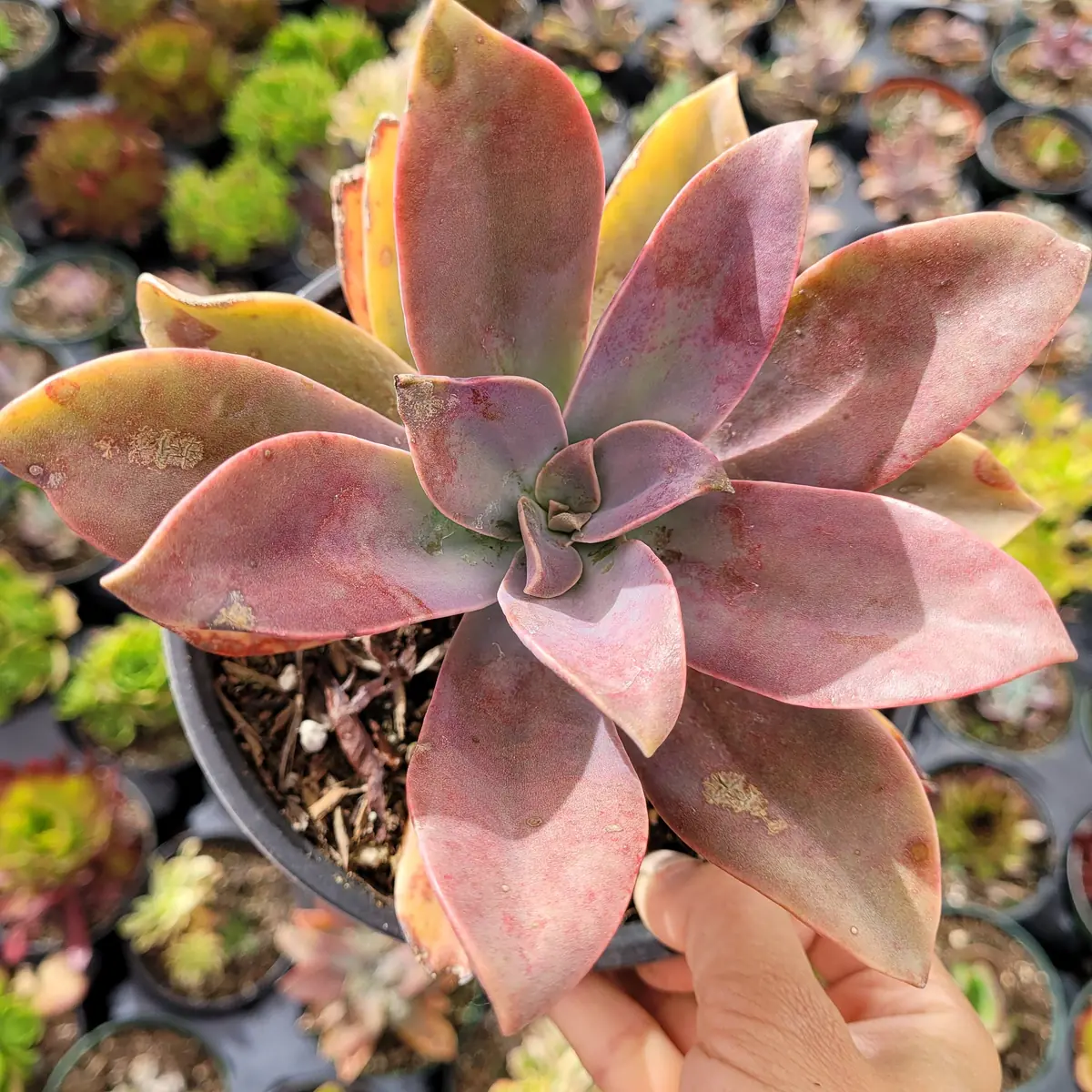
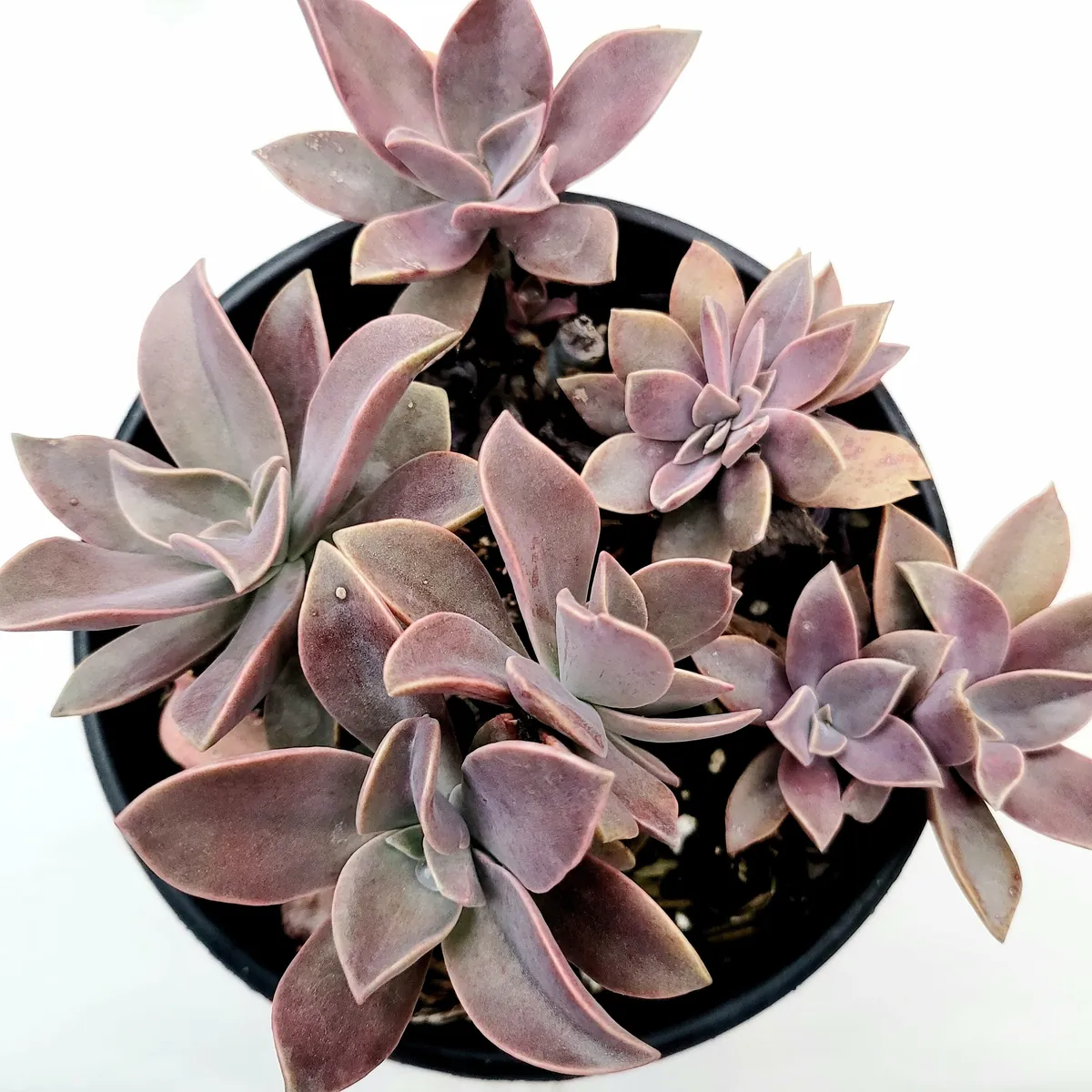
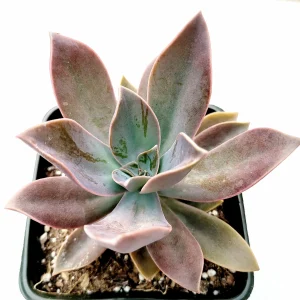
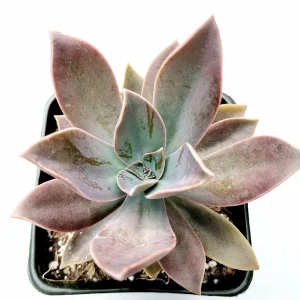
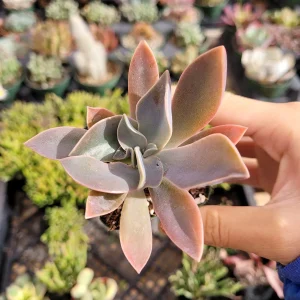
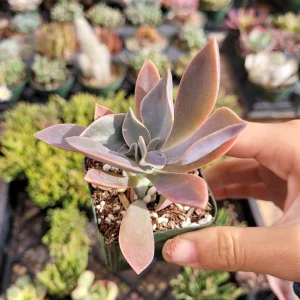
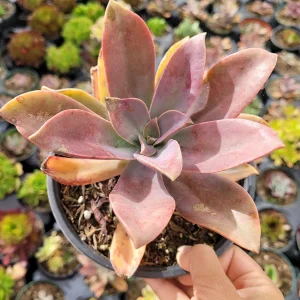
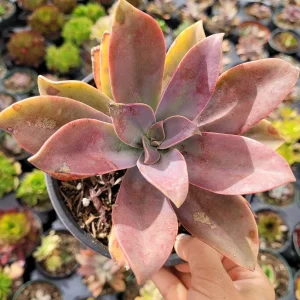
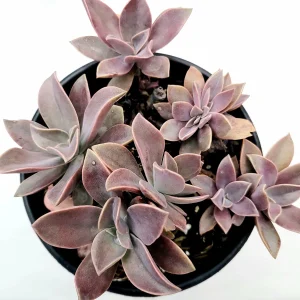
Introduce a touch of natural beauty to your home or garden with the exquisite Graptoveria Fred Ives succulent. This captivating live plant is a hybrid of Graptopetalum and Echeveria, renowned for its striking rosettes that can display a mesmerizing array of colors, from blue-green to pink, orange, and purple, especially when exposed to ample sunlight. As a drought-tolerant succulent, it’s an ideal choice for those seeking low-maintenance yet visually appealing plants. Its robust nature makes it a fantastic addition to rock gardens, succulent arrangements, or as a charming standalone potted plant. The ‘Fred Ives’ variety is particularly cherished for its dynamic appearance and ease of growth, making it a favorite among succulent enthusiasts.
This particular succulent plant types thrives in conditions that mimic its natural arid habitat, requiring infrequent watering and plenty of light. Whether you’re a seasoned gardener or just starting your plant journey, the Graptoveria Fred Ives succulent offers a rewarding experience with its resilience and ever-changing beauty. Its ability to reproduce easily also means you can propagate new plants from cuttings, sharing its charm with friends and family. Embrace the allure of this hardy succulent and enjoy its vibrant presence year-round.
Key Benefits
The Graptoveria Fred Ives succulent offers a multitude of benefits, making it a highly desirable plant for various settings. Its aesthetic appeal combined with its undemanding nature ensures it’s a joy to cultivate.
- Stunning Visual Appeal: The rosettes of the Graptoveria Fred Ives succulent transition through a spectrum of colors, providing continuous visual interest. Its unique coloration makes it a standout piece in any collection or arrangement.
- Drought Tolerance: Requiring minimal water, this succulent is incredibly forgiving if you forget to water it, making it an excellent choice for busy individuals or those in arid climates. This natural resilience is a hallmark of truly drought-tolerant succulents.
- Low Maintenance: Ideal for beginners, the ‘Fred Ives’ succulent thrives with little intervention. It doesn’t demand constant attention, allowing you to enjoy its beauty without a significant time commitment.
- Versatile Placement: Suitable for both indoor and outdoor environments, it can adorn windowsills, desks, patios, or rock gardens, adapting well to various light conditions as long as it gets sufficient sun.
- Easy Propagation: This succulent readily produces offsets and can be propagated from leaves or cuttings, allowing you to easily expand your collection or share with others.
- Air Purification: Like many houseplants, succulents contribute to better indoor air quality by absorbing toxins and releasing oxygen.
- Stress Reduction: The presence of plants, especially beautiful and easy-care ones like the Graptoveria Fred Ives succulent, has been shown to reduce stress and improve overall well-being.
Plant Care & Growing Tips
Caring for your Graptoveria Fred Ives succulent is straightforward, focusing on providing conditions similar to its native environment. Proper care ensures vibrant growth and robust health. For optimal growth, understanding Fred Ives succulent care is key.
Sunlight: This succulent thrives in ample sunlight. A south-facing window indoors or a location with at least 6 hours of direct sunlight outdoors is ideal. While it can tolerate partial shade, its most vibrant colors will emerge with generous sun exposure. If bringing indoors during winter, ensure it receives enough light to prevent etiolation (stretching).
Watering: As a drought-tolerant succulent, it requires infrequent watering. Allow the soil to dry out completely between waterings. Overwatering is the most common cause of succulent demise, leading to root rot. In summer, you might water every 2-4 weeks, reducing the frequency significantly in winter to once a month or less, depending on humidity and temperature. Always check the soil moisture before watering.
Soil: Plant your Graptoveria Fred Ives succulent in porous, well-draining soil. A specialized cactus or succulent mix is recommended. You can enhance drainage further by adding perlite, pumice, or coarse sand to a standard potting mix. Good drainage is crucial to prevent water from sitting around the roots, which can lead to rot.
Temperature & Hardiness: This succulent prefers warmer temperatures and is generally hardy in USDA zones 9-11. It can tolerate brief dips in temperature but should be protected from frost. If temperatures drop below 40°F (4°C), it’s best to bring outdoor plants indoors or provide adequate protection. During colder months, ensure your easy care houseplants are kept away from cold drafts.
Fertilization: Fertilize sparingly, if at all. A diluted balanced succulent fertilizer can be applied once or twice during the growing season (spring and summer). Avoid fertilizing in fall and winter when the plant is dormant. Over-fertilization can harm the plant.
Common Problems: Watch out for signs of overwatering, such as mushy leaves or stem rot. Pests like mealybugs can occasionally be an issue; treat with rubbing alcohol or insecticidal soap. Ensure good air circulation to prevent fungal issues.
Size & Details
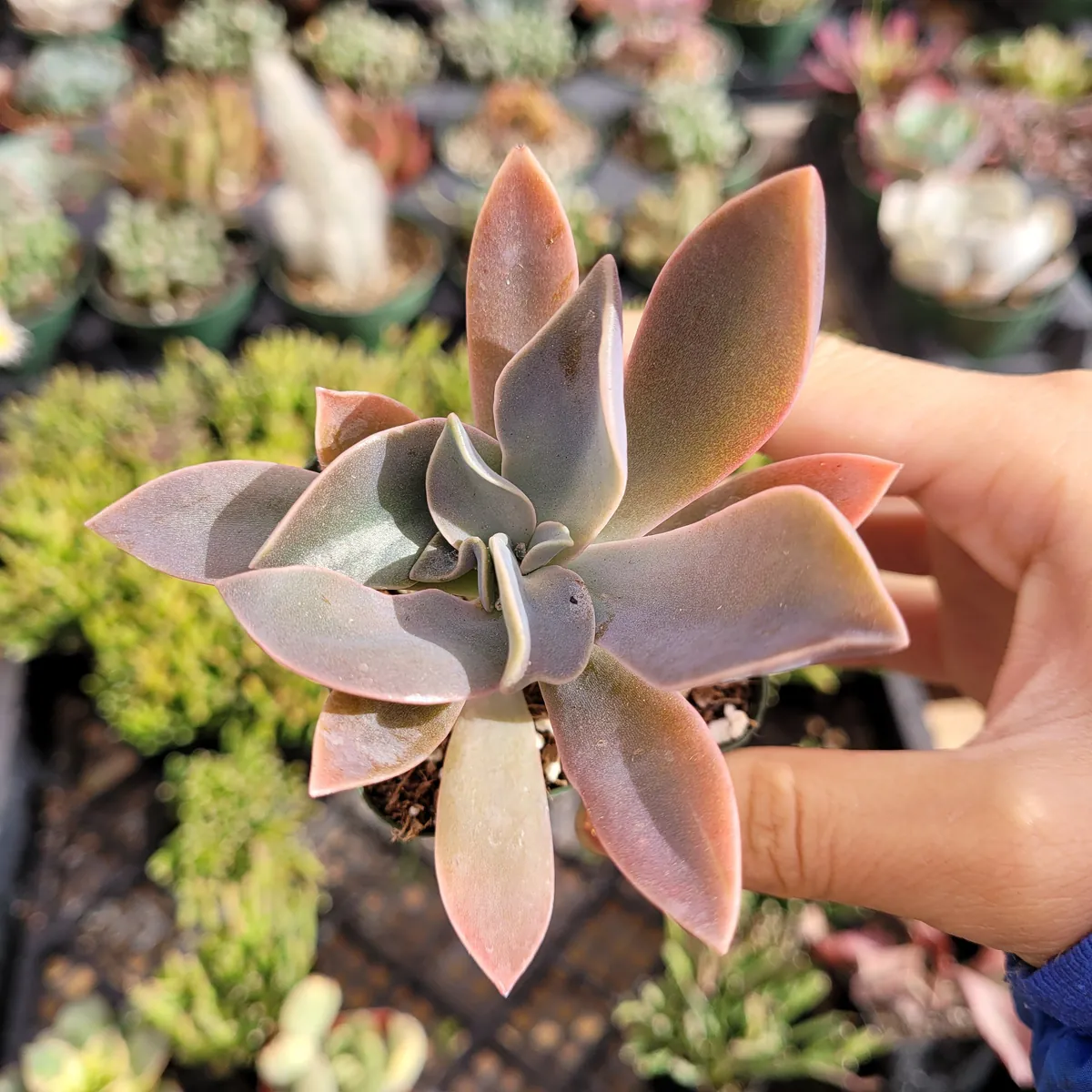
The Graptoveria Fred Ives succulent typically forms rosettes that can reach 6-8 inches in diameter, though mature plants can sometimes grow larger, especially when given ample space outdoors. The plant’s height generally remains compact, usually ranging from 6 to 12 inches when accounting for any flower stalks. Its growth rate is moderate, allowing for noticeable development over a single growing season. This particular offering provides a live plant, ready to be transplanted into your preferred container or garden spot. It is often shipped bare root to ensure its health during transit, allowing for easy establishment in its new home. Expect a robust plant that will quickly settle in and begin displaying its characteristic vibrant hues. The exact size and color may vary slightly upon arrival, as these are living organisms influenced by growing conditions and seasonal changes.
Frequently Asked Questions
- Q: How big does this plant get? A: The Graptoveria Fred Ives succulent typically grows into rosettes about 6-8 inches in diameter, with a compact overall height of 6-12 inches. Its size can vary based on growing conditions and maturity.
- Q: Is this an indoor or outdoor plant? A: This is a versatile plant that can thrive both indoors and outdoors. Outdoors, it prefers full sun and is hardy in USDA zones 9-11. Indoors, place it in a bright, sunny location like a south-facing window.
- Q: How much sunlight does it need? A: The Graptoveria Fred Ives succulent requires at least 6 hours of direct sunlight daily to maintain its vibrant colors and compact form. Insufficient light can lead to stretching and duller coloration.
- Q: Is this plant easy to care for? A: Yes, the ‘Fred Ives’ is considered an easy care houseplants and is excellent for beginners. Its drought tolerance and minimal care requirements make it a very forgiving plant.
- Q: What condition will it arrive in? A: Most plants are shipped bare root to ensure their health and safety during transit. You will receive a healthy specimen, very similar to the one pictured, ready for planting.
- Q: How often should I water my Graptoveria Fred Ives? A: Water only when the soil is completely dry. This could be every 2-4 weeks in warmer months and much less frequently in cooler months. Always err on the side of underwatering rather than overwatering.
- Q: What kind of soil is best for this succulent plant types? A: A well-draining cactus or succulent potting mix is ideal. You can also mix in perlite or pumice to improve drainage further, which is crucial for the health of drought-tolerant succulents.
- Q: Will it survive winter in my zone? A: If you are in USDA zones 9-11, it can likely survive outdoors. In colder zones, it should be brought indoors before temperatures drop below 40°F (4°C) to protect it from frost.
- Q: Can I propagate this Graptoveria Fred Ives succulent? A: Absolutely! This succulent is very easy to propagate from leaves or stem cuttings. Simply allow the cuttings to callus over for a few days before planting them in dry succulent soil.
- Q: How do I get the best color from my Fred Ives succulent? A: To encourage the most vibrant colors, provide plenty of direct sunlight and allow the plant to experience some mild stress, such as slightly cooler temperatures or slightly less water (without causing harm).


Reviews
There are no reviews yet.