Overview
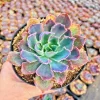
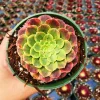
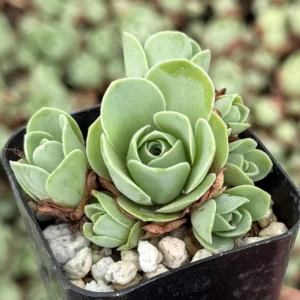
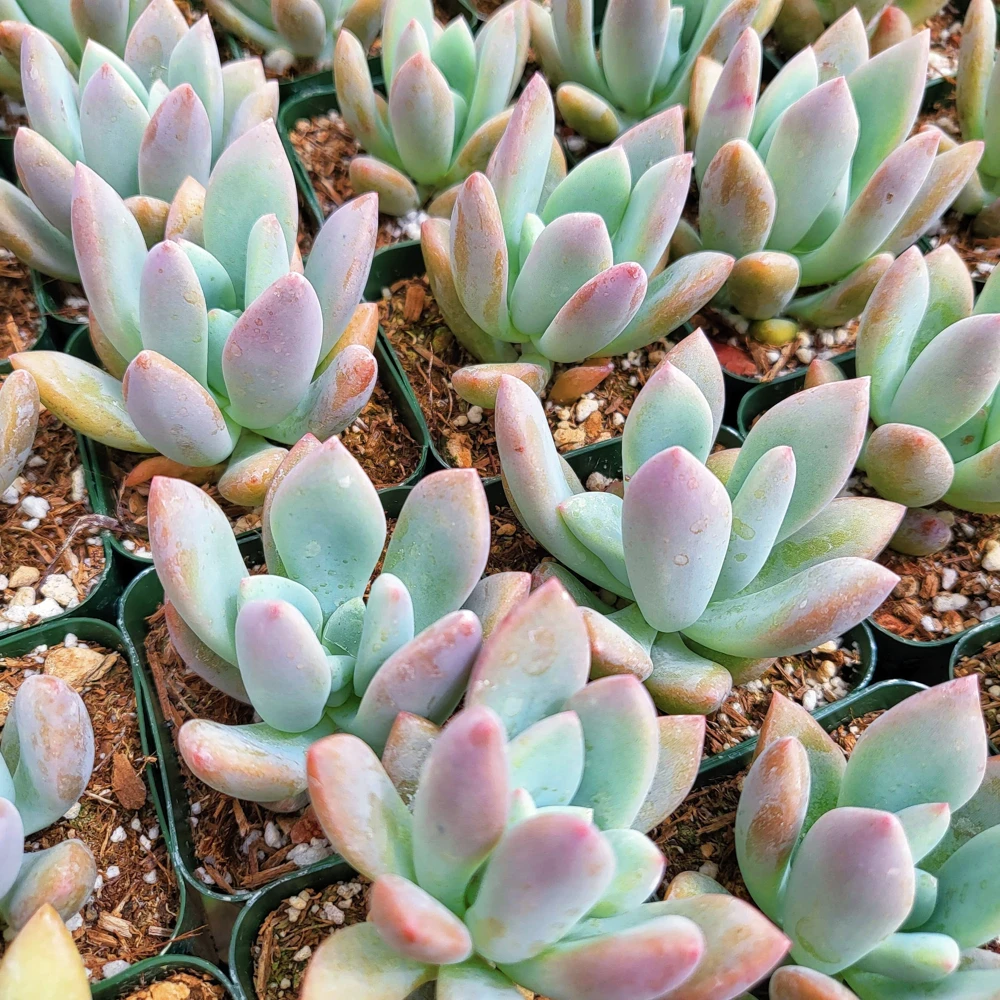
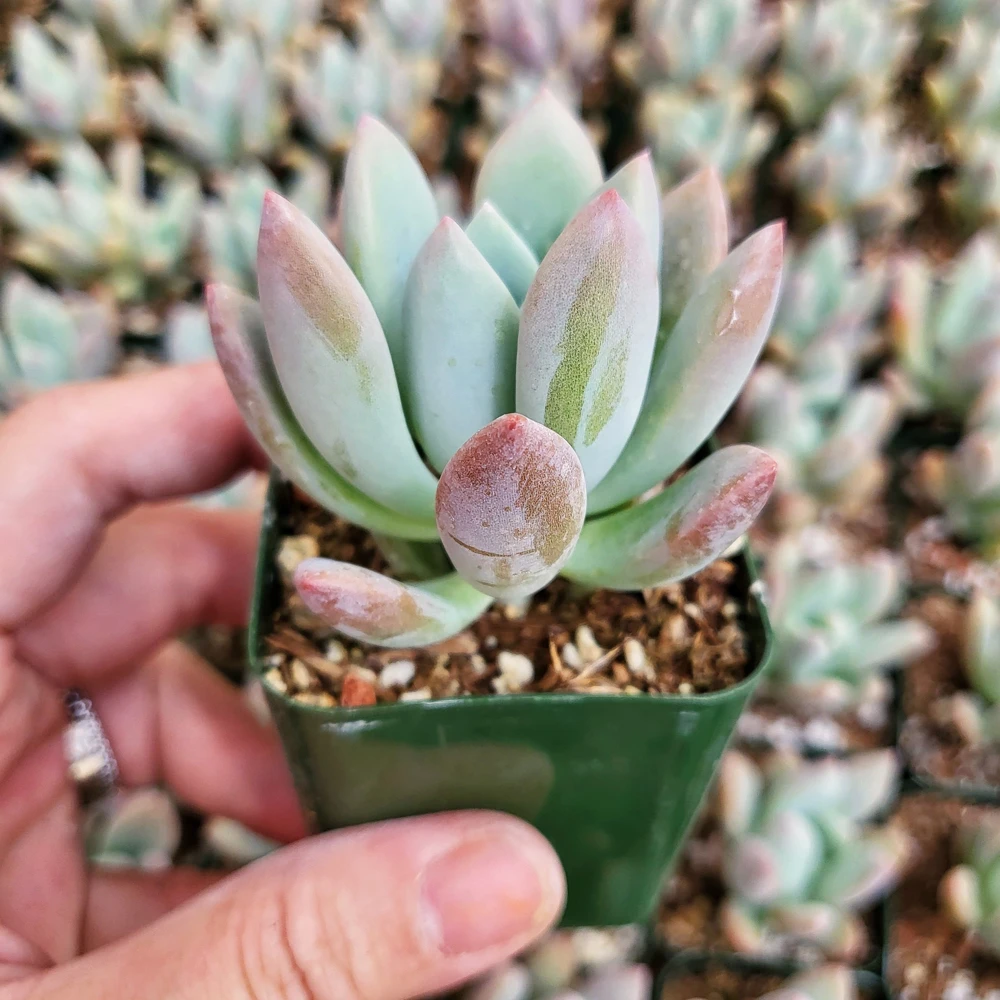
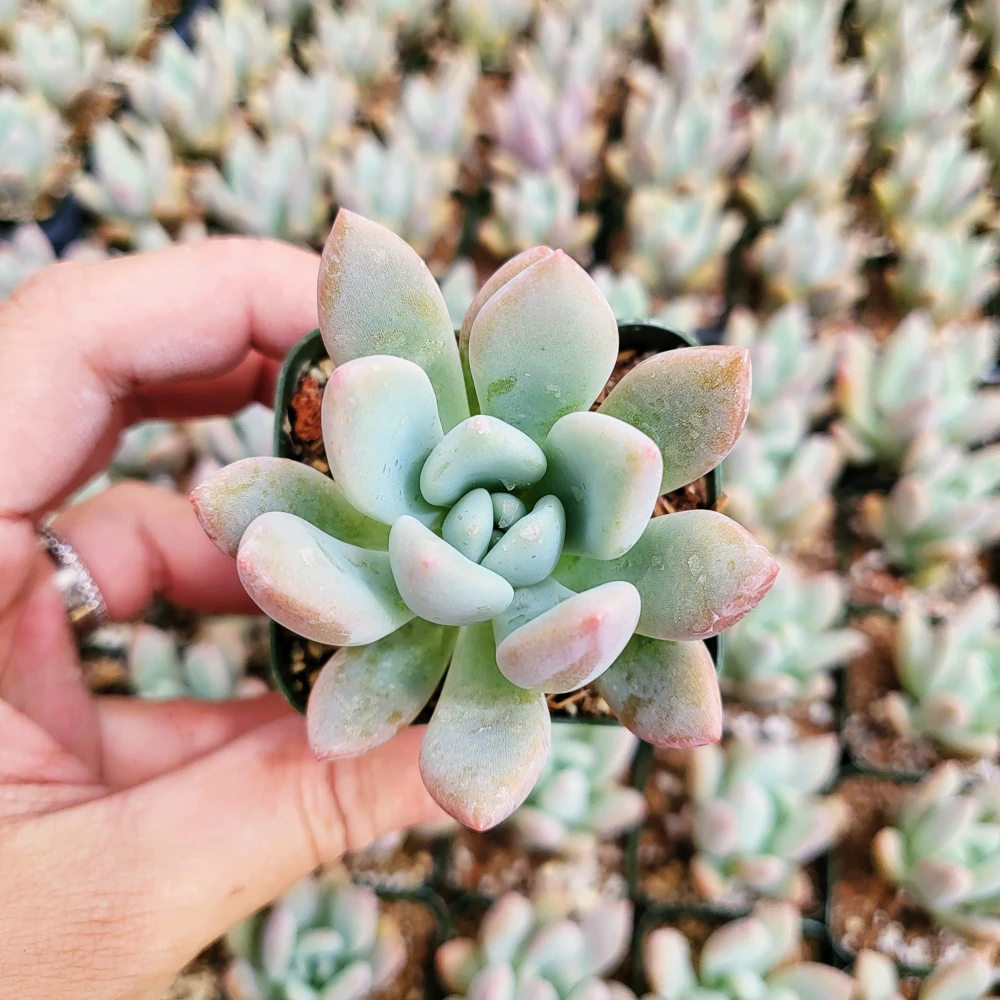
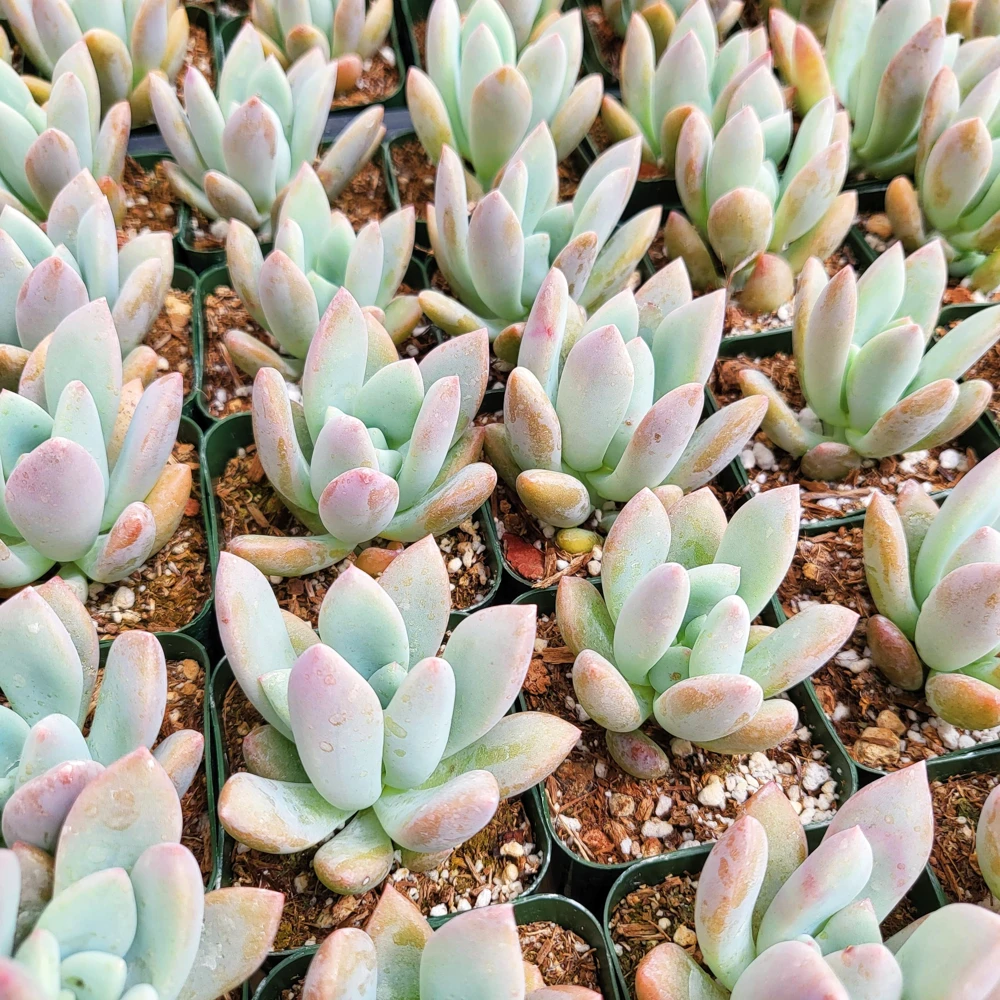
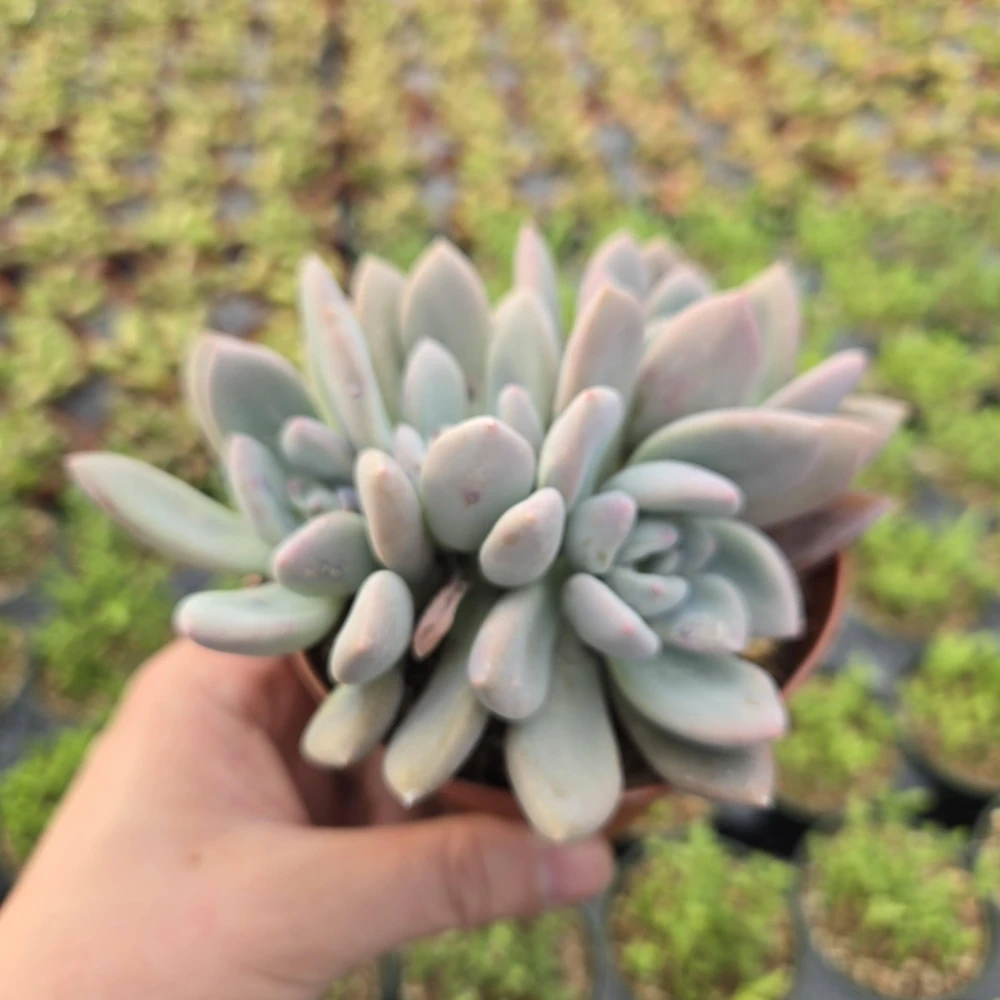
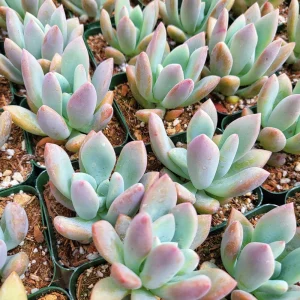
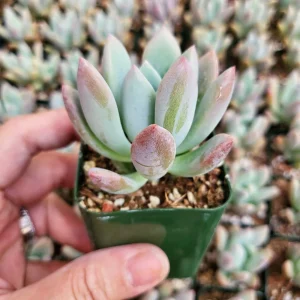
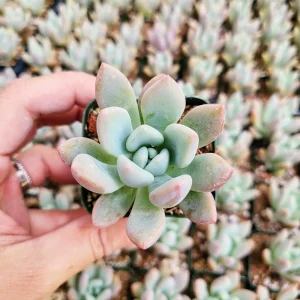
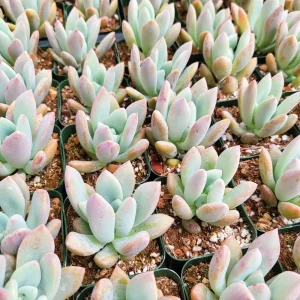
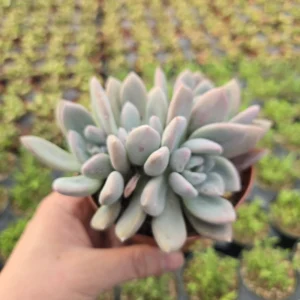
The graptoveria opalina live plant is a truly enchanting succulent, celebrated for its unique opalescent rosettes and remarkably easy care. A delightful hybrid between Echeveria Colorata and Graptopetalum amethystinum, ‘Opalina’ showcases a beautiful powdery blue-green hue, often enhanced by a delicate dusting of farina. When exposed to brighter light, the edges of its distinctive, upright leaves can develop a charming pink flush, adding to its visual appeal. This resilient succulent is an excellent choice for both novice and experienced gardeners, offering a touch of natural beauty with minimal fuss. Its compact form and striking coloration make it a popular choice for indoor displays, rock gardens, or succulent arrangements.
Each graptoveria opalina live plant arrives as a healthy, thriving specimen, ready to bring its unique charm to your home or garden. These rosettes can grow up to 8 inches wide, creating a substantial and eye-catching display. Beyond its beauty, the ‘Opalina’ is also known for its relatively quick growth and ability to produce offsets, allowing you to easily expand your collection. Whether you’re looking for a focal point or a complementary piece for your succulent garden, the Graptoveria ‘Opalina’ offers enduring beauty and simplicity.
Key Benefits
Choosing the graptoveria opalina live plant brings a host of advantages to any plant lover. Its unique characteristics make it a standout and easy-to-manage addition.
- Stunning Opalescent Rosettes: The ‘Opalina’ features beautiful, upright leaves that form an attractive rosette, displaying a captivating powdery blue-green color. This unique coloration provides a serene and elegant aesthetic to any space, making it a perfect decorative element.
- Low-Maintenance Care: Ideal for busy individuals or those new to succulents, this plant requires minimal attention. Its drought-tolerant nature means less frequent watering, ensuring it thrives with little effort on your part, making graptoveria care straightforward.
- Color-Changing Foliage: Witness a delightful transformation as the plant’s edges develop a lovely pink flush when exposed to brighter sunlight. This dynamic color change adds an intriguing element to its appearance, offering continuous visual interest.
- Easy to Propagate: This variety readily produces offsets, making it incredibly simple to propagate new plants. You can easily expand your collection or share with friends and family, extending the beauty of your opalina succulent.
- Versatile Placement: Suitable for both indoor and outdoor environments, the ‘Opalina’ can thrive in a variety of settings. It looks fantastic in sunny windowsills, terrariums, rock gardens, or as part of mixed succulent planters, adapting well to different display needs.
- Air Purifying Qualities: Like many succulents, the Graptoveria Opalina can contribute to improved indoor air quality by absorbing toxins and releasing oxygen, promoting a healthier living environment.
- Drought Tolerant: Its succulent nature means it stores water efficiently, allowing it to withstand periods of drought. This makes it a forgiving plant for those who occasionally forget to water, contributing to its reputation as a low-maintenance succulent.
Plant Care & Growing Tips
Proper graptoveria care is essential to ensure your graptoveria opalina live plant flourishes and displays its best colors. This succulent thrives with specific conditions that mimic its natural arid habitat. For optimal growth, provide plenty of sunlight. While it appreciates bright, indirect light indoors, it can handle partial sunlight outdoors, especially in the morning. Avoid prolonged direct afternoon sun, which can scorch its delicate leaves. When kept indoors, a south-facing window is often ideal, ensuring it receives the light needed to develop its characteristic pink flush on the leaf edges.
Watering is perhaps the most critical aspect of caring for your opalina succulent. It is imperative to water deeply but infrequently. Allow the soil to dry out completely between waterings to prevent root rot, which is a common issue for succulents. Depending on your climate and humidity, this could mean watering once every 1-2 weeks in warmer months and even less frequently in cooler periods. A well-draining soil mix is non-negotiable; use a fast-draining succulent and cactus mix, ideally supplemented with perlite or pumice to enhance drainage further. If potting indoors, a terracotta pot is recommended as it helps wick away excess moisture, promoting healthy root growth. The plant prefers average room temperatures and is generally hardy in USDA zones 9-11, making it a good candidate for outdoor cultivation in warmer climates, or as a potted plant brought indoors during colder months.
Fertilize your graptoveria opalina live plant sparingly, typically once a month during its active growing graptoveria season (spring and summer) with a diluted succulent or general houseplant fertilizer. During the dormant winter months, reduce or cease fertilization. This low-maintenance succulent is relatively pest-resistant, but keep an eye out for common succulent pests like mealybugs, especially in humid conditions. Good air circulation is also beneficial. Should your plant become leggy, a simple trim can help maintain its compact shape, and the cuttings can be easily propagated to create new plants.
Size & Details
Each graptoveria opalina live plant is carefully selected and shipped as a healthy, established specimen. You will receive one live 2 or 4-inch potted plant, ready for immediate placement or transplanting into your preferred container. The plant is shipped in a secure box with filler to ensure its safe arrival, though minor variations in color and shape are natural and expected due to the living nature of the product and shipping process. These beautiful rosettes can mature to an impressive size, reaching up to 8 inches in width. As it grows, the ‘Opalina’ may develop trailing stems up to 8 inches long beneath each rosette, adding a dynamic element to its appearance. It is a relatively quick grower, producing clusters of offsets at the base of the main rosette, offering ample opportunity for propagation and expanding your collection of this lovely opalina succulent.
Frequently Asked Questions
- Q: How big does this plant get? A: The graptoveria opalina live plant can form rosettes up to 8 inches wide. As it matures, it may also develop trailing stems up to 8 inches long.
- Q: Is this an indoor or outdoor plant? A: This versatile succulent can thrive both indoors in bright, indirect light or outdoors in partial sunlight, making it adaptable to various environments.
- Q: Is this plant easy to care for? A: Yes, the Graptoveria Opalina is considered a low-maintenance succulent, making it an excellent choice for beginners and experienced gardeners alike. Its care requirements are straightforward.
- Q: What condition will it arrive in? A: Your graptoveria opalina live plant will arrive as a healthy, live 2 or 4-inch potted plant, carefully packed in a shipping box with filler to minimize damage during transit.
- Q: How much sunlight does it need? A: It thrives in partial sunlight, showcasing its beautiful colors. Indoors, bright, indirect light is best, while outdoors it prefers morning sun and protection from harsh afternoon rays.
- Q: What kind of soil is best for graptoveria care? A: This plant requires a fast-draining soil mix, such as a succulent and cactus blend, often supplemented with perlite for optimal drainage and to prevent root rot.
- Q: How often should I water my opalina succulent? A: Water deeply but infrequently, only when the soil has completely dried out. Overwatering is a common mistake; ensure the pot has good drainage.
- Q: Can I propagate this plant? A: Yes, the ‘Opalina’ is very easy to propagate. It produces offsets at the base, and stem cuttings can also be rooted to create new plants, making growing graptoveria rewarding.
- Q: Will it survive winter in my zone? A: The Graptoveria Opalina is generally hardy in USDA zones 9-11. In colder climates, it should be brought indoors during the winter months to protect it from frost.
- Q: Why are the edges of my plant pink? A: The pink flush on the edges of your graptoveria opalina live plant is a natural response to brighter light conditions, indicating healthy growth and good light exposure.


Reviews
There are no reviews yet.