Overview
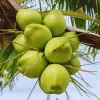
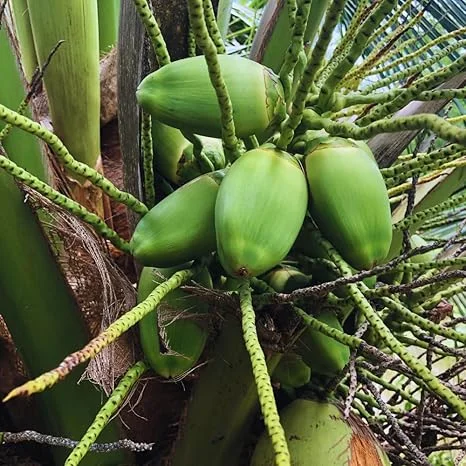
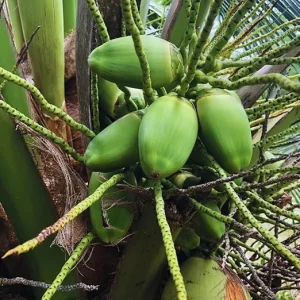
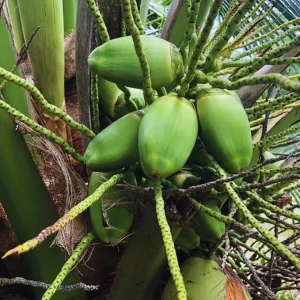
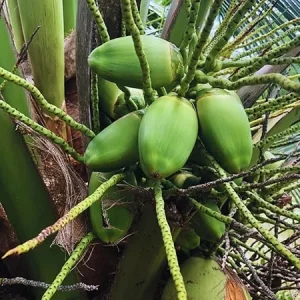
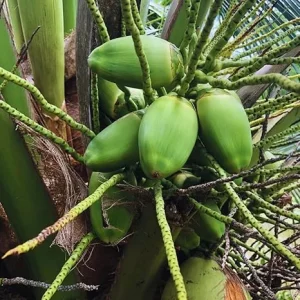
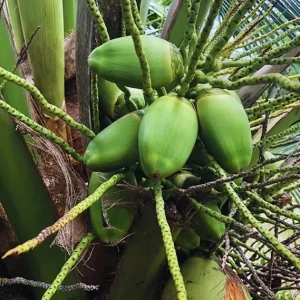
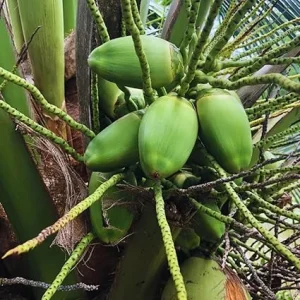
Embark on a journey to cultivate your very own tropical oasis with this vibrant green coconut tree plant. This offering is a live, sprouted coconut seedling, standing proudly at 6 to 8 inches tall, making it an ideal starter for those looking to establish a tropical garden or landscape. Originating from warm, coastal regions, the coconut palm (Cocos nucifera) is renowned for its distinctive appearance and the versatile fruit it produces. This young live coconut plant is carefully prepared to ensure a strong start, allowing you to witness the fascinating growth of one of nature’s most iconic trees. Perfect for enthusiasts and gardeners in suitable climates, this sprouted coconut offers the unique satisfaction of growing a majestic tropical specimen from its nascent stage.
The allure of a sprouted coconut plant lies not only in its potential to bear fruit but also in its significant ornamental value. Its graceful fronds and sturdy trunk evoke images of sun-drenched beaches and exotic getaways. This particular specimen is a green variety, promising the classic, verdant foliage associated with healthy coconut palms. Whether you’re an experienced grower or new to tropical horticulture, nurturing this plant can be a rewarding experience, transforming your outdoor space into a slice of paradise. The journey from a small sprout to a towering tree is a testament to nature’s resilience and beauty, making this an exceptional addition for anyone seeking a true tropical plant live experience.
Key Benefits
Bringing a green coconut tree plant into your garden offers a multitude of benefits, from aesthetic appeal to the potential for homegrown produce. This robust seedling provides a foundation for a stunning tropical landscape.
- Exotic Landscape Enhancement: Instantly transform your outdoor space into a tropical paradise. The distinctive fronds and eventual towering presence of a live coconut plant create a captivating focal point, adding unparalleled exotic beauty to any garden or yard.
- Potential for Fresh Coconuts: With proper care and maturation, this plant can eventually produce fresh, delicious coconuts right in your backyard, offering a unique source of fresh fruit and water.
- Low Maintenance Once Established: While requiring initial care, mature coconut trees are known for being relatively low maintenance, thriving in their preferred tropical conditions with minimal intervention.
- Air Purification: Like many large plants, a growing coconut tree contributes to air quality by absorbing carbon dioxide and releasing oxygen, fostering a healthier outdoor environment.
- Long Lifespan: Coconut palms are long-lived trees, meaning your initial investment in a sprouted coconut plant can provide decades of beauty and potential harvests, becoming a lasting feature of your landscape.
- Unique Growing Experience: Cultivating a tropical fruit tree from a small sprout is an incredibly rewarding experience, connecting you directly with nature’s growth cycles and offering a sense of accomplishment.
- Natural Shade Provider: As the tree matures, its expansive canopy will offer ample natural shade, perfect for outdoor relaxation areas during hot sunny days.
Plant Care & Growing Tips
Caring for your green coconut tree plant effectively will ensure its healthy growth and eventual maturity. Originating from tropical environments, these plants have specific requirements to thrive. First and foremost, full sun exposure is crucial. Your coconut tree needs at least 6-8 hours of direct sunlight daily to develop strong fronds and a sturdy trunk. Position it in an area of your garden that receives abundant, unfiltered light throughout the day. In terms of watering, young coconut plants require consistent moisture. The soil should be kept moist but not waterlogged. Water frequently during dry periods, especially when the plant is young, and ensure excellent drainage to prevent root rot. As the tree matures, its water needs will become more resilient, but consistent moisture is always beneficial.
The ideal soil for a live coconut plant is well-drained, sandy, or loamy soil, mimicking its natural coastal habitat. It prefers slightly acidic to neutral pH levels. Good drainage is paramount; if your native soil is heavy clay, consider amending it with sand and organic matter to improve permeability. This tropical plant live thrives in warm temperatures, ideally between 70-90°F (21-32°C). It is sensitive to cold and frost, which is why it is best suited for USDA Hardiness Zones 10-11, where temperatures rarely drop below freezing. Fertilization should begin a few months after planting, using a balanced fertilizer rich in nitrogen, phosphorus, and potassium, as well as micronutrients like magnesium and boron. Apply fertilizer every 2-3 months during the growing season. Watch out for common pests like spider mites or mealybugs, which can be treated with horticultural oil or insecticidal soap. Providing adequate space for growth is also vital, as mature coconut trees can reach impressive heights, making them a stately outdoor coconut tree.
Size & Details
This offering is for one green coconut tree plant, which is a sprouted seedling. Each sprouted coconut plant typically measures between 6 to 8 inches in height upon arrival, measured from the base to the tip of its tallest frond. It is shipped as a live, young plant, carefully packaged to ensure its health during transit. These plants are grown to eventually become majestic trees, reaching an expected mature height of 50 to 100 feet in ideal tropical conditions. The initial growth rate is moderate, with noticeable development occurring within the first year if proper care is provided. It’s important to note that while this plant is small upon arrival, it possesses the genetic potential to grow into a large, fruit-bearing palm. Planting in a suitable location with ample room for its extensive root system and canopy is crucial for its long-term success as a magnificent outdoor coconut tree.
Frequently Asked Questions
- Q: How big does this green coconut tree plant get? A: This young plant arrives 6 to 8 inches tall. With proper care and in suitable tropical climates, a mature coconut tree can grow to an impressive height of 50 to 100 feet.
- Q: Is this an indoor or outdoor plant? A: While it can be started indoors in a very bright, warm location, the live coconut plant is primarily an outdoor tropical plant. It requires full sun and warm temperatures to thrive and reach its full potential.
- Q: How much sunlight does a sprouted coconut plant need? A: Coconut trees are sun-loving plants and require abundant full sun exposure. They need at least 6-8 hours of direct sunlight daily to grow best.
- Q: Is this plant easy to care for? A: For those in USDA Zones 10-11, where conditions are naturally favorable, a coconut tree can be relatively low maintenance once established. However, young plants require consistent watering and protection from cold.
- Q: How long until it starts producing coconuts? A: A well-cared-for coconut tree in an ideal climate typically starts producing fruit in 5-8 years, though this can vary depending on growing conditions and variety.
- Q: What condition will the tropical plant live in upon arrival? A: The plant will arrive as a live, sprouted seedling, carefully packaged to minimize stress during shipping. It will be 6-8 inches tall and ready for planting.
- Q: What is the best soil type for an outdoor coconut tree? A: Coconut trees prefer well-drained, sandy, or loamy soil. Good drainage is crucial to prevent root rot, so avoid heavy clay soils.
- Q: Will it survive winter in my zone if I’m not in USDA 10-11? A: No, coconut trees are highly sensitive to cold and frost. If you are outside USDA Zones 10-11, this plant will not survive winter outdoors and is not recommended for permanent outdoor planting.
- Q: Can I grow this green coconut tree plant in a pot? A: While you can start it in a large pot, a coconut tree will eventually outgrow any container due to its mature size. It is best suited for planting directly in the ground in appropriate climates.
- Q: What is the recommended watering schedule for a young live coconut plant? A: Keep the soil consistently moist, especially for young plants. Water frequently during dry periods, ensuring that the soil drains well and doesn’t become waterlogged.


Reviews
There are no reviews yet.