Overview
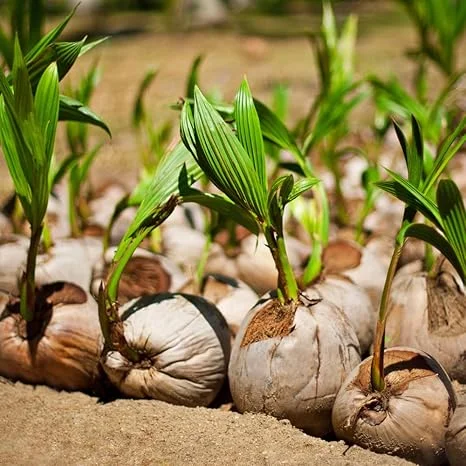
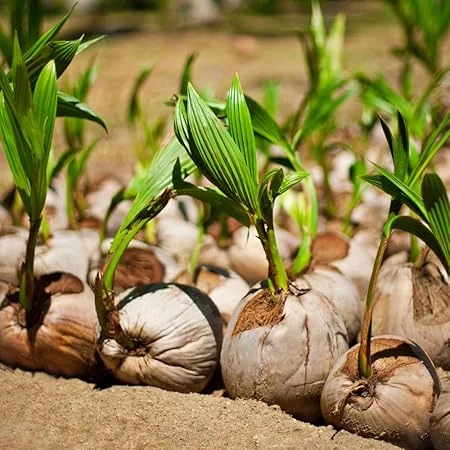
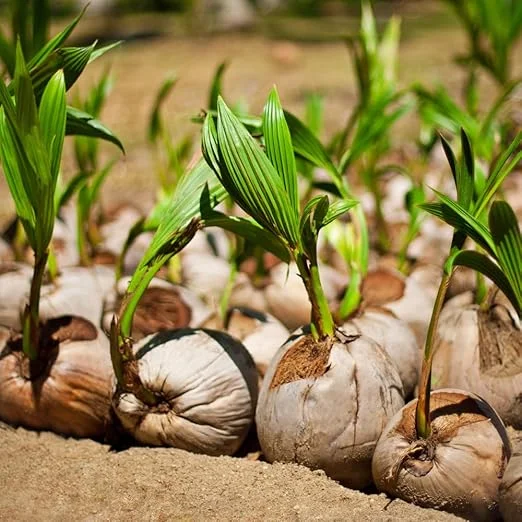
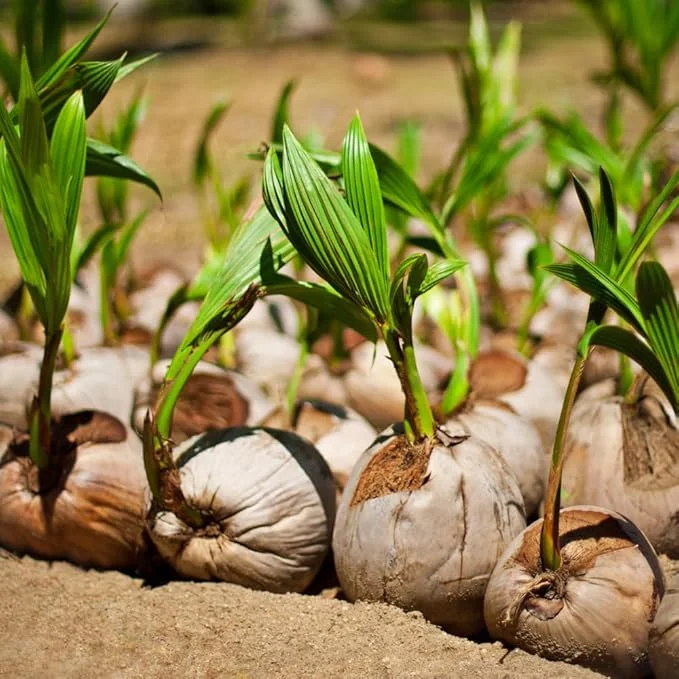
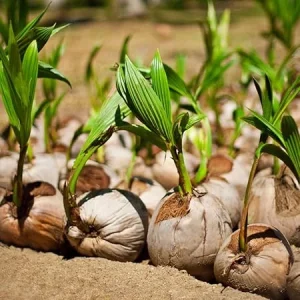
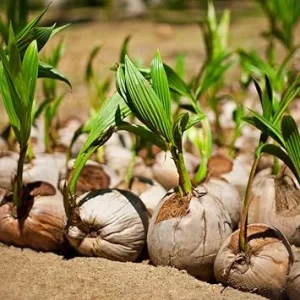
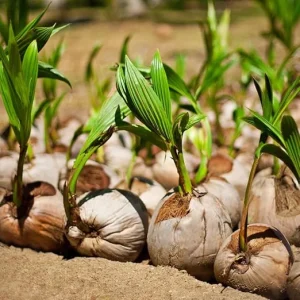
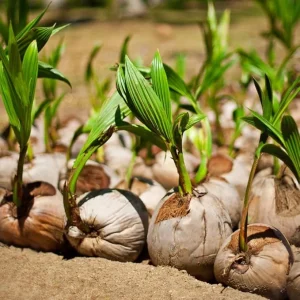
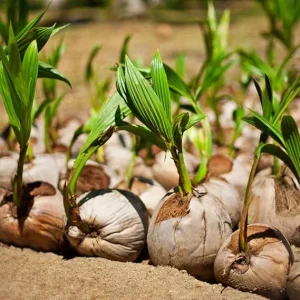
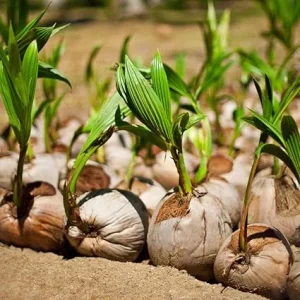
Bring a piece of the tropics to your garden or home with this vibrant green coconut tree live plant. This offering is a healthy, sprouted coconut seedling, typically measuring between 6 to 8 inches in height, making it an ideal starter for those looking to cultivate their own coconut palm. Known scientifically as Cocos nucifera, the coconut tree is celebrated not only for its iconic tropical aesthetic but also for its delicious and versatile fruit. This particular variety is cherished for its sweet, edible coconuts, providing a rewarding experience for any gardener. Growing a live coconut tree for sale allows you to witness the fascinating development of this majestic plant from a young sprout into a towering palm, capable of producing its own refreshing fruit.
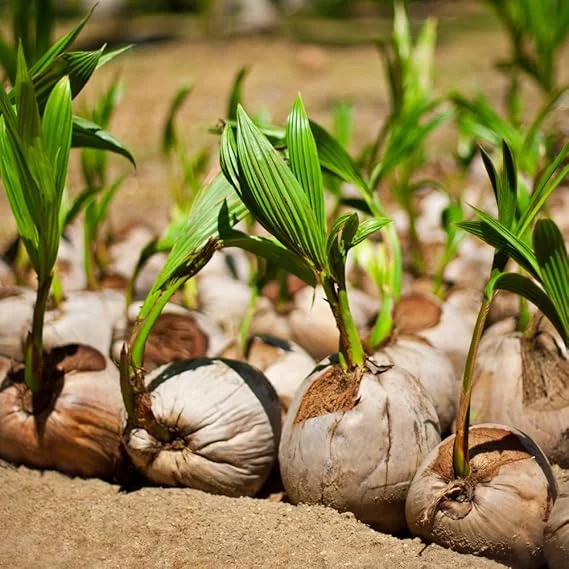
Perfect for outdoor gardening in warmer climates or as a striking indoor plant in cooler regions, this sprouted coconut plant is ready to be transplanted into its new home. It arrives with a single, thick sprout emerging from the whole green coconut, indicating a strong start to its growth journey. Whether you’re an experienced horticulturist or a budding enthusiast, growing a coconut tree offers a unique and engaging project. Imagine harvesting your own fresh coconuts, a truly unparalleled experience.
Key Benefits
Growing a green coconut tree live plant offers a multitude of benefits, from aesthetic appeal to the joy of fresh, homegrown produce. This robust seedling is poised to transform your space into a tropical paradise.
- Homegrown Edible Fruit: Enjoy the satisfaction of harvesting your own sweet, fresh coconuts directly from your tree. The fruit is not only delicious but also packed with nutrients, offering a healthy treat.
- Tropical Aesthetic: The lush, green fronds and iconic form of the green coconut tree live plant create a stunning focal point, enhancing the beauty of any garden, patio, or large indoor space.
- Unique Gardening Project: Cultivating a coconut tree from a sprouted nut is a rewarding and educational experience for gardeners of all levels, providing a tangible connection to nature.
- Air Purification: Like many large plants, coconut trees contribute to a healthier environment by absorbing carbon dioxide and releasing oxygen, improving air quality around them.
- Moderate Maintenance: Once established, the coconut tree care requirements are relatively straightforward, especially when provided with the correct environmental conditions, making it a manageable plant for many.
- Versatile Placement: Suitable for outdoor planting in tropical and sub-tropical zones, or as an impressive container plant that can be moved indoors during colder months in temperate regions.
- Longevity: With proper care, a coconut tree can be a long-term addition to your landscape, providing beauty and fruit for many years.
Plant Care & Growing Tips
Proper coconut tree care is essential for nurturing your green coconut tree live plant into a thriving, fruit-bearing palm. This sprouted seedling is robust, but understanding its specific needs will ensure its successful growth. Coconut trees are tropical plants and require conditions that mimic their natural habitat.
Sunlight Requirements: Your sprouted coconut plant thrives in full sun, meaning it needs at least 6-8 hours of direct sunlight per day. If grown indoors, place it near a south-facing window or use supplemental grow lights to ensure it receives adequate light. Outdoors, choose a location that is unshaded throughout the day. Insufficient light will lead to slow growth and a less vigorous plant.
Watering and Soil: The coconut tree prefers consistently moist but not waterlogged soil. Water deeply when the top inch or two of soil feels dry to the touch, and allow excess water to drain away freely. Never let the plant sit in standing water, as this can lead to root rot. The ideal soil for an edible coconut plant is well-draining, sandy loam with a slightly acidic to neutral pH (6.0-7.0). A good quality potting mix amended with sand and perlite works well for container-grown plants. When planting outdoors, ensure the site has excellent drainage.
Temperature and Hardiness Zone: Coconut trees are sensitive to cold. They thrive in warm, humid conditions with temperatures generally above 65°F (18°C). This green coconut tree live plant is suitable for outdoor planting in USDA Hardiness Zones 10-11, where temperatures rarely drop below freezing. In colder zones, it must be grown in a container and brought indoors before the first frost. Coconut tree care in cooler climates involves providing warmth and humidity, often requiring misting or a pebble tray.
Fertilization: Fertilize your coconut tree regularly, especially during the growing season (spring and summer). Use a balanced fertilizer specifically formulated for palms, or a slow-release granular fertilizer with micronutrients like magnesium, manganese, and boron. Follow the product instructions for application rates. Young plants benefit from more frequent, lighter feedings to encourage robust growth. Over-fertilization can harm the plant, so always err on the side of caution.
Pest and Disease Management: While generally resilient, coconut trees can occasionally encounter pests like scale insects or mealybugs. Inspect your plant regularly and treat any infestations promptly with insecticidal soap or neem oil. Fungal issues can arise from overwatering, so ensure good air circulation and proper drainage. A healthy, well-cared-for live coconut tree for sale is less susceptible to pests and diseases.
Size & Details
This offering is for one green coconut tree live plant, provided as a healthy, sprouted seedling. Each plant typically measures between 6 to 8 inches in height from the base of the coconut to the tip of the sprout. It arrives as a whole green coconut with a single, vigorous sprout emerging, indicating its readiness for planting. The coconut itself serves as the initial nutrient reservoir for the developing seedling. While young, this sprouted coconut plant is compact, making it easy to handle and transplant.
Upon maturity, a coconut tree can reach impressive heights, often exceeding 50 feet, though indoor or container-grown specimens will remain much smaller due to environmental constraints and root restriction. Growth rate is moderate, and with optimal conditions, you can expect steady development. The plant is shipped ready for you to establish in your chosen container or garden spot. Expect the first fruits to appear several years after planting, depending on growing conditions and variety.
Frequently Asked Questions
- Q: How big does this plant get? A: This offering is a green coconut tree live plant seedling, typically 6-8 inches tall. Mature coconut trees can reach over 50 feet in height outdoors, but will remain significantly smaller when grown in containers indoors.
- Q: Is this an indoor or outdoor plant? A: This sprouted coconut plant can be grown outdoors in USDA Zones 10-11. In colder climates, it is best grown as a container plant and brought indoors during the cooler months to protect it from frost.
- Q: How much sunlight does it need? A: A green coconut tree live plant requires a lot of sun. It thrives in full sun, needing at least 6-8 hours of direct sunlight daily. If grown indoors, place it in the brightest possible location, such as a south-facing window.
- Q: Is this plant easy to care for? A: With proper attention to its needs for warmth, sunlight, and consistent moisture, coconut tree care is considered moderate. It’s not difficult for beginners who can meet its specific tropical requirements.
- Q: What condition will it arrive in? A: Your live coconut tree for sale will arrive as a healthy, sprouted green coconut with a visible sprout, ready for planting. It will be carefully packaged to ensure its safe journey.
- Q: Can I really grow edible coconuts from this plant? A: Yes, this edible coconut plant is capable of producing sweet, edible coconuts once it reaches maturity and is grown under optimal conditions, typically several years after planting.
- Q: What’s the best time to plant this coconut tree? A: The best time to plant your green coconut tree live plant is during the warmer months, typically spring or early summer, when temperatures are consistently warm and there is no risk of frost.
- Q: What kind of soil does a coconut tree prefer? A: Coconut trees prefer well-draining, sandy loam soil. For container planting, a good quality potting mix amended with sand and perlite for improved drainage is ideal.
- Q: How often should I water my coconut plant? A: Water your green coconut tree live plant when the top 1-2 inches of soil feel dry to the touch. Keep the soil consistently moist but never soggy, as overwatering can lead to root rot.
- Q: Will it survive winter in my zone if I’m not in Zone 10-11? A: If you are outside of USDA Zones 10-11, your sprouted coconut plant will need to be protected from cold temperatures. It should be grown in a pot and brought indoors when temperatures drop below 50°F (10°C).


Reviews
There are no reviews yet.