
Overview
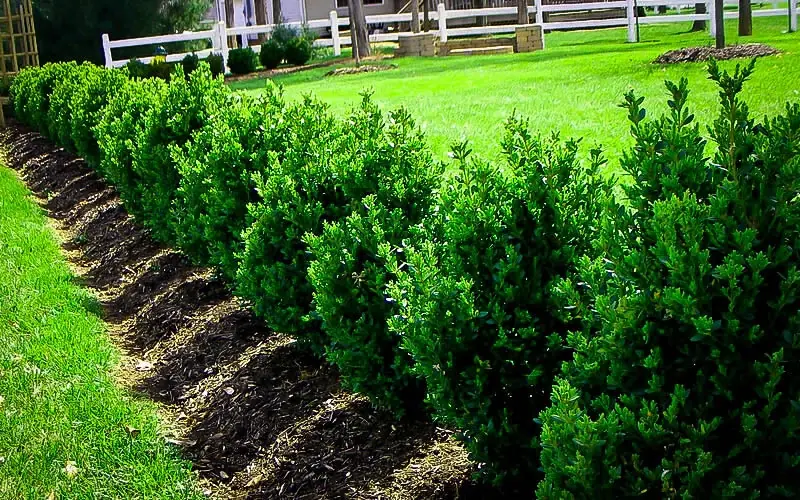
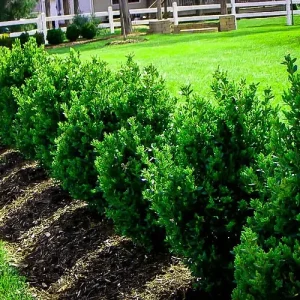
Introduce timeless elegance to your garden with the Green Mountain Boxwood live plant. This popular evergreen shrub, scientifically known as Buxus sempervirens ‘Green Mountain’, is celebrated for its dense, upright pyramidal form and vibrant green foliage. Reaching over 12 inches in height, this well-rooted plant is ready to establish itself in your landscape, providing immediate visual impact. Its compact growth habit and attractive appearance make it a versatile choice for various garden designs, from formal to contemporary. The Green Mountain Boxwood live plant is a resilient and low-maintenance option that thrives in a range of conditions, making it a favorite among both seasoned gardeners and beginners.
The ‘Green Mountain’ cultivar is particularly valued for its strong vertical growth and excellent tolerance to cold, maintaining its lush green color even through harsh winters. This makes it an exceptional choice for year-round interest and structure in your outdoor spaces. Whether you’re planning to create a sophisticated hedge, define garden beds, or add a classic touch with a potted specimen, this boxwood is an outstanding selection. Its dense foliage also provides a wonderful backdrop for other flowering plants, allowing their colors to truly pop.
Key Benefits
The Green Mountain Boxwood live plant offers a multitude of benefits that make it an indispensable addition to any garden or landscape. Its inherent qualities contribute to both aesthetic appeal and ease of maintenance.
- Year-Round Greenery: Enjoy consistent, vibrant green foliage throughout all seasons, providing continuous visual interest even in winter when other plants are dormant. This evergreen quality makes it perfect for foundational plantings.
- Versatile Landscaping: The upright, pyramidal growth habit of the Green Mountain Boxwood live plant makes it incredibly versatile. It’s ideal for formal hedges, defining garden borders, creating knot gardens, or as a striking stand-alone specimen.
- Low Maintenance: Once established, this boxwood plant care is relatively easy, requiring minimal pruning to maintain its desired shape and moderate watering. It’s a great choice for gardeners seeking beauty without excessive effort.
- Cold Hardiness: Known for its robust nature, the ‘Green Mountain’ cultivar is particularly cold-hardy, ensuring it remains healthy and attractive in colder climates without significant winter damage.
- Dense Foliage: The tight, compact growth of this boxwood provides excellent privacy and acts as a superb backdrop for other garden elements, enhancing the overall aesthetic of your outdoor space.
- Good for Topiary: Its dense growth and ability to take pruning well make it an excellent candidate for shaping into various topiary forms, adding an artistic touch to your garden.
- Erosion Control: When planted in groups, the extensive root system of the evergreen boxwood shrub can help stabilize soil on slopes, contributing to erosion control.
Plant Care & Growing Tips
Proper care for your Green Mountain Boxwood live plant will ensure its health and vibrant appearance for years to come. This robust shrub is relatively forgiving, but understanding its basic needs will help it thrive. For sunlight, the ‘Green Mountain’ boxwood performs best in a location that receives full sun to medium sun. While it can tolerate some partial shade, too much shade can lead to less dense foliage and a more open growth habit. Aim for at least 4-6 hours of direct sunlight per day for optimal health and color.
When it comes to watering, the Green Mountain Boxwood live plant prefers medium moisture. This means the soil should be consistently moist but never waterlogged. During its establishment period, water deeply once or twice a week, depending on temperature and rainfall. Once established, it becomes more drought-tolerant but will benefit from supplemental watering during dry spells, especially in hot summer months. Always check the soil moisture before watering by sticking your finger about an inch or two into the soil; if it feels dry, it’s time to water. Good drainage is crucial, as boxwoods are susceptible to root rot in overly wet conditions. The ideal soil type is well-draining, rich in organic matter, with a slightly acidic to neutral pH (6.0-7.0).
Fertilize your boxwood in early spring with a balanced, slow-release granular fertilizer formulated for evergreen shrubs. Follow the product instructions carefully to avoid over-fertilization. Pruning is best done in late spring or early summer after the new growth has emerged. This helps maintain its desired shape, density, and promotes healthy branching. Avoid heavy pruning in late fall, as new growth may not harden off before winter, making it susceptible to cold damage. While generally hardy, keep an eye out for common pests like boxwood leafminer or diseases such as boxwood blight. Good air circulation and proper spacing can help prevent fungal issues. Understanding how to grow boxwood successfully involves consistent monitoring and appropriate intervention when necessary.
Size & Details
This offering includes one Green Mountain Boxwood live plant, which measures 12+ inches in height. It is provided in a well-rooted, bare root form, ready for immediate planting in your garden or container. This growth stage, often described as ‘Rippening’, indicates a healthy, developing plant with a strong root system prepared for transplant. The plant is typically grown as an outdoor shrub, ideal for landscaping. It exhibits a medium growth rate, allowing it to establish and mature gracefully over time. Expected to reach a mature height of 3-5 feet and a width of 2-3 feet, this evergreen will form a dense, upright pyramidal shape. For best results, plant in the fall or spring to allow the roots to establish before extreme temperatures.
Frequently Asked Questions
- Q: How big does this Green Mountain Boxwood live plant get? A: This boxwood typically grows to a mature height of 3-5 feet and a width of 2-3 feet, forming a dense, upright pyramidal shape. Its ultimate size can be managed with regular pruning.
- Q: Is this an indoor or outdoor plant? A: The Green Mountain Boxwood live plant is primarily an outdoor plant, highly valued for its use in landscaping, hedges, and garden borders. While it can be grown in containers, it thrives best when planted in the ground.
- Q: How much sunlight does it need? A: This boxwood prefers full sun to medium sun, meaning it needs at least 4-6 hours of direct sunlight daily. It can tolerate some partial shade but may become less dense in heavily shaded areas.
- Q: Is this plant easy to care for? A: Yes, the Green Mountain Boxwood is considered relatively easy to care for. It requires moderate watering, well-draining soil, and occasional pruning to maintain its shape, making boxwood plant care quite manageable for most gardeners.
- Q: What condition will it arrive in? A: Your Green Mountain Boxwood live plant will arrive well-rooted and ready for planting. It is typically shipped as a bare root plant, meaning it will not be in a pot with soil.
- Q: When is the best time to plant this boxwood? A: The best times to plant the Green Mountain Boxwood are in the fall or early spring. This allows the plant to establish its root system before the stress of summer heat or winter cold.
- Q: Will it survive winter in my zone? A: The ‘Green Mountain’ cultivar is known for its excellent cold hardiness, making it suitable for a wide range of climates, generally thriving in USDA Zones 4-8. It maintains its green color well into winter.
- Q: What type of soil does this evergreen boxwood shrub prefer? A: This boxwood thrives in well-draining soil that is rich in organic matter. A slightly acidic to neutral pH (6.0-7.0) is ideal for optimal growth and health.
- Q: Can I use this plant for hedges? A: Absolutely! The dense, upright growth habit of the Green Mountain Boxwood live plant makes it an excellent choice for creating formal hedges, borders, and screens in your landscape.
- Q: How often should I water my boxwood? A: Water regularly to keep the soil consistently moist but not waterlogged, especially during the plant’s establishment period and dry spells. Reduce watering frequency in cooler months.


Reviews
There are no reviews yet.