Overview
Introduce a unique and highly adaptable specimen to your landscape with the guamuchil pithecellobium dulce live plant. Also known as Madras Thorn, Manila Tamarind, or simply Guamuchil, this remarkable tree (Pithecellobium dulce) is celebrated for its incredible versatility and resilience. Originating from Mexico, Central, and South America, it has been widely naturalized across tropical and subtropical regions globally, prized for its numerous benefits. This medium-sized tree is not only an attractive addition to any garden but also a source of delicious, sweet pods. The guamuchil pithecellobium dulce live plant is an excellent choice for those looking for an edible landscape component that is also drought-tolerant and relatively low-maintenance, making it a sustainable and rewarding investment for your outdoor space.
The Guamuchil tree is more than just an ornamental plant; it’s a multi-purpose powerhouse. From providing shade and acting as a living fence to offering edible fruits, firewood, and even fodder for animals, its utility is extensive. Its ability to thrive in challenging conditions makes it particularly valuable in arid and semi-arid environments. When you choose a guamuchil pithecellobium dulce live plant, you’re investing in a piece of nature that offers both aesthetic appeal and practical benefits, enhancing biodiversity and sustainability in your garden.
Key Benefits
The guamuchil pithecellobium dulce live plant offers a multitude of benefits that make it a standout choice for any gardener or landscaper:
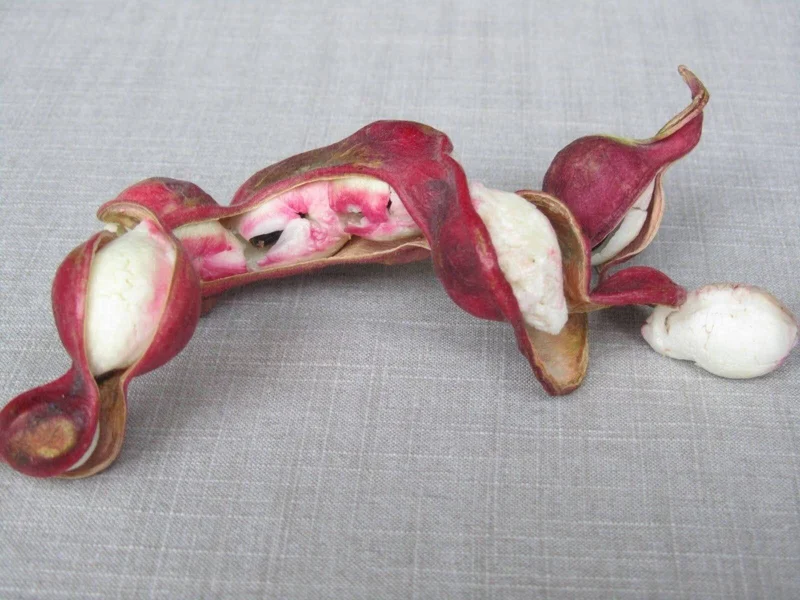
- Edible Sweet Pods: The primary draw for many, the Guamuchil produces delicious, spiraling pods filled with a sweet and tangy pulp. This pulp can be eaten fresh, roasted, or used to make refreshing drinks and even curries, providing a unique culinary experience.
- Drought Tolerance: This tree is incredibly resilient and can survive hostile climates, including prolonged dry spells. Once established, it requires minimal watering, making it an excellent choice for xeriscaping or gardens in water-restricted areas.
- Shade and Hedges: With its medium size and dense foliage, the guamuchil pithecellobium dulce live plant provides excellent shade, perfect for creating cool retreats in your garden. It can also be pruned to form effective and attractive hedges.
- Ecological Value: The flowers attract pollinators like bees, making it a good source of honey. The tree also contributes to soil health and can be used for firewood and fodder, supporting local ecosystems.
- Low Maintenance: Once established, the guamuchil pithecellobium dulce live plant requires relatively little care, making it suitable for both experienced gardeners and those new to growing trees. Its hardiness reduces the need for constant attention.
- Versatile Uses: Beyond food and shade, the tree yields products like soap oil and tannin. Its wood is durable and used for various purposes, highlighting its economic and practical value.
- Evergreen Appearance: Although its leaves are technically deciduous, new leaf growth coincides with the loss of old leaves, giving the tree an attractive evergreen appearance throughout the year.
Plant Care & Growing Tips
Caring for your guamuchil pithecellobium dulce live plant is relatively straightforward due to its hardy nature. This tree thrives in full sun, requiring at least 6-8 hours of direct sunlight per day to ensure healthy growth and abundant pod production. While it can tolerate partial shade, full sun exposure will yield the best results. It is highly adaptable to various soil types but prefers well-draining soil. Sandy or loamy soils are ideal, and it can even tolerate poor, alkaline, or saline soils, showcasing its remarkable resilience. Ensure the planting site does not retain standing water, as waterlogging can be detrimental to its root system.
When it comes to watering, the growing guamuchil tree is exceptionally drought-tolerant once established. During its first year, water regularly to help it establish a strong root system. After that, it will typically only need watering during extended dry periods. Overwatering should be avoided. The ideal temperature range for Guamuchil is warm, tropical to subtropical climates. It is generally hardy in USDA zones 9-11, where it can withstand mild frosts but may require protection in colder regions. Fertilization is generally not heavily required; a balanced, slow-release fertilizer once a year in spring can support vigorous growth, particularly for young trees. Keep an eye out for common pests like aphids or scale, though the tree is generally robust. Pruning can be done to shape the tree, remove dead branches, or encourage a more compact form, especially if you’re managing a madras thorn plant for edible pods.
Size & Details
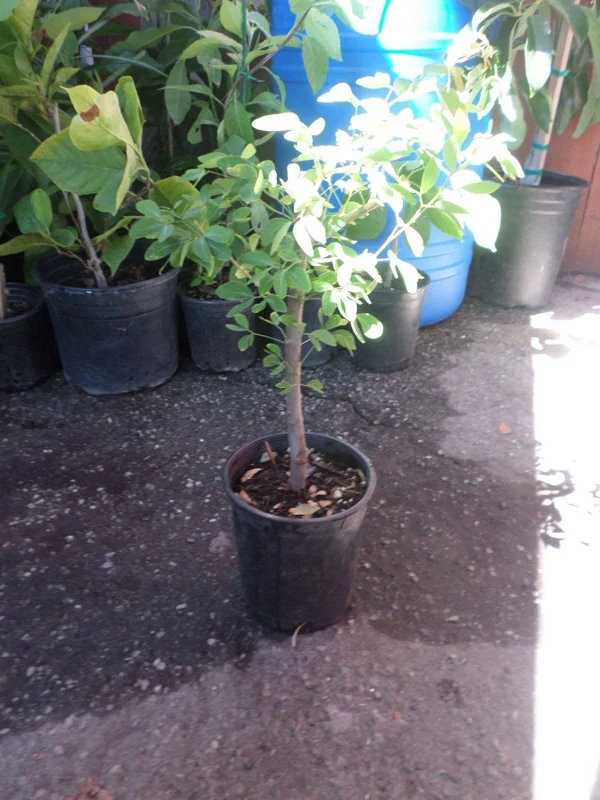
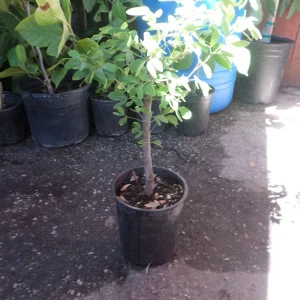
This offering is for one guamuchil pithecellobium dulce live plant, which typically ships at a height of 2 to 3 feet tall, measured from the base of the pot. It is provided in a 3-gallon nursery pot, ensuring a well-established root system for a smooth transition to your garden. The mature guamuchil tree for sale can reach heights of 30-65 feet (9-20 meters) with a spread of similar proportions, forming a broad, spreading crown. Its growth rate is moderate to fast, allowing you to enjoy its benefits relatively quickly.
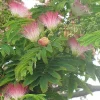
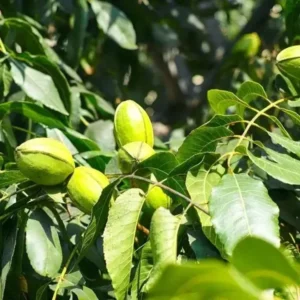
The tree’s characteristic thin spines appear in pairs at the base of its leaves, adding to its unique profile. New leaf growth coincides with the loss of old leaves, giving it an evergreen appearance. The flowers are small, white heads, about 1/2 inch in diameter, followed by pinkish pods that are approximately 5 inches long and become spiraled as they mature. The pods contain a sweet and tangy pulp, which can range from white to red. This pithecellobium dulce edible pods producer is a fantastic addition for those interested in permaculture or edible landscaping.
Frequently Asked Questions
- Q: How big does this plant get? A: This guamuchil pithecellobium dulce live plant typically ships at 2-3 feet tall. When mature, it can reach heights of 30-65 feet with a similar spread, forming a substantial shade tree.
- Q: What size pot does it come in? A: The plant will arrive healthy and well-rooted in a 3-gallon nursery pot, providing a good head start for transplanting into your garden or a larger container.
- Q: Is this an indoor or outdoor plant? A: The Guamuchil tree is primarily an outdoor plant, thriving in full sun and warm climates. It can be grown in a large container outdoors, especially if you live in a colder zone and need to move it indoors during winter.
- Q: How much sunlight does it need? A: For optimal growth and pod production, the guamuchil tree for sale requires at least 6-8 hours of direct sunlight per day. It performs best in full sun conditions.
- Q: Is this plant easy to care for? A: Yes, the Guamuchil is known for its hardiness and drought tolerance, making it a relatively low-maintenance tree once established. It’s an excellent choice for beginners looking for a resilient edible tree.
- Q: Can I use the pods in cooking? A: Absolutely! The pithecellobium dulce edible pods contain a sweet and tangy pulp that can be enjoyed fresh, roasted, or used in various culinary applications, including drinks and curries.
- Q: How long until it blooms and produces fruit? A: While growth rates vary, a healthy madras thorn plant typically begins to flower and produce fruit within 3-5 years of planting, especially under ideal growing conditions.
- Q: What condition will it arrive in? A: Your guamuchil pithecellobium dulce live plant will arrive with good roots, fresh from our garden, carefully packaged to ensure its health and vitality during transit.
- Q: Will it survive winter in my zone? A: This tree is hardy in USDA Zones 9-11. If you are in a colder zone, you may need to provide winter protection or grow it in a container that can be moved indoors during frost.
- Q: What’s the best way to plant this tree? A: Dig a hole twice as wide as the root ball and just as deep. Place the plant, backfill with well-draining soil, and water thoroughly. Ensure the root collar is level with the ground.


Reviews
There are no reviews yet.