
Overview
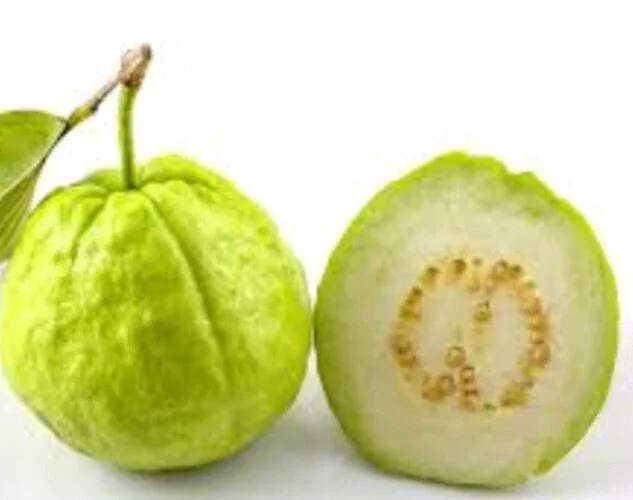
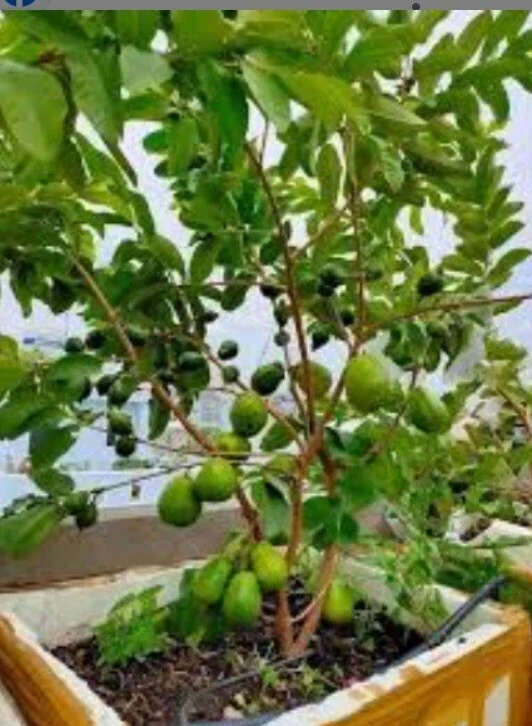
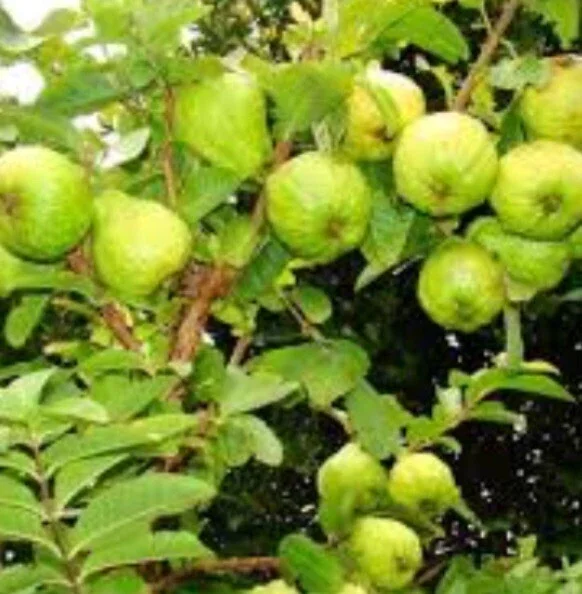
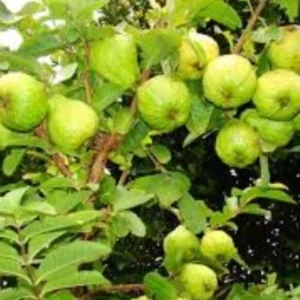
Bring the taste of the tropics to your home with this vibrant guava fruit tree live plant. Known for its delicious and aromatic fruit, the guava tree (Psidium guajava) is a popular choice for home gardeners looking to cultivate exotic produce. This live plant specimen, typically measuring 5-8 inches in height, is ready to be planted and nurtured into a productive fruit-bearing tree. Guavas are cherished for their unique flavor profile, ranging from sweet to slightly tangy, and their high nutritional value, packed with vitamins and antioxidants. Growing your own tropical guava plant offers the satisfaction of fresh, organic fruit right at your fingertips, enhancing both your culinary adventures and your garden’s aesthetic appeal.
Whether you’re an experienced horticulturist or a beginner eager to explore tropical gardening, this guava fruit tree live plant is an excellent addition. It’s a robust and relatively easy-to-care-for plant that, with proper attention, will reward you with abundant harvests. The lush green foliage and potential for beautiful, fragrant flowers make it a delightful ornamental plant even before it bears fruit. Embrace the joy of growing your own exotic fruit and transform your outdoor or indoor space into a tropical haven with this exquisite guava tree.
Key Benefits
Growing a guava fruit tree live plant offers numerous advantages, from fresh fruit to enhancing your garden’s biodiversity. Here are some of the key benefits you can expect:
- Delicious, Nutritious Fruit: Enjoy fresh, sweet, and aromatic guavas directly from your tree. Guavas are rich in Vitamin C, fiber, and antioxidants, making them a healthy addition to your diet. The flavor is truly unparalleled compared to store-bought varieties.
- Exotic Garden Addition: This tropical plant adds an exotic touch to any garden or patio. Its lush green leaves and potential for vibrant fruit create a visually appealing focal point, transforming your space into a mini-paradise.
- Aromatic Experience: The ripe fruits and even the flowers of the guava tree emit a delightful, sweet fragrance that can perfume your garden or home, creating a pleasant sensory experience.
- Versatile Culinary Use: Guavas can be eaten fresh, used in juices, smoothies, desserts, jams, and jellies. Having a fresh supply means endless culinary possibilities right from your backyard.
- Relatively Easy to Grow: While tropical, the guava fruit tree live plant is surprisingly resilient and can be grown by gardeners of various skill levels with proper care. It adapts well to container growing, making it suitable for smaller spaces or colder climates where it can be brought indoors.
- Long-Term Yield: Once established, a guava tree can produce fruit for many years, providing a consistent supply of your favorite tropical treat. This makes it a rewarding long-term investment for any fruit enthusiast.
- Educational Opportunity: For families, growing a guava tree can be a fantastic educational experience, teaching children about plant cycles, fruit production, and the origins of their food.
Plant Care & Growing Tips
Caring for your guava fruit tree live plant is straightforward, especially if you provide it with the right conditions. This tropical plant thrives in warm climates and requires consistent attention to ensure healthy growth and abundant fruit production. Understanding the specific needs of your guava tree is crucial for its success, whether you’re growing it in the ground or in a container.
For optimal growth, the guava fruit tree live plant needs plenty of sunlight. Aim for at least 6-8 hours of direct sun per day. In extremely hot climates, some afternoon shade might be beneficial to prevent leaf scorch. Guavas prefer well-draining soil that is rich in organic matter. A slightly acidic to neutral pH (6.0-7.0) is ideal. If planting in a pot, use a high-quality potting mix designed for fruit trees or tropical plants, ensuring excellent drainage. Regular watering is essential, especially during dry periods and when the plant is young. The soil should be kept consistently moist but not waterlogged. Allow the top inch or two of soil to dry out slightly between waterings to prevent root rot. Reduce watering frequency during cooler months or when the tree is dormant.
Fertilization is key for a healthy tropical guava plant. Feed your tree every 2-3 months during the growing season (spring and summer) with a balanced fertilizer formulated for fruit trees. Look for a fertilizer with a higher phosphorus and potassium content to encourage flowering and fruiting. Pruning is also important for shaping the tree, promoting air circulation, and stimulating fruit production. Remove any dead, diseased, or crossing branches, and thin out overcrowded areas. Guava trees are generally hardy in USDA zones 9-12. If you live in a colder climate, consider growing your guava tree in a large container that can be moved indoors during winter to protect it from frost. Protect young trees from strong winds, which can damage tender branches. By following these guava tree care guidelines, you’ll be well on your way to enjoying a bountiful harvest.
Size & Details
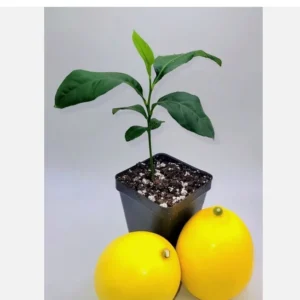
This offering is for a guava fruit tree live plant that typically measures between 5 to 8 inches in height upon arrival. This size is ideal for establishing quickly in its new environment, whether you choose to plant it directly in your garden or a suitable container. The plant is shipped as a young, healthy specimen, carefully packaged to ensure its safe transit and arrival. While initial growth may seem slow, once established, guava trees are known for their relatively fast growth rate, quickly developing into a substantial plant capable of bearing fruit.
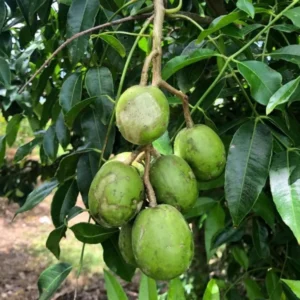
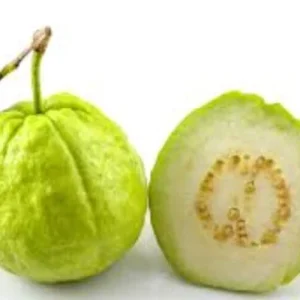
The mature size of a guava tree can vary, often reaching 10-20 feet tall and wide when planted in the ground in ideal conditions. However, when grown in a container, its size can be managed through regular pruning, making it a versatile choice for various garden sizes and indoor/outdoor arrangements. Expect the plant to begin flowering and fruiting within 2-3 years, though some varieties may produce sooner. The fruit itself is typically green when unripe, turning yellow as it matures, and can range from small to medium in size depending on the specific cultivar. This guava fruit tree live plant is a single specimen, ready to become a productive and beautiful part of your home garden.
Frequently Asked Questions
- Q: How big does this guava fruit tree get? A: This guava fruit tree live plant typically arrives 5-8 inches tall. When mature, it can grow up to 10-20 feet tall in the ground, but its size can be managed with pruning when grown in a container, making it suitable for various spaces.
- Q: Is this an indoor or outdoor plant? A: Guava trees are tropical plants that thrive outdoors in USDA zones 9-12. In colder climates, they can be grown in containers and brought indoors during winter to protect them from frost.
- Q: How much sunlight does a tropical guava plant need? A: A guava tree requires at least 6-8 hours of direct sunlight per day for optimal growth and fruit production. Ensure it receives ample light to encourage a healthy and productive plant.
- Q: Is this plant easy to care for? A: Yes, with proper attention to its basic needs like sunlight, water, and well-draining soil, the guava fruit tree live plant is considered relatively easy to care for, even for beginners eager to grow guava at home.
- Q: What condition will the plant arrive in? A: Your guava tree will arrive as a healthy, live plant, carefully packaged to minimize stress during transit. It will be ready for immediate planting upon arrival.
- Q: How long until it starts producing fruit? A: Typically, a guava fruit tree live plant will begin to bear fruit within 2-3 years after planting, depending on growing conditions and specific variety. Consistent care will help accelerate this process.
- Q: What is the best soil type for guava tree care? A: Guava trees prefer well-draining soil that is rich in organic matter. A slightly acidic to neutral pH (6.0-7.0) is ideal for healthy growth and fruit development.
- Q: Will it survive winter in my zone? A: Guavas are sensitive to frost. If you live outside of USDA zones 9-12, it is recommended to grow your guava fruit tree live plant in a container so it can be moved indoors during colder months.
- Q: How often should I water my guava tree? A: Keep the soil consistently moist but not waterlogged, especially during dry periods and when the plant is young. Allow the top inch or two of soil to dry out between waterings.
- Q: Can I grow guava at home if I have limited space? A: Absolutely! Guava trees respond well to pruning and can be successfully grown in large containers, making them an excellent choice for patios, balconies, or smaller gardens.


Reviews
There are no reviews yet.