Overview
Introduce a robust and adaptable specimen to your landscape with this hackberry tree bare root. Standing 12-24 inches tall, this young tree offers a fantastic opportunity to cultivate a native North American species renowned for its resilience and ecological benefits. Known scientifically as Celtis occidentalis tree, the Common Hackberry is also widely recognized by its common names such as Sugarberry, False Elm, Nettle tree, and Beaverwood. This particular offering is a sugarberry tree plant provided in a bare root form, ideal for planting during its dormant season to establish a strong root system. Its ability to thrive in a wide range of conditions makes it a popular choice for both urban and rural settings, providing excellent shade and a unique aesthetic.
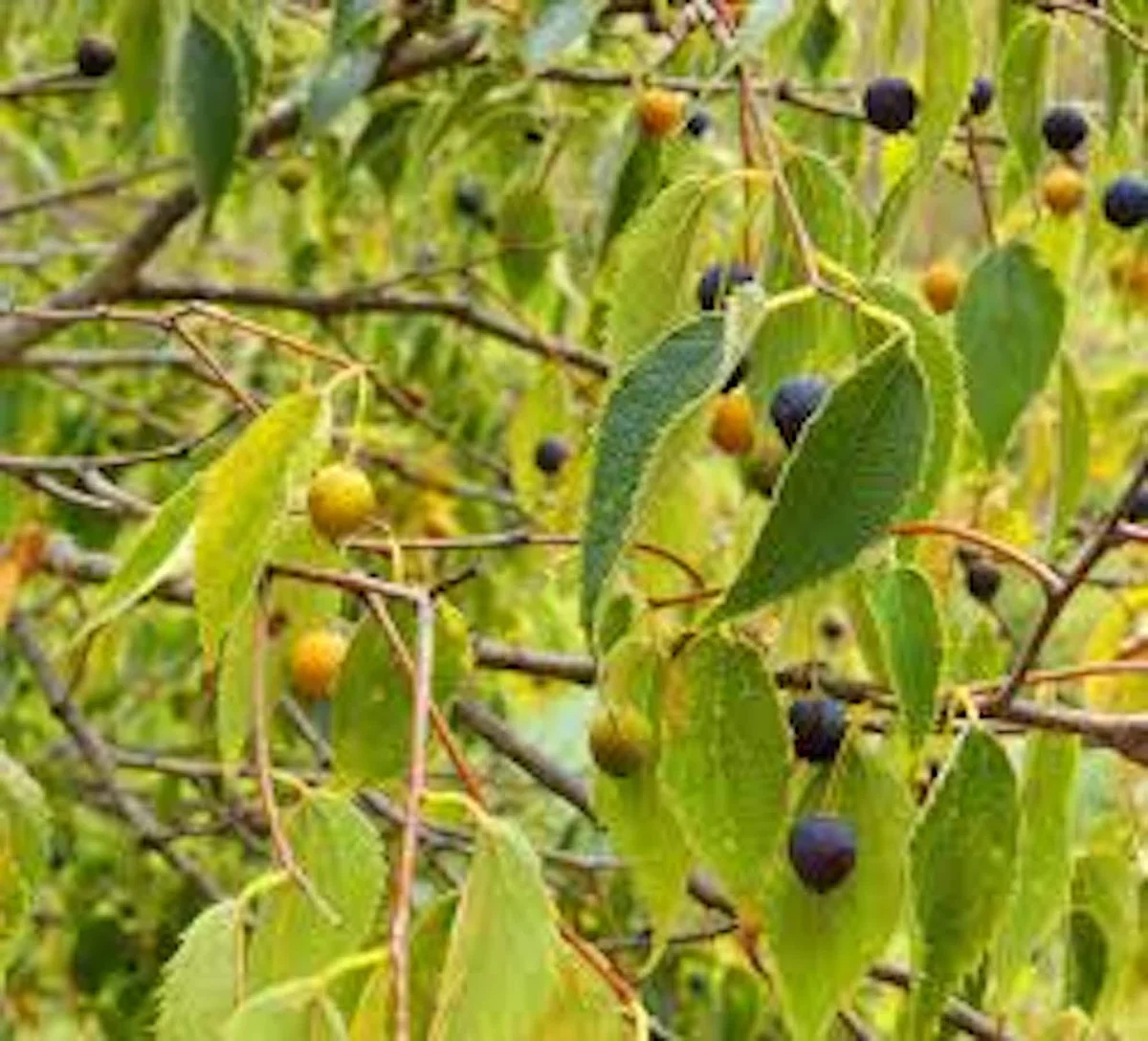
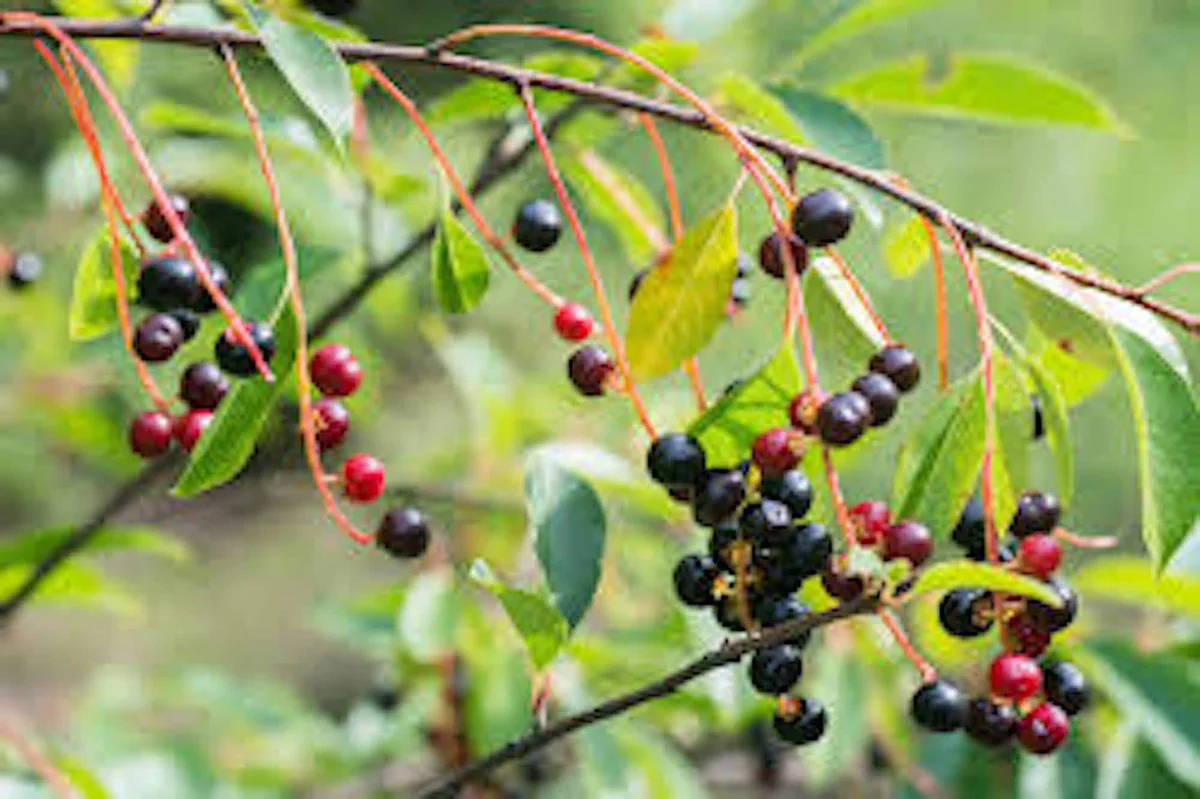
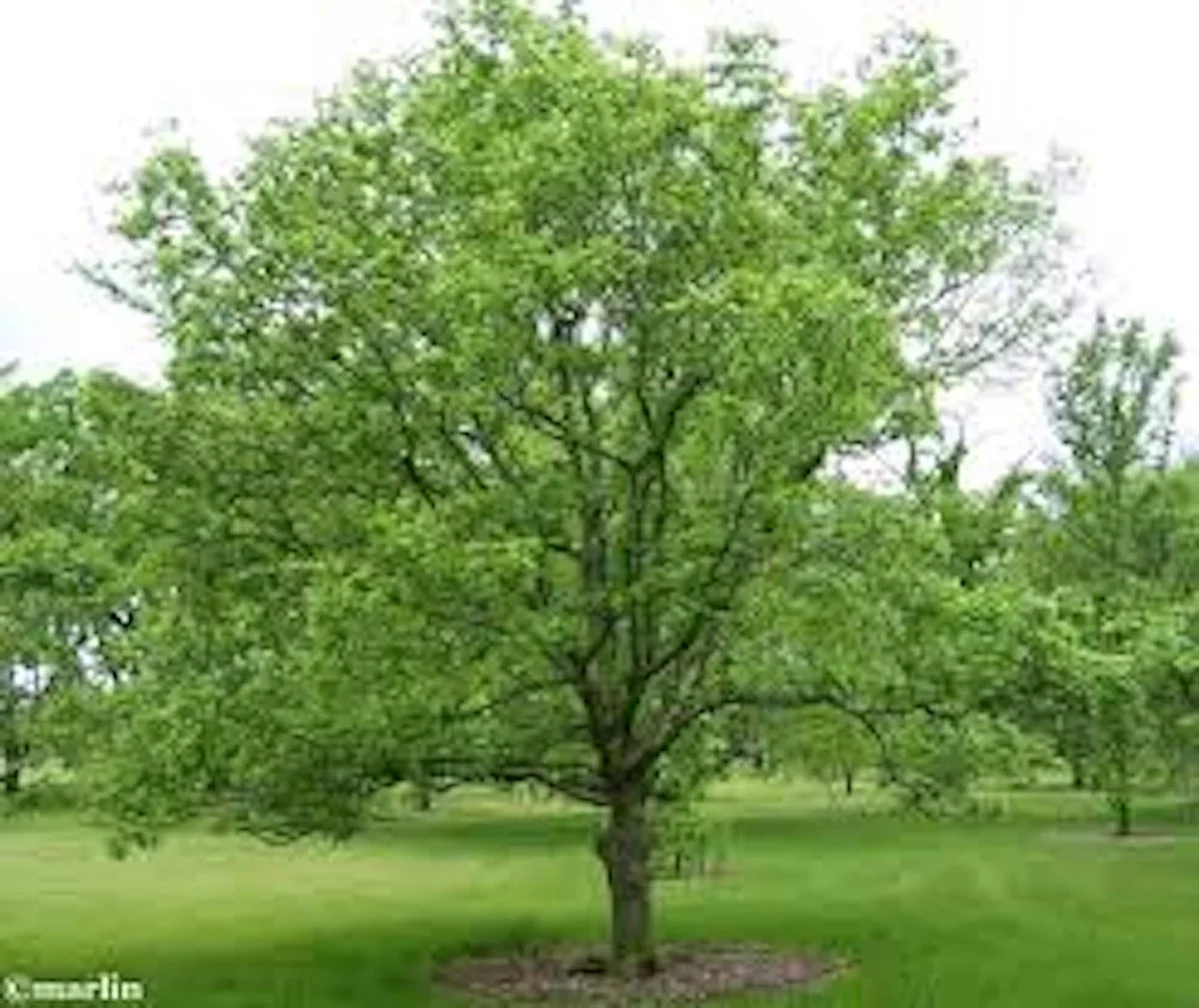
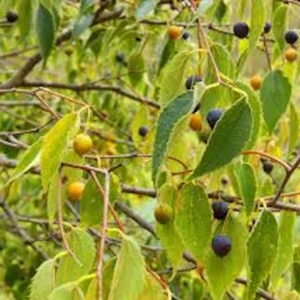
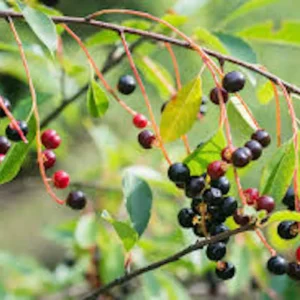
The Hackberry is a medium to large deciduous tree, celebrated for its distinctive warty bark and often irregular, yet graceful, branching pattern. Its small, sweet, purplish-red berries are a favorite food source for birds and other wildlife, adding to its ecological value. This hackberry tree bare root is an excellent investment for gardeners looking for a low-maintenance, long-lived tree that contributes significantly to local biodiversity. It’s an ideal choice for those in appropriate hardiness zones seeking a reliable shade tree with character.
Key Benefits
The hackberry tree bare root offers numerous advantages for any landscape, making it a highly desirable choice for both novice and experienced gardeners. Its robust nature ensures it will become a valued part of your outdoor space for years to come.
- Exceptional Hardiness: Thriving across USDA Hardiness Zones 3-9, the Celtis occidentalis tree is incredibly tolerant of diverse climates, including cold winters and hot summers, making it a reliable choice for a vast range of regions.
- Wildlife Attraction: The small, sweet, purplish-red berries produced by the sugarberry tree plant are a significant food source for numerous bird species, bringing vibrant avian life to your garden.
- Drought & Urban Tolerance: Highly adaptable, this tree can withstand periods of drought and is remarkably tolerant of urban pollution and poor soil conditions, making it perfect for challenging environments.
- Unique Aesthetic Appeal: With its distinctive corky bark, often described as warty, and an upright, spreading form, the Hackberry adds unique texture and visual interest to the landscape year-round.
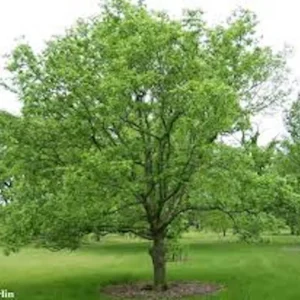
- Excellent Shade Provider: As it matures, the hackberry tree bare root develops a broad, round crown, offering substantial shade, which can help cool your home and outdoor living spaces during warm months.
- Low Maintenance: Once established, Hackberry trees require minimal care, making them an excellent option for gardeners seeking a beautiful yet undemanding addition to their property.
- Soil Versatility: This tree is not particular about soil type, growing well in anything from moist to dry conditions, though it prefers well-drained, rich, moist soils.
Plant Care & Growing Tips
Caring for your hackberry tree bare root is straightforward, especially given its inherent hardiness and adaptability. Proper initial planting and consistent care during its establishment phase will ensure a healthy, thriving tree for decades. The sugarberry tree plant is known for its resilience, but providing optimal conditions will maximize its growth and vitality.
When planting your Celtis occidentalis tree, choose a location that receives full sun, meaning at least 6 hours of direct sunlight per day. While it can tolerate partial shade, full sun promotes the best growth and berry production. Ensure the soil is well-drained; Hackberries are adaptable to various soil types, from moist to dry, but prefer rich, moist, well-drained conditions. Dig a hole that is wider than the root spread and just deep enough so the root collar is level with the ground. Spread the bare roots evenly, backfill with soil, and water thoroughly to settle the soil and eliminate air pockets. Mulch around the base to retain moisture and regulate soil temperature.
Water regularly during the first growing season to help establish a strong root system. Once established, Hackberries are quite drought-tolerant, but supplemental watering during extended dry periods will benefit the tree. Fertilization is generally not necessary in rich soils, but in poorer soils, a balanced, slow-release fertilizer can be applied in early spring. Pruning should focus on removing dead, damaged, or crossing branches to maintain a strong structure and good air circulation. The adaptable hackberry tree is generally resistant to most pests and diseases, but monitor for any signs of issues and address them promptly. This will ensure your shade tree zones 3-9 continues to flourish.
Size & Details
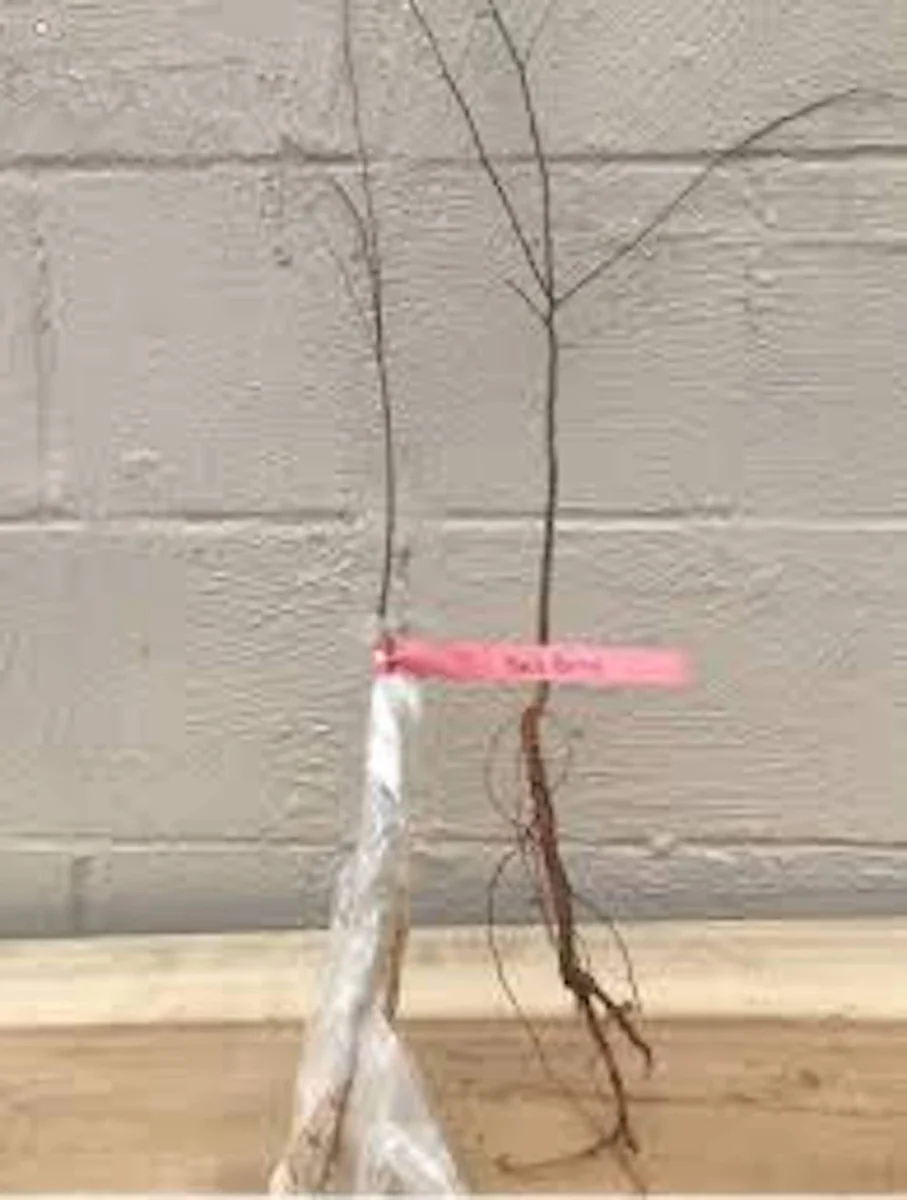
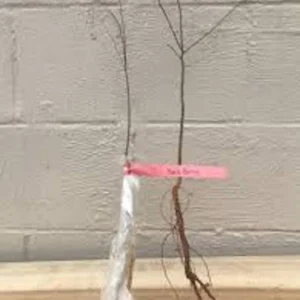
This offering is for one hackberry tree bare root, measuring approximately 12-24 inches tall at the time of shipment. As a bare root plant, it will arrive without soil around its roots, which is the ideal state for planting during the dormant season (typically fall and winter). This method encourages robust root development once planted in its new location. The Hackberry tree, or Celtis occidentalis tree, is a fast-growing species that will quickly establish itself in your landscape.
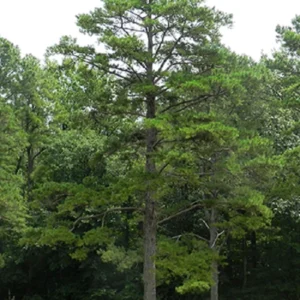
Upon maturity, a sugarberry tree plant typically grows to a significant size, reaching 40-60 feet tall, and occasionally even taller, with a broad, round crown and upright, spreading branches. The trunk diameter can eventually grow to 1-4 feet wide. This impressive mature size makes it an excellent choice for providing substantial shade and a strong vertical element in the landscape. The tree is suitable for USDA Hardiness Zones 3-9, demonstrating its wide adaptability to various climates. Expect steady growth and increasing beauty as your adaptable hackberry tree establishes and matures.
Frequently Asked Questions
- Q: How tall will this hackberry tree bare root be when I receive it? A: This hackberry tree bare root will typically be 12-24 inches tall upon arrival. It is shipped as a young, dormant plant ready for planting.
- Q: What is a bare root tree, and how do I plant it? A: A bare root tree is shipped without soil around its roots. To plant, dig a wide hole, spread the roots, ensure the root collar is at ground level, backfill with soil, and water thoroughly. Planting during dormancy is crucial.
- Q: What hardiness zones is this sugarberry tree plant suitable for? A: This sugarberry tree plant is very hardy and thrives in USDA Hardiness Zones 3-9, making it suitable for a wide range of climates across the United States.
- Q: How much sunlight does a Celtis occidentalis tree need? A: The Celtis occidentalis tree prefers full sun (at least 6 hours of direct sunlight daily) for optimal growth and fruit production, though it can tolerate partial shade.
- Q: Is the hackberry tree drought tolerant? A: Yes, once established, the adaptable hackberry tree is highly drought-tolerant, making it a good choice for areas with less consistent rainfall.
- Q: What kind of soil does this shade tree zones 3-9 prefer? A: While adaptable to various soil types, the Hackberry prefers well-drained, rich, moist soils. It can tolerate both moist and dry conditions.
- Q: What is the mature size of the hackberry tree? A: A mature hackberry tree bare root typically grows 40-60 feet tall with a 1-4 foot trunk diameter, providing significant shade and presence in the landscape.
- Q: Will this tree attract birds? A: Absolutely! The small, sweet berries of the Hackberry tree are a favorite food source for many bird species, making it an excellent choice for attracting wildlife to your garden.
- Q: When is the best time to plant a bare root hackberry tree? A: The best time to plant a bare root hackberry tree is during its dormant season, typically in the fall after leaves drop or early spring before new growth emerges.


Reviews
There are no reviews yet.