Overview
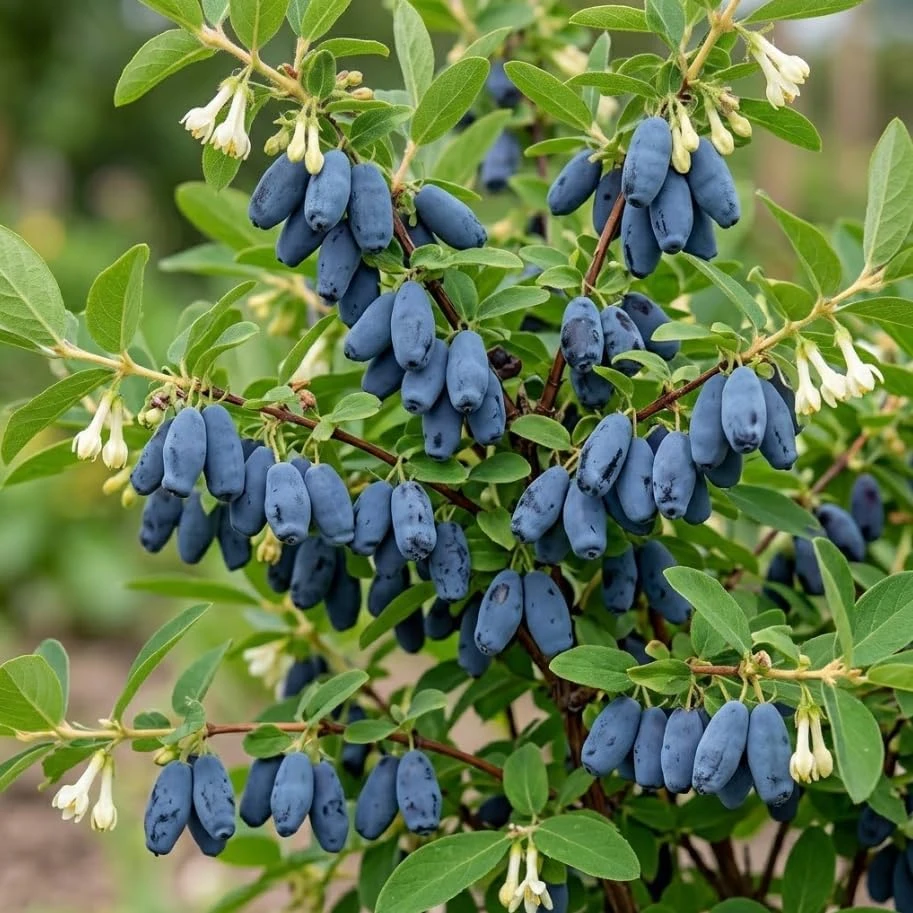
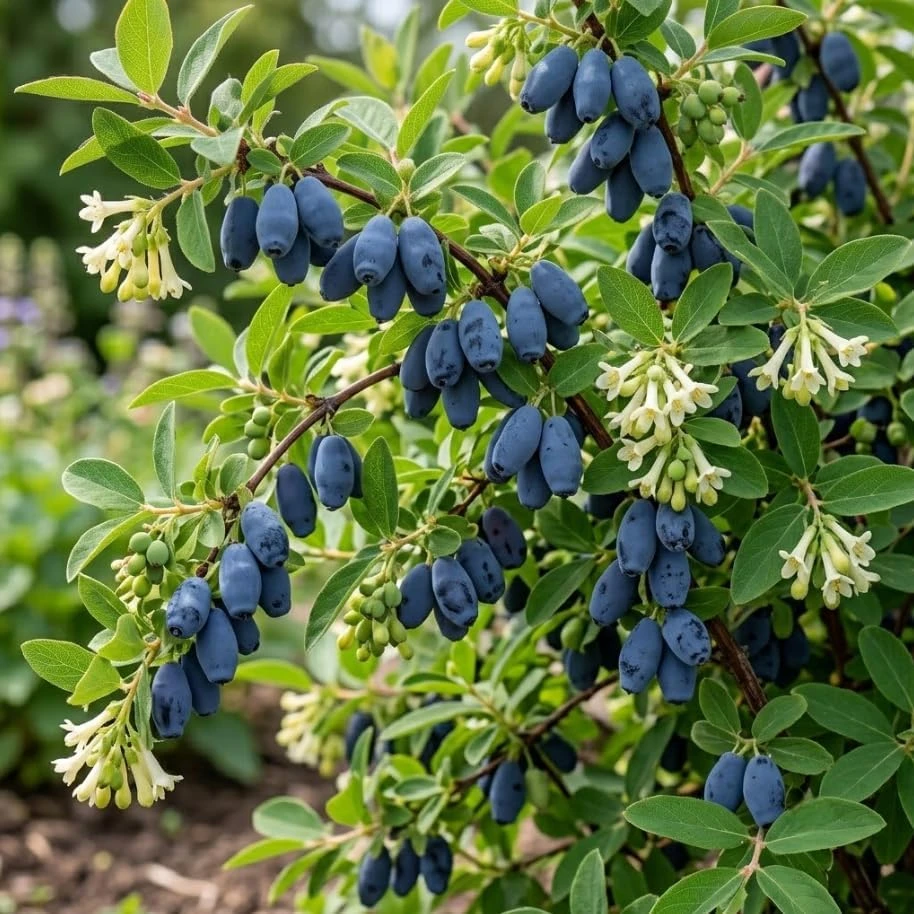
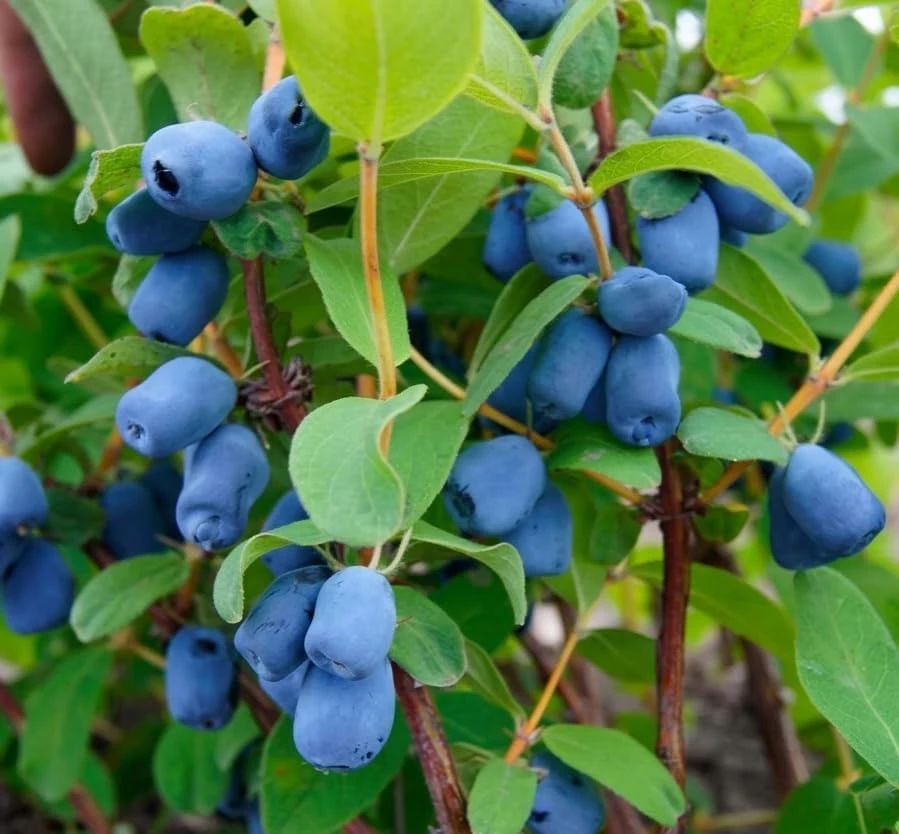
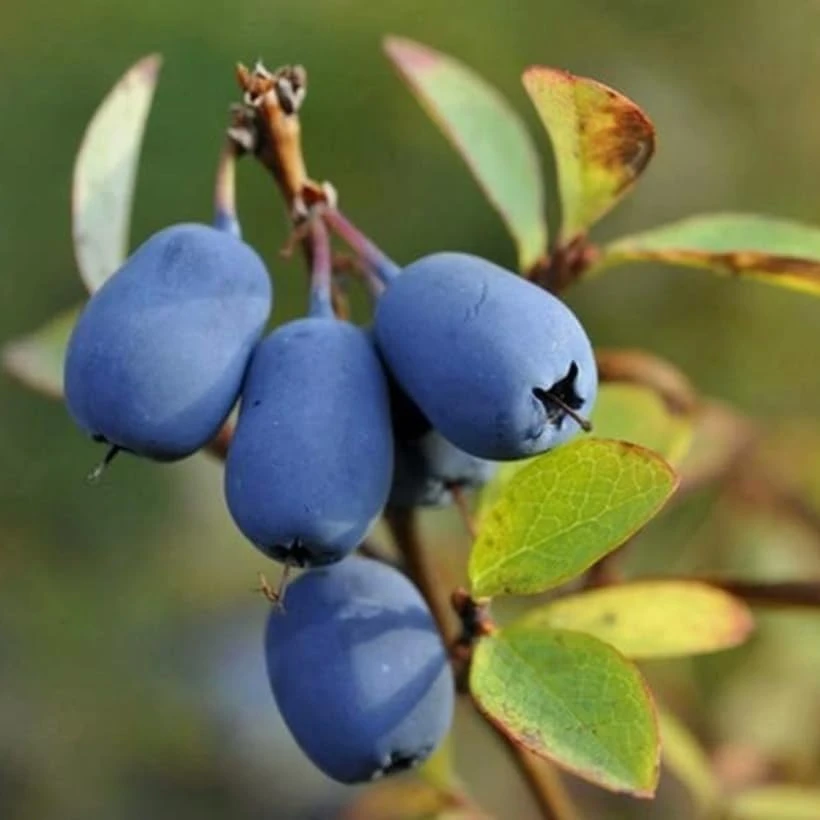
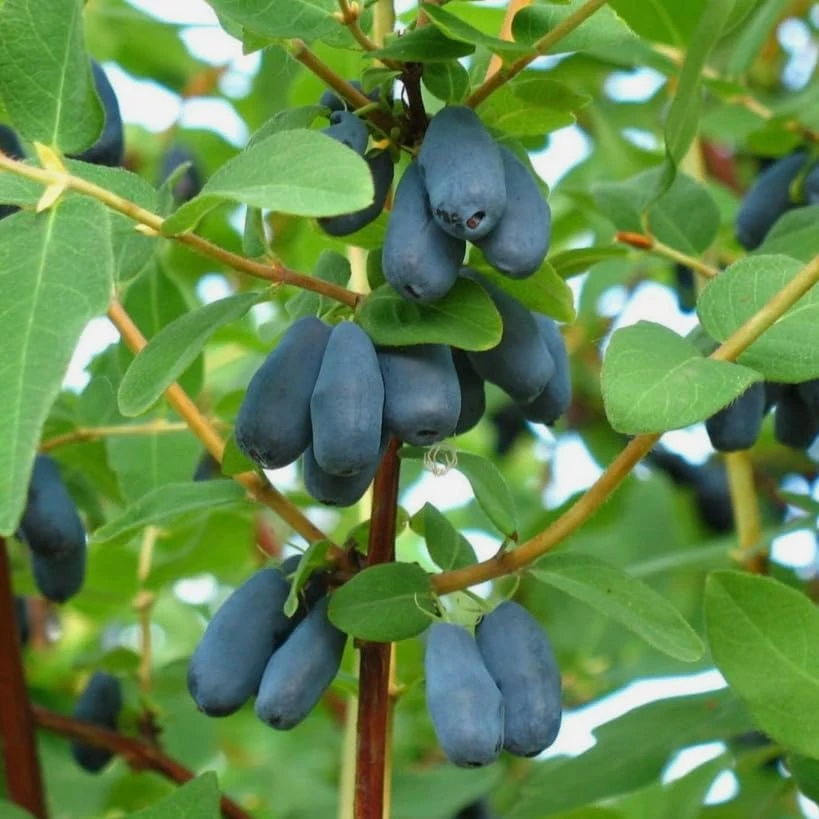
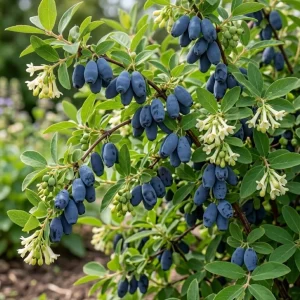
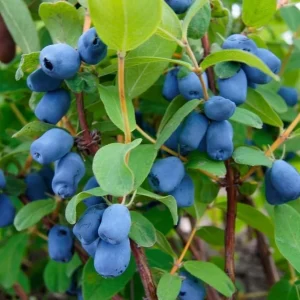
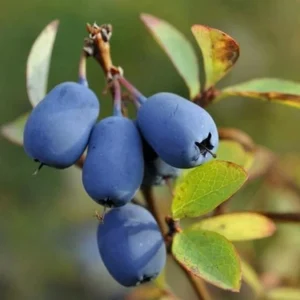
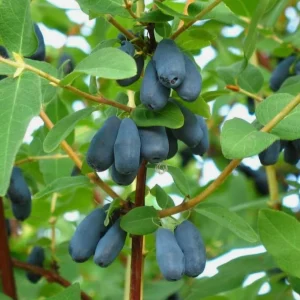
Discover the joy of growing your own superfruits with this exceptional haskap berry live plant. Also known as blue honeysuckle, this unique and resilient fruiting shrub offers a wealth of delicious, elongated blue berries that are bursting with flavor and nutrients. Originating from colder climates, the haskap plant is renowned for its incredible cold hardiness, making it an ideal choice for gardeners in USDA Zones 3-8. This dormant plant, typically shipped at 6-12 inches tall, is ready to establish itself in your garden and provide years of bountiful harvests. A true gem for any edible landscape, the haskap berry live plant is an easy-to-grow addition that brings both ornamental beauty and culinary delight.
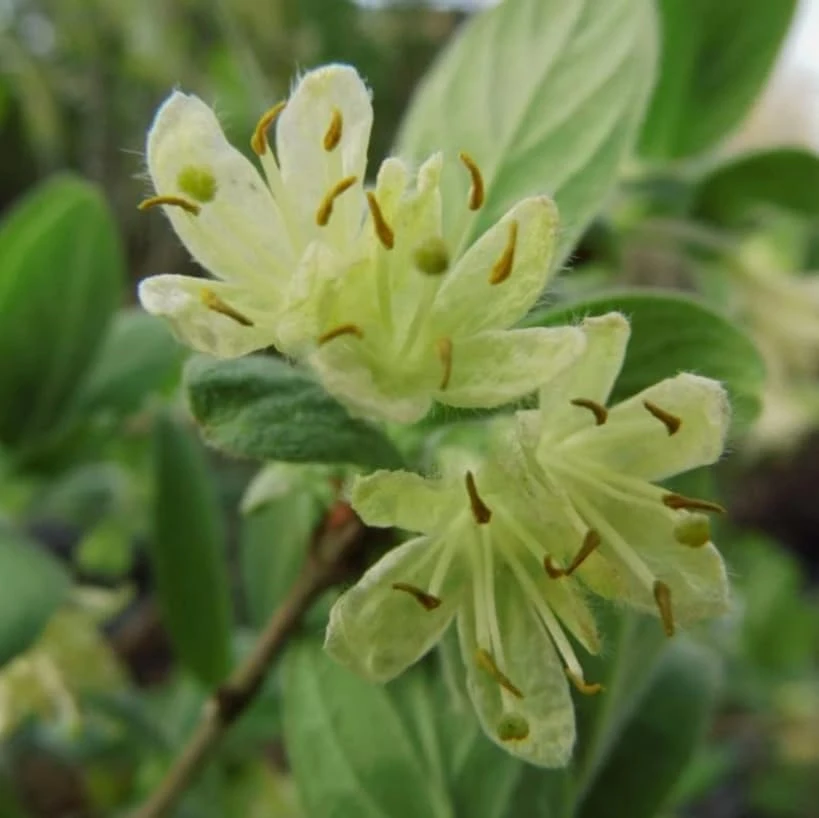
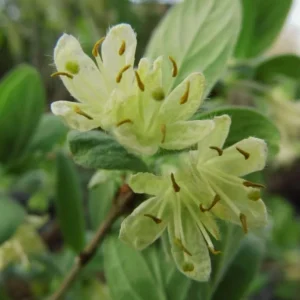
The blue honeysuckle plant is a fascinating species, distinct from ornamental honeysuckles, and cultivated specifically for its edible fruit. Its berries ripen early in the season, often before strawberries, providing one of the first fresh fruit harvests of the year. This makes it a highly anticipated crop for home gardeners and commercial growers alike. With its attractive foliage and charming spring flowers, the haskap is not only productive but also adds visual interest to your garden. Whether you’re an experienced horticulturist or a budding gardener, incorporating a haskap berry live plant into your outdoor space is a rewarding endeavor. Embrace the opportunity to cultivate a unique and healthy fruit source with this remarkable cold hardy berry bush.
Key Benefits
Adding a haskap berry live plant to your garden offers numerous advantages, from its robust nature to its delicious yields:
- Exceptional Cold Hardiness: This plant is incredibly resilient, thriving in cold climates down to USDA Zone 3, making it perfect for regions where other berry bushes struggle. Its ability to withstand harsh winters ensures reliable harvests year after year, establishing it as a truly cold hardy berry bush.
- Delicious Superfruit: Haskap berries are celebrated for their unique sweet-tart flavor profile, often compared to a blend of blueberry, raspberry, and blackcurrant. They are excellent for fresh eating, jams, jellies, pies, and smoothies, offering a versatile culinary experience. The rich flavor makes this edible honeysuckle plant a garden favorite.
- High Nutritional Value: These berries are packed with antioxidants, vitamins, and minerals, making them a healthy addition to any diet. Enjoy the benefits of a homegrown superfruit directly from your haskap berry live plant.
- Early Berry Production: Haskap berries are among the first fruits to ripen in spring, often ready for harvest weeks before strawberries. This provides an early source of fresh, homegrown produce, extending your berry season significantly.
- Easy to Grow: The blue honeysuckle plant is remarkably low-maintenance, adapting well to various soil types and requiring minimal fuss once established. It’s a great choice for both novice and experienced gardeners looking for an easy, productive plant.
- Attractive Garden Addition: Beyond its fruit, the haskap bush offers ornamental value with its delicate flowers in spring and attractive green foliage throughout the growing season, enhancing your garden’s aesthetic appeal.
- Versatile Use: Suitable for hedges, mass plantings, or as a standalone specimen, this cold hardy berry bush fits seamlessly into diverse garden designs, providing both beauty and bounty.
Plant Care & Growing Tips
Caring for your haskap berry live plant is straightforward, ensuring a healthy and productive bush for many years. These plants prefer a location that receives full sun, meaning at least 6-8 hours of direct sunlight per day, though they can tolerate some partial shade in hotter climates. Adequate sunlight is crucial for optimal berry production. When considering soil, haskaps thrive in well-draining, slightly acidic to neutral soil (pH 5.0-7.0). Amend heavy clay soils with organic matter like compost to improve drainage and fertility. Consistent moisture is important, especially during the fruiting period, but avoid waterlogging. Water deeply and regularly, particularly during dry spells.
For best results, fertilize your haskap berry live plant in early spring with a balanced slow-release fertilizer or an organic berry fertilizer. Pruning is minimal for young plants, focusing on removing any dead or damaged branches. As the bush matures, prune to improve air circulation and encourage new growth for better fruit production. This typically involves removing about one-third of the oldest stems annually. Haskap plants are generally resistant to most pests and diseases, making them a low-maintenance choice for the home gardener. Understanding proper haskap plant care ensures a healthy and fruitful harvest.
These plants are incredibly cold hardy, tolerating temperatures down to USDA Zone 3. While dormant in winter, the cold is essential for proper fruit set in spring. Protect young plants from extreme winter winds if necessary, but mature plants are quite resilient. Planting multiple varieties is recommended for cross-pollination and increased fruit yield, as most haskaps are not self-fertile. This ensures you get the most out of your edible honeysuckle plant investment.
Size & Details
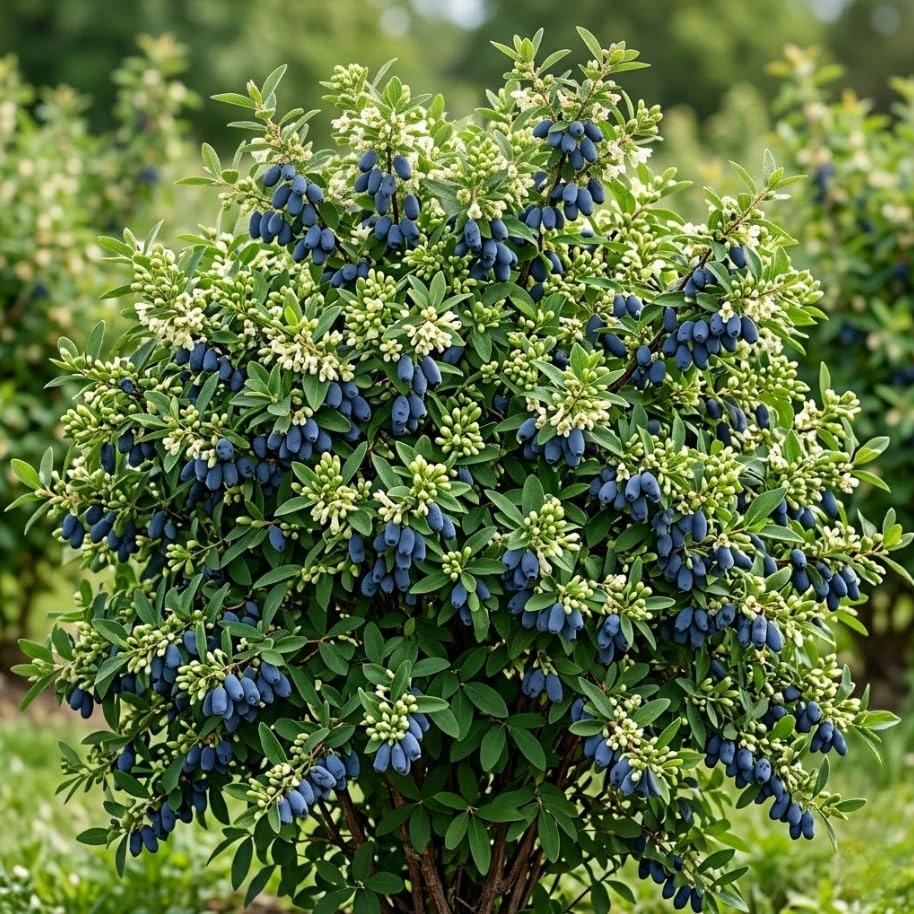
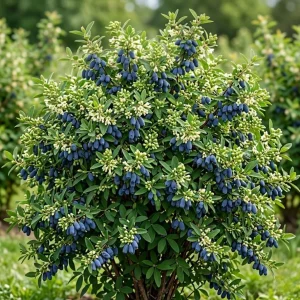
This offering is for a haskap berry live plant, typically shipped dormant and measuring between 6-12 inches tall. These young plants are ready to be established in your garden, providing a head start on growing your own superfruits. Haskap bushes are moderate growers, reaching a mature height and spread of 4-6 feet, making them suitable for various garden sizes and landscape designs. They are shipped as live, healthy plants, carefully packaged to ensure safe arrival. Expect initial growth in the first season, with berry production typically beginning in the second or third year after planting. The plant will arrive in a ready-to-plant condition, requiring immediate attention to ensure successful establishment.
Frequently Asked Questions
- Q: How big does this haskap berry live plant get? A: A mature haskap berry live plant typically reaches a height and spread of 4-6 feet, making it a medium-sized shrub suitable for most gardens.
- Q: What size pot does it come in? A: The plants are typically shipped dormant and may arrive as bare root or in a small nursery pot, ready for immediate planting in your garden.
- Q: How much sunlight does a blue honeysuckle plant need? A: For optimal fruit production, a blue honeysuckle plant thrives in full sun, requiring at least 6-8 hours of direct sunlight daily. Partial shade can be tolerated in very hot climates.
- Q: Is this plant easy to care for? A: Yes, haskap plants are remarkably low-maintenance once established, making them an excellent choice for both novice and experienced gardeners. Basic haskap plant care involves proper watering, soil, and occasional pruning.
- Q: What condition will the plant arrive in? A: Your haskap berry live plant will arrive dormant and healthy, carefully packaged to ensure its safe journey and readiness for planting.
- Q: When is the best time to plant this cold hardy berry bush? A: The best time to plant your cold hardy berry bush is in early spring or fall, allowing it to establish its root system before extreme temperatures.
- Q: Will it survive winter in my zone? A: Yes, haskap plants are exceptionally cold hardy and thrive in USDA Zones 3-8, making them suitable for a wide range of colder climates.
- Q: Do I need more than one haskap plant for berries? A: Yes, haskap plants are not self-fertile. You will need to plant at least two different varieties for cross-pollination to ensure a good berry harvest.
- Q: What are haskap berries used for? A: Haskap berries are versatile and can be enjoyed fresh, in jams, jellies, pies, smoothies, and baked goods. They are a delicious and healthy superfruit.
- Q: How long until my edible honeysuckle plant produces fruit? A: Your edible honeysuckle plant typically begins producing berries in its second or third year after planting, with yields increasing as the plant matures.


Reviews
There are no reviews yet.