Overview
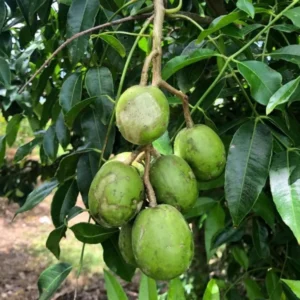
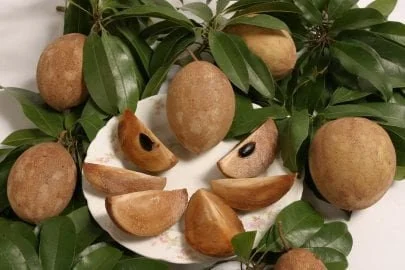
Cultivate a taste of the tropics with your very own hasya sapodilla live plant. This exquisite fruit tree, scientifically known as Manilkara zapota ‘Hasya’, is prized for its exceptionally sweet and flavorful fruit, often described as tasting like a pear steeped in brown sugar. Originating from Central America, the sapodilla has gained popularity worldwide for its unique taste and relatively easy cultivation. Our 2-foot tall sapodilla comes established in a 3-gallon pot, making it ready for transplanting and eager to grow into a productive sapodilla fruit tree. The ‘Hasya’ variety is particularly noted for its improved texture and significantly larger fruit size compared to other types, ensuring a bountiful harvest of delicious, fresh fruit.
The sapodilla tree is a beautiful addition to any landscape, providing not only delectable fruit but also attractive, evergreen foliage. It adapts well to various climates, thriving in warm, subtropical, and tropical regions. Whether you’re an experienced gardener looking to expand your collection of exotic fruits or a beginner eager to grow sapodilla for the first time, this ‘Hasya’ variety offers a rewarding experience. The fruit can be enjoyed fresh, blended into smoothies, or incorporated into cooked dishes, providing a versatile and healthy treat right from your backyard. Expect your tree to begin bearing fruit within one to two years under optimal growing conditions, bringing the joy of homegrown tropical fruit to your table.
Key Benefits
Investing in a hasya sapodilla live plant offers a multitude of benefits, from its delicious fruit to its attractive appearance and ease of care. This particular variety stands out for its superior fruit quality and robust growth, making it a valuable addition to any garden.
- Exquisite Flavor: Enjoy fruit with a unique, intensely sweet taste reminiscent of brown sugar and pear. The ‘Hasya’ variety is celebrated for its exceptional flavor profile that will delight your palate.
- Large, High-Quality Fruit: This improved selection produces impressively large fruit with a very fine, smooth texture, ensuring a premium eating experience that stands out from other sapodilla varieties.
- Early Bearing: Unlike many other fruit trees, the sapodilla fruit tree typically begins to bear fruit within just one to two years of planting, offering a quicker path to harvest.
- Versatile Culinary Use: The sweet fruit is perfect for eating fresh, but also shines in milkshakes, smoothies, desserts, and various cooked dishes, providing culinary flexibility.
- Evergreen Beauty: Beyond its fruit, the sapodilla tree boasts attractive, dense evergreen foliage, making it a beautiful ornamental addition to your garden or patio.
- Container Friendly: While it can grow into a large tree, the hasya sapodilla live plant can also be successfully grown in large containers, making it suitable for patios or smaller spaces, especially in cooler climates where it can be brought indoors.
- Low Maintenance: Once established, sapodilla trees are relatively low-maintenance, requiring minimal attention to thrive and produce fruit, making them a great choice for various gardening skill levels.
Plant Care & Growing Tips
To ensure your hasya sapodilla live plant thrives and produces abundant fruit, understanding its specific care requirements is essential. Sapodilla trees prefer warm, frost-free climates and can be grown in USDA hardiness zones 9-11. In cooler zones, they can be successfully cultivated in large containers and brought indoors during colder months. The ‘Hasya’ variety, like other sapodillas, appreciates a location with full sun exposure, meaning at least 6-8 hours of direct sunlight per day. Adequate sunlight is crucial for fruit production and overall tree health. While young trees may benefit from some afternoon shade in extremely hot climates, established trees prefer full sun.
When it comes to watering, sapodilla trees prefer consistently moist, but not waterlogged, soil, especially during their establishment phase and fruit development. Water deeply once or twice a week, allowing the top few inches of soil to dry out between waterings. Reduce watering frequency during cooler, dormant periods. Well-draining soil is paramount to prevent root rot. A rich, loamy soil with a slightly acidic to neutral pH (6.0-7.0) is ideal. Amend heavy clay soils with organic matter like compost to improve drainage, or sandy soils to enhance water retention. Fertilize your sapodilla fruit tree with a balanced slow-release fertilizer designed for tropical fruit trees, following the product’s instructions, typically in spring and summer. Watch out for common pests like scale insects or mealybugs; address them promptly with horticultural oil or insecticidal soap. Proper care will help you successfully grow sapodilla and enjoy its exotic bounty.
Size & Details
This offering is for a hasya sapodilla live plant that stands approximately 2 feet tall from the base of the pot. It is shipped established in a 3-gallon nursery pot, providing a robust root system ready for transplanting into your garden or a larger container. The tree’s height and spread will vary depending on growing conditions and pruning, but mature sapodilla trees can reach heights of 20-30 feet if left unpruned. When grown in a container, its size can be managed through regular pruning, making it suitable for patio culture.
The ‘Hasya’ variety is known for its vigorous growth and early productivity, often beginning to bear fruit within one to two years from planting. The fruit size is notably large, contributing to a generous harvest. This exotic fruit tree is a long-lived specimen, capable of providing delicious fruit for many years with proper care. It is an investment that will continue to yield flavorful rewards, enhancing your home garden with both its beauty and its unique produce.
Frequently Asked Questions
- Q: How big does this Hasya Sapodilla plant get? A: This hasya sapodilla live plant is currently 2 feet tall and is shipped in a 3-gallon pot. If planted in the ground, it can grow into a large tree, potentially 20-30 feet tall. Its size can be maintained with regular pruning if grown in a container.
- Q: Is this an indoor or outdoor plant? A: The Hasya Sapodilla is primarily an outdoor plant suited for tropical and subtropical climates (USDA zones 9-11). In cooler zones, it can be grown outdoors during warm months and brought indoors as a container plant when temperatures drop.
- Q: How much sunlight does it need? A: To produce the best fruit, your sapodilla fruit tree requires full sun exposure, meaning at least 6-8 hours of direct sunlight per day. Young trees might benefit from some afternoon shade in extreme heat.
- Q: Is this plant easy to care for? A: Once established, sapodilla trees are relatively low-maintenance. They require consistent watering, well-draining soil, and periodic fertilization. They are a good choice for gardeners looking to grow sapodilla with moderate effort.
- Q: What condition will it arrive in? A: Your hasya sapodilla live plant will arrive as a healthy, established plant in a 3-gallon nursery pot, with its root ball intact and protected, ready for transplanting.
- Q: How long until it blooms and produces fruit? A: The ‘Hasya’ variety is known for early bearing. Under optimal conditions, you can expect your tree to start flowering and producing fruit within one to two years of planting.
- Q: What’s the minimum temperature this exotic fruit tree can tolerate? A: Sapodilla trees are sensitive to frost. They thrive in temperatures above 60°F (15°C) and can tolerate brief dips to around 30°F (-1°C) once mature. Young plants are more susceptible to cold damage.
- Q: Can I grow this sapodilla in a pot indefinitely? A: Yes, you can successfully grow this exotic fruit tree in a large container indefinitely. Regular pruning will be necessary to manage its size and encourage fruit production, and you’ll need to upgrade the pot size as the tree grows.
- Q: What kind of soil is best for growing sapodilla? A: Sapodilla trees prefer rich, well-draining soil with a slightly acidic to neutral pH. A good quality potting mix amended with compost or other organic matter is ideal for container growing.
- Q: What does sapodilla fruit taste like? A: The fruit of the hasya sapodilla live plant has a distinctly sweet, rich flavor often compared to a pear soaked in brown sugar or caramel, with a slightly granular yet smooth texture.


Reviews
There are no reviews yet.