Overview
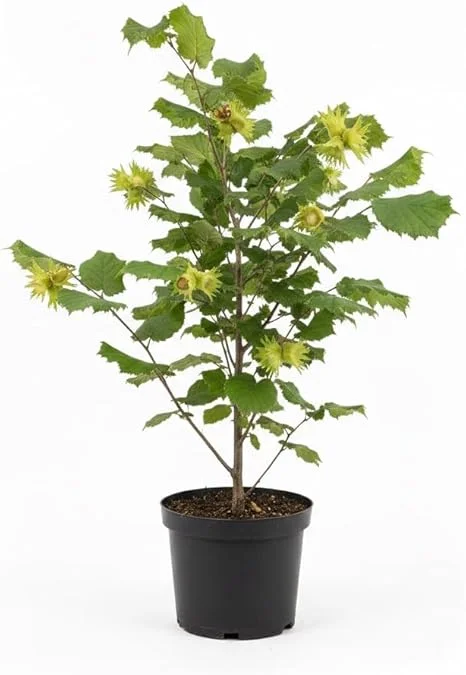
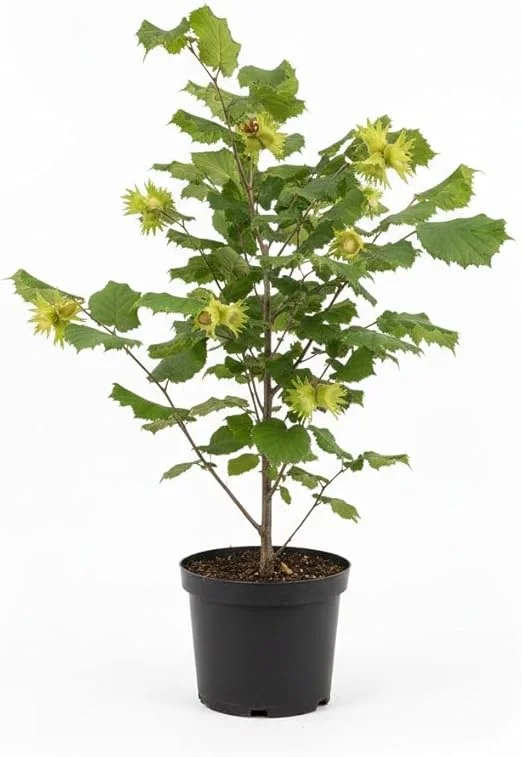
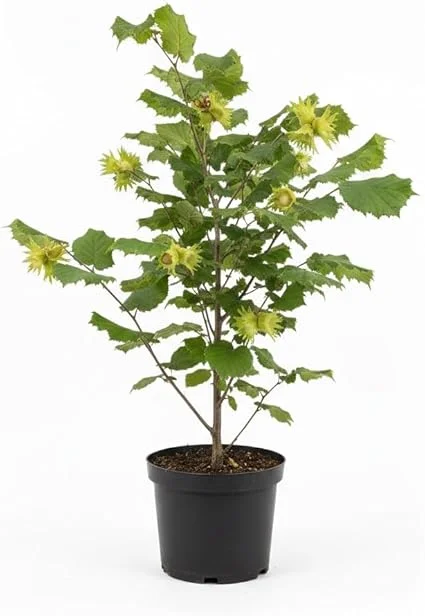
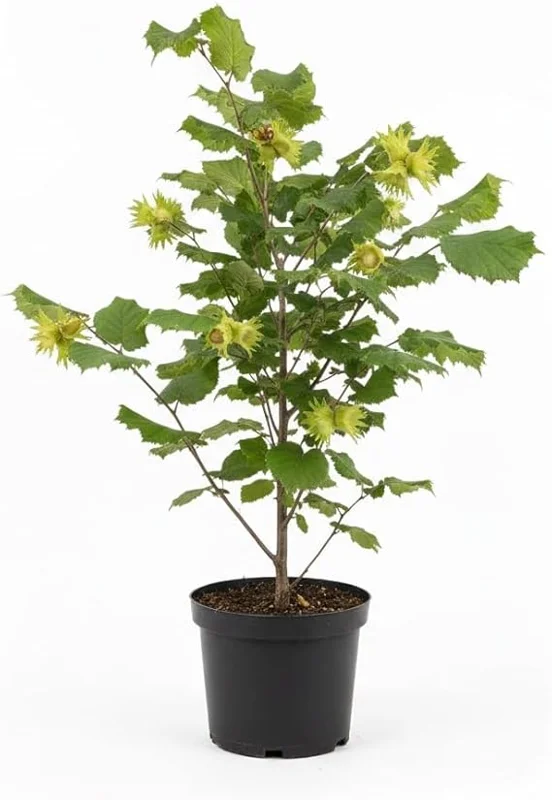
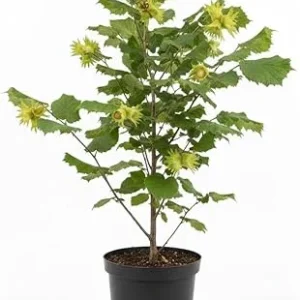
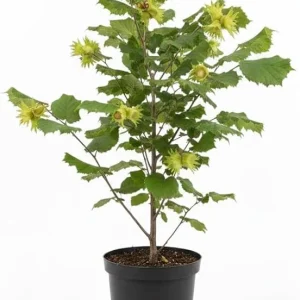
Embark on a rewarding gardening journey with this robust hazelnut tree live plant. Standing at approximately 2 feet tall and 1 year old, this vibrant specimen is ready to establish itself in your garden, promising future harvests of delicious hazelnuts. Hazelnut trees, also known as filbert trees (Corylus avellana), are celebrated for their attractive foliage, hardy nature, and, most importantly, their highly nutritious and versatile nuts. This particular edible nut tree is an excellent choice for both experienced gardeners and enthusiastic beginners looking to add a productive and beautiful element to their landscape. Imagine the satisfaction of harvesting your own fresh hazelnuts, perfect for baking, snacking, or culinary creations. This tree is specifically selected for its vigor and ability to thrive, making growing hazelnut trees a delightful and sustainable endeavor.
Our hazelnut tree live plant arrives ready to be planted, ensuring a smooth transition to its new home. These trees are known for their relatively fast growth rate and ability to start producing nuts within 3-5 years under optimal conditions. They are also a fantastic addition to wildlife gardens, providing food and shelter for various creatures. With proper care, this outdoor hazelnut tree will become a cherished part of your landscape for many years to come.
Key Benefits
Bringing a hazelnut tree into your garden offers a multitude of advantages, blending aesthetic appeal with practical yield. This particular hazelnut tree live plant provides a sustainable source of delicious nuts and contributes positively to your local ecosystem.
- Sustainable Nut Harvest: Enjoy the unparalleled satisfaction of harvesting your own fresh, organic hazelnuts directly from your garden. Hazelnuts are rich in healthy fats, protein, and fiber, making them a nutritious addition to any diet.
- Hardy & Low Maintenance: These trees are renowned for their resilience and adaptability, requiring minimal fuss once established. They are tolerant of a range of soil conditions and climates, making growing hazelnut trees a manageable task for most gardeners.
- Attractive Landscape Addition: Beyond their edible bounty, hazelnut trees offer beautiful green foliage throughout the growing season and interesting catkins in late winter, adding year-round visual interest to your garden.
- Wildlife Friendly: The nuts provide a valuable food source for local wildlife, including squirrels and birds, making your garden a more vibrant and biodiverse habitat.
- Adaptable to Various Climates: With a broad USDA Hardiness Zone range, this outdoor hazelnut tree can thrive in cooler climates and adapt well to warmer regions, offering flexibility for gardeners across the US.
- Excellent for Smaller Gardens: While they can grow into substantial trees, hazelnuts can also be managed with pruning, making them suitable for smaller garden spaces or even as a decorative feature.
- Long-Term Investment: A well-cared-for hazelnut tree can produce nuts for decades, providing a continuous supply of this valuable crop and increasing the value of your property.
Plant Care & Growing Tips
Ensuring the health and productivity of your hazelnut tree live plant involves understanding its basic needs for sunlight, water, and soil. Hazelnut trees are generally low-maintenance, making hazelnut plant care relatively straightforward for most gardeners. They thrive best in a location that receives full sun to partial shade, ideally at least 6 hours of direct sunlight per day. Adequate sunlight is crucial for robust growth and optimal nut production. While they can tolerate some shade, too little sun can result in sparse yields. When selecting a spot for your outdoor hazelnut tree, consider its mature size and ensure it won’t be overshadowed by larger structures or trees.
For watering, hazelnut trees prefer moderate moisture. During their establishment period, especially in the first year, consistent watering is vital. The soil should be kept evenly moist but not waterlogged. Once established, they are more drought-tolerant but will benefit from deep watering during prolonged dry spells. The key to successful growing hazelnut trees lies in well-draining soil. They prefer a rich, loamy soil with a pH between 6.0 and 7.0. Avoid heavy clay soils that retain too much water, as this can lead to root rot. Incorporating organic matter like compost before planting will significantly improve soil structure and fertility. These trees are hardy in USDA Zones 4-8, indicating their ability to withstand a wide range of winter temperatures.
Fertilization can begin in the second year after planting. A balanced, slow-release fertilizer applied in early spring can encourage vigorous growth and nut development. Follow package instructions for application rates. Pruning is important for shape, air circulation, and maximizing nut yield. Remove any dead, diseased, or crossing branches in late winter when the tree is dormant. Thinning out older, less productive stems can also rejuvenate the tree. While generally resistant to many pests and diseases, monitor for common issues like aphids or powdery mildew and address them promptly with appropriate organic or chemical controls. Proper hazelnut plant care will ensure your tree remains healthy and productive for many seasons.
Size & Details
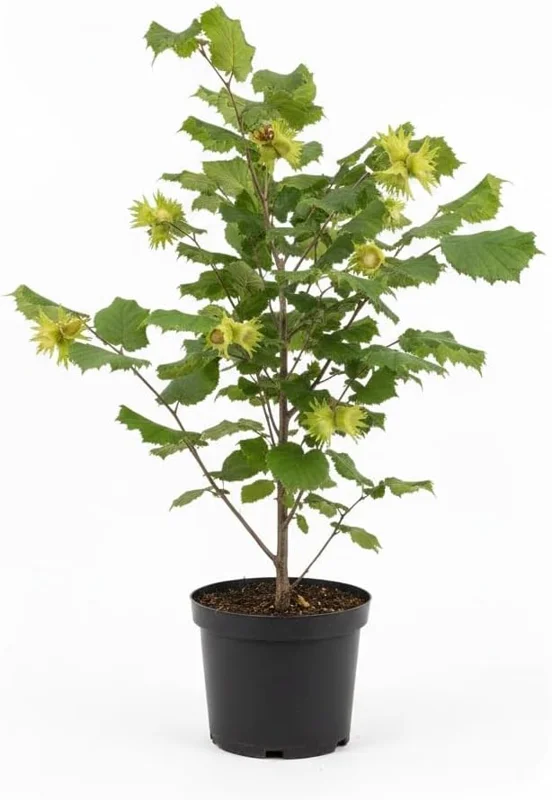
This offering is for one hazelnut tree live plant, which stands approximately 2 feet tall upon arrival. It is a 1-year-old specimen, providing a head start for establishment in your garden. This size is ideal for planting, allowing the tree to quickly adapt to its new environment and begin its growth cycle. Hazelnut trees typically grow at a moderate rate, eventually reaching heights of 10-15 feet and a similar spread, though they can be kept smaller with regular pruning. The tree will be shipped in a nursery pot, with its root ball intact and protected, ensuring it arrives in optimal condition for planting. You can expect this edible nut tree to begin producing nuts within 3 to 5 years after planting, with yields increasing as the tree matures. This outdoor hazelnut tree is a long-term investment that will provide both beauty and bounty for decades.
Frequently Asked Questions
- Q: How big does this hazelnut tree live plant get? A: This hazelnut tree live plant arrives at approximately 2 feet tall. Mature hazelnut trees typically reach heights of 10-15 feet with a similar spread, but their size can be managed through regular pruning.
- Q: Is this an indoor or outdoor plant? A: This is an outdoor hazelnut tree. It is designed to thrive in garden settings and requires outdoor conditions for proper growth and nut production.
- Q: How much sunlight does it need? A: For best results and optimal nut yield, your hazelnut tree needs full sun to partial shade, ideally receiving at least 6 hours of direct sunlight per day.
- Q: Is this plant easy to care for? A: Yes, hazelnut trees are known for being relatively low-maintenance once established. They are hardy and adaptable, making hazelnut plant care suitable for gardeners of various skill levels.
- Q: What condition will it arrive in? A: Your hazelnut tree will arrive as a healthy, 1-year-old live plant, approximately 2 feet tall, typically shipped in a nursery pot with its root system carefully protected to ensure a successful transition to your garden.
- Q: How long until it produces nuts? A: Under ideal growing conditions and with proper hazelnut plant care, you can expect this edible nut tree to start producing nuts within 3 to 5 years after planting.
- Q: Will it survive winter in my zone? A: This hazelnut tree is hardy in USDA Zones 4-8. If your region falls within these zones, the tree is well-suited to tolerate the winter temperatures.
- Q: What kind of soil is best for growing hazelnut trees? A: Hazelnut trees prefer well-draining, rich, loamy soil with a neutral to slightly acidic pH (6.0-7.0). Good drainage is crucial to prevent root issues.
- Q: Can I grow this hazelnut tree in a container? A: While possible for a short period when young, for long-term health and nut production, this outdoor hazelnut tree is best planted directly in the ground where its roots can spread freely.
- Q: What are the benefits of growing hazelnut trees? A: Beyond fresh, delicious nuts, growing hazelnut trees adds ornamental value to your landscape, provides food for wildlife, and is a sustainable, long-term food source.


Reviews
There are no reviews yet.