Overview
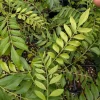
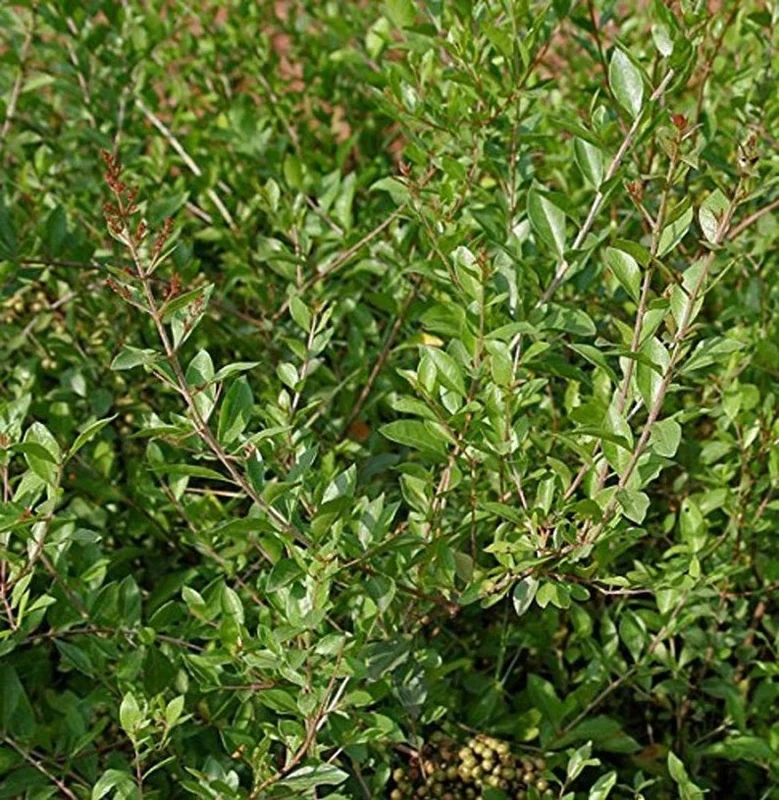
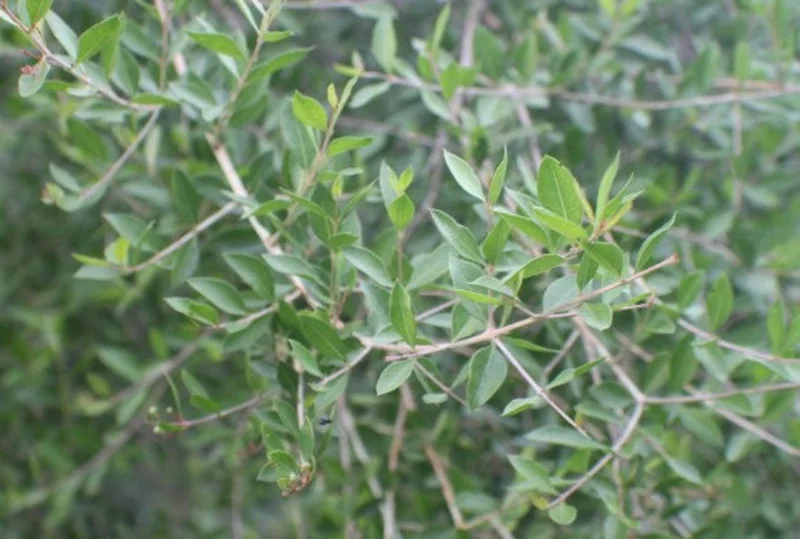
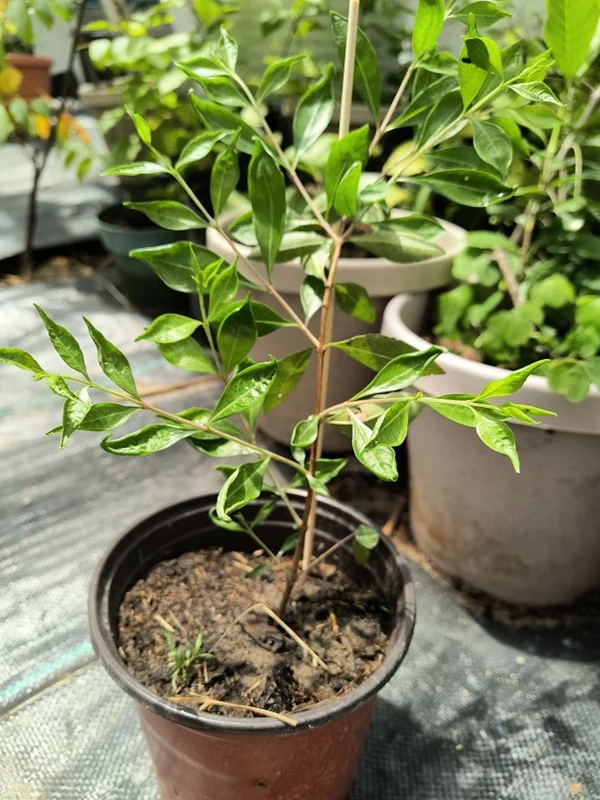
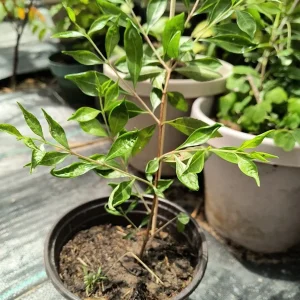
Discover the beauty and versatility of the henna live plant, also known as the Mehndi plant or by its botanical name, Lawsonia inermis. This beautiful shrub is revered for its vibrant green foliage and its historical significance as the source of natural henna dye. Originating from tropical and subtropical regions, the henna plant thrives in warm climates and can be easily grown indoors in cooler zones, or outdoors in suitable environments. Our carefully nurtured 8-12 inch specimens arrive ready to establish in your home or garden, offering both aesthetic appeal and the unique opportunity to harvest your own henna leaves. Growing your own henna live plant allows you to connect with ancient traditions and enjoy a plant that is both decorative and functional.
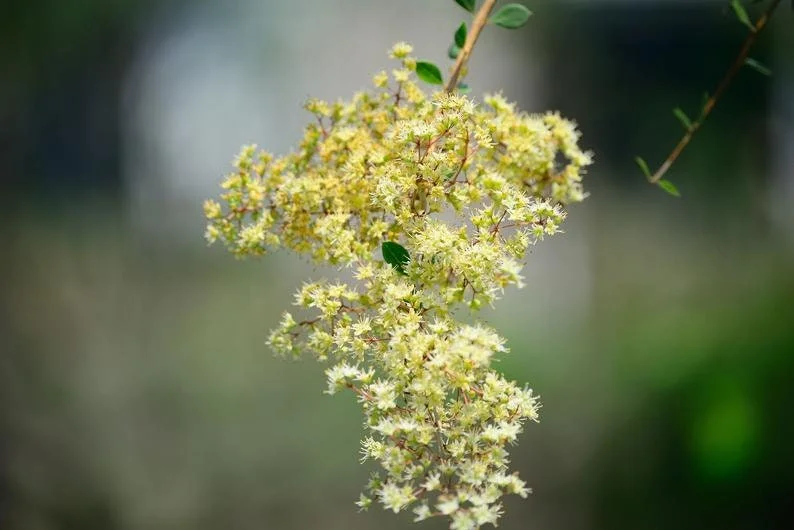
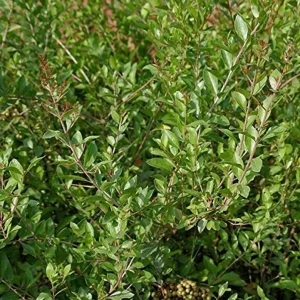
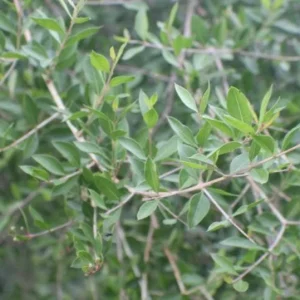
The henna live plant is not just a source of dye; it’s also an attractive addition to any plant collection. Its delicate leaves and sometimes fragrant flowers add an exotic touch to your space. Whether you’re a seasoned gardener or a curious beginner, cultivating a henna live plant is a rewarding experience. It’s a fantastic way to bring a piece of cultural heritage and natural beauty into your living environment, providing fresh leaves for artistic and cosmetic uses.
Key Benefits
Bringing a henna live plant into your home or garden offers a multitude of benefits, from its aesthetic charm to its practical applications. This unique plant is more than just a green accent; it’s a living piece of art and tradition.
- Natural Dye Source: Harvest fresh leaves from your henna live plant to create your own natural, chemical-free henna paste for skin art, hair conditioning, or textile dyeing. Enjoy the satisfaction of a self-sustaining supply.
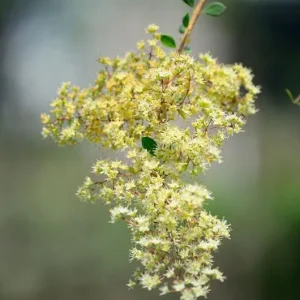
- Unique Ornamental Beauty: With its lush green foliage and potential for small, fragrant flowers, the henna plant adds an exotic and visually appealing element to any indoor or outdoor setting.
- Air Purification: Like many plants, the henna contributes to a healthier indoor environment by naturally filtering air and improving oxygen levels, making your living space fresher.
- Cultural Connection: Owning a henna plant provides a direct link to centuries of tradition and cultural practices, allowing you to explore the art of mehndi and its rich history firsthand.
- Low Maintenance: Once established, the henna live plant is relatively easy to care for, making it suitable for gardeners of various experience levels. It’s a resilient plant that rewards consistent attention.
- Versatile Growth: This plant can be grown as a compact houseplant or, in warmer climates, as a beautiful shrub in your garden, offering flexibility in how you incorporate it into your space.
- Educational Experience: Growing henna is an excellent educational opportunity, especially for families, to learn about plant biology, traditional uses, and sustainable practices.
Plant Care & Growing Tips
To ensure your henna live plant thrives, understanding its specific care requirements is essential. This plant, also known as mehndi plant care, prefers warm, sunny conditions, mimicking its native tropical habitat. For optimal growth, provide plenty of bright, direct sunlight. If growing indoors, place it near a south-facing window or under grow lights for at least 6-8 hours daily. Outdoors, choose a spot that receives full sun for most of the day.
Watering should be consistent but not excessive. The soil should be kept moist, but never waterlogged. Allow the top inch of soil to dry out slightly between waterings. Overwatering can lead to root rot, so good drainage is crucial. During the growing season (spring and summer), you may need to water more frequently. Reduce watering in the cooler months. As for soil, the lawsonia inermis indoor plant prefers well-draining soil with a slightly acidic to neutral pH. A good quality potting mix amended with perlite or sand will provide the necessary drainage and aeration. Fertilize every 2-4 weeks during the active growing season with a balanced liquid fertilizer, diluting it to half strength. Reduce or stop fertilization during the dormant period.
The henna plant is sensitive to cold temperatures. If you live in a region where temperatures drop below 50°F (10°C), it’s best to grow your henna live plant in a pot that can be brought indoors during winter. It thrives in warm temperatures between 70-100°F (21-38°C). Pruning can be done to maintain shape and encourage bushier growth, as well as to harvest leaves. Watch out for common pests like spider mites or aphids, especially in dry indoor environments; regular inspection and appropriate organic pest control methods can keep your plant healthy. Learning how to grow henna successfully involves paying attention to these environmental factors.
Size & Details
This offering includes one henna live plant specimen, measuring approximately 8-12 inches in height from the base of the pot to the tip of its tallest leaf. It arrives in a nursery pot, typically a 4-inch container, providing a healthy root system ready for transplanting. While the exact growth rate can vary based on conditions, henna plants are known to be moderately fast growers in ideal environments. With proper care, your plant can reach heights of 6-8 feet as a mature shrub if grown outdoors in suitable climates, or be maintained at a smaller, more manageable size for indoor cultivation through regular pruning. Expect your plant to establish quickly and begin producing fresh foliage suitable for harvesting within a few months of receiving it. This size is perfect for beginning your journey with a natural dye plant.
Frequently Asked Questions
- Q: How big does this plant get? A: This henna live plant arrives 8-12 inches tall. With proper care, it can grow into a large shrub up to 6-8 feet tall outdoors, or be kept smaller as an indoor potted plant through regular pruning.
- Q: What size pot does it come in? A: The plant typically arrives in a 4-inch nursery pot, providing a good foundation for its initial growth and easy transplanting into a larger container.
- Q: Is this an indoor or outdoor plant? A: The henna live plant can be grown both indoors and outdoors. It thrives outdoors in USDA Zones 9-11. In cooler climates, it’s best grown as an indoor houseplant or brought inside during colder months.
- Q: How much sunlight does it need? A: Henna requires plenty of sunlight. It prefers full sun (6-8 hours of direct light) when grown outdoors, and bright, direct light when kept indoors, ideally near a south-facing window.
- Q: Is this plant easy to care for? A: Yes, once established, the henna live plant is considered relatively easy to care for. It needs consistent watering, plenty of light, and protection from cold temperatures.
- Q: What condition will it arrive in? A: Your henna live plant will arrive carefully packaged, with a healthy root system and vibrant foliage, ready to be acclimated to its new environment.
- Q: Can I use the leaves for natural dye? A: Absolutely! This plant is specifically cultivated for its leaves, which are the source of natural henna dye. You can harvest the leaves to create your own mehndi paste once the plant is established and producing sufficient foliage. This is a true natural dye plant.
- Q: How long until it’s ready for harvesting? A: You can start harvesting leaves from your henna live plant a few months after it has settled and begun to produce new growth. Regular harvesting encourages bushier growth.
- Q: What’s the minimum temperature it can tolerate? A: The henna live plant is tropical and sensitive to cold. It should not be exposed to temperatures below 50°F (10°C) for extended periods to prevent damage.
- Q: Is it good for beginners? A: Yes, with attention to its light and watering needs, the henna live plant is a rewarding choice for beginner and experienced gardeners alike, especially those interested in unique plants and natural dyes.


Reviews
There are no reviews yet.