Overview
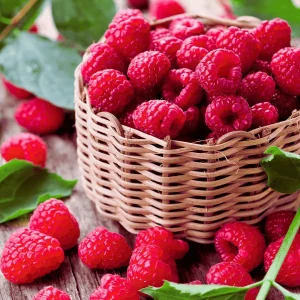
Discover the joy of homegrown fruit with the heritage red raspberry plant. This renowned variety is celebrated for its exceptional flavor, robust growth, and reliable dual-season harvest. Each offering includes a vigorous, 1-year-old bare root cane, carefully selected to ensure a strong start in your garden. As an everbearing raspberry plant, it provides a generous yield of deliciously sweet, firm red raspberries, perfect for enjoying fresh off the cane, preserving, or adding to your favorite recipes. Known for its resilience and adaptability, this raspberry is a fantastic choice for both novice and seasoned gardeners looking to grow red raspberries.
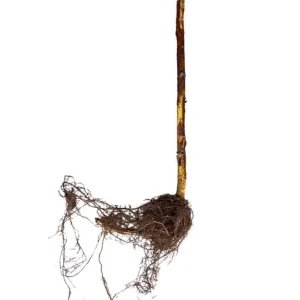
The ‘Heritage’ variety is a time-tested favorite, prized for its consistently high-quality fruit and manageable growth habit. Shipping dormant, these bare root canes are designed for easy planting and quick establishment, allowing you to look forward to bountiful harvests. Experience the satisfaction of cultivating your own organic fruit with this productive and delightful heritage red raspberry plant.
Key Benefits
The heritage red raspberry plant offers numerous advantages for any home gardener, making it a highly rewarding addition to your landscape:
- Dual-Season Harvest: As an everbearing raspberry plant, it produces two distinct crops each year – one in late summer and another in the fall – maximizing your fresh fruit supply.
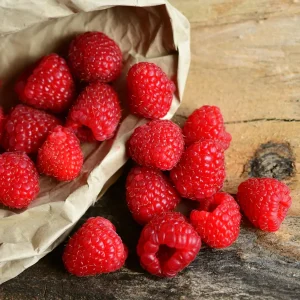
- Exceptional Flavor: Enjoy deliciously sweet and firm red raspberries, ideal for fresh eating, baking, jams, and freezing.
- High Yield: This variety is known for its prolific production, ensuring a generous harvest from each cane under proper care.
- Disease Resistance: ‘Heritage’ raspberries exhibit strong natural resistance to many common raspberry diseases, simplifying maintenance and promoting healthier plants.
- Easy to Maintain: The upright, vigorous canes are relatively easy to prune and manage, making them suitable for gardeners of all experience levels.
- Versatile Use: The fresh fruit is perfect for snacking, while excess can be easily canned, frozen, or used in various culinary applications.
- Strong Start: Shipped as a dormant bare root cane, it establishes quickly and focuses its energy on developing a robust root system for future growth.
Plant Care & Growing Tips
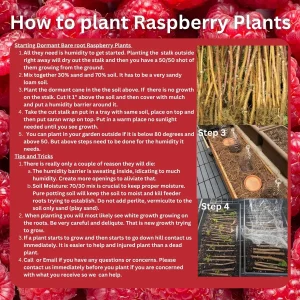
Caring for your heritage red raspberry plant is straightforward, leading to abundant harvests. These plants thrive in USDA Hardiness Zones 4–8, preferring a location with full sun, meaning at least 6–8 hours of direct sunlight per day. Adequate sunlight is crucial for fruit production and flavor development. The ideal soil is well-drained and fertile, with a pH ranging from 6.0–6.5. Amending heavy clay soils with organic matter can improve drainage, while sandy soils may benefit from compost to enhance water retention and nutrient availability.
When planting, space canes 2–3 feet apart within the row, allowing 6–8 feet between rows to ensure good air circulation and room for growth. Water consistently, especially during the growing season and fruit development, aiming for 1–1.5 inches of water per week. Avoid overhead watering to minimize fungal diseases. A trellis system is highly recommended for support and to keep canes off the ground, which improves airflow and makes harvesting easier. Fertilize in early spring with a balanced slow-release fertilizer or compost to support vigorous growth and fruit production. Pruning is key for managing your everbearing raspberry plant. For two crops, remove spent canes after the summer harvest and allow primocanes to produce in the fall. For a single, larger fall crop, simply cut all canes to the ground in late winter. This will encourage the plant to focus all its energy on fall production, resulting in a more concentrated yield. Proper raspberry plant care will ensure years of delicious fruit.
Size & Details
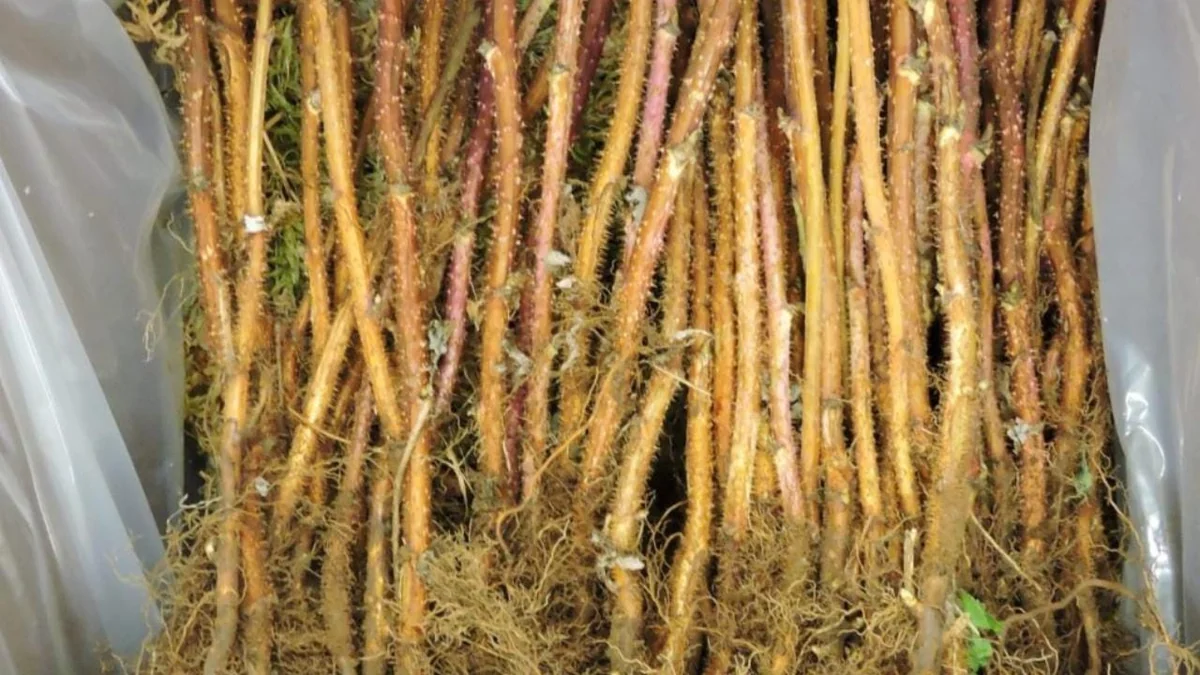
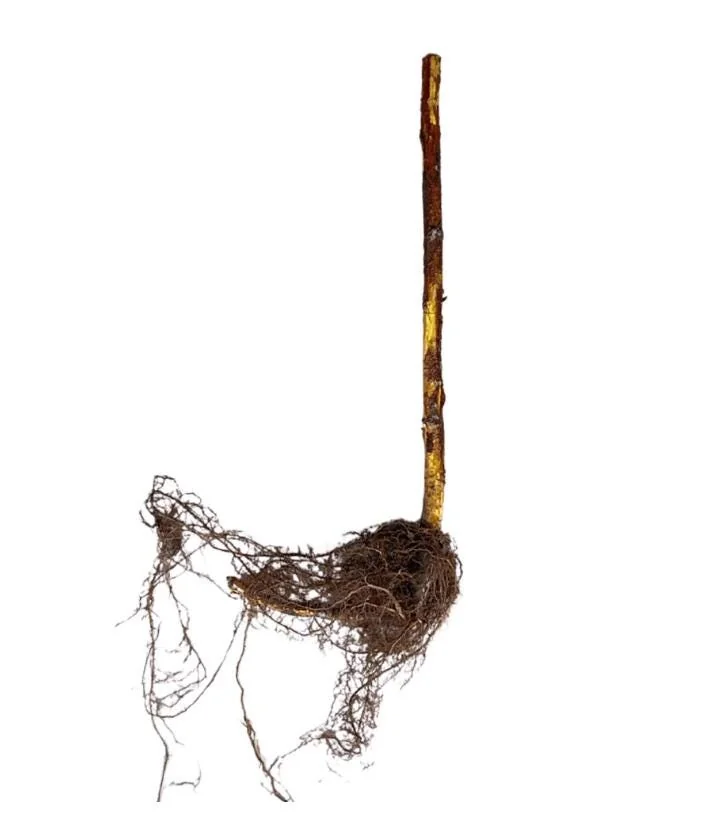
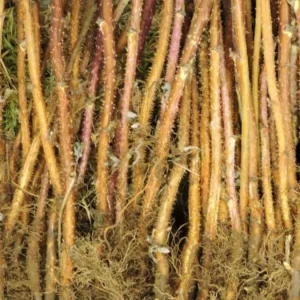
Each offering provides one heritage red raspberry plant, shipped as a 1-year-old bare root cane. These canes arrive dormant, which is the optimal state for transplanting, as it minimizes shock and allows the plant to focus its energy on root development once planted. Typically, bare root canes range from 12-18 inches in length, with a healthy root system ready for planting. Once established, ‘Heritage’ raspberry canes are vigorous growers, reaching mature heights of 4-6 feet and spreading 2-3 feet wide, forming a productive hedge. The first summer crop can be expected in late June to early July, followed by a more substantial fall crop from late August through October, demonstrating the true everbearing nature of this variety. Expect a moderate growth rate, with significant cane development in the first year and increasing fruit production in subsequent years. This allows you to successfully grow red raspberries that are both flavorful and abundant.
Frequently Asked Questions
- Q: How big does this heritage red raspberry plant get? A: Once established, ‘Heritage’ raspberry canes typically grow to a height of 4-6 feet and can spread 2-3 feet wide, forming a productive patch. Proper spacing and support are recommended for optimal growth.
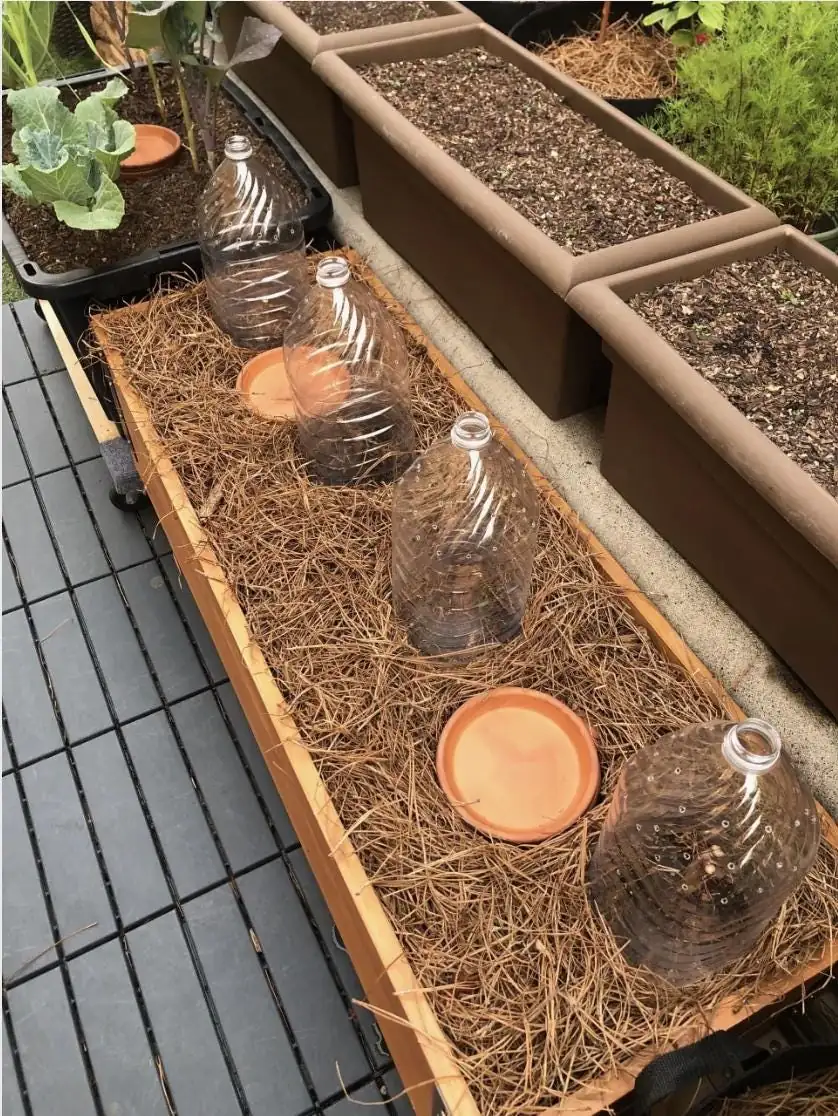
- Q: Is this an indoor or outdoor plant? A: The heritage red raspberry plant is an outdoor fruiting bush, best suited for garden beds, raised beds, or large containers where it can receive full sun exposure.
- Q: How much sunlight does my everbearing raspberry plant need? A: This raspberry variety requires full sun, meaning at least 6-8 hours of direct sunlight per day, to produce the best fruit yields and flavor.
- Q: Is this raspberry plant easy to care for? A: Yes, ‘Heritage’ raspberries are considered relatively easy to care for due to their vigorous growth, disease resistance, and straightforward pruning requirements, making them suitable for beginners who want to grow red raspberries.
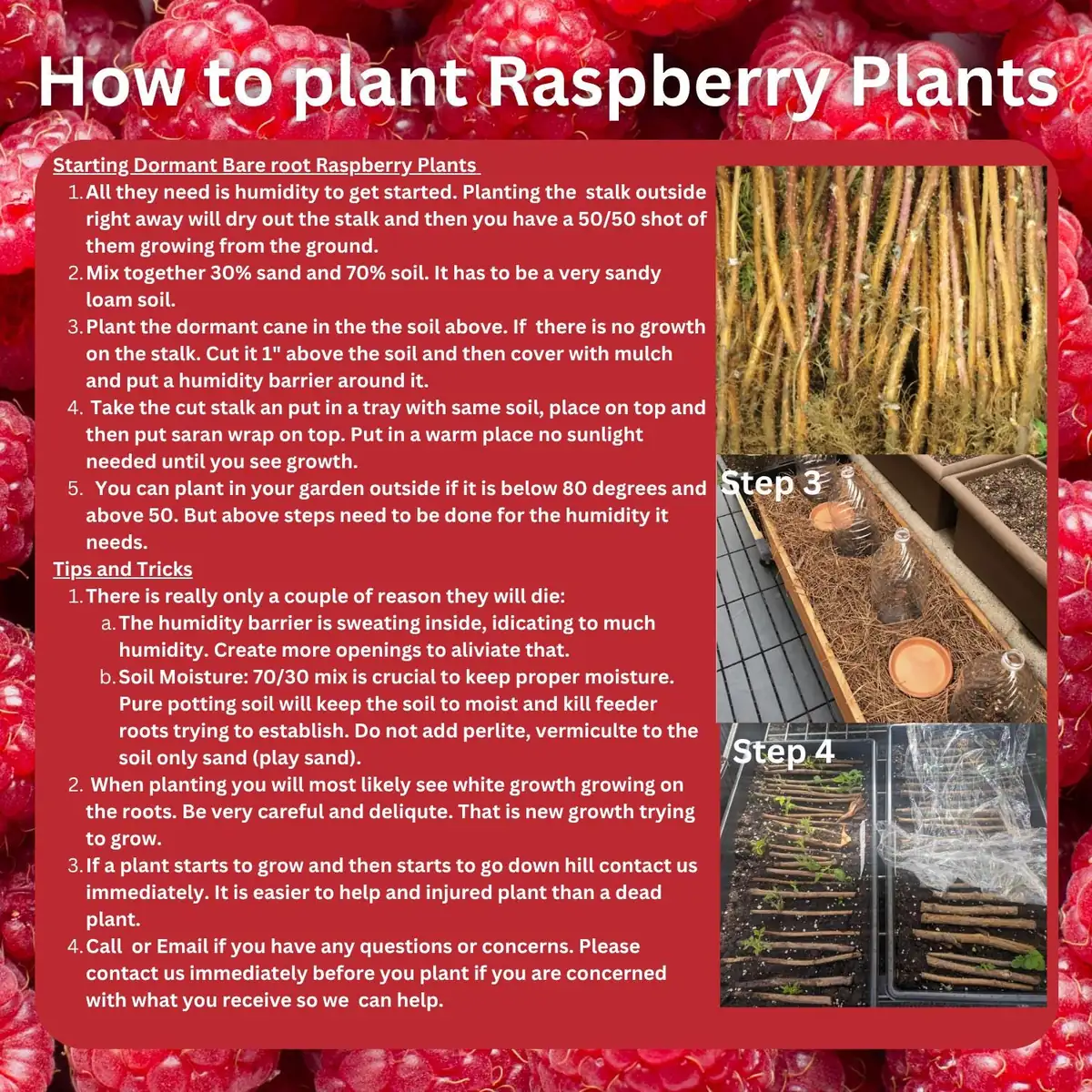
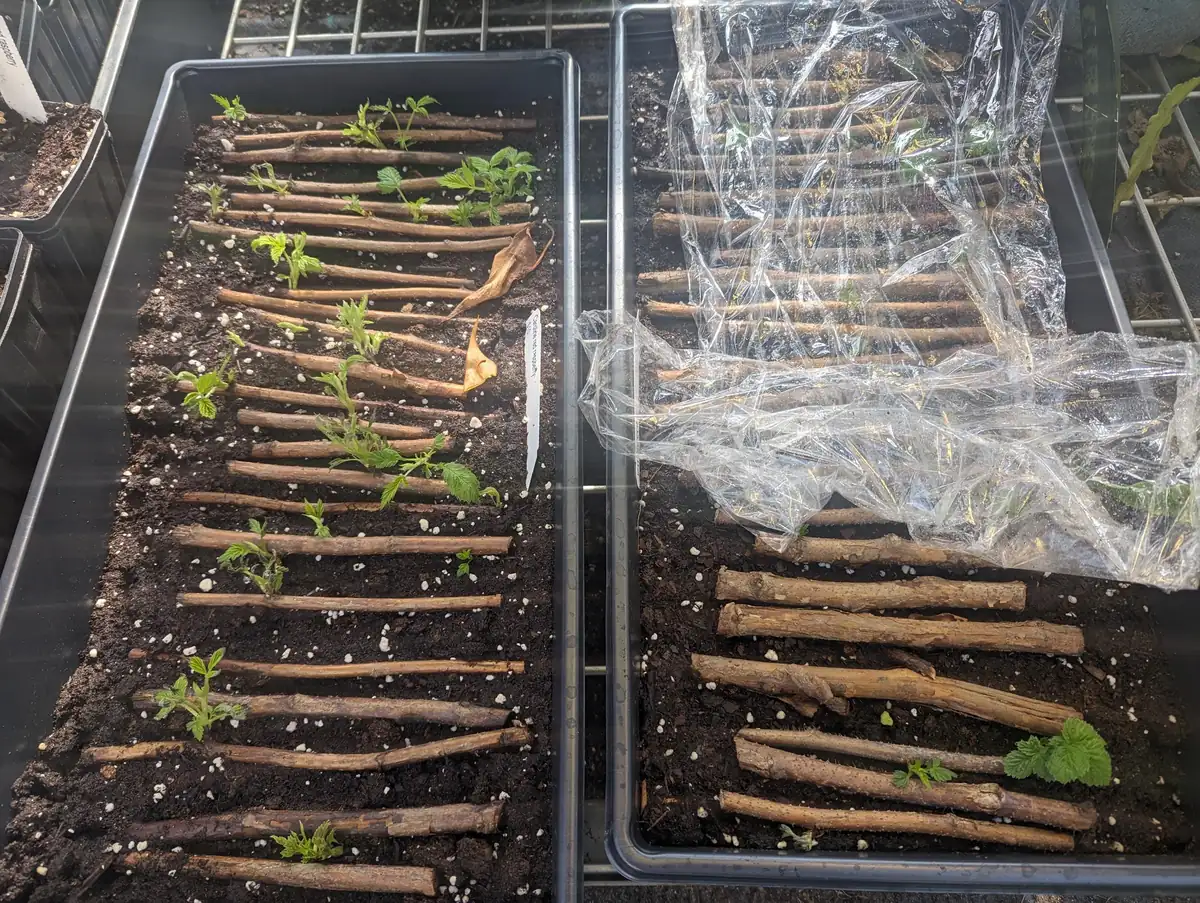
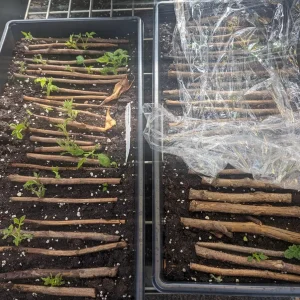
- Q: What condition will the bare root plant arrive in? A: Your red raspberry bare root cane will arrive dormant, which is a natural and healthy state for planting. It will appear to be a woody stick with roots, ready to sprout new growth after planting.
- Q: When is the best time to plant a heritage red raspberry plant? A: The best time to plant bare root raspberries is in early spring after the last frost, allowing the plant to establish its root system before the heat of summer.
- Q: Can I use the raspberries for canning or freezing? A: Absolutely! ‘Heritage’ raspberries are renowned for their firm texture and sweet flavor, making them excellent for fresh eating, canning, freezing, and making jams or pies.
- Q: What USDA zones are suitable for this raspberry plant? A: This everbearing raspberry plant thrives in USDA Hardiness Zones 4 through 8, making it adaptable to a wide range of climates across the US.
- Q: What kind of soil does this raspberry plant prefer? A: ‘Heritage’ raspberries prefer well-drained, fertile soil with a pH between 6.0 and 6.5. Good drainage is crucial to prevent root rot.
- Q: How long until it blooms or produces fruit? A: As a 1-year-old bare root plant, you may see some fruit production in the first growing season, particularly the fall crop. Full production will increase significantly in the second year and beyond.


Reviews
There are no reviews yet.