Overview
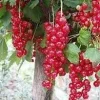
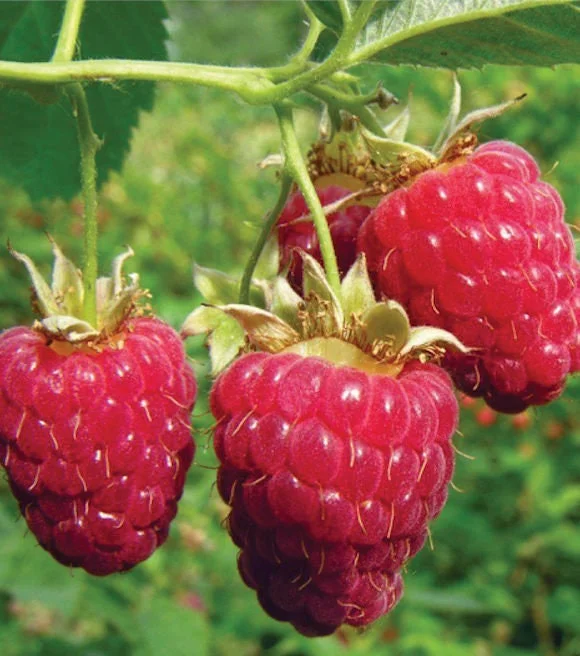
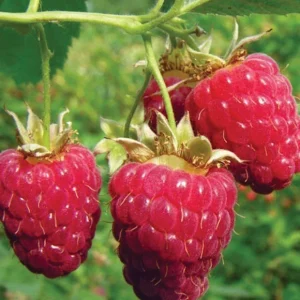
Bring the joy of fresh, homegrown berries to your garden with the heritage red raspberry live plant. This exceptional everbearing variety is renowned for its abundant harvest of sweet, juicy red raspberries, making it a favorite among home gardeners. Unlike many other types, the heritage red raspberry live plant produces fruit twice a year: a moderate crop in early summer and a more substantial yield from late summer until the first hard frost. This means you can enjoy fresh berries for an extended season, perfect for eating straight from the bush, baking, making jams, or freezing for later enjoyment. Known for its vigor and adaptability, this plant thrives across a wide range of climates, specifically USDA Zones 4-8, and is celebrated for its ease of care and reliable fruiting.
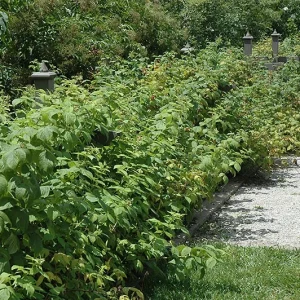
The Heritage Red Raspberry is a self-pollinating variety, meaning you only need one plant to successfully produce fruit, though planting multiple can increase yields. It’s an excellent choice for both novice and experienced gardeners looking for a productive and resilient berry bush. Its upright canes are relatively self-supporting, simplifying maintenance and making it a beautiful addition to any edible landscape or backyard orchard. Experience the satisfaction of harvesting your own pesticide-free raspberries with this robust and rewarding plant.
Key Benefits
The heritage red raspberry live plant offers a multitude of benefits for any gardener, from its delicious fruit to its robust growth habits. This versatile berry bush provides both aesthetic appeal and a bountiful harvest, making it a valuable addition to your outdoor space:
- Extended Harvest Season: As an everbearing raspberry plant, it produces two crops annually – one in summer and a larger, more consistent harvest from late summer until frost, ensuring a prolonged supply of fresh berries.
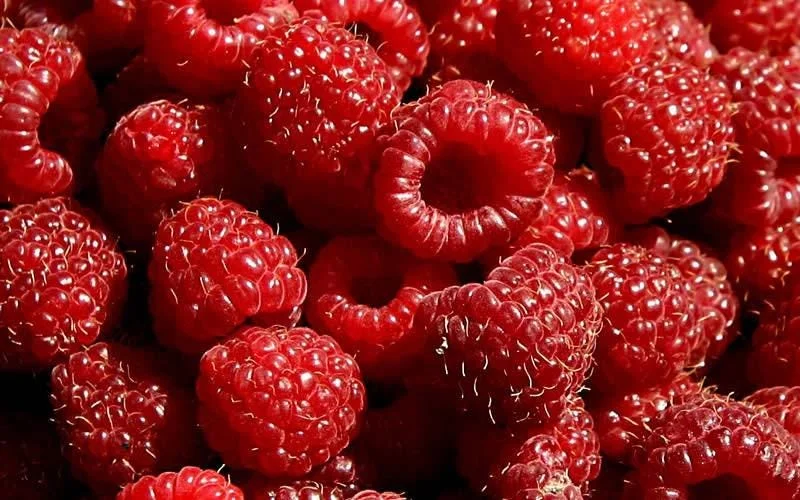
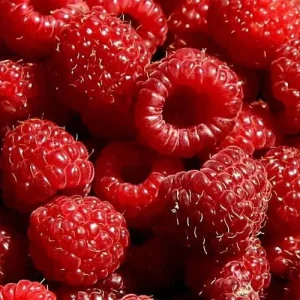
- Delicious & Versatile Fruit: The medium-sized, sweet red berries are perfect for a variety of culinary uses, including fresh eating, canning, freezing, making jams, jellies, and desserts.
- Self-Pollinating: This variety is a self pollinating raspberry, eliminating the need for multiple plants to ensure fruit production, simplifying garden planning for smaller spaces.
- Cold-Hardy & Adaptable: Thrives in USDA Zones 4-8, demonstrating excellent resilience to cold temperatures and a wide range of soil conditions, making it a reliable choice for many regions.
- Pesticide-Free Growing: Known for its natural resistance and vigor, it allows for easy cultivation without the need for chemical pesticides, promoting healthier fruit and a safer garden environment.
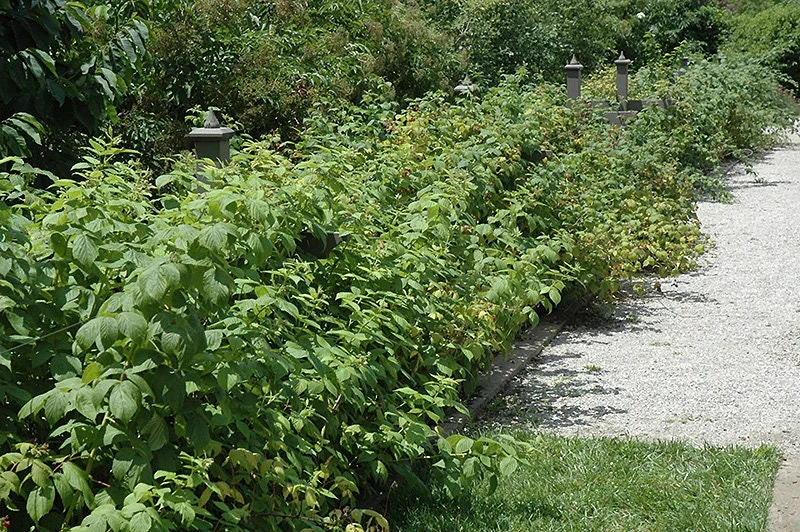
- Upright Growth Habit: The canes are largely self-supporting, reducing the need for extensive trellising and making maintenance straightforward.
- Nutrient-Rich Produce: Enjoy berries packed with vitamins, antioxidants, and fiber, contributing to a healthy diet directly from your garden.
Plant Care & Growing Tips
Caring for your heritage red raspberry live plant is relatively straightforward, especially given its hardy nature. For optimal growth and fruit production, select a site that receives full sun, meaning at least 6-8 hours of direct sunlight daily. While it can tolerate some partial shade, abundant fruiting is best achieved with ample sun exposure. The ideal soil for a heritage red raspberry live plant is well-draining, slightly acidic (pH 6.0-6.8), and rich in organic matter. If your soil is heavy clay, amend it with compost or peat moss to improve drainage and aeration. Ensure good air circulation around the plants to prevent fungal diseases.
Watering is crucial, especially during dry spells and when fruits are developing. Provide about 1 inch of water per week, either from rainfall or irrigation. Keep the soil consistently moist but not waterlogged. Mulching around the base of the plants with straw or wood chips helps retain soil moisture, suppress weeds, and regulate soil temperature. Fertilize in early spring with a balanced slow-release fertilizer or compost. Pruning is key for everbearing varieties like the Heritage. For a fall crop, cut all canes back to the ground in late winter. This method encourages new canes to produce fruit in the fall. If you desire both a summer and fall crop, prune only the tips of the canes that fruited in the summer. Learning how to grow a heritage raspberry bush successfully involves understanding these simple yet effective care practices.
Size & Details
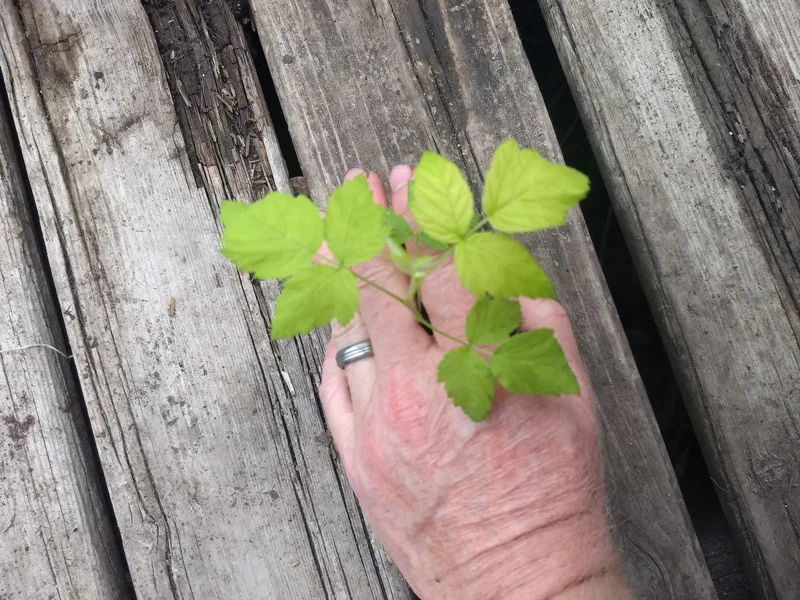
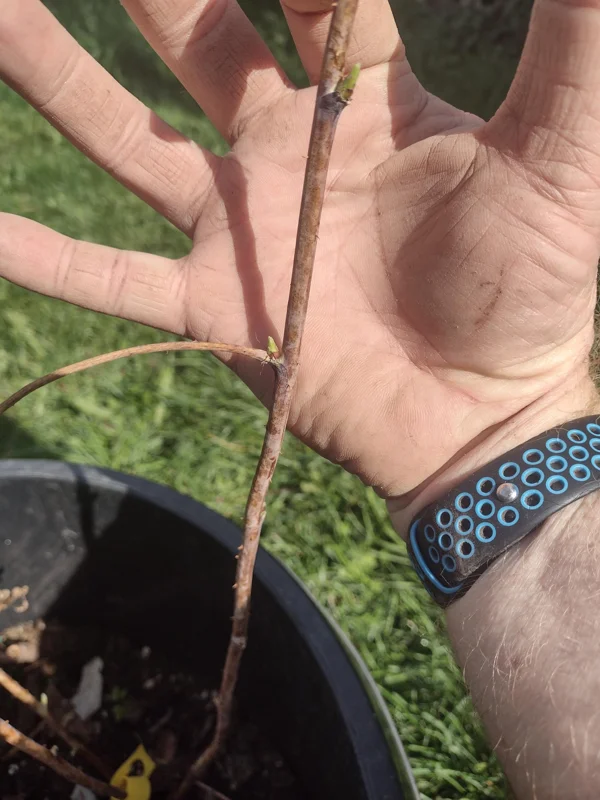
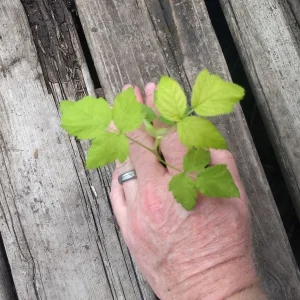
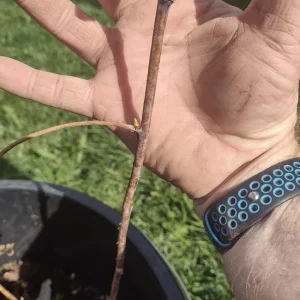
This offering is for one rooted starter plant of the heritage red raspberry live plant. Each plant is carefully selected from a healthy, fruiting mother plant to ensure genetic integrity and vigor. Upon arrival, the plant will be ready for immediate planting and establishment in your garden. Heritage Red Raspberry canes typically reach a height of 6-8 feet at maturity and spread to form a dense patch if not managed. The plants are shipped without a pot to protect them during transit, with roots carefully protected. Expect your plant to potentially fruit this year or next, depending on the planting season and growing conditions. This variety produces medium-sized berries, ripening in July for the summer crop and from September until frost for the fall crop.
The cold hardy raspberry is known for its ability to thrive in poor soil conditions, making it a robust choice for various garden settings. It is a fall-bearing, or everbearing, variety, ensuring a consistent supply of delicious fruit. With proper care, these plants will quickly establish and become a productive part of your edible landscape, providing sweet red berries for years to come. This everbearing raspberry plant is a fantastic investment for any home garden.
Frequently Asked Questions
- Q: How big does this heritage red raspberry live plant get? A: The canes of the Heritage Red Raspberry typically grow to a height of 6-8 feet. They can spread to form a patch, so consider their mature size when choosing a planting location and provide adequate space or support.
- Q: Is this an indoor or outdoor plant? A: The heritage red raspberry live plant is an outdoor plant that thrives in garden settings. It is a robust berry bush designed to be grown in the ground or in large outdoor containers, suitable for USDA Zones 4-8.
- Q: How much sunlight does the heritage raspberry bush need? A: For optimal fruit production, this raspberry plant requires full sun, meaning at least 6-8 hours of direct sunlight per day. While it can tolerate some partial shade, more sun generally leads to more berries.
- Q: Is this plant easy to care for? Is it good for beginners? A: Yes, the heritage red raspberry live plant is considered relatively easy to care for and is an excellent choice for beginners. Its cold-hardiness, self-pollinating nature, and adaptability make it a forgiving and rewarding plant to grow.
- Q: What condition will the plant arrive in? Is it shipped in soil? A: The plant will arrive as a rooted starter plant, carefully packaged to protect the roots during transit. It will be taken out of its growing pot for shipping to ensure its safety, and will not be shipped in soil.
- Q: How long until my everbearing raspberry plant produces fruit? A: Depending on when it is planted within the growing season, your everbearing raspberry plant may produce fruit in its first year, or more likely, in the following year. Once established, it will provide two crops annually.
- Q: Will this cold hardy raspberry survive winter in my zone? A: The Heritage Red Raspberry is a cold hardy raspberry variety suitable for USDA Zones 4-8. It is well-equipped to survive cold winters within this range, often benefiting from winter dormancy.
- Q: Do I need more than one plant for fruit? A: No, the Heritage Red Raspberry is a self pollinating raspberry, so a single plant is sufficient to produce fruit. However, planting multiple bushes can often lead to a more abundant harvest.
- Q: Can I use the berries for freezing or canning? A: Absolutely! The sweet, medium-sized berries from the heritage red raspberry live plant are perfect for eating fresh, and they hold up exceptionally well for freezing, canning, making jams, jellies, and juices.
- Q: What type of soil does this raspberry prefer? A: This raspberry prefers well-draining soil that is rich in organic matter and slightly acidic, with a pH between 6.0 and 6.8. Good drainage is crucial for preventing root issues.


Reviews
There are no reviews yet.