Overview
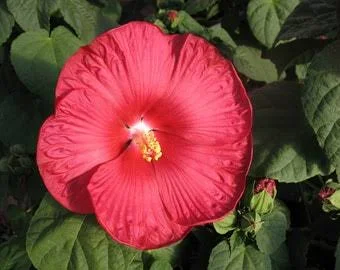
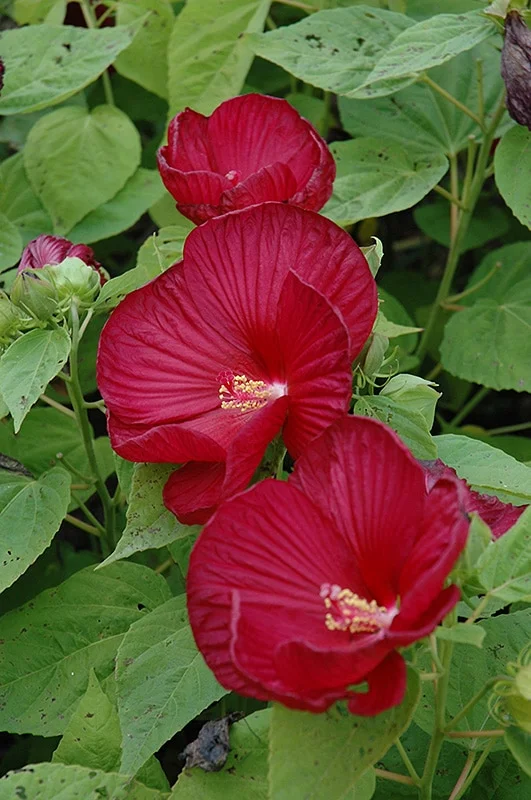
Introduce a touch of tropical elegance to your landscape with the stunning hibiscus luna red live plant. This beautiful perennial shrub is renowned for its impressively large, dinner-plate-sized red flowers that create a dramatic visual impact. Perfect for gardeners seeking a vibrant, long-blooming addition, the Luna Red Hibiscus is celebrated for its vigorous growth and abundant flowering. While often associated with tropical climates, this specific variety is a hardy hibiscus, making it suitable for a wider range of USDA zones. It’s an excellent choice for borders, mixed beds, or as a standalone specimen, promising a continuous display of vivid red from summer through fall. Whether you’re an experienced gardener or just starting, this hibiscus luna red live plant offers a rewarding and spectacular growing experience.
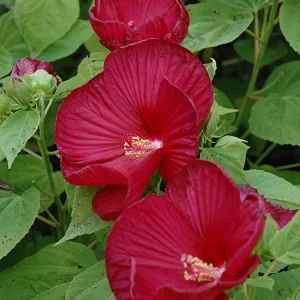
The Luna Red Hibiscus, a specific cultivar of Hibiscus moscheutos, is a showstopper with its deep crimson petals and compact, bushy habit. Unlike some of its more delicate relatives, this variety is bred for resilience and prolific blooming, ensuring a spectacular show year after year. Its striking appearance makes it a focal point in any garden setting, drawing the eye and inviting admiration. This plant arrives as a healthy 4-inch tall specimen, ready to be transplanted and thrive in its new home, quickly establishing itself to produce its first magnificent blooms.
Key Benefits
Choosing the hibiscus luna red live plant for your garden offers a multitude of advantages, transforming your outdoor space into a vibrant sanctuary. Its exceptional beauty and hardiness make it a top choice for many gardeners.
- Spectacular Blooms: Enjoy an abundance of huge, captivating red flowers that can reach up to 8 inches in diameter, creating a breathtaking display throughout the summer and fall. These bold blossoms are truly a sight to behold.
- Attracts Pollinators: The vibrant flowers are a magnet for hummingbirds, butterflies, and other beneficial pollinators, enhancing the biodiversity and natural beauty of your garden. It helps create a lively ecosystem.
- Hardy Perennial: Unlike traditional tropical hibiscus, the Luna Red is a hardy variety, meaning it will return year after year in suitable climates, providing long-lasting beauty with minimal effort. This makes it a sustainable choice.
- Versatile Landscaping: Its compact growth habit and stunning flowers make it perfect for various garden applications, including borders, mass plantings, containers, or as a striking specimen plant. It adapts well to different designs.
- Low Maintenance: Once established, the hibiscus luna red live plant is relatively easy to care for, requiring consistent watering and occasional feeding to maintain its robust health and continuous flowering. This allows more time to enjoy its beauty.
- Disease Resistant: This variety generally exhibits good resistance to common pests and diseases, ensuring a healthy and thriving plant with less intervention required from the gardener.
- Extended Bloom Season: Provides a prolonged period of flowering, often from mid-summer until the first frost, ensuring your garden remains colorful and lively for months.
Plant Care & Growing Tips
Caring for your hibiscus luna red live plant is straightforward, ensuring a season full of spectacular blooms. This hardy hibiscus thrives with adequate sunlight and consistent moisture. For optimal growth and flowering, plant your Luna Red in a location that receives at least 6-8 hours of direct sunlight per day. While it can tolerate some partial shade, full sun encourages the most prolific blossoming. The ideal soil for this plant is well-draining, fertile, and rich in organic matter. A slightly acidic to neutral pH (6.0-7.0) is preferred. Amend heavy clay soils with compost or other organic materials to improve drainage and aeration.
Watering is crucial, especially during dry spells and the plant’s active growing season. Keep the soil consistently moist but not waterlogged. Deep watering once or twice a week is generally sufficient, but monitor the soil moisture regularly, particularly if grown in containers. Fertilize your red hibiscus plant for sale with a balanced, slow-release fertilizer in early spring, and consider a bloom-boosting fertilizer during the summer months to encourage more flowers. Pruning can be done in late winter or early spring to remove dead or weak stems and to shape the plant. Deadhead spent blooms to encourage new flower production. This variety is known to be a hardy hibiscus, typically thriving in USDA zones 5-9, meaning it can withstand colder temperatures than its tropical counterparts by dying back to the ground in winter and regrowing in spring.
Size & Details
This offering is for one healthy hibiscus luna red live plant, which arrives potted and approximately 4 inches tall. This size is ideal for easy transplanting into your garden bed, a larger container, or a patio pot. The Luna Red Hibiscus is a fast-growing perennial shrub, typically reaching a mature height of 3 to 4 feet and spreading 2 to 3 feet wide, forming a dense, bushy mound. Its growth rate is considered moderate to fast, meaning you can expect it to establish quickly and produce its magnificent blooms in the first growing season. It ships as a well-rooted specimen, ensuring a strong start in your garden. Expect the plant to bloom from mid-summer through early fall, providing a long season of vibrant color. This plant is a fantastic choice for those looking for a robust and visually striking addition to their outdoor space, offering significant impact even from its initial 4-inch stature.
Frequently Asked Questions
- Q: How big does this hibiscus luna red live plant get? A: The Luna Red Hibiscus typically grows to a mature height of 3 to 4 feet and spreads 2 to 3 feet wide, forming a compact and bushy shrub. Its impressive flowers can reach up to 8 inches across.
- Q: Is this an indoor or outdoor plant? A: This is a hardy hibiscus variety, making it primarily an outdoor plant. It’s suitable for gardens and patios in USDA zones 5-9, where it will die back in winter and regrow in spring. It can be grown in containers and brought indoors in colder climates, but it thrives outdoors.
- Q: How much sunlight does the luna red hibiscus care require? A: The Luna Red Hibiscus thrives in full sun, requiring at least 6-8 hours of direct sunlight per day for the best flowering performance. It can tolerate some partial shade, but blooming may be reduced.
- Q: Is this plant easy to care for? A: Yes, the Luna Red Hibiscus is considered relatively easy to care for, especially for a hardy hibiscus. It requires consistent watering, well-draining soil, and adequate sunlight. It’s a great choice for both novice and experienced gardeners.
- Q: What condition will it arrive in? A: Your red hibiscus plant for sale will arrive as a healthy, live plant, approximately 4 inches tall, in a nursery pot. It will be carefully packaged to ensure it reaches you in excellent condition, ready for planting.
- Q: When is the best time to plant this hibiscus? A: The best time to plant the Luna Red Hibiscus is in spring after the last frost, allowing it ample time to establish before the heat of summer or the cold of winter.
- Q: Will it survive winter in my zone? A: This is a hardy hibiscus plants variety, meaning it can survive winter in USDA zones 5-9. In colder zones, it will die back to the ground and emerge again in spring. In warmer zones, it may retain some foliage.
- Q: What type of soil does it prefer? A: The Luna Red Hibiscus prefers well-draining, fertile soil rich in organic matter. A slightly acidic to neutral pH (6.0-7.0) is ideal. Avoid heavy, waterlogged soils.
- Q: Do I need to prune this plant? A: Yes, light pruning in late winter or early spring is beneficial. You can remove any dead or weak stems and shape the plant to encourage bushier growth and more blooms. Deadheading spent flowers also promotes continuous blooming.
- Q: Are these tropical hibiscus outdoor plants? A: While many hibiscus are tropical, the Luna Red is a hardy hibiscus, making it well-suited for outdoor environments in temperate climates where tropical varieties would not survive the winter.


Reviews
There are no reviews yet.