Overview
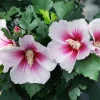
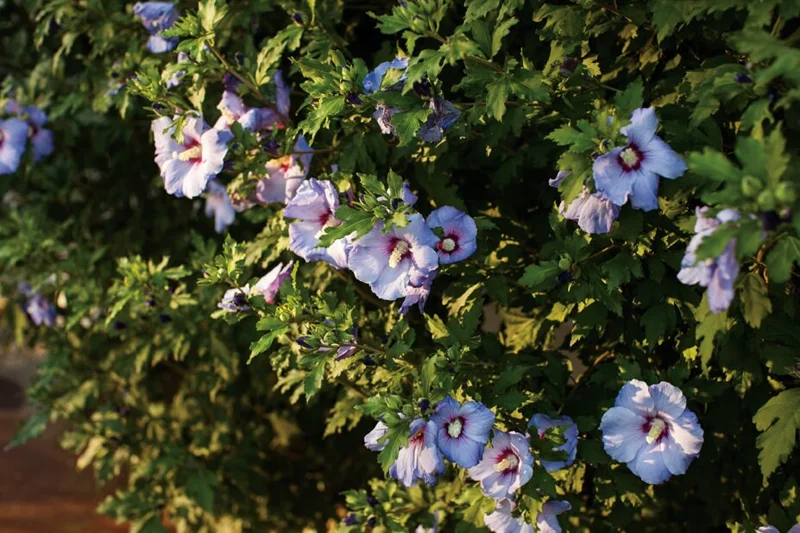
Transform your garden into a haven of vibrant color with the exquisite hibiscus azurri blue satin. This starter plant offers a relatively compact yet vigorous growth habit, promising a spectacular display of blooms. Known for its stunning blue-purple flowers, each adorned with a distinctive red-purple throat, this variety of Hibiscus syriacus is a true showstopper. As a deciduous shrub, it provides consistent beauty throughout the warmer months, making it a favorite for gardeners seeking long-lasting floral interest. Originating from Asia, the Hibiscus syriacus, commonly known as Rose of Sharon, is celebrated for its hardiness and adaptability, thriving in various conditions.
The ‘Azurri Blue Satin’ cultivar stands out with its unique flower coloration, offering a sophisticated touch to garden beds, borders, or even as a standalone specimen. Unlike some hibiscus varieties, this plant is remarkably tolerant of summer heat and humidity, ensuring its gorgeous blooms persist even in challenging climates. Whether you’re an experienced gardener or just starting, incorporating a hibiscus azurri blue satin into your landscape guarantees a rewarding growing experience and a breathtaking visual impact.
This live plant arrives as a well-rooted starter, ready for planting and eager to establish itself in your garden. Its resilience and stunning aesthetic make it an excellent choice for adding a splash of enduring color to any outdoor space.
Key Benefits
The hibiscus azurri blue satin offers numerous advantages, making it a highly desirable plant for various garden styles and climates. Its combination of beauty, hardiness, and ease of care makes it a top choice for both novice and experienced gardeners alike. Here are some of the key benefits:
- Spectacular Blue-Purple Blooms: The most striking feature of this plant is its unique blue-purple flowers with deep red-purple throats. These vibrant, eye-catching blossoms provide a stunning focal point in any garden setting, attracting pollinators and admirers alike.
- Extended Blooming Season: Enjoy a prolonged period of beauty as the hibiscus syriacus starter plant blooms continuously from early summer right through to the first frost. This extended display ensures your garden remains colorful and lively for months.
- Exceptional Hardiness: This variety is a truly resilient deciduous shrub, thriving in USDA Zones 5-9. It can withstand a wide range of temperatures, making it suitable for many different regions across the United States. Its ability to tolerate both cold winters and hot, humid summers is a significant advantage.
- Low Maintenance: Once established, the blue hibiscus plant requires minimal care. It’s tolerant of various soil types and can handle periods of drought, making it a perfect choice for busy gardeners or those seeking an easy-to-grow, high-impact plant.
- Versatile Landscape Use: Its upright growth habit and beautiful flowers make it ideal for use as a specimen plant, in mixed borders, as an informal hedge, or even in large containers. It adapts well to different garden designs, enhancing curb appeal wherever it’s placed.
- Attracts Pollinators: The abundant and colorful flowers are a magnet for bees, butterflies, and hummingbirds, contributing to the biodiversity and health of your garden ecosystem.
- Tolerant of Urban Conditions: This hardy shrub is known for its tolerance to urban pollution and various environmental stressors, making it a great option for city gardens or roadside plantings.
Plant Care & Growing Tips
Caring for your hibiscus syriacus starter plant is straightforward, ensuring a beautiful and healthy shrub for years to come. Understanding its basic needs will help you maximize its blooming potential and overall vigor. This plant is known for its resilience and adaptability, making it a forgiving choice for many gardeners.
For optimal growth and abundant flowering, your hibiscus azurri blue satin prefers a location that receives full sun to partial shade. Full sun (at least 6 hours of direct sunlight daily) will encourage the most prolific blooming. While it can tolerate some afternoon shade, especially in hotter climates, too much shade may reduce flower production. The soil should be consistently moist, organically rich, and, most importantly, well-draining. Avoid locations where water tends to collect, as soggy roots can lead to problems. Amending heavy clay soils with compost or other organic matter will improve drainage and aeration. Once established, this plant is quite tolerant of summer heat and humidity, making it a robust choice for many regions.
Water regularly, especially during dry spells and in its first growing season, to help establish a strong root system. Aim to keep the soil consistently moist but not waterlogged. Once mature, it has good drought tolerance but will perform best with supplemental watering during extended dry periods. Fertilization can be done in early spring with a balanced, slow-release fertilizer formulated for flowering shrubs. Pruning is best done in late winter or early spring before new growth begins. You can prune to shape the plant, remove dead or damaged branches, or to encourage a bushier habit and more flowers. This helps maintain the plant’s structure and promotes healthy blooms. Watch out for common pests like aphids, which can typically be managed with a strong spray of water or insecticidal soap. Providing proper care ensures a vibrant and healthy hardy hibiscus care routine that will reward you with stunning blooms.
Size & Details
This offering is for one hibiscus syriacus starter plant, approximately 5-7 inches in height, supplied as a well-rooted specimen in a 3 x 4 inch pot. This size is ideal for planting directly into your garden beds or a larger container, allowing it to establish quickly. The plant is a deciduous shrub/tree that, once mature, can grow to an impressive height of 8-12 feet tall and spread 6-10 feet wide, forming an attractive, upright oval shape. Its growth rate is moderate, meaning you’ll see noticeable development each season. The ‘Azurri Blue Satin’ blooms profusely from summer to frost, ensuring a long season of color in your landscape. It is hardy in USDA Zones 5-9, making it suitable for a wide range of climates. This plant is a long-lived addition to any garden, providing years of beautiful flowers.
Frequently Asked Questions
- Q: How big does this hibiscus azurri blue satin plant get? A: This starter plant is approximately 5-7 inches tall. Once mature, the ‘Azurri Blue Satin’ can grow to a height of 8-12 feet and a spread of 6-10 feet, making it a substantial and eye-catching shrub in your garden.
- Q: Is this an indoor or outdoor plant? A: The hibiscus syriacus starter plant is primarily an outdoor plant, specifically a deciduous shrub. It is hardy in USDA Zones 5-9 and designed to thrive in garden settings, providing beautiful blooms throughout the summer and fall.
- Q: How much sunlight does it need? A: This hibiscus prefers full sun to partial shade. For the most abundant blooms, aim for at least 6 hours of direct sunlight per day. It’s crucial for robust growth and flowering.
- Q: Is this plant easy to care for? A: Yes, the ‘Azurri Blue Satin’ is considered a low-maintenance and easy-to-care-for plant. Once established, it is quite tolerant of various conditions, making it an excellent choice for gardeners of all experience levels who are looking for hardy hibiscus care.
- Q: What condition will it arrive in? A: Your plant will arrive as a well-rooted starter plant in a 3 x 4 inch pot, carefully packaged to ensure its health and vitality during transit. It will be ready for immediate planting upon arrival.
- Q: When is the best time to plant this hibiscus? A: The best time to plant your blue hibiscus plant is in spring or early fall, allowing it ample time to establish its root system before extreme temperatures. However, if planting in summer, ensure consistent watering.
- Q: Will it survive winter in my zone? A: Yes, if you are in USDA Zones 5-9, this deciduous hibiscus shrub is considered hardy and will survive the winter. It is deciduous, meaning it will lose its leaves in the fall and regrow them in the spring.
- Q: What kind of soil does it prefer? A: It thrives in moist, organically rich, and well-draining soils. While adaptable, avoiding heavy, waterlogged clay or extremely sandy soils will yield the best results for your plant’s health.
- Q: Does this hibiscus attract pollinators? A: Absolutely! The vibrant blue-purple flowers of the ‘Azurri Blue Satin’ are highly attractive to pollinators such as bees, butterflies, and hummingbirds, bringing life and activity to your garden.
- Q: What is the typical bloom time for this plant? A: The ‘Azurri Blue Satin’ typically blooms from early summer, usually around July, and continues to produce flowers all the way until the first hard frost in late fall, providing a long season of color.


Reviews
There are no reviews yet.