Overview
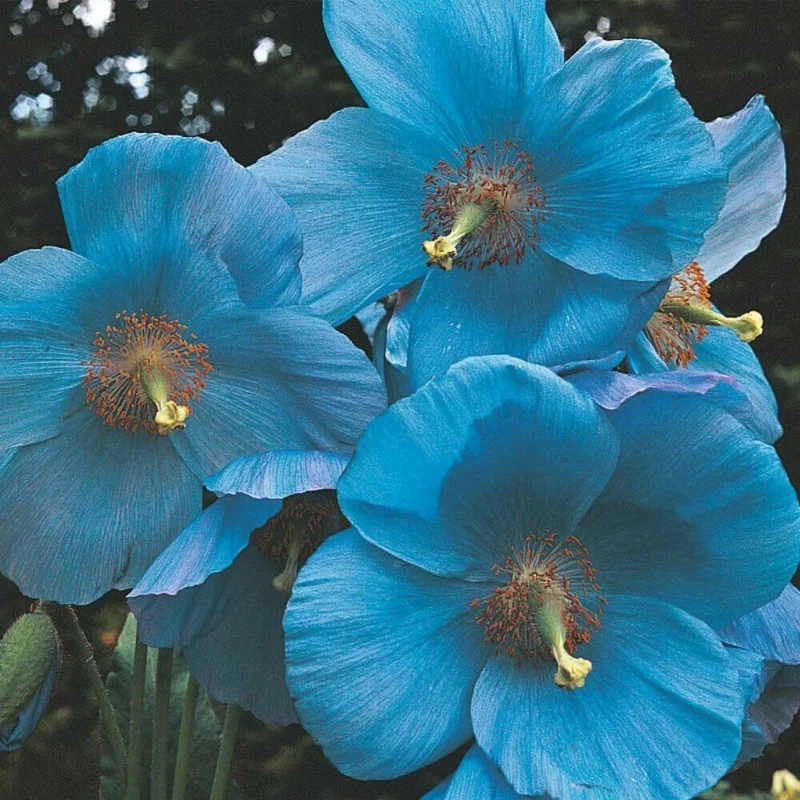
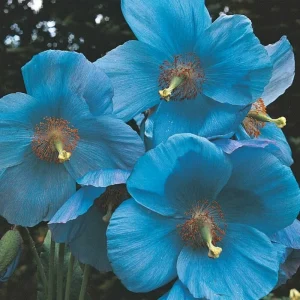
Embark on a captivating gardening journey with our premium Himalayan Blue Poppy seeds. These rare and highly sought-after seeds will allow you to cultivate the magnificent Meconopsis Betonicifolia seeds, a perennial flower renowned for its breathtaking, sky-blue petals. Originating from the elevated regions of the Himalayas, these wild poppies add an unparalleled touch of elegance and mystique to any garden landscape. Unlike common poppies, the Himalayan Blue Poppy seeds produce robust plants that return year after year, gracing your outdoor space with their vibrant hues and delicate charm. Their unique color and graceful form make them a focal point, drawing admiration from all who behold them. Growing these beauties from seed offers a rewarding experience, connecting you directly to the wonders of nature. For those who want to grow Himalayan poppy, these seeds offer an exciting challenge with a truly beautiful reward.
These exquisite blue poppy flower seeds are perfect for gardeners looking to add a truly unique and vibrant specimen to their collection. The allure of their vivid blue color is unmatched in the botanical world, making them a standout feature. Prepare to be enchanted by the delicate, cup-shaped blooms that emerge from these perennial poppy seeds, transforming your garden into a serene and visually stunning sanctuary. Our high-quality seeds ensure you have the best chance to successfully grow Himalayan poppy in your own backyard.
Key Benefits
Adding the enchanting Himalayan Blue Poppy seeds to your garden offers a multitude of benefits, transforming your outdoor space into a vibrant sanctuary. These unique flowers are more than just pretty faces; they bring a distinct charm and ecological value to your landscape, creating a focal point that will capture attention. Successfully growing these Meconopsis Betonicifolia seeds provides immense satisfaction.
- Stunning Aesthetic Appeal: The most striking feature of the Himalayan Blue Poppy seeds is their extraordinary, vivid blue color, which is uncommon in the plant kingdom. These flowers create a dramatic and beautiful contrast against green foliage, making them a true garden highlight. Their delicate, cup-shaped blooms are a visual delight, providing a serene and captivating focal point.
- Rare & Exotic Addition: Cultivating the Meconopsis Betonicifolia seeds allows you to grow a genuinely exotic and rare plant that will set your garden apart. It’s a conversation starter and a testament to your gardening passion, offering something truly special that many gardeners dream of achieving.
- Attracts Pollinators: While primarily grown for their beauty, these blue poppy flower seeds can also attract beneficial pollinators like bees to your garden, contributing to a healthy ecosystem. Their open, accessible blooms provide nectar and pollen, supporting local wildlife and enhancing biodiversity.
- Perennial Growth: As perennial poppy seeds, these plants return each spring, providing continuous beauty without the need for annual replanting. This makes them a sustainable and low-effort choice for long-term garden planning, establishing themselves over time for increasingly impressive displays.
- Sense of Achievement: Successfully growing these somewhat challenging yet incredibly rewarding flowers from Himalayan Blue Poppy seeds provides a great sense of accomplishment for any gardener. It’s a project that yields beautiful results and deep satisfaction, proving your dedication to horticulture.
- Versatile Garden Placement: Ideal for woodland gardens, shaded borders, or even large containers, these poppies adapt well to various garden designs. Their architectural form and striking color make them suitable for both formal and informal settings, complementing other shade-loving plants beautifully.
- Unique Color Palette: The intense, true-blue hue of these poppies is a rare find in nature, offering a unique color that can complement or contrast with other garden flowers, creating a truly memorable landscape.
Plant Care & Growing Tips
Growing the Himalayan Blue Poppy seeds, or Meconopsis Betonicifolia, requires specific conditions to ensure their success, but the effort is well worth the reward. These perennials thrive in cool, moist climates with consistently rich, well-draining soil. They prefer a location that receives full sun in cooler morning hours and partial shade during the hot afternoon sun, especially in warmer regions. Adequate moisture is crucial; the soil should never be allowed to dry out completely. Regular watering, particularly during dry spells, is essential for healthy growth and prolific blooming. A layer of organic mulch can help retain soil moisture and regulate temperature around the roots. To effectively grow Himalayan poppy, understanding these climatic needs is paramount.
For optimal growth, plant your blue poppy flower seeds in soil rich in organic matter. Amending your garden bed with compost or well-rotted manure before planting will provide the necessary nutrients and improve soil structure. Ensuring excellent drainage is vital, as these plants do not tolerate standing water, which can lead to root rot. Fertilization should be light; a balanced, slow-release granular fertilizer applied in early spring can support vigorous growth. Avoid over-fertilizing, as this can lead to lush foliage at the expense of flowers. Protect young plants from slugs and snails, which can be particularly fond of their tender leaves. Providing good air circulation also helps prevent fungal diseases, especially in humid conditions. These perennial poppy seeds benefit greatly from consistent care.
These perennial poppy seeds are best sown in late winter or early spring. Cold stratification (exposing seeds to cold, moist conditions) can significantly improve germination rates. Once seedlings emerge, thin them to ensure proper spacing, allowing each plant ample room to develop. While they can be a bit finicky, understanding their specific needs for cool temperatures, consistent moisture, and rich, well-draining soil will help you successfully grow Himalayan poppy and enjoy their spectacular blooms year after year. Protection from harsh winds is also beneficial, as their delicate stems can be prone to bending or breaking. For best results, consider planting in a sheltered spot that mimics their natural mountainous habitat.
Size & Details
Our Himalayan Blue Poppy seeds are supplied in quantities suitable for a successful planting season, typically yielding numerous plants when properly cared for. Once established, these magnificent Meconopsis Betonicifolia plants generally reach a height of 2 to 3 feet (60-90 cm) and spread about 1 to 1.5 feet (30-45 cm) wide, forming attractive clumps of foliage topped with their iconic blue blooms. They are outdoor plants, best suited for garden beds or large containers where their growing conditions can be carefully managed. The seeds are ready to be sown and will begin to germinate within a few weeks, with plants typically blooming in late spring to early summer of their second year after planting, as they are perennials that establish their root system in the first year. Each packet contains high-quality seeds selected for vigor and true-to-type color, ensuring you get the stunning blue poppy flower seeds you envision.
These plants are celebrated for their striking appearance and ability to thrive in cooler climates. With proper care and attention to their specific needs, you can anticipate a rewarding display of vibrant blue from these remarkable perennial poppy seeds. They offer a unique addition to any garden seeking exotic beauty.
Frequently Asked Questions
- Q: How big do these Himalayan Blue Poppy plants get? A: Once mature, Himalayan Blue Poppy plants typically grow to a height of 2 to 3 feet (60-90 cm) and spread about 1 to 1.5 feet (30-45 cm) wide. Their size makes them a striking presence in any garden bed or large container, perfect for creating a focal point.
- Q: Is this an indoor or outdoor plant? A: The Himalayan Blue Poppy is primarily an outdoor plant. It thrives in garden settings, woodland areas, or large outdoor containers where its specific environmental needs, such as cool temperatures and consistent moisture, can be met. It is not generally suited for indoor cultivation.
- Q: How much sunlight do Meconopsis Betonicifolia seeds need? A: These plants prefer a location with full sun in the cool mornings and partial shade during the hot afternoon hours. In very cool climates, they can tolerate more sun, but protection from intense heat is always beneficial to successfully grow Himalayan poppy.
- Q: Is this plant easy to care for, especially for beginners? A: While beautiful, Himalayan Blue Poppy seeds can be a bit challenging for absolute beginners due to their specific requirements for cool, moist, and well-draining soil. However, with careful attention to their needs, even novice gardeners can achieve success and enjoy these unique flowers.
- Q: What condition will the seeds arrive in? A: Your Himalayan Blue Poppy seeds will arrive as high-quality, viable seeds, ready for planting. They are carefully packaged to ensure their integrity during transit, providing you with the best start for your garden.
- Q: How long until these perennial poppy seeds bloom? A: As perennial poppy seeds, these poppies typically bloom in late spring to early summer of their second year after planting. The first year is generally dedicated to establishing a strong root system, leading to more robust flowering in subsequent years.
- Q: Will these blue poppy flower seeds survive winter in my zone? A: The Himalayan Blue Poppy is generally hardy in USDA Zones 3-7, provided they have adequate winter protection, especially in colder parts of their range. They prefer cool climates and may struggle in areas with hot, humid summers.
- Q: What kind of soil is best for Meconopsis Betonicifolia seeds? A: These plants thrive in consistently rich, well-draining soil that is high in organic matter. Amending your garden bed with compost or well-rotted manure before planting is highly recommended for optimal growth of your Meconopsis Betonicifolia seeds.
- Q: Do these poppies attract pollinators? A: Yes, these blue poppy flower seeds can attract beneficial pollinators like bees to your garden. Their open blooms provide a valuable source of nectar and pollen, supporting local wildlife.
- Q: What is cold stratification and is it necessary for these seeds? A: Cold stratification is the process of exposing seeds to cold, moist conditions to break dormancy and improve germination rates. It is highly recommended for Himalayan Blue Poppy seeds to ensure a successful planting outcome.


Reviews
There are no reviews yet.