Overview
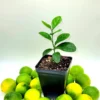
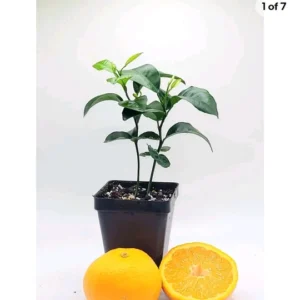
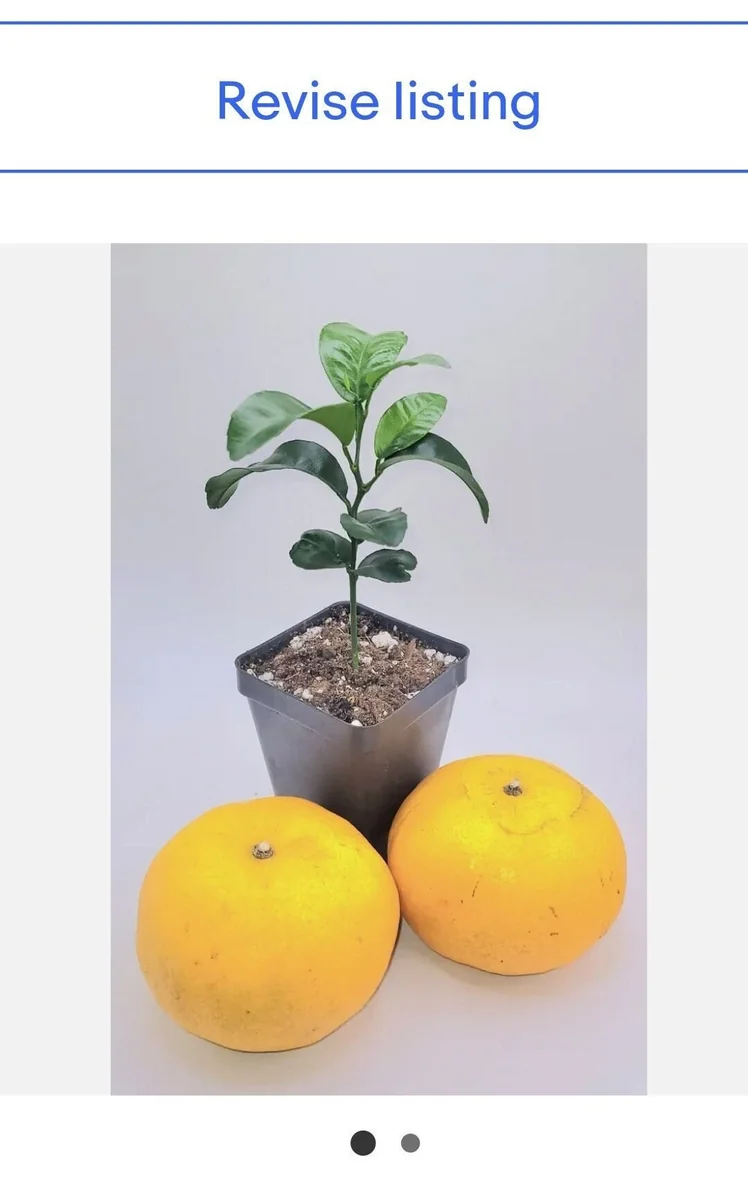
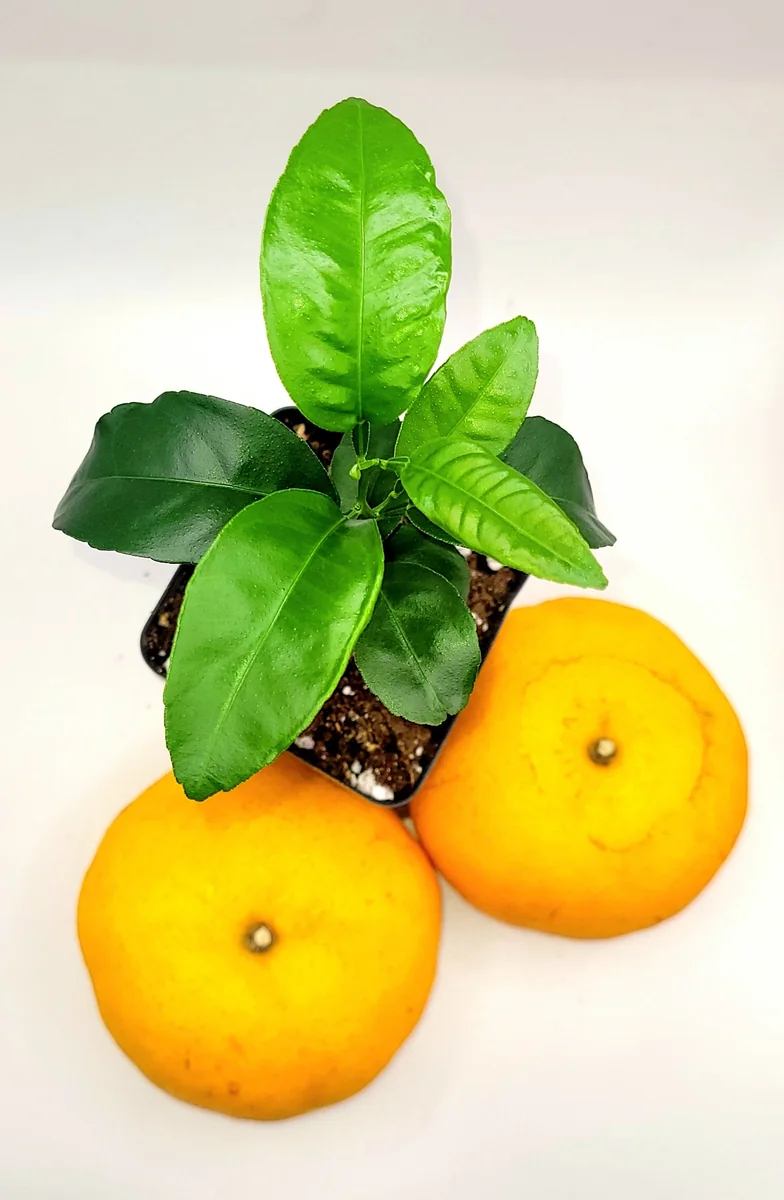
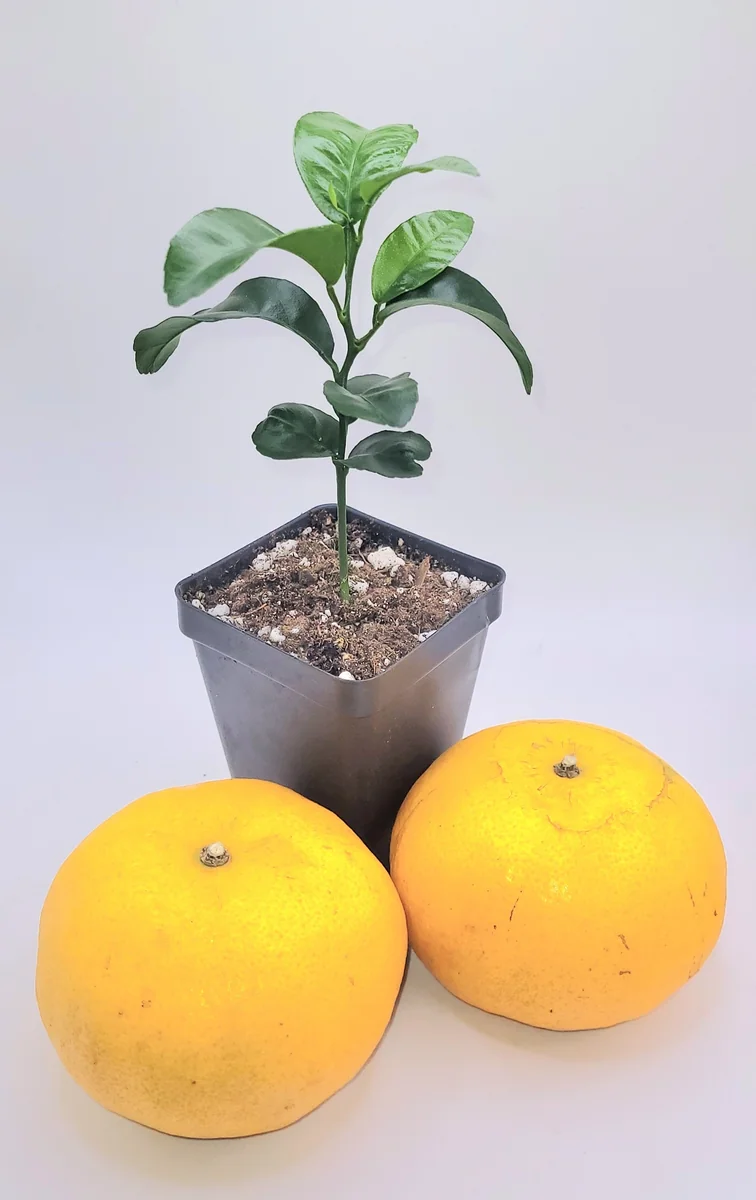
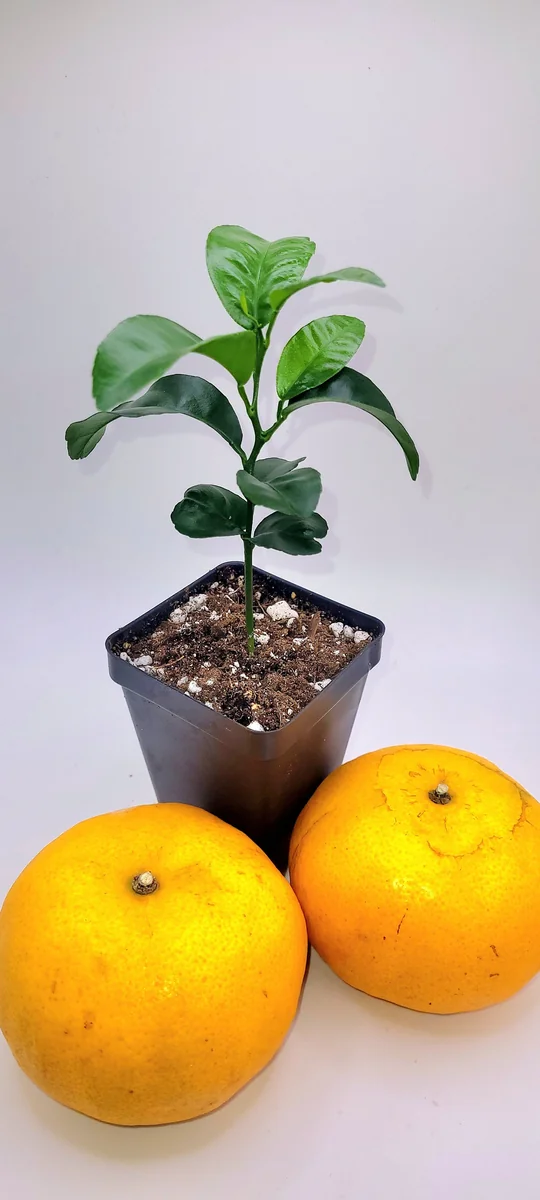
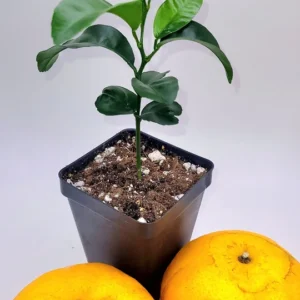
Embark on a delightful gardening journey with your very own honey tangerine live plant. These vibrant young citrus trees, scientifically known as Citrus reticulata ‘Honey’, are renowned for their exceptionally sweet, easy-to-peel fruit and aromatic foliage. Originating from warm climates, this starter plant measuring 3-5 inches tall is vigorous and ready to establish itself in a good home. Whether you’re an experienced gardener or just starting, a honey tangerine live plant offers the unique opportunity to grow your own delicious tangerines, bringing a touch of sunshine and fresh flavor to your environment. These plants are carefully cultivated indoors under optimal grow light conditions to ensure they arrive healthy and robust, prepared to acclimate to their new surroundings. The joy of harvesting your own homegrown fruit is an unparalleled experience, and the Honey Tangerine is a rewarding choice for its prolific nature and delectable yield.
The Honey Tangerine, a hybrid of a tangerine and an orange, is celebrated for its rich, sweet flavor and juicy pulp. Its relatively small size makes it an excellent candidate for container growing, allowing it to be moved indoors during colder months. This particular offering is a healthy, young specimen, meticulously cared for to provide you with the best possible start to your citrus growing adventure. With proper care, your honey tangerine live plant will mature into a beautiful and productive tree, providing years of enjoyment and an abundance of succulent fruit.
Key Benefits
Bringing a honey tangerine live plant into your home or garden offers a multitude of advantages beyond just fresh fruit:
- Abundant, Sweet Fruit: Enjoy a consistent supply of delicious, easy-to-peel honey tangerine live plant fruits, known for their exceptional sweetness and juiciness. Growing your own ensures the freshest possible taste.
- Aromatic Foliage: The glossy green leaves of the honey tangerine live plant release a refreshing citrus scent when brushed, adding a pleasant fragrance to your living space or garden.
- Ornamental Appeal: With its attractive foliage, fragrant white blossoms, and bright orange fruits, this plant serves as a beautiful decorative addition to patios, balconies, or indoor spaces.
- Container-Friendly: Its manageable size makes it ideal for growing in pots and containers, allowing flexibility to move it indoors to protect from cold weather, especially beneficial when you’re growing tangerine indoors.
- Harvesting Satisfaction: Experience the unique satisfaction and pride of cultivating and harvesting your own fresh, organic fruit right from your own home.
- Health Benefits: Fresh tangerines are rich in Vitamin C, antioxidants, and dietary fiber, contributing to a healthy diet.
- Educational Experience: A wonderful way to teach children about where food comes from and the life cycle of plants.
Plant Care & Growing Tips
Caring for your honey tangerine live plant will ensure its healthy growth and abundant fruiting. These citrus plants thrive in warm, sunny conditions. For optimal growth, provide at least 6-8 hours of direct sunlight daily. If growing indoors, place it near a south-facing window or supplement with a grow light. During warmer months, outdoor placement in full sun is ideal. When temperatures drop below 40°F (4°C), it’s crucial to bring indoor potted plants inside to protect them from frost damage. The ideal temperature range for honey tangerines is between 60-85°F (15-29°C).
Watering is key to a healthy citrus plant. Allow the top inch or two of soil to dry out completely between waterings, then water thoroughly until water drains from the bottom of the pot. Avoid overwatering, as this can lead to root rot. Well-draining soil is essential; a good quality citrus potting mix or a blend of potting soil with perlite and sand works well. Fertilize your honey tangerine live plant with a balanced citrus-specific fertilizer during the growing season (spring through fall), following the product’s instructions. Pruning is generally minimal, focusing on removing dead or diseased branches and shaping the plant to maintain its desired size and form. Watch out for common pests like aphids and scale insects, and treat them promptly with organic insecticidal soap if detected. Understanding how to care for your tangerine starter plant properly will lead to a thriving and productive honey tangerine tree.
Size & Details
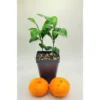
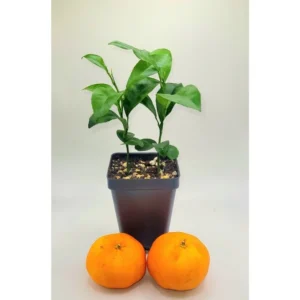
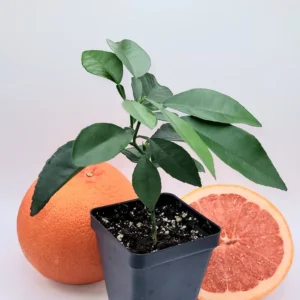
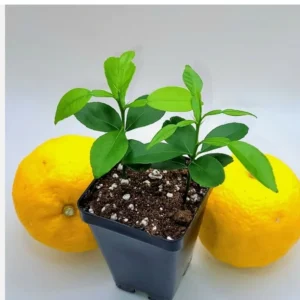
This offering is for a single honey tangerine live plant, a vigorous tangerine starter plant that measures approximately 3-5 inches tall from the top of the soil. These young plants are carefully nurtured to ensure a strong root system and healthy foliage, ready for transplanting into a larger pot or your garden. They are shipped in a protected manner, often with insulation, and a heat pack during colder months, to safeguard their journey to your home. While initial fruiting may take a couple of years, with proper care, your plant will mature into a productive citrus tree. The ultimate size of a mature honey tangerine tree can vary, but when grown in a container, it can be maintained at a more compact size, typically reaching 4-8 feet tall, making it an excellent choice for a citrus reticulata plant in a home setting.
Upon arrival, gently acclimate your plant to its new environment. Repot into a slightly larger container (e.g., a 1-gallon pot) using a well-draining citrus potting mix. Expect moderate growth initially, with more vigorous growth once established. This honey tangerine tree will eventually produce fragrant white flowers, followed by its signature sweet fruit, typically ripening in late fall to winter depending on your climate and growing conditions.
Frequently Asked Questions
- Q: How big does this honey tangerine live plant get? A: This is a tangerine starter plant, 3-5 inches tall. When mature, if grown in a container, it can typically reach 4-8 feet tall, making it manageable for indoor or patio growing. In the ground, it can grow larger.
- Q: Is this an indoor or outdoor plant? A: Honey tangerines can be grown outdoors in USDA zones 9-11. In colder climates, they are best grown in containers and brought indoors when temperatures drop below 40°F (4°C), making it ideal for growing tangerine indoors.
- Q: How much sunlight does it need? A: Your honey tangerine live plant requires at least 6-8 hours of direct sunlight daily. If growing indoors, a south-facing window or supplemental grow lights are recommended.
- Q: Is this plant easy to care for? A: While citrus plants require consistent care, honey tangerines are relatively easy to grow for beginners once their basic needs for sunlight, water, and well-draining soil are met.
- Q: What condition will it arrive in? A: Plants are carefully packaged with insulation, and a heat pack in winter, to ensure they arrive healthy and ready for planting. Some leaf drop due to shipping stress is normal.
- Q: How long until it produces fruit? A: A tangerine starter plant typically begins to produce fruit within 2-3 years after planting, given optimal growing conditions and care.
- Q: What’s the best soil for a citrus reticulata plant? A: A well-draining, slightly acidic potting mix specifically formulated for citrus plants is ideal. You can also create your own by mixing potting soil with perlite or sand for improved drainage.
- Q: Can I use the leaves for anything? A: While the leaves are aromatic, the primary use of this plant is for its fruit. Always research before consuming any plant parts.
- Q: Will it survive winter in my zone? A: If you live outside USDA zones 9-11, you must protect your honey tangerine tree from frost by bringing it indoors during winter.
- Q: How often should I fertilize my plant? A: Fertilize during the growing season (spring to fall) with a balanced, slow-release citrus fertilizer, following the product’s specific instructions. Reduce fertilization in winter.


Reviews
There are no reviews yet.