Overview
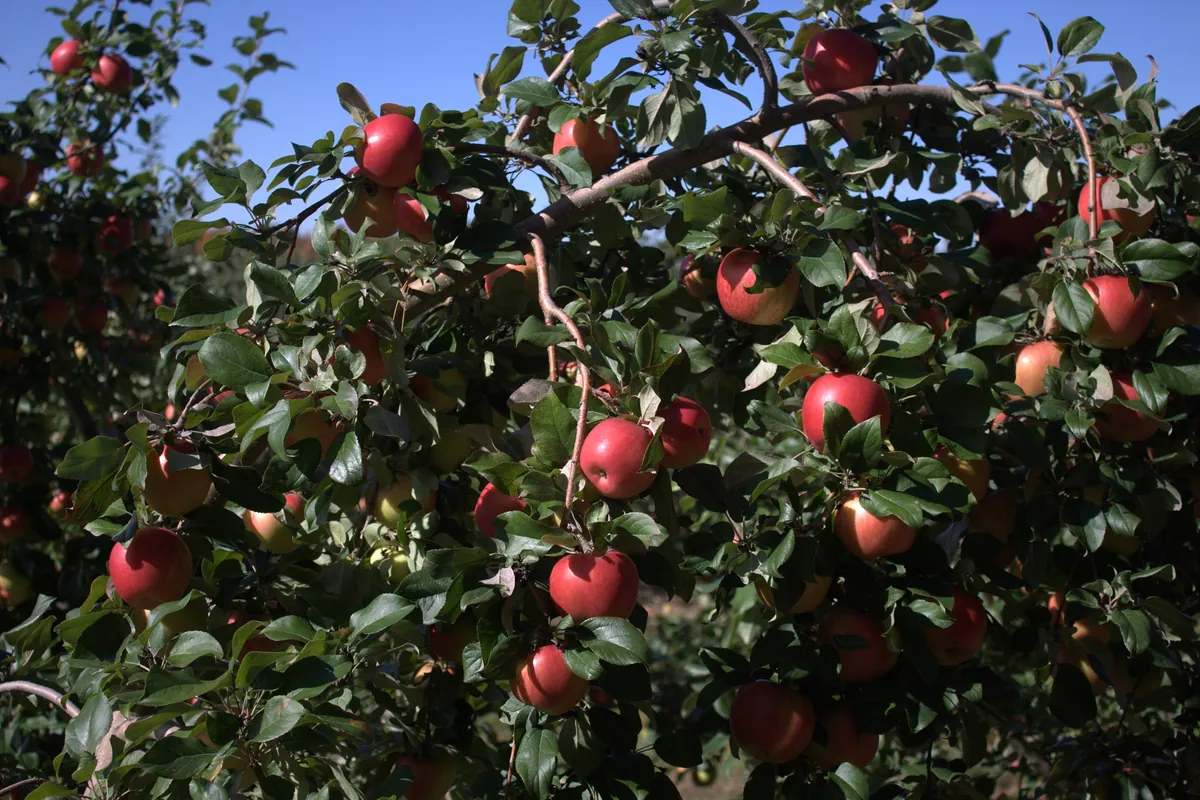
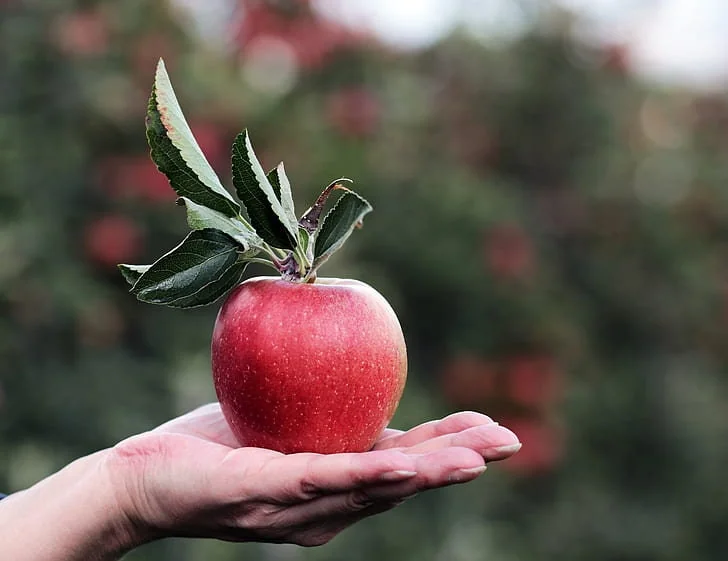
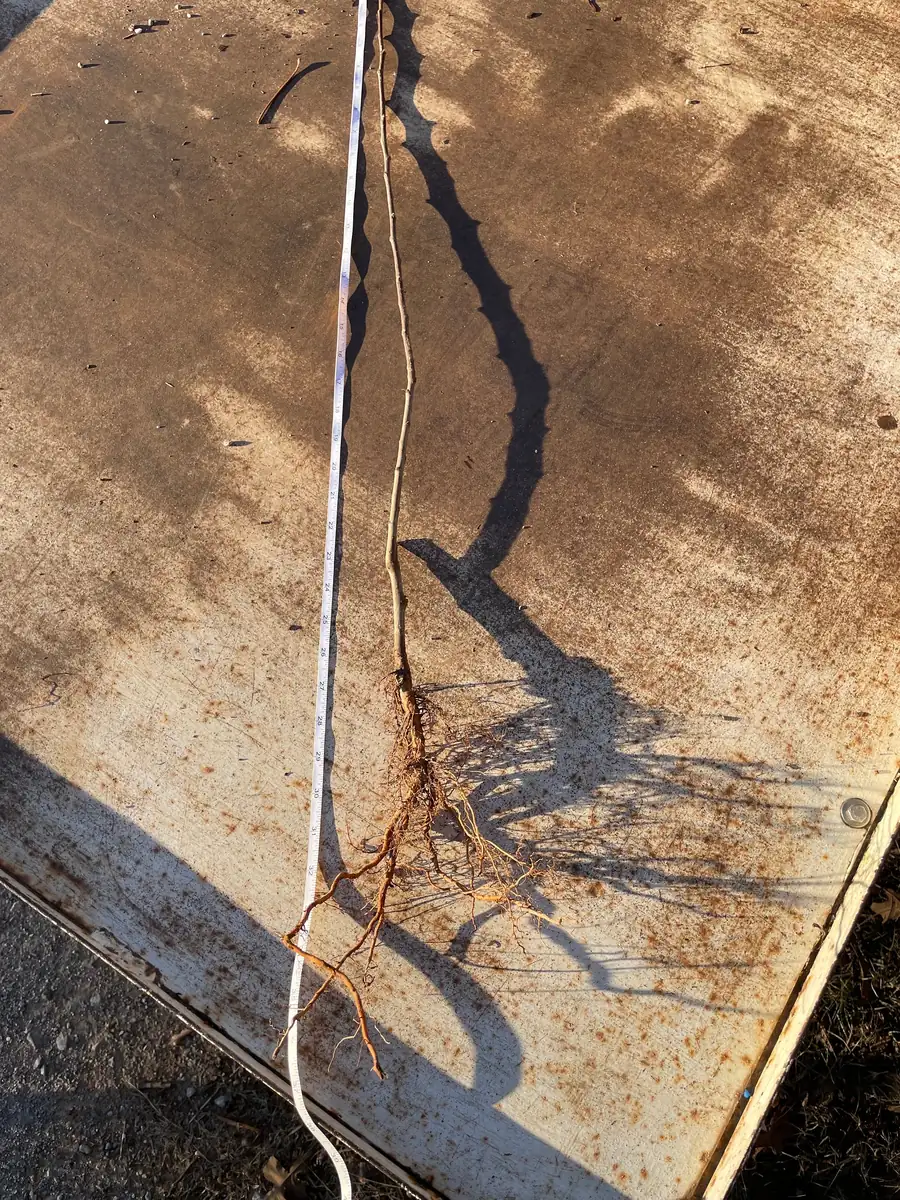
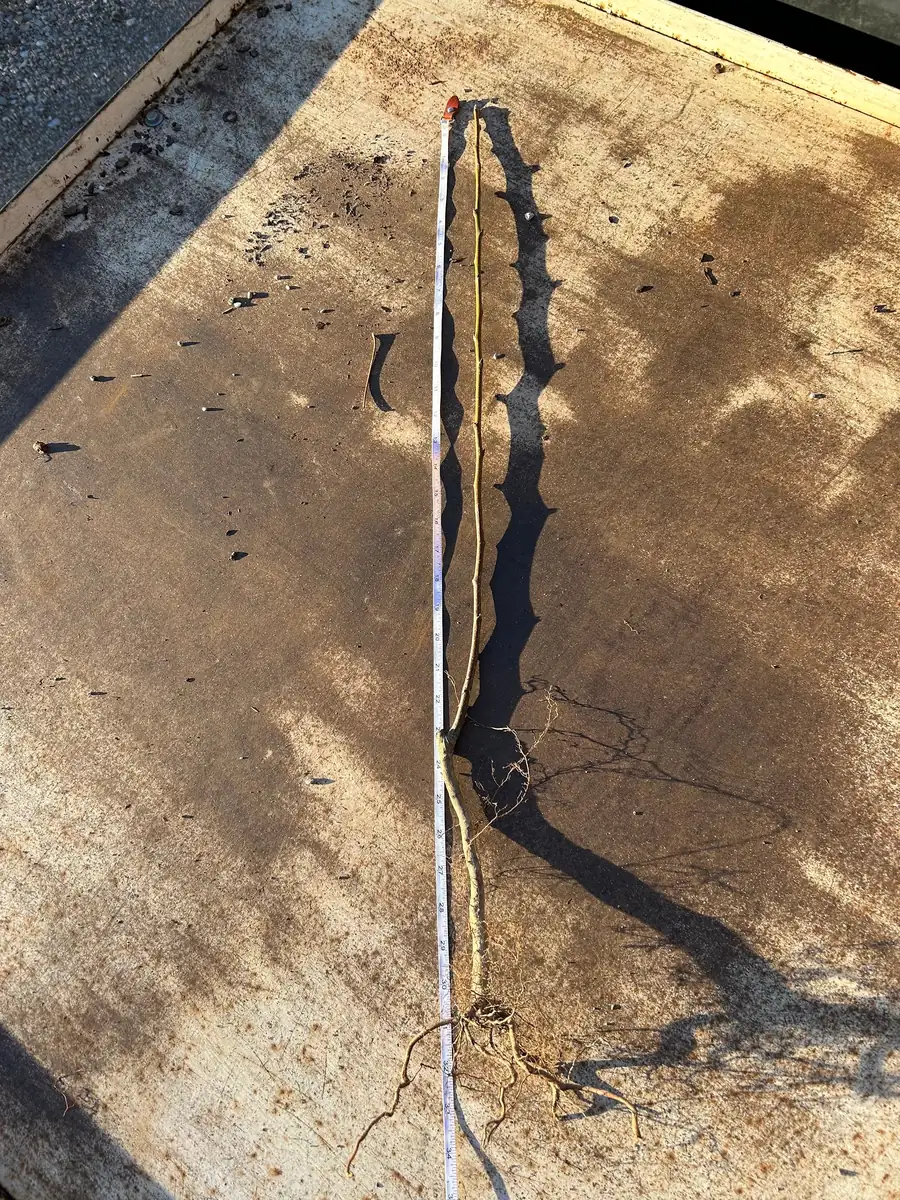
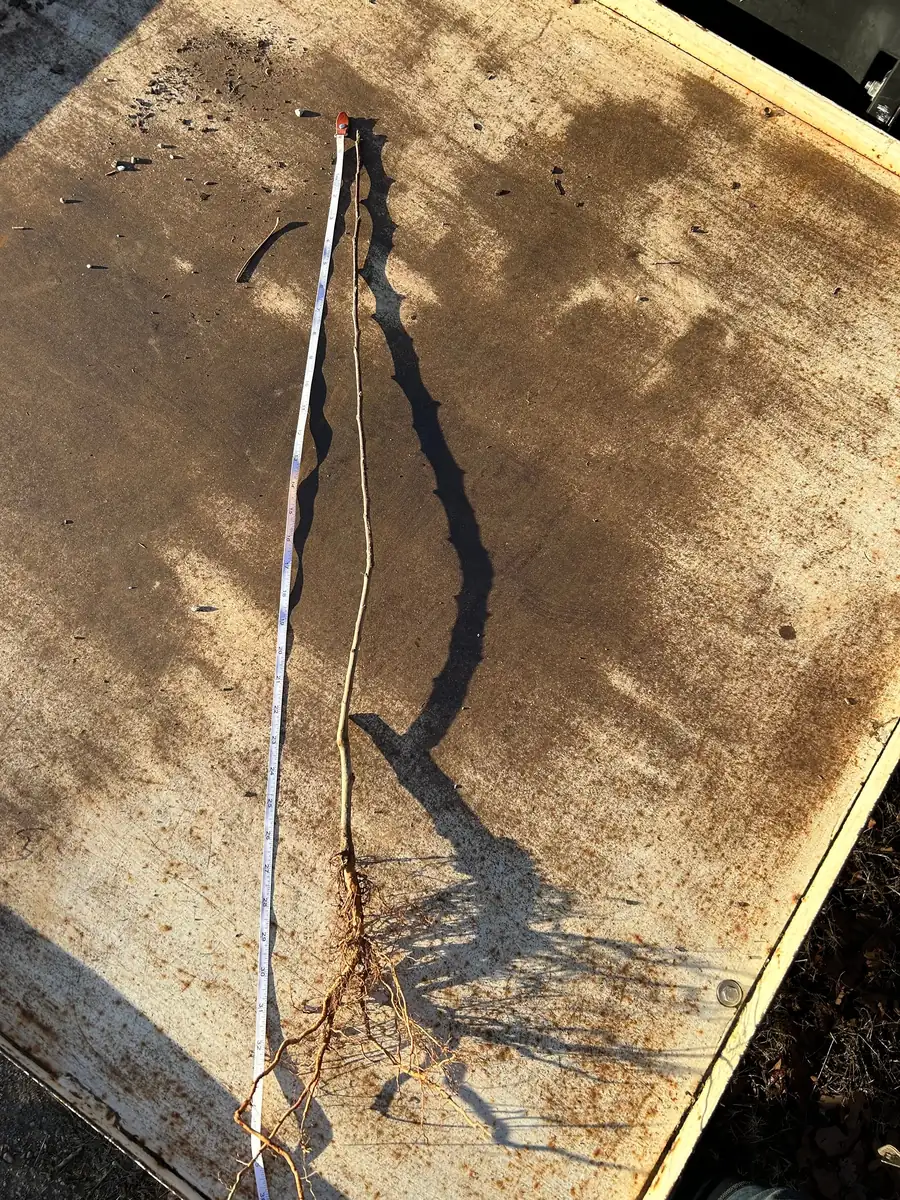
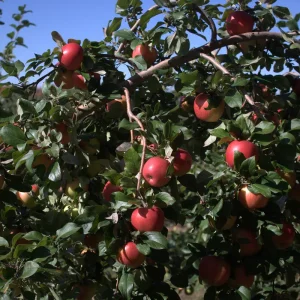
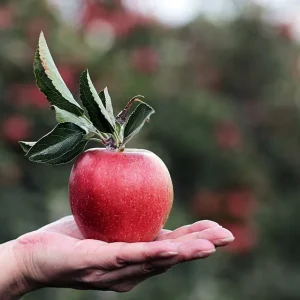
Bring the joy of harvesting your own fruit to your garden with the Honeycrisp Apple Tree Bareroot. This offering provides a vigorous, young apple tree in its dormant, bare root form, ready for planting and establishment. Standing at an impressive 2-3 feet tall at shipment, this particular variety is celebrated for its exceptional eating qualities, making it a highly sought-after choice for home orchards and gardens across the United States. The Honeycrisp apple, originating from Excelsior, Minnesota in 1974, has quickly become an American favorite due to its unique flavor profile and texture. It produces fruit that is famously aromatic, intensely sweet, and boasts an explosively juicy, crisp texture that is unmatched by many other apple varieties. This naturally compact tree is suitable for a variety of garden sizes, even smaller spaces, allowing more gardeners to enjoy the benefits of fresh, homegrown apples. Its cold-hardy nature ensures resilience in a wide range of climates, making growing Honeycrisp Apple Trees a rewarding experience for many.
The Honeycrisp apple ripens reliably in early September, providing a delightful harvest just as autumn begins. As with many apple varieties, a pollinator is required to ensure successful fruit set. Choosing another compatible apple variety to plant nearby will significantly enhance its bearing success. This Honeycrisp Apple Tree Bareroot arrives ready to thrive, offering the potential for a bountiful harvest of these iconic, delicious apples for years to come. Prepare your garden for a taste sensation that combines sweetness with a satisfying crunch, all from your very own backyard.
Key Benefits
The Honeycrisp Apple Tree Bareroot offers numerous advantages for the enthusiastic gardener and apple lover alike. Its unique characteristics make it a standout choice for home cultivation:
- Exceptional Flavor and Texture: The primary benefit of the Honeycrisp is its fruit. Known for its sweet, honey-like flavor and remarkably crisp, juicy texture, it’s considered one of the best fresh-eating apples available. This makes sweet crisp apples a highlight of any harvest.
- Cold Hardiness: This variety is notably cold-hardy, allowing it to flourish in a broader range of climates, particularly in regions with colder winters, expanding the possibilities for successful apple cultivation.
- Compact Growth Habit: The tree’s naturally compact size means it can be grown effectively even in smaller garden spaces or urban environments, making it accessible to more gardeners.
- High Demand Variety: Honeycrisp apples are consistently in high demand at markets due to their superior qualities, making homegrown fruit a true luxury and a delightful treat for family and friends.
- Early September Ripening: Enjoy fresh apples relatively early in the season, typically in early September, providing a refreshing start to the autumn harvest.
- Rewarding Home Orchard Addition: There’s immense satisfaction in growing Honeycrisp Apple Trees and enjoying fruit picked directly from your own garden, ensuring peak freshness and flavor.
Plant Care & Growing Tips
Successfully cultivating your Honeycrisp Apple Tree Bareroot requires attention to a few key growing conditions to ensure healthy growth and abundant fruit production. Upon arrival, carefully inspect your bare root tree. Before planting bare root apple trees, soak the roots in water for a few hours, but no more than 24 hours, to rehydrate them. Choose a planting site that receives full sun, meaning at least 6-8 hours of direct sunlight per day. Adequate sunlight is crucial for fruit development and overall tree health. The Honeycrisp thrives in well-drained, loamy soil with a pH level between 6.0 and 7.0. If your soil is heavy clay or too sandy, amend it with organic matter like compost to improve drainage and fertility.
When planting, dig a hole wide enough to accommodate the spread of the roots without bending them, and deep enough so that the graft union (the swollen part on the trunk where the scion meets the rootstock) remains 2-3 inches above the soil line. Backfill the hole with soil, gently tamping down to remove air pockets, and water thoroughly. Consistent watering is essential, especially during the first few years as the tree establishes. Aim for about 1 inch of water per week, either from rainfall or irrigation, ensuring the soil remains consistently moist but not waterlogged. Fertilize in early spring with a balanced fruit tree fertilizer, following package directions. Pruning should be done in late winter or early spring while the tree is dormant, focusing on removing dead, damaged, or crossing branches to promote good air circulation and light penetration. This variety is known for being cold hardy apple trees, tolerating USDA Zones 3-8, but protection for young trees during extreme cold can be beneficial.
Pollination is a critical aspect for fruit production with the Honeycrisp. It requires cross-pollination from a different apple variety. Plant a suitable pollinator within 100 feet for best results. Good pollinator choices include Gala, Fuji, Granny Smith, or other compatible apple varieties. Without a pollinator, your Honeycrisp Apple Tree Bareroot will not produce fruit. Monitor for common apple tree pests and diseases, and apply appropriate organic or conventional treatments as needed. With proper care, you can expect your tree to begin bearing fruit in 2-5 years, providing you with delicious sweet crisp apples.
Size & Details
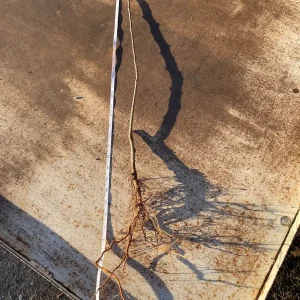
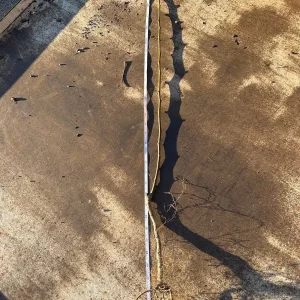
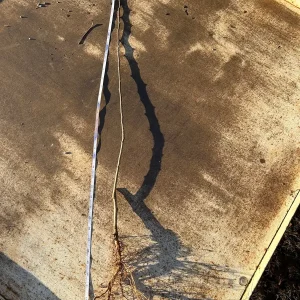
This offering is for a Honeycrisp Apple Tree Bareroot, typically measuring 2-3 feet in height upon shipment. As a bare root plant, it will arrive dormant without soil or foliage, which is the ideal state for planting and minimizes transplant shock. The tree is a deciduous variety, meaning it will lose its leaves in the fall and winter, preparing for new growth in the spring. This specific apple tree is a standard size, though its naturally compact growth habit makes it manageable for many garden types. It will require 800-1000 chill hours to break dormancy and set fruit effectively. The fruit itself is large, featuring a vibrant red color and is ready for harvest in early September. Given proper care and suitable growing conditions, including the necessary cross-pollination, this cold hardy apple tree can begin bearing fruit within 2-5 years of planting and can provide a consistent yield of high-quality fruit for many decades.
The ideal soil conditions are loamy, well-drained, with a pH between 6.0 and 7.0. Full sun exposure is non-negotiable for optimal growth and fruit production. The tree is suitable for USDA Zone Range 3-8, demonstrating its robust nature. When considering planting bare root apple trees, ensure your location falls within this range for the best chance of success. The taste profile is distinctly sweet with a crisp and juicy texture, making it perfect for fresh eating, baking, and cider production. The bloom color is white, appearing mid to late spring, adding ornamental value to your landscape before the fruit sets.
Frequently Asked Questions
- Q: How big does this Honeycrisp Apple Tree get? A: The Honeycrisp Apple Tree Bareroot we offer is 2-3 feet tall upon shipment. Once established, it is considered a standard size apple tree, but it has a naturally compact growth habit, making it suitable for various garden sizes. Its mature height can range from 12-15 feet, depending on pruning and rootstock.
- Q: Is this an indoor or outdoor plant? A: This is an outdoor fruit tree. Honeycrisp Apple Tree Bareroot requires full sun exposure and specific chill hours to produce fruit, making it unsuitable for indoor cultivation. It is designed for planting directly into your garden or orchard.
- Q: How much sunlight does it need? A: For optimal growth and fruit production, your Honeycrisp Apple Tree Bareroot needs a location that receives at least 6-8 hours of direct sunlight per day. Full sun is crucial for developing the best flavor and sweetness in the sweet crisp apples.
- Q: Is this apple tree easy to care for? A: While not entirely hands-off, the Honeycrisp apple tree is considered moderately easy to care for, especially by those experienced with fruit trees. Key requirements include proper planting, consistent watering, annual pruning, and ensuring a pollinator is nearby.
- Q: What condition will the bare root apple tree arrive in? A: Your Honeycrisp Apple Tree Bareroot will arrive dormant, meaning it will not have leaves or soil around its roots. The roots will be carefully packaged to retain moisture during transit, ready for immediate planting upon arrival.
- Q: When is the best time to plant bare root apple trees? A: The ideal time for planting bare root apple trees is in early spring, as soon as the soil can be worked and after the danger of severe frost has passed. This allows the tree to establish its root system before the heat of summer. Fall planting is also possible in milder climates.
- Q: Will it survive winter in my zone? A: Yes, the Honeycrisp apple tree is known for being very cold-hardy, suitable for USDA Zones 3-8. If you are within this range, your cold hardy apple tree should successfully overwinter once established. For zones at the colder end, consider providing winter protection for young trees.
- Q: Does this tree require another apple tree for pollination? A: Yes, the Honeycrisp apple tree is not self-fertile and requires a different apple variety for cross-pollination to produce fruit. Ensure another compatible apple tree is planted within 100 feet for successful fruit set.
- Q: How long until it blooms and bears fruit? A: Your Honeycrisp apple tree will typically begin to bloom in mid to late spring within the first few years. You can expect it to start bearing fruit within 2-5 years after planting, with full production achieved as the tree matures.
- Q: What type of soil does this apple tree prefer? A: This tree prefers well-drained, loamy soil with a pH between 6.0 and 7.0. Good drainage is essential to prevent root rot, and amending heavy clay soils with organic matter is recommended for optimal growth.


Reviews
There are no reviews yet.