Overview
Introduce the enchanting beauty of a honeysuckle vine live plant to your outdoor space. This vigorous and fragrant Lonicera perennial is a true garden classic, celebrated for its prolific and often sweetly scented blooms that appear from spring through summer. Honeysuckles are renowned for their ability to transform a simple fence, trellis, or arbor into a stunning vertical display of color and fragrance. Our starter plants, approximately 6-10 inches in height, are well-rooted and ready to establish themselves in your garden, providing years of natural charm. A honeysuckle vine live plant is not just a visual delight; it’s also a haven for local wildlife, making your garden a more dynamic and engaging environment.
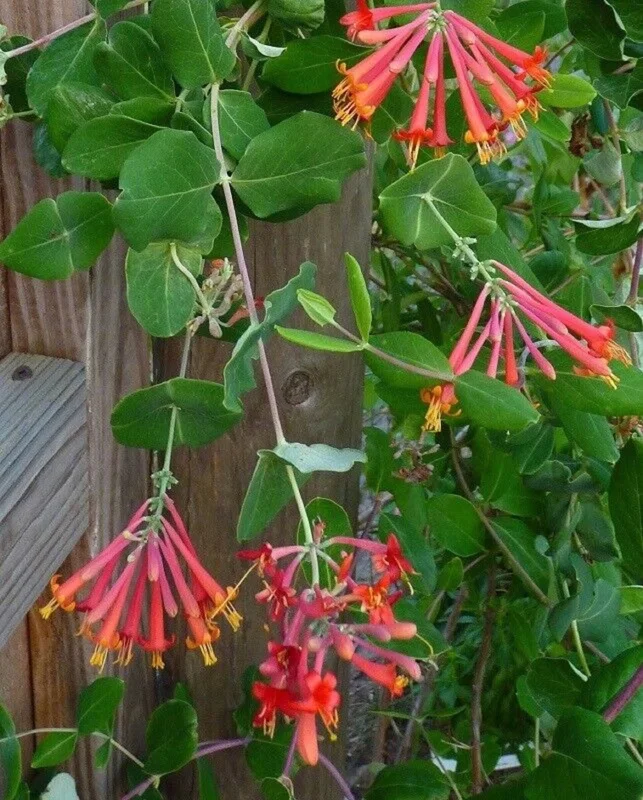
Honeysuckle, or Lonicera, is a diverse genus of plants known for their ornamental value and ecological benefits. This particular offering provides a random mix of different species and cultivars, ensuring a unique and delightful surprise with every plant. These hardy vines are well-suited for a wide range of climates, particularly thriving in USDA Zones 5-9, making them a reliable addition to many American gardens. The ease of care and the stunning visual appeal of a honeysuckle vine live plant make it a fantastic choice for both novice and experienced gardeners looking to add a touch of romance and natural elegance to their landscape.
Key Benefits
The addition of a honeysuckle vine live plant brings numerous advantages to any garden, enhancing both its aesthetic appeal and ecological value. This robust perennial offers more than just beauty; it creates a vibrant and inviting atmosphere.
- Attracts Pollinators: The vibrant flower clusters are a magnet for hummingbirds and butterflies, bringing your garden to life with their graceful presence. Enjoy watching these fascinating creatures feed on the nectar.
- Fragrant Blooms: Many honeysuckle varieties are famous for their intoxicatingly sweet fragrance, especially noticeable during evening hours. Planting a fragrant honeysuckle near a patio or window can significantly enhance your outdoor living experience.
- Winter Hardy Perennial: Designed to withstand colder temperatures, this plant is a reliable perennial in USDA Zones 5-9, returning year after year with minimal effort, providing consistent beauty.
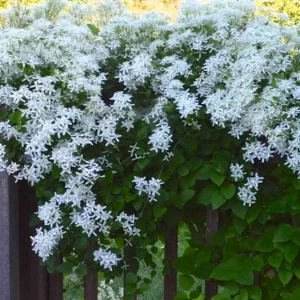
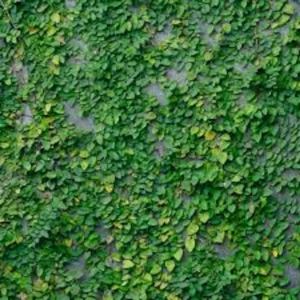
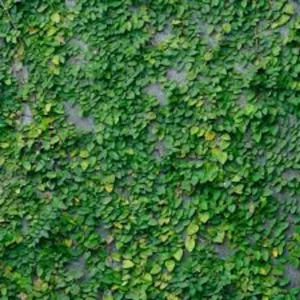
- Versatile Growth Habit: As a climbing vine, it’s perfect for covering fences, trellises, arbors, or even as a ground cover, adding vertical interest and lush greenery to your landscape.
- Low Maintenance: Once established, honeysuckle vines are relatively easy to care for, requiring moderate watering and occasional pruning to maintain their shape and encourage flowering.
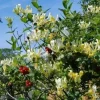
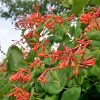
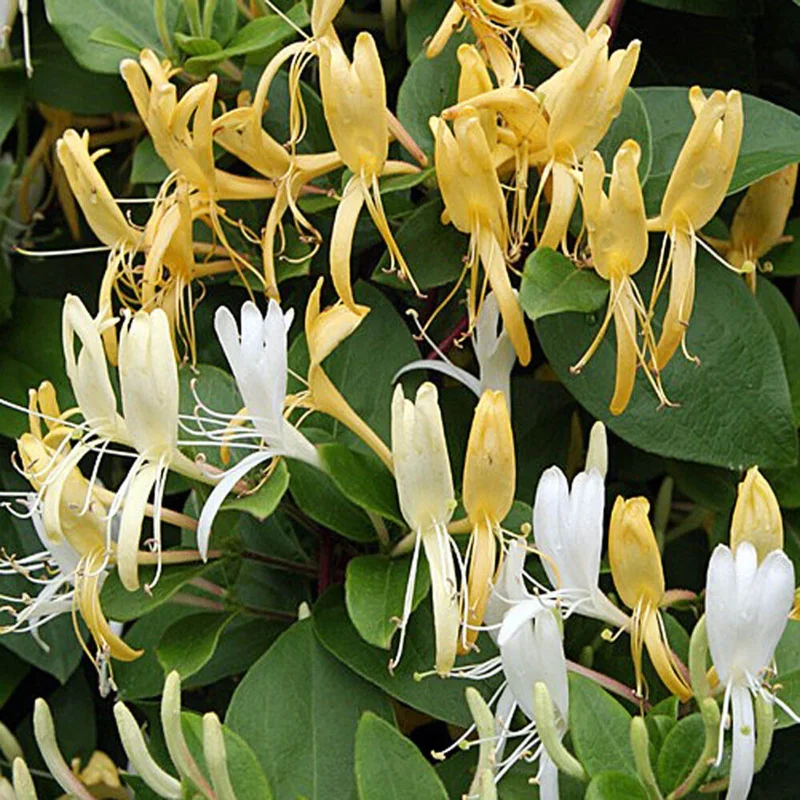
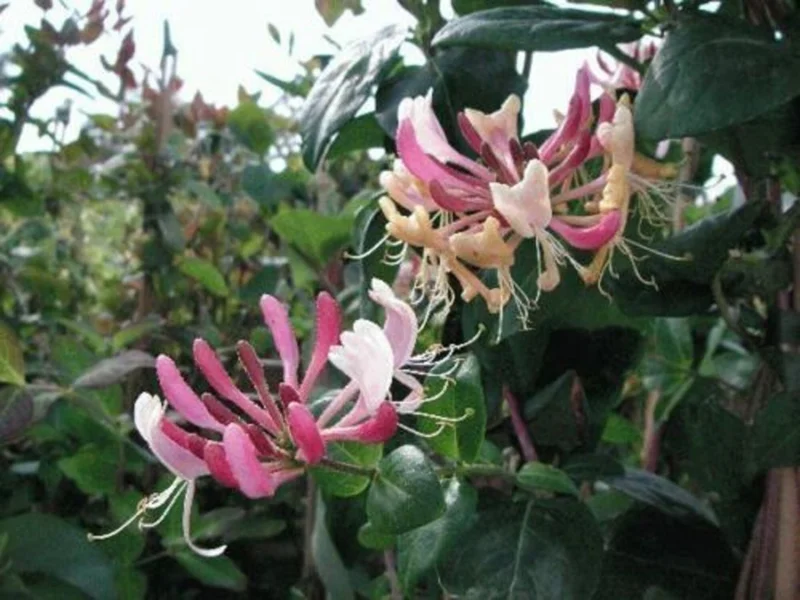
- Aesthetic Appeal: The beautiful, often trumpet-shaped flowers in various colors (depending on the random mix of cultivars) provide continuous visual interest throughout the spring and summer months.
- Erosion Control: When used as a ground cover, the extensive root system of a Lonicera perennial can help stabilize soil and prevent erosion on slopes.
Plant Care & Growing Tips
Caring for your honeysuckle vine live plant is straightforward, ensuring a thriving and beautiful display for years to come. These resilient plants are relatively forgiving, but providing optimal conditions will maximize their growth and bloom production. Upon arrival, carefully unpackage your starter plant and prepare it for planting. Dig a hole twice as wide as the root ball and just as deep, ensuring the top of the root ball is level with the soil surface. Backfill with enriched soil, gently firming around the base, and water thoroughly.
Sunlight Requirements: Honeysuckle vines perform best in full sun to light shade. ‘Full sun’ means at least 6 hours of direct sunlight per day, which encourages the most abundant flowering. In hotter climates, some afternoon shade can protect the plant from scorching. While they can tolerate partial shade, flowering may be less prolific. Ensure your Lonicera perennial receives adequate light for optimal growth.
Watering and Soil: These plants prefer well-drained soil. Water regularly after planting, keeping the soil consistently moist but not waterlogged, until the plant is established. Once established, honeysuckle vines are moderately drought-tolerant but will benefit from deep watering during dry spells. Avoid overhead watering to prevent fungal diseases. A good quality, well-draining soil mix is essential for healthy root development.
Temperature and Hardiness: This winter hardy perennial thrives in USDA Zones 5-9. It can tolerate a range of temperatures, but protection from extreme winter winds may be beneficial in the colder end of its hardiness range. Mulching around the base can help regulate soil temperature and retain moisture. Fertilize in early spring with a balanced slow-release fertilizer to support vigorous growth and flowering. Prune after flowering to maintain shape, remove dead or weak stems, and encourage new blooms. Watch out for common pests like aphids, which can usually be managed with insecticidal soap.
Size & Details
This offering is for a honeysuckle vine live plant, supplied as a well-rooted starter plant in a 2 1/2 inch pot. The plant typically measures approximately 6-10 inches in height from the base of the pot to the tip of the foliage, providing a robust foundation for future growth. Honeysuckle vines are known for their rapid growth rate once established, quickly reaching mature lengths of 10-20 feet or more, depending on the variety and growing conditions. The mature spread can vary significantly based on how it’s trained and pruned, but it can easily cover a substantial area when given proper support. These plants are shipped ready for immediate planting, ensuring a smooth transition to your garden.
Expect your honeysuckle vine live plant to begin flowering in its first or second year, typically in late spring to early summer, with blooms often continuing sporadically through the warmer months. The random mix of different species and cultivars means you could receive a variety with diverse flower colors, shapes, and fragrances, adding an element of surprise and unique beauty to your landscape. This zone 5-9 honeysuckle is a long-lived perennial, providing enjoyment for many years with proper care and placement.
Frequently Asked Questions
- Q: How big does this plant get? A: This starter plant is approximately 6-10 inches tall in a 2 1/2 inch pot. Once established, a honeysuckle vine live plant can grow vigorously, reaching lengths of 10-20 feet or more, depending on the specific cultivar and growing conditions.
- Q: What size pot does it come in? A: The honeysuckle vine live plant is supplied as a well-rooted starter plant in a 2 1/2 inch pot, ready for transplanting into your garden or a larger container.
- Q: Is this an indoor or outdoor plant? A: Honeysuckle vines are primarily outdoor plants, thriving in garden settings where they can climb or spread. They are a winter hardy perennial suitable for USDA Zones 5-9.
- Q: How much sunlight does it need? A: This plant prefers full sun to light shade. For the most abundant blooms, ensure your Lonicera perennial receives at least 6 hours of direct sunlight daily.
- Q: Is this plant easy to care for? A: Yes, honeysuckle vines are generally considered easy to care for, especially once established. They require well-draining soil and regular watering during dry periods, making them suitable for beginners.
- Q: What condition will it arrive in? A: Your honeysuckle vine live plant will arrive as a well-rooted, healthy starter plant, carefully packaged to ensure its safe journey and readiness for planting.
- Q: When is the best time to plant? A: The best time to plant your honeysuckle vine is typically in spring or early fall, allowing the roots to establish before extreme temperatures. However, potted plants can be planted throughout the growing season.
- Q: Will it survive winter in my zone? A: This honeysuckle is a zone 5-9 honeysuckle, meaning it is winter hardy and will survive the cold temperatures typical of these USDA zones, returning reliably each spring.
- Q: Can I use this plant for ground cover? A: Yes, while often trained to climb, certain honeysuckle varieties can be effectively used as ground cover, especially on slopes, where their dense growth can help with erosion control.
- Q: Does this plant attract bees? A: Absolutely! In addition to hummingbirds and butterflies, the nectar-rich flowers of a fragrant honeysuckle are also very attractive to bees, contributing to local pollinator populations.


Reviews
There are no reviews yet.