Overview
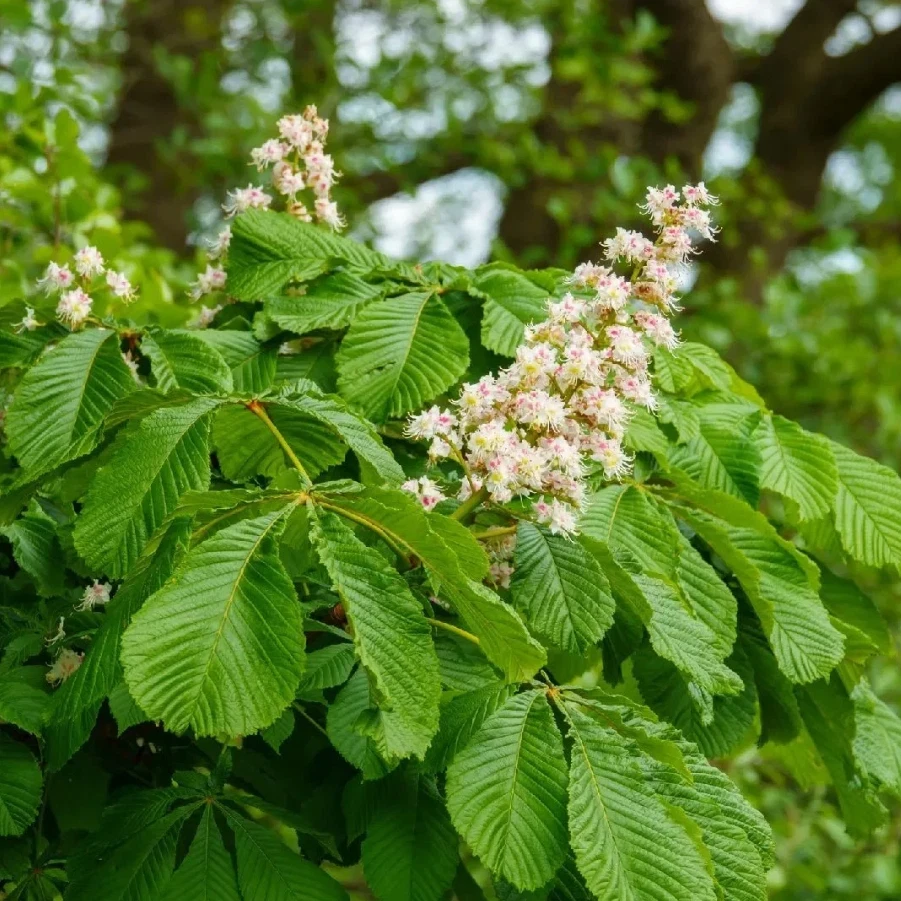
Introduce a touch of majestic beauty to your landscape with the magnificent horse chestnut tree live plant. Revered for its impressive stature and stunning seasonal displays, the Aesculus hippocastanum, commonly known as the Horse Chestnut, is a superb choice for creating natural shade and visual interest in larger gardens, parks, or estate settings. This deciduous tree is a true spectacle, particularly in spring when it bursts forth with striking upright panicles of white flowers, often flecked with red or yellow. Beyond its floral appeal, the horse chestnut tree live plant develops a broad, dense canopy that provides welcome relief from the summer sun, making it an ideal specimen for a grand shade tree. Its distinctive palmate leaves and unique spiny fruit casings add to its year-round appeal.
The horse chestnut tree live plant is not only a visual delight but also a robust and long-lived addition to any suitable environment. It’s a classic choice for those seeking a tree with significant presence and a rich history. As an ornamental feature, its grandeur is undeniable, transforming landscapes with its seasonal transformations from vibrant spring blooms to lush summer foliage and intriguing autumn seed pods.
Key Benefits
The horse chestnut tree live plant offers a multitude of benefits for the discerning gardener and landscape designer. Its impressive characteristics contribute significantly to both aesthetic appeal and environmental well-being, establishing it as a truly valuable asset:
- Spectacular Spring Blooms: In early to mid-spring, the tree produces showy, cone-shaped clusters of white flowers, often with a yellow or pink blush, creating a breathtaking display that attracts pollinators and admirers alike. These ‘candles’ are a hallmark of the horse chestnut tree live plant.
- Exceptional Shade Provider: With its dense and expansive canopy, the Horse Chestnut is an outstanding choice for providing deep, cooling shade during hot summer months. It’s perfect for creating comfortable outdoor living spaces or protecting sun-sensitive areas.
- Unique Foliage and Form: The large, palmate leaves are a distinctive feature, providing a lush green backdrop throughout the growing season. The tree develops a strong, stately form, making it a prominent focal point in any large landscape.
- Wildlife Attraction: The flowers provide nectar for bees and other pollinators, while the ‘conkers’ (seeds) can be a food source for some wildlife, though they are toxic to humans and most livestock.
- Long-Lived and Durable: Given proper care and suitable growing conditions, the aesculus hippocastanum can thrive for many decades, becoming a lasting legacy in your garden or community. Its resilience makes it a reliable choice for long-term landscaping.
- Seasonal Interest: From its vibrant spring flowers to its lush summer foliage, unique spiny fruits in autumn, and strong winter silhouette, this tree provides continuous visual interest throughout the year.
Plant Care & Growing Tips
Caring for an horse chestnut tree live plant involves understanding its needs for optimal growth and health. These trees prefer a site with ample space to accommodate their mature size. They thrive in full sun to partial shade, meaning they need at least 6 hours of direct sunlight per day for the best flowering and growth, though they can tolerate some afternoon shade in hotter climates. Adequate air circulation is also beneficial to prevent fungal issues.
When it comes to watering, young aesculus hippocastanum trees need consistent moisture, especially during dry spells, to establish a strong root system. Once established, they are moderately drought-tolerant but will perform best with regular watering, particularly during prolonged dry periods. The ideal soil type is a rich, well-drained loam. Horse Chestnuts do not tolerate highly alkaline or compacted soils well. Incorporating organic matter at planting time can help improve soil structure and fertility. The tree is generally hardy in USDA zones 3-8, making it suitable for a wide range of climates across the US. Fertilization can be beneficial for young trees or those in poor soil; use a balanced, slow-release fertilizer in early spring before new growth begins. Protect young trees from pests and diseases, and prune only to remove dead, damaged, or crossing branches, typically in late winter or early spring before sap flow.
Size & Details
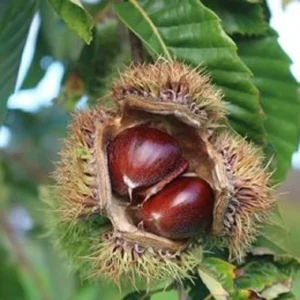
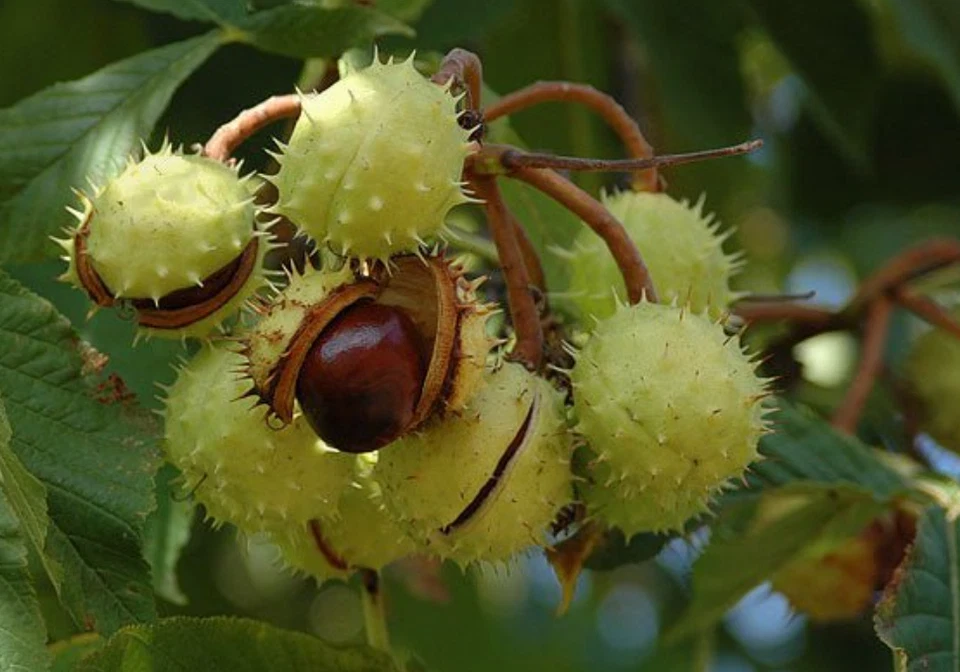
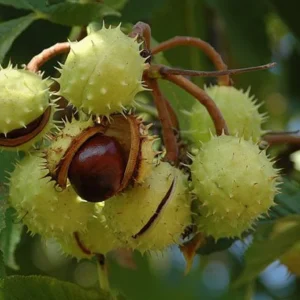
The horse chestnut tree live plant is renowned for its impressive size at maturity. Typically, it can reach heights of 50-75 feet (15-23 meters) with an equally broad, rounded canopy spread, making it a truly grand specimen. Its growth rate is considered medium, adding about 12-24 inches (30-60 cm) per year under ideal conditions. The tree will arrive as a young, healthy specimen, ready for planting. Expect it to take several years to reach significant size and begin flowering profusely, though younger trees may produce some blooms. This tree is shipped as a potted plant or bare root, depending on the season, ensuring optimal health upon arrival. The unique ‘conkers’ develop in autumn, encased in spiny green husks, which split open to reveal the shiny, brown seeds. Proper planting of your horse chestnut tree live plant is crucial for its long-term success.
Frequently Asked Questions
- Q: How big does this plant get? A: A horse chestnut tree live plant can grow to an impressive height of 50-75 feet with a similar spread, creating a magnificent, broad canopy. It requires ample space to reach its full potential.
- Q: What size pot does it come in? A: The tree will arrive either as a bare root plant during dormant seasons or in a nursery pot appropriate for its current stage of growth, typically a 1-gallon or 3-gallon container.
- Q: Is this an indoor or outdoor plant? A: The aesculus hippocastanum is an outdoor tree, best suited for large landscapes, parks, and spacious gardens where it has room to grow and thrive. It is not suitable for indoor cultivation.
- Q: How much sunlight does it need? A: This tree prefers full sun to partial shade, ideally receiving at least 6 hours of direct sunlight daily for optimal health, flowering, and growth.
- Q: Is this plant easy to care for? A: Once established, the horse chestnut tree live plant is relatively low-maintenance, requiring consistent watering when young and well-draining soil. It’s a robust tree that tolerates a range of conditions.
- Q: What condition will it arrive in? A: Your tree will arrive healthy and carefully packaged, either as a dormant bare root during cooler months or as a potted plant with established roots, ready for planting.
- Q: When is the best time to plant a horse chestnut tree? A: The best time to plant a planting horse chestnut is in the spring or fall, allowing the tree to establish its root system before extreme summer heat or winter cold.
- Q: Will it survive winter in my zone? A: The Horse Chestnut is hardy in USDA zones 3-8, meaning it can tolerate a wide range of winter temperatures across many regions of the US.
- Q: What’s the minimum temperature it can withstand? A: This tree can generally withstand winter temperatures as low as -40°F (-40°C), depending on the specific cultivar and overall health.
- Q: Are the seeds edible? A: No, the seeds, commonly known as ‘conkers’, are toxic to humans and most animals if ingested. They are not suitable for consumption.
- Q: What is the benefit of an ornamental horse chestnut? A: An ornamental horse chestnut provides exceptional aesthetic appeal through its stunning spring flowers, dense summer shade, unique foliage, and stately form, significantly enhancing the beauty of any large landscape.


Reviews
There are no reviews yet.