Overview
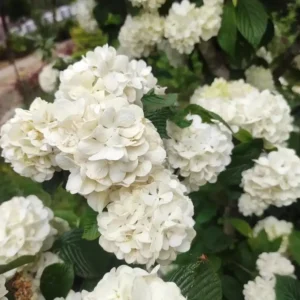
Transform your garden with the magnificent Hydrangea Hercules live plant, a stunning deciduous shrub renowned for its colossal and captivating blooms. This particular variety, ‘Hercules’, botanically known as Hydrangea paniculata ‘Hercules’, is celebrated for its impressive flower clusters that can reach an astonishing 16 inches in length. Initially, these plumes emerge in a fresh white-green hue, gradually transitioning to a beautiful soft pink as they mature, adding dynamic color to your landscape throughout the season. The Hydrangea Hercules live plant is a vigorous grower, offering a dramatic visual impact whether used as a focal point, in mass plantings, or as a striking border plant. Its robust nature and spectacular floral display make it a favored choice among gardeners seeking a high-impact, low-maintenance shrub.
This plant brings a touch of grandeur to any outdoor space. It’s a fantastic option for those looking to create an elegant and long-lasting floral presence. The changing colors of its blooms ensure continuous interest from spring through summer, making the Hydrangea Hercules live plant a truly rewarding addition to your garden.
Key Benefits
The Hydrangea Hercules live plant offers a multitude of benefits that make it an exceptional choice for any garden. Its unique characteristics contribute to an aesthetically pleasing and vibrant outdoor environment. Here are some of its most notable advantages:
- Spectacular, Large Blooms: The primary draw of the Hydrangea Hercules live plant is its massive flower clusters, which can grow up to 16 inches long. These impressive plumes create a breathtaking visual display, ensuring your garden stands out. This makes it a truly large flowering Hydrangea.
- Dynamic Color Transformation: Enjoy a continuous show as the blooms evolve from a crisp white-green to a charming pink. This color change adds depth and interest to your landscape as the season progresses, creating the beautiful effect of a white Hydrangea turning pink.
- Robust and Hardy Nature: This deciduous shrub is highly resilient, thriving in a wide range of conditions. It’s known for its strong stems that reliably hold up the large flowers, even after heavy rain, making it a dependable addition to your garden.
- Versatile Landscaping Use: Whether you’re looking for a dramatic specimen plant, a lush hedge, or an impressive border, the ‘Hercules’ Hydrangea fits perfectly into various garden designs, enhancing curb appeal. Its strong structure and abundant blooms make it suitable for many landscaping needs.
- Attracts Pollinators: While primarily grown for its ornamental value, the flowers can attract beneficial pollinators to your garden, contributing to a healthier ecosystem and supporting local wildlife.
- Long-Lasting Cut Flowers: The durable blooms are excellent for cutting, allowing you to bring the beauty of your garden indoors. They can also be dried for long-lasting arrangements, extending their enjoyment.
- Low Maintenance: Once established, Hercules Hydrangea care is relatively straightforward, requiring minimal effort to maintain its stunning appearance, making it suitable for both experienced and novice gardeners. This ease of care adds to its appeal.
Plant Care & Growing Tips
Proper Hercules Hydrangea care is essential to ensure your plant thrives and produces its magnificent blooms. This deciduous shrub is quite adaptable, but providing the right conditions will maximize its growth and flowering potential. For optimal growth, plant your Hydrangea Hercules live plant in a location that receives full sun to partial sun. Full sun encourages more abundant flowering, but in hotter climates, some afternoon shade can prevent leaf scorch. Aim for at least 4-6 hours of direct sunlight daily. This balances bloom production with protection from intense heat.
When it comes to watering, consistent moisture is key, especially during dry spells and in the first year after planting. The soil should remain consistently moist but never waterlogged. Overwatering can lead to root rot, so ensure good drainage. Speaking of soil, the ‘Hercules’ Hydrangea prefers well-draining, rich, and slightly acidic to neutral soil. Amending your soil with organic matter like compost before planting will provide essential nutrients and improve soil structure. This will greatly aid in the overall health and vigor of your large flowering Hydrangea. This variety is known as Hydrangea paniculata Hercules.
The Hydrangea Hercules live plant is hardy in USDA Zones 3-9, making it suitable for a broad range of climates. Fertilize in early spring with a balanced slow-release fertilizer formulated for flowering shrubs. Pruning should ideally be done in late winter or early spring before new growth begins, as this Hydrangea blooms on new wood. Remove any dead or weak branches and shape the plant as desired. Avoid heavy pruning in late summer or fall, as this can reduce the following year’s blooms. Watching your white Hydrangea turning pink is a delightful process that signifies its maturity and health, indicating proper care and conditions.
Size & Details
This offering is for a Hydrangea Hercules live plant, typically a starter plant measuring approximately 5-7 inches tall. It is a well-rooted plant, usually shipped in a 2 1/2 x 3 1/2 inch pot, ensuring it establishes well in your garden. As a deciduous shrub, it will lose its leaves in winter, returning with fresh foliage and spectacular flowers in spring and summer. Mature plants can reach a height of 5-6 feet tall and spread similarly wide, creating a substantial presence in the landscape. The large flower clusters, up to 16 inches long, are a hallmark of this variety. It’s an excellent choice if you are looking for a significant and lasting impact in your garden design, providing a striking deciduous shrub for landscaping.
The ‘Hercules’ Hydrangea is known for its relatively fast growth rate, allowing you to enjoy its full beauty within a few seasons. Expect blooming to begin in late spring to early summer, continuing well into the fall. Its robust stems are strong enough to support the weight of its enormous blooms without flopping, maintaining an upright and stately appearance even when the flowers are at their largest. This plant ships ready to be transplanted into your garden or a larger container, allowing for flexible planting options upon arrival.
Frequently Asked Questions
- Q: How big does this plant get? A: The Hydrangea Hercules live plant typically grows to a mature height of 5-6 feet tall and can spread equally wide, making it a substantial and impactful presence in your garden. This makes it a truly large flowering Hydrangea when mature.
- Q: What size pot does it come in? A: This starter plant is well-rooted and usually ships in a 2 1/2 x 3 1/2 inch pot, ready for transplanting into a larger container or directly into your garden.
- Q: Is this an indoor or outdoor plant? A: The Hydrangea Hercules live plant is an outdoor deciduous shrub, best suited for garden beds, borders, or large outdoor containers where it can receive adequate sunlight and space to grow.
- Q: How much sunlight does it need? A: This Hydrangea thrives in full sun to partial sun conditions. It prefers at least 4-6 hours of direct sunlight daily, though some afternoon shade is beneficial in very hot climates to prevent scorching.
- Q: Is this plant easy to care for? A: Yes, Hercules Hydrangea care is considered relatively easy once established. It requires consistent watering, well-draining soil, and annual pruning. It’s a great choice for various skill levels, including beginners.
- Q: What condition will it arrive in? A: Your Hydrangea Hercules live plant will arrive as a healthy, well-rooted starter plant, approximately 5-7 inches tall, carefully packaged to ensure its safe journey and readiness for planting.
- Q: How long until it blooms? A: While a starter plant, you can expect the ‘Hercules’ Hydrangea to begin producing its characteristic large white-green blooms that later become a lovely white Hydrangea turning pink within one to two growing seasons, with more prolific flowering as it matures.
- Q: When is the best time to plant? A: The best time to plant your ‘Hercules’ Hydrangea is in spring or early fall, allowing the plant sufficient time to establish its root system before extreme weather conditions.
- Q: Will it survive winter in my zone? A: This deciduous shrub for landscaping is hardy in USDA Zones 3-9, meaning it is well-equipped to survive winters within this range, losing its leaves and returning vigorously in spring.
- Q: What’s the minimum temperature it can tolerate? A: The ‘Hercules’ Hydrangea, also known as Hydrangea paniculata Hercules, can tolerate winter temperatures down to approximately -40°F (-40°C) when fully dormant and established within its recommended hardiness zones.


Reviews
There are no reviews yet.