Overview
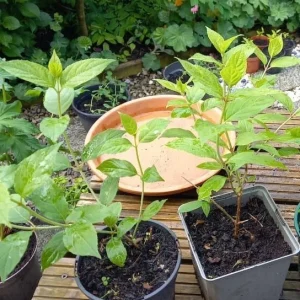
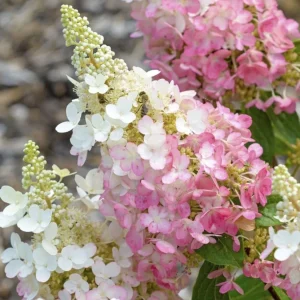
Discover the captivating beauty of the hydrangea paniculata live plant, a robust and cold-hardy shrub celebrated for its spectacular blooms. This particular variety, known for its two-toned flower clusters, offers a dynamic display of color from summer through fall. Each plant arrives established in a quart-sized pot, standing approximately 6-12 inches tall, ready to thrive in your garden. Ideal for creating a focal point or adding vibrant texture to borders, this cold hardy hydrangea is a versatile and rewarding addition to any outdoor space. Its resilience and striking floral show make it a favorite among gardeners seeking both beauty and ease of care.
The hydrangea paniculata live plant is a deciduous shrub that brings significant visual interest to the landscape. Its ability to tolerate a wide range of climates and soil conditions makes it a suitable choice for many regions. Whether you’re an experienced gardener or just starting, this plant provides a long season of enjoyment with minimal fuss. The gradual color transformation of its flowers is truly a sight to behold, ensuring your garden remains vibrant and engaging for months.
Key Benefits
Adding a hydrangea paniculata live plant to your garden offers numerous advantages, from aesthetic appeal to ease of maintenance:
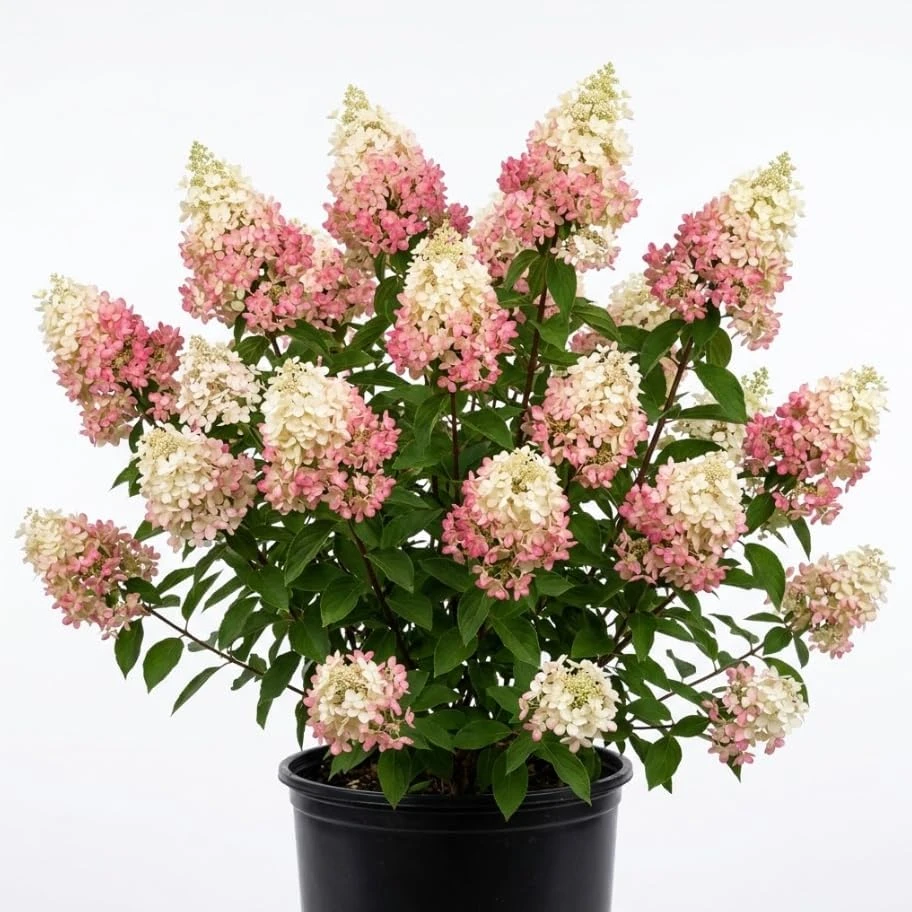
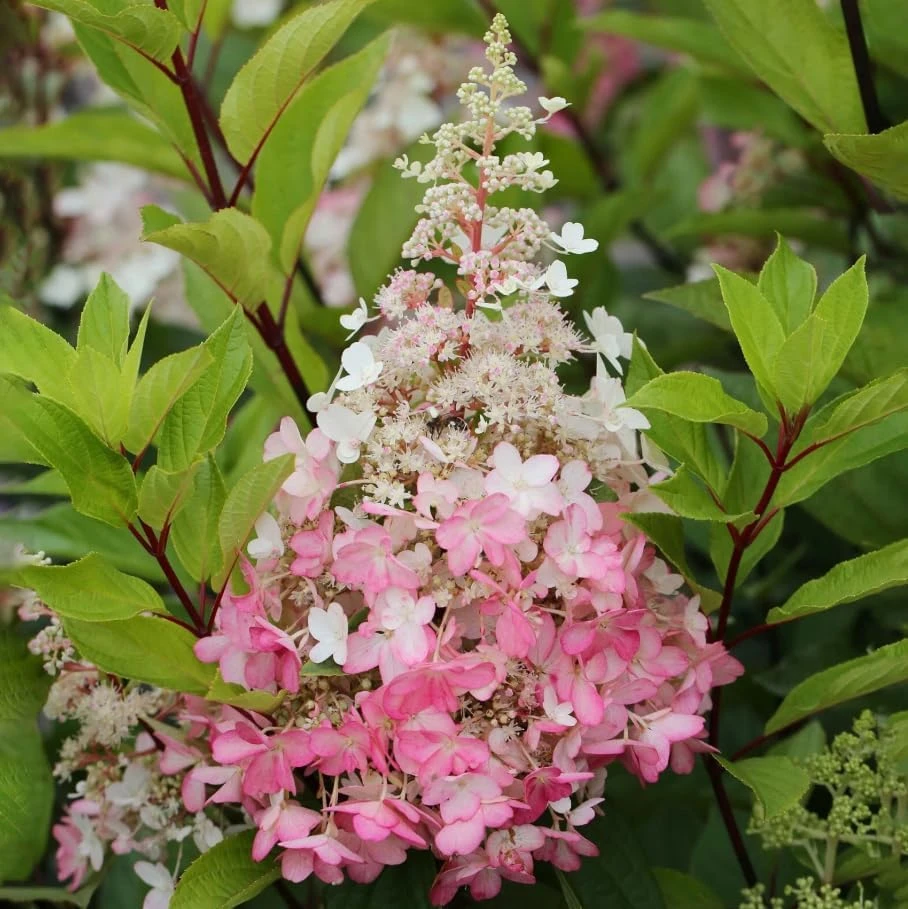
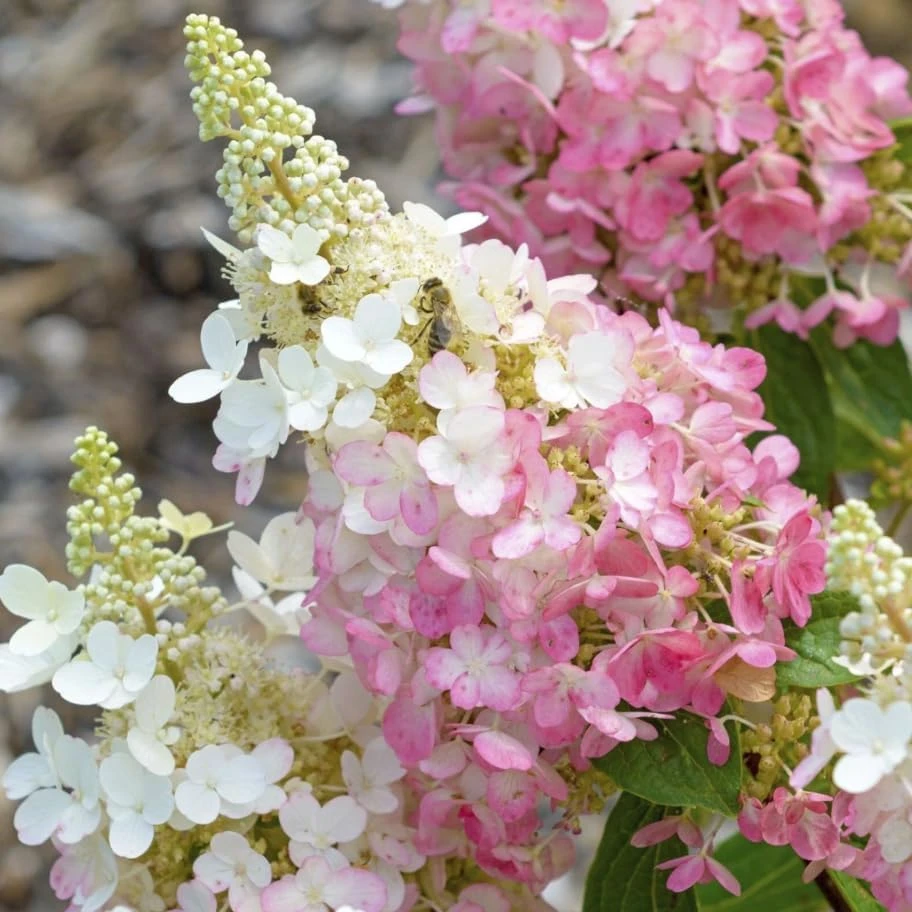
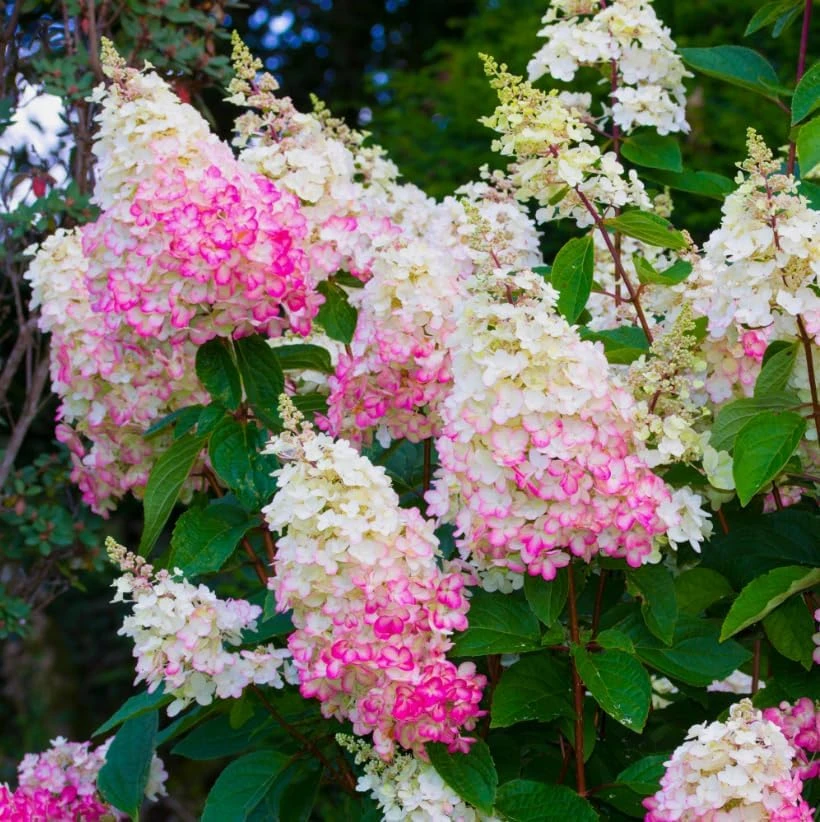
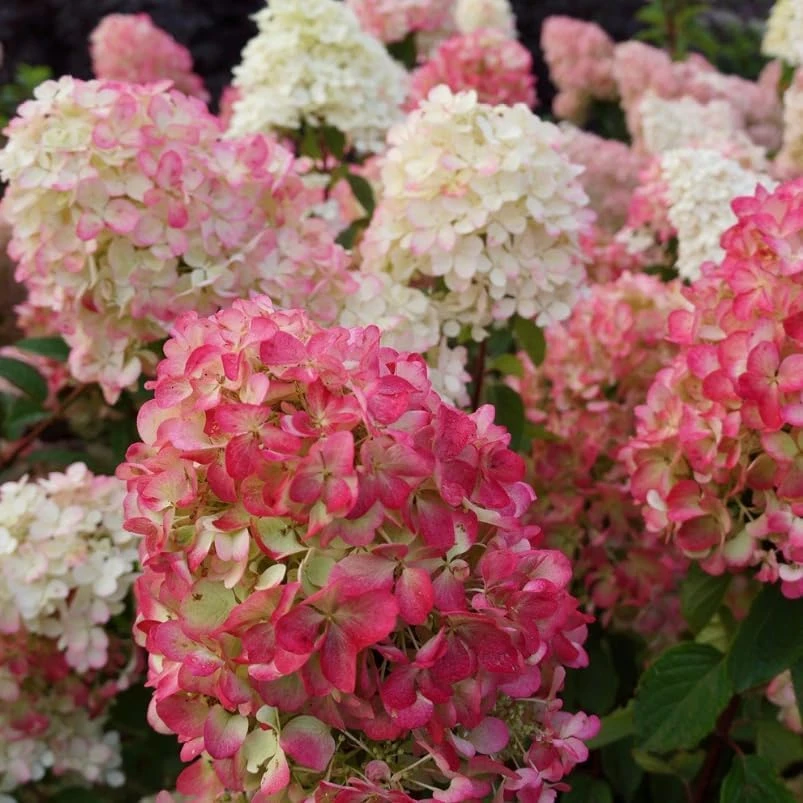
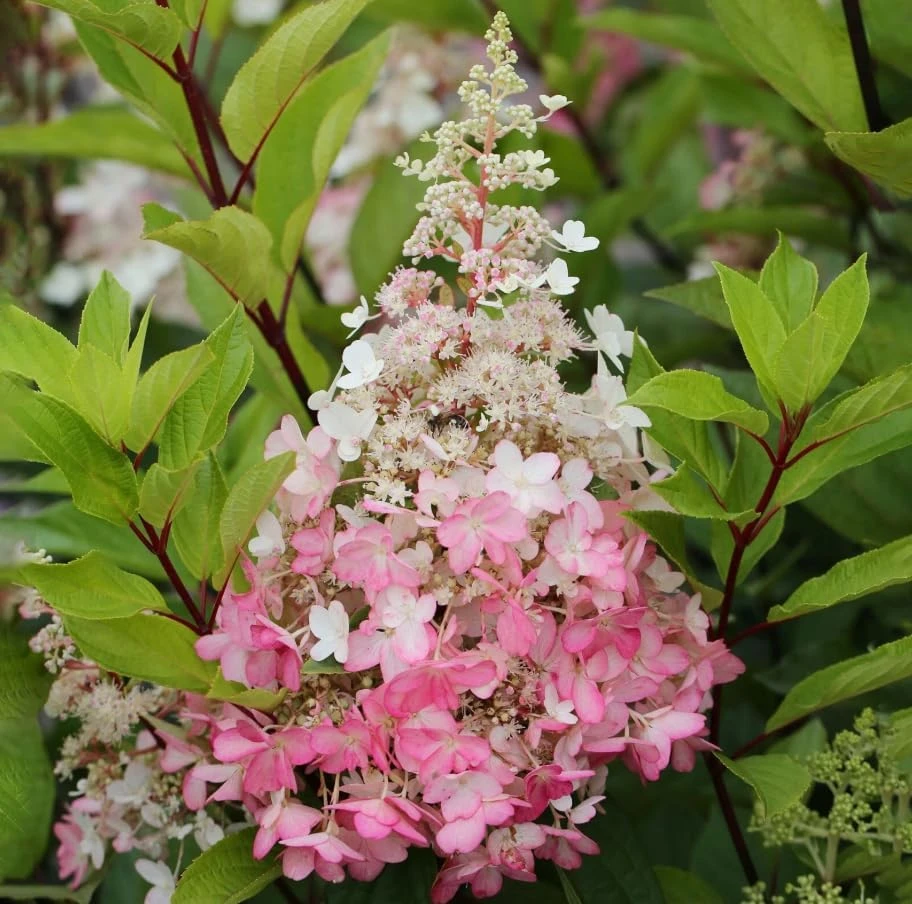
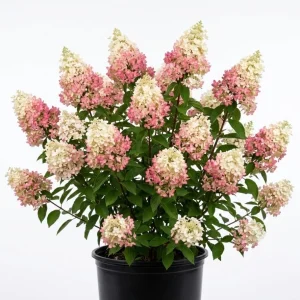
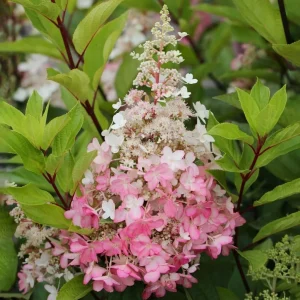
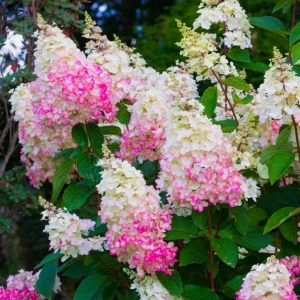
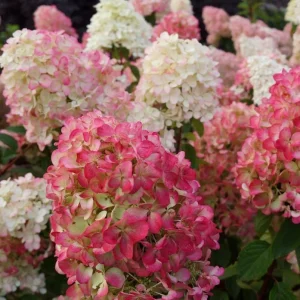
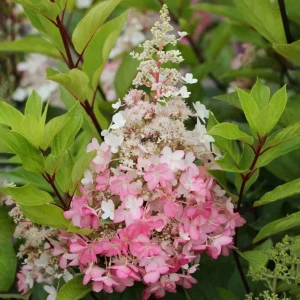
- Stunning Floral Display: Enjoy large, cone-shaped flower clusters that open creamy white and deepen to a rich strawberry pink, providing a long-lasting, two-toned spectacle throughout summer and fall. The vibrant color transition of this pinky winky hydrangea adds continuous interest.
- Cold Hardiness: This robust shrub is exceptionally cold-hardy, thriving in a wide range of USDA zones and making it a reliable choice for various climates. It’s a truly resilient cold hardy hydrangea.
- Low Maintenance: Known for its adaptability and ease of care, this hydrangea requires minimal effort to flourish, making it perfect for busy gardeners. Its robust nature means less worry about pests and diseases.
- Versatile Landscape Use: Excellent as a garden focal point, a border plant, or a decorative shrub, it adds structure and vibrant color to any outdoor setting. This makes it a fantastic flowering bush for garden designs.
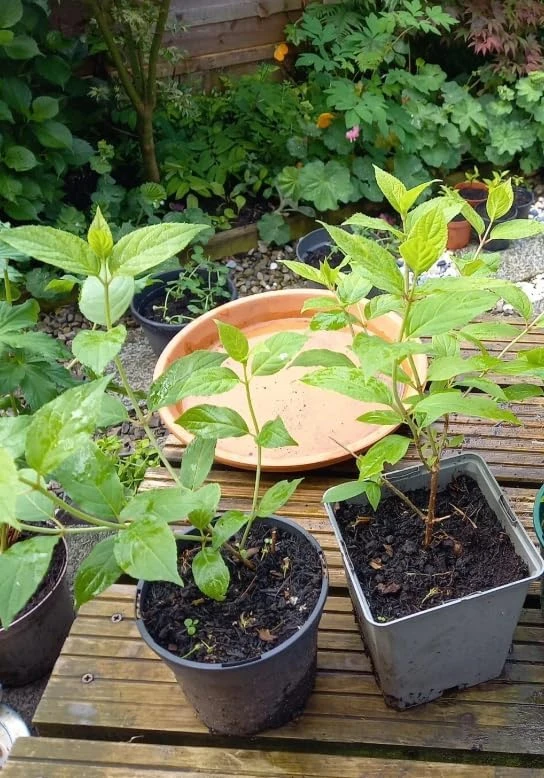
- Established Plant: Each plant arrives well-established in a quart pot, standing 6-12 inches tall, ensuring a strong start and quicker establishment in your landscape. You’re getting a healthy, ready-to-grow specimen.
- Attracts Pollinators: The beautiful blooms can attract beneficial pollinators like bees and butterflies, contributing to a healthy garden ecosystem.
- Long Blooming Season: Provides continuous blooms from summer well into the fall, extending the period of vibrant color in your garden when many other plants are fading.
Plant Care & Growing Tips
Caring for your hydrangea paniculata live plant is straightforward, ensuring years of beautiful blooms. This variety is known for its adaptability, making it a great choice for various garden settings. For optimal growth, plant your hydrangea in a location that receives full sun to partial shade. Full sun (6+ hours of direct sunlight) will encourage the most prolific blooming, while partial shade (4-6 hours of morning sun with afternoon shade) can be beneficial in hotter climates to prevent leaf scorch. Consistent moisture is key, especially during dry spells and in its first year of establishment. Aim to water regularly, ensuring the soil remains consistently moist but not waterlogged. Deep watering is preferred to encourage a strong root system.
The ideal soil for a cold hardy hydrangea is well-draining, fertile, and slightly acidic to neutral (pH 6.0-7.0). Amending heavy clay soils with organic matter like compost can improve drainage, while sandy soils will benefit from compost to enhance water retention. A layer of mulch around the base of the plant will help conserve soil moisture, regulate soil temperature, and suppress weeds. Fertilize in early spring with a balanced, slow-release granular fertilizer formulated for flowering shrubs. Avoid over-fertilizing, as this can lead to excessive foliage growth at the expense of flowers. Pruning should be done in late winter or early spring before new growth emerges. Panicle hydrangeas bloom on new wood, so pruning encourages more vigorous growth and larger flowers. Remove any dead, damaged, or weak branches, and shape the plant as desired. This practice helps maintain a healthy and floriferous hydrangea shrub outdoor.
This particular pinky winky hydrangea is generally hardy in USDA zones 3-8, making it a reliable choice for many regions. Protect young plants from harsh winter winds in colder zones. While generally robust, keep an eye out for common pests like aphids or spider mites, which can usually be managed with a strong spray of water or insecticidal soap. Fungal diseases are rare with proper air circulation and well-draining soil. Following these simple care guidelines will ensure your hydrangea paniculata live plant thrives and provides a spectacular floral display season after season.
Size & Details
This hydrangea paniculata live plant arrives as an established specimen, carefully cultivated to ensure a strong start in your garden. Each plant is approximately 6-12 inches tall when shipped, measured from the top of the soil to the tip of the plant, and comes rooted in a quart-sized nursery pot. The quart pot provides ample space for the root system to develop before transplanting, ensuring the plant is robust and ready for establishment in your landscape. This hydrangea shrub outdoor will grow into a mature shrub, typically reaching a height of 6-8 feet and a similar spread, though size can vary based on growing conditions and pruning practices. Its moderate growth rate means you’ll see noticeable development within the first few seasons.
This flowering bush for garden enthusiasts is shipped in its pot with soil, minimizing transplant shock and ensuring the plant’s health upon arrival. Expect the plant to begin blooming in its first or second year, with more prolific flowering as it matures. The large, cone-shaped flower clusters are a defining feature, and their transition from creamy white to strawberry pink adds unique visual interest. The established size and healthy root system make it an excellent choice for immediate impact in garden beds, borders, or as a standalone specimen.
Frequently Asked Questions
- Q: How big does this hydrangea paniculata live plant get? A: This hydrangea typically grows to a mature height and spread of 6-8 feet. Its size can be managed with annual pruning, allowing it to fit into various garden spaces.
- Q: What size pot does it come in? A: Each cold hardy hydrangea arrives established in a quart-sized nursery pot, providing a healthy start for transplanting into your garden. The plant itself will be approximately 6-12 inches tall.
- Q: Is this an indoor or outdoor plant? A: This is an outdoor plant, specifically a hydrangea shrub outdoor. It is cold-hardy and designed to thrive in garden landscapes, not as an indoor houseplant.
- Q: How much sunlight does it need? A: For best blooming, this hydrangea prefers full sun (6+ hours of direct sunlight) to partial shade (4-6 hours of morning sun with afternoon shade). In hotter climates, some afternoon shade is beneficial.
- Q: Is this plant easy to care for? A: Yes, the pinky winky hydrangea is known for being low-maintenance and adaptable, making it an excellent choice for both beginner and experienced gardeners. It’s a resilient flowering bush for garden spaces.
- Q: What condition will it arrive in? A: Your hydrangea paniculata live plant will arrive well-rooted in its quart pot with soil, carefully packaged to ensure its health and readiness for planting upon arrival.
- Q: When is the best time to plant this hydrangea? A: The best time to plant is in spring or early fall, allowing the plant sufficient time to establish its root system before extreme weather. However, container-grown plants can be planted throughout the growing season.
- Q: Will it survive winter in my zone? A: This hydrangea is a cold hardy hydrangea, typically thriving in USDA Hardiness Zones 3-8, meaning it can withstand cold winters in many regions.
- Q: How long until it blooms? A: You can expect this hydrangea to start producing its beautiful two-toned flowers in its first or second year after planting, with more abundant blooms as it matures.
- Q: What type of soil does it prefer? A: It prefers well-draining, fertile soil with a slightly acidic to neutral pH. Amending with organic matter helps ensure optimal growth.


Reviews
There are no reviews yet.