Overview
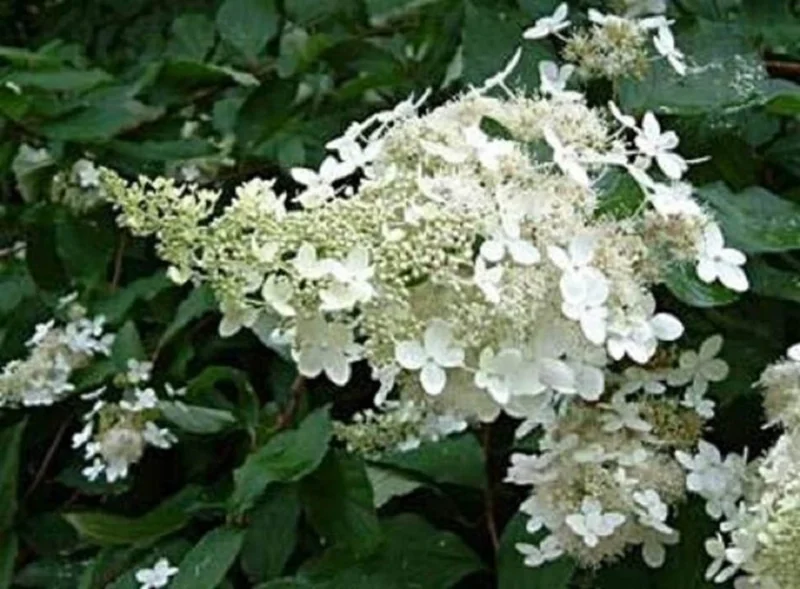
Discover the charm and versatility of the hydrangea paniculata live plant, a beloved shrub known for its spectacular floral display and robust nature. This starter plant, approximately 7-10 inches tall, offers an excellent foundation for establishing a magnificent garden feature. Hydrangea paniculata, commonly known as Panicle Hydrangea, is celebrated for its large, cone-shaped flower clusters that emerge in summer. These beautiful blooms typically start as a creamy white, gradually transitioning to shades of pink and red as the season progresses, providing a dynamic visual interest in your outdoor space. Unlike some other hydrangea varieties, panicle hydrangea care is relatively straightforward, making it a fantastic choice for both novice and experienced gardeners seeking a reliable and stunning addition. This winter-hardy shrub is a fantastic investment for long-lasting garden enjoyment.
Originating from Asia, Hydrangea paniculata has earned its place in gardens worldwide due to its adaptability and show-stopping presence. It’s particularly valued for its ability to thrive in a wider range of climates compared to many other hydrangea species, enduring colder temperatures with ease. The plant’s distinctive flowers, which can be cut for fresh arrangements or dried for lasting decor, add a touch of sophistication to any setting. Whether you’re aiming for a lush border, a striking specimen plant, or a beautiful hedge, this hydrangea paniculata live plant provides the perfect starting point for creating an enchanting garden landscape.
Key Benefits
The hydrangea paniculata live plant offers numerous advantages, making it an excellent choice for enhancing your garden’s aesthetic and ecological value. Its hardiness and long blooming season ensure enduring beauty and enjoyment throughout the warmer months.
- Stunning Seasonal Color: Enjoy a prolonged display of beautiful flowers that begin as creamy white and gracefully age to attractive shades of pink and red, providing continuous visual interest from summer into fall. The color transformation is a highlight of owning a hydrangea paniculata live plant.
- Exceptional Hardiness: This hardy hydrangea shrub is incredibly resilient, thriving in USDA Zones 4-9. It can withstand cold winters and hot summers, making it a reliable choice for a wide range of climates and reducing concerns about winter damage.
- Versatile Landscaping Use: Perfect as a specimen plant, in mixed borders, as a privacy screen, or even in large containers. Its adaptable nature allows it to fit seamlessly into various garden designs and themes, enhancing curb appeal.
- Low Maintenance & Easy Care: Once established, Hydrangea paniculata requires minimal attention, making it ideal for busy gardeners. It’s less prone to pests and diseases than many other flowering shrubs, simplifying your gardening routine.
- Attractive to Pollinators: The abundant flowers attract beneficial pollinators like bees and butterflies, contributing to the health and biodiversity of your garden ecosystem.
- Drought Tolerance: While it prefers consistently moist soil, Hydrangea paniculata exhibits decent drought tolerance once established, making it more forgiving during dry spells compared to other hydrangea types.
- Excellent for Cut Flowers: The strong stems and long-lasting blooms make them perfect for fresh floral arrangements. They can also be dried to create beautiful, long-lasting decorative pieces for your home.
Plant Care & Growing Tips
Caring for your hydrangea paniculata live plant is relatively easy, ensuring a bountiful display of flowers year after year. This hardy hydrangea shrub is quite forgiving, but providing optimal conditions will lead to the most spectacular results. For sunlight, Hydrangea paniculata performs best in full sun to partial shade. Full sun (at least 6 hours of direct sunlight per day) will encourage the most prolific blooming and strongest stems, especially in cooler climates. In hotter regions, a location that receives morning sun and some afternoon shade is ideal to protect the plant from intense heat and prevent leaf scorch. Consistent moisture is key, particularly during the first growing season as the plant establishes its root system. Aim for consistently moist, rich soil, but avoid waterlogging, which can lead to root rot. You can check soil moisture by feeling the top inch or two; if it feels dry, it’s time to water thoroughly.
When it comes to soil, Hydrangea paniculata prefers well-draining, fertile soil with a slightly acidic to neutral pH. Amending the planting hole with compost or other organic matter will improve soil structure and provide essential nutrients. Winter hardiness is excellent, with the plant thriving in USDA Zones 4-9. Pruning is best done in late winter or early spring before new growth emerges, as Hydrangea paniculata blooms on new wood. You can prune to shape the plant, remove dead or weak branches, and encourage stronger flowering. Fertilize with a balanced slow-release fertilizer in early spring, following package directions. While generally robust, keep an eye out for common issues like powdery mildew in humid conditions or leaf spot; ensuring good air circulation can help prevent these. With proper panicle hydrangea care, your plant will flourish and become a treasured garden specimen.
Size & Details
This offering is for a hydrangea paniculata live plant, provided as a well-rooted starter plant. It measures approximately 7-10 inches in height upon arrival, potted in a 2 1/2 x 3 1/2 inch pot, providing a robust root system ready for transplanting. This winter-hardy shrub is known for its vigorous growth and can reach a mature height of up to 6 feet tall, with a similar spread, creating a substantial and impactful presence in your garden. The plant is shipped in its nursery pot, ensuring minimal transplant shock and healthy establishment in your chosen location. Expect to see significant growth and an increasing number of flower clusters each year as the plant matures. The timeframe for full maturity and abundant blooming can vary, but typically, a healthy hydrangea plant outdoor will start producing a good amount of flowers in its second or third year after planting.
As it grows, the plant will develop strong, upright stems capable of supporting its large flower panicles. The growth rate is moderate to fast, allowing you to enjoy a well-established shrub within a few seasons. The specific size and form can be influenced by pruning techniques, allowing you to maintain a desired shape or size. This starter plant provides an economical and satisfying way to grow a beautiful hydrangea paniculata live plant from a young age, allowing you to witness its full development and enjoy its evolving beauty. The flowers are cream-colored when they first appear and then gradually age to attractive shades of pink and red, providing a long season of interest.
Frequently Asked Questions
- Q: How big does this hydrangea paniculata live plant get? A: This hardy hydrangea shrub typically grows to an impressive mature height of up to 6 feet tall and can have a similar spread, forming a substantial and beautiful presence in your garden.
- Q: What size pot does it come in? A: The starter plant arrives well-rooted in a 2 1/2 x 3 1/2 inch pot, providing a healthy foundation for successful transplanting into your garden or a larger container.
- Q: Is this an indoor or outdoor plant? A: This hydrangea paniculata live plant is an outdoor shrub, perfectly suited for garden beds, borders, or large outdoor containers. It thrives in USDA Zones 4-9.
- Q: How much sunlight does it need? A: For optimal blooming and health, Hydrangea paniculata prefers full sun to partial shade. In hotter climates, some afternoon shade is beneficial to protect the foliage.
- Q: Is this plant easy to care for? A: Yes, panicle hydrangea care is considered relatively easy. It’s a robust and adaptable shrub that requires consistent watering, especially when young, and benefits from annual pruning in late winter or early spring.
- Q: What condition will it arrive in? A: Your hydrangea paniculata live plant will arrive as a well-rooted starter plant, approximately 7-10 inches tall, carefully packaged to ensure its health during transit.
- Q: When is the best time to plant a hydrangea plant outdoor? A: The best time to plant is in spring or early fall, allowing the plant sufficient time to establish its root system before extreme weather conditions.
- Q: Will it survive winter in my zone? A: Yes, this hardy hydrangea shrub is winter-hardy in USDA Zones 4-9, making it suitable for a wide range of climates across the US.
- Q: Do the flowers change color? A: Absolutely! The beautiful lacy flowers emerge as creamy white in summer and gradually age to lovely shades of pink and red as the season progresses, offering a dynamic display.
- Q: What kind of soil does Hydrangea paniculata prefer? A: It thrives in consistently moist, rich, well-draining soil with a slightly acidic to neutral pH. Amending with organic matter will promote vigorous growth.


Reviews
There are no reviews yet.