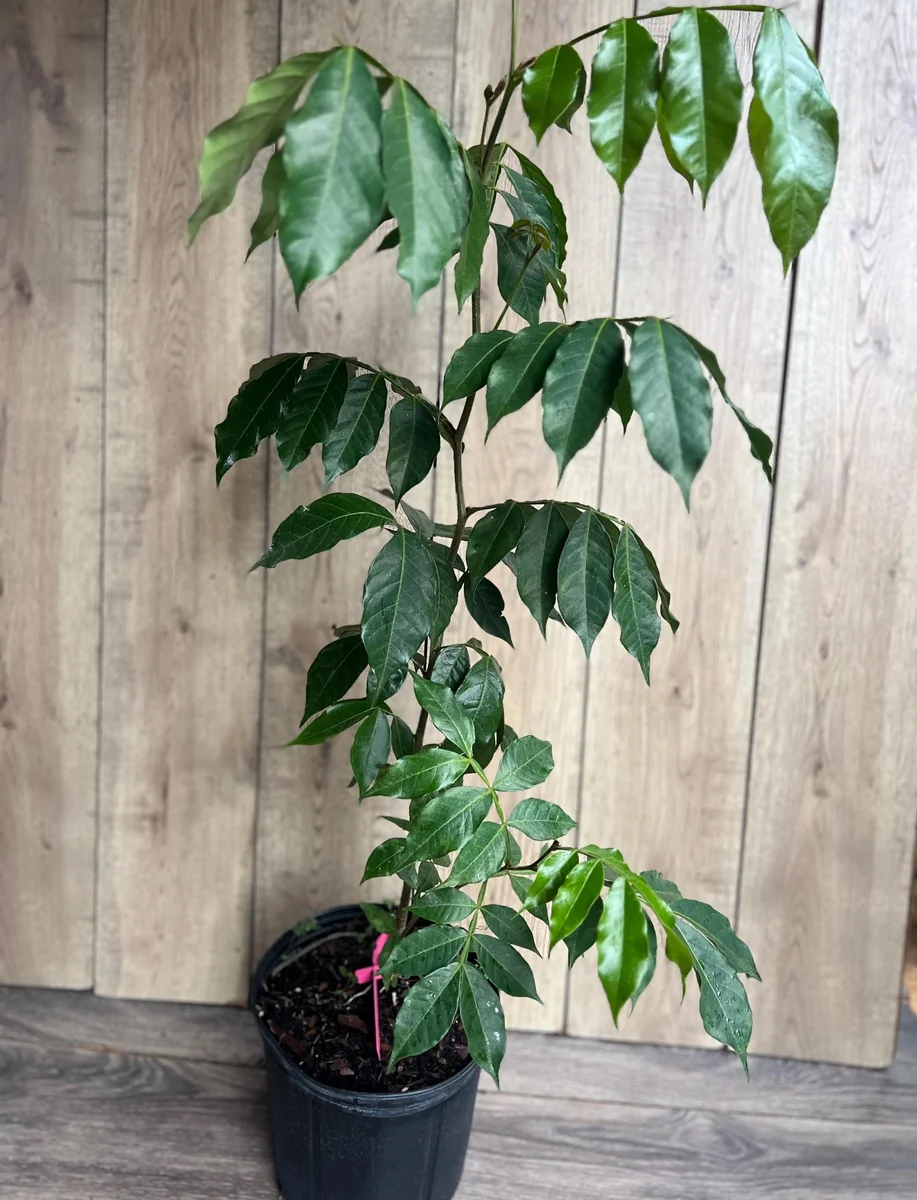
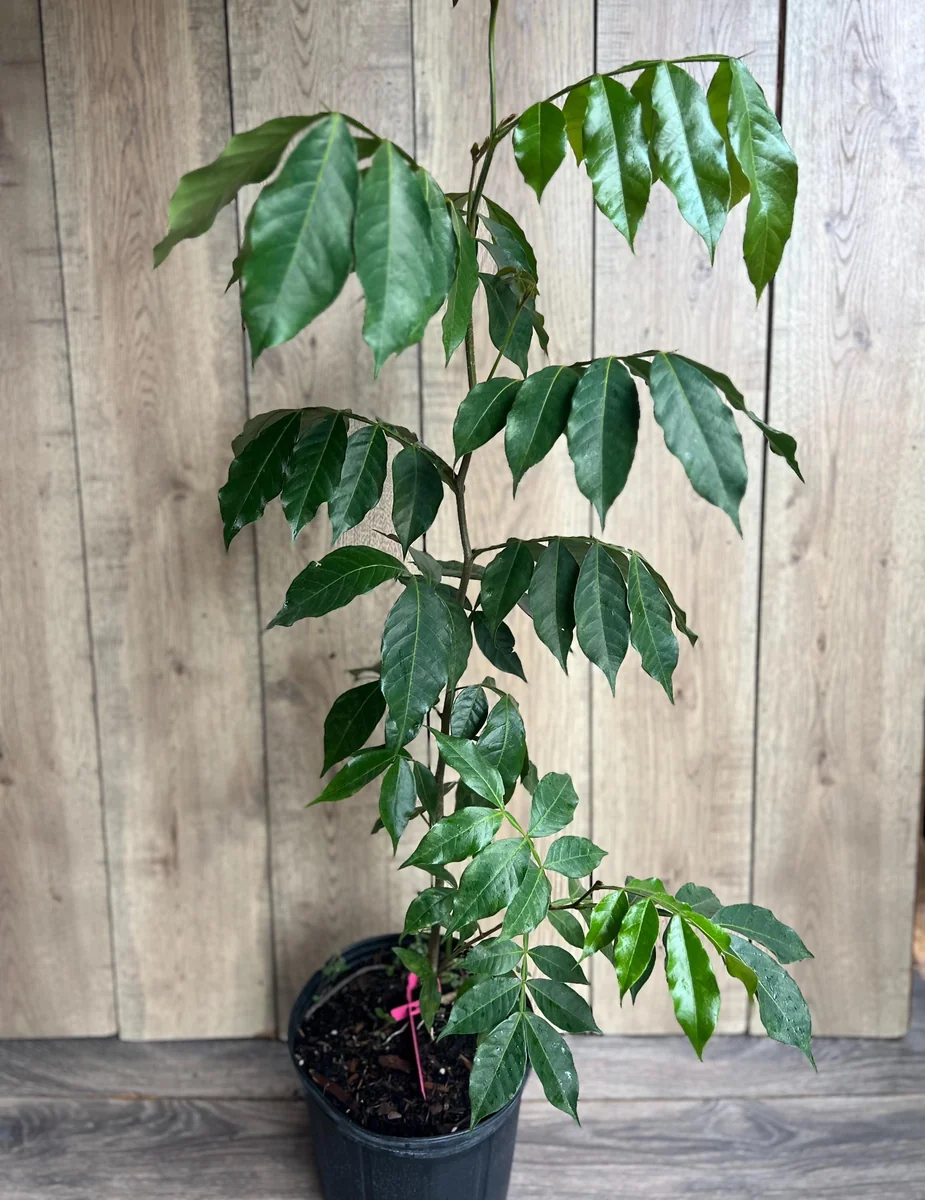
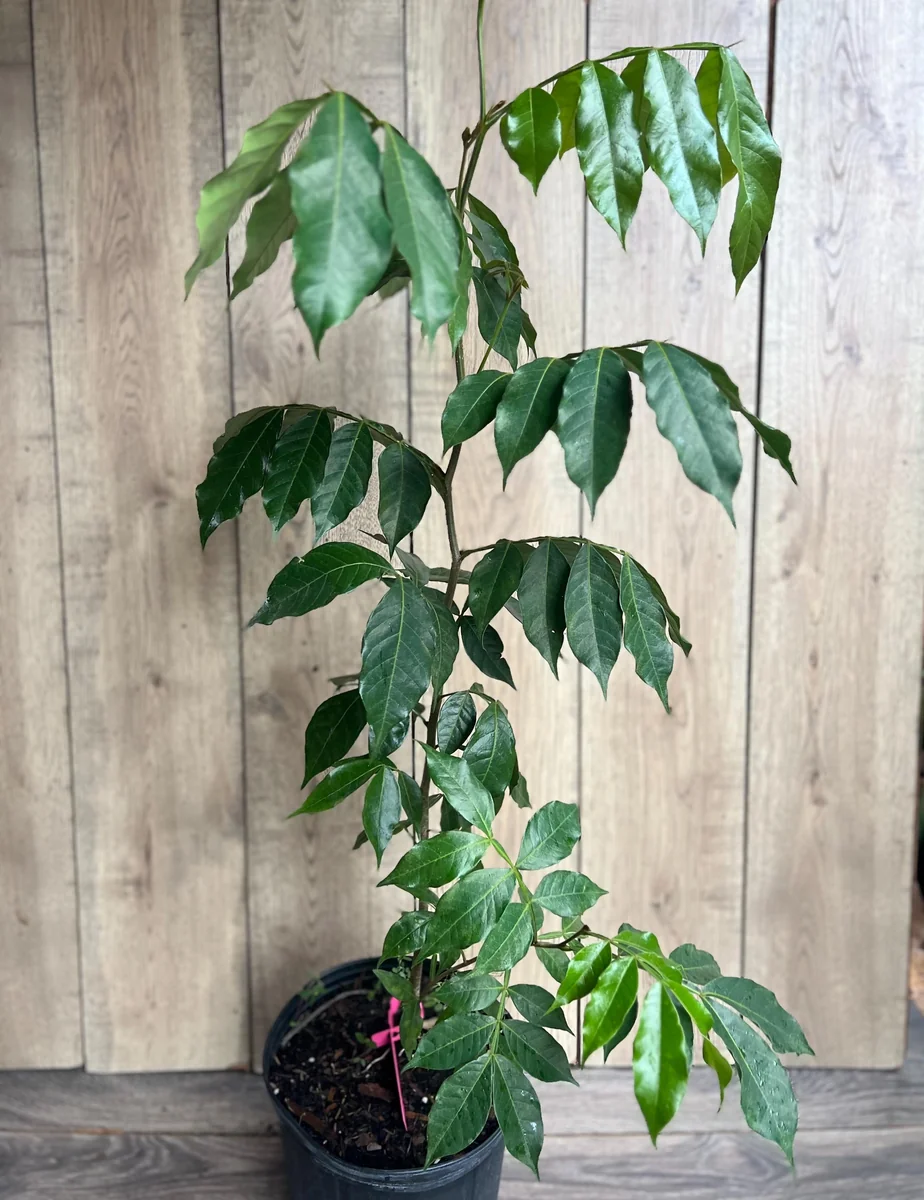
Overview
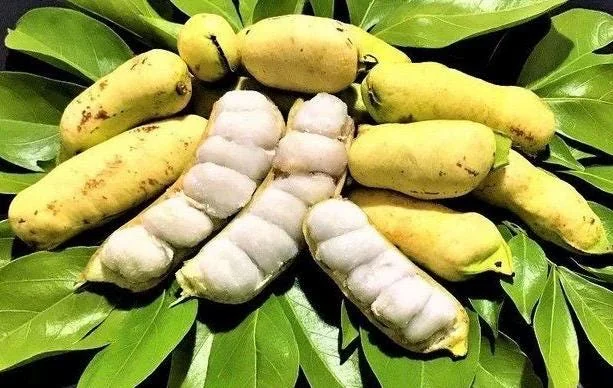
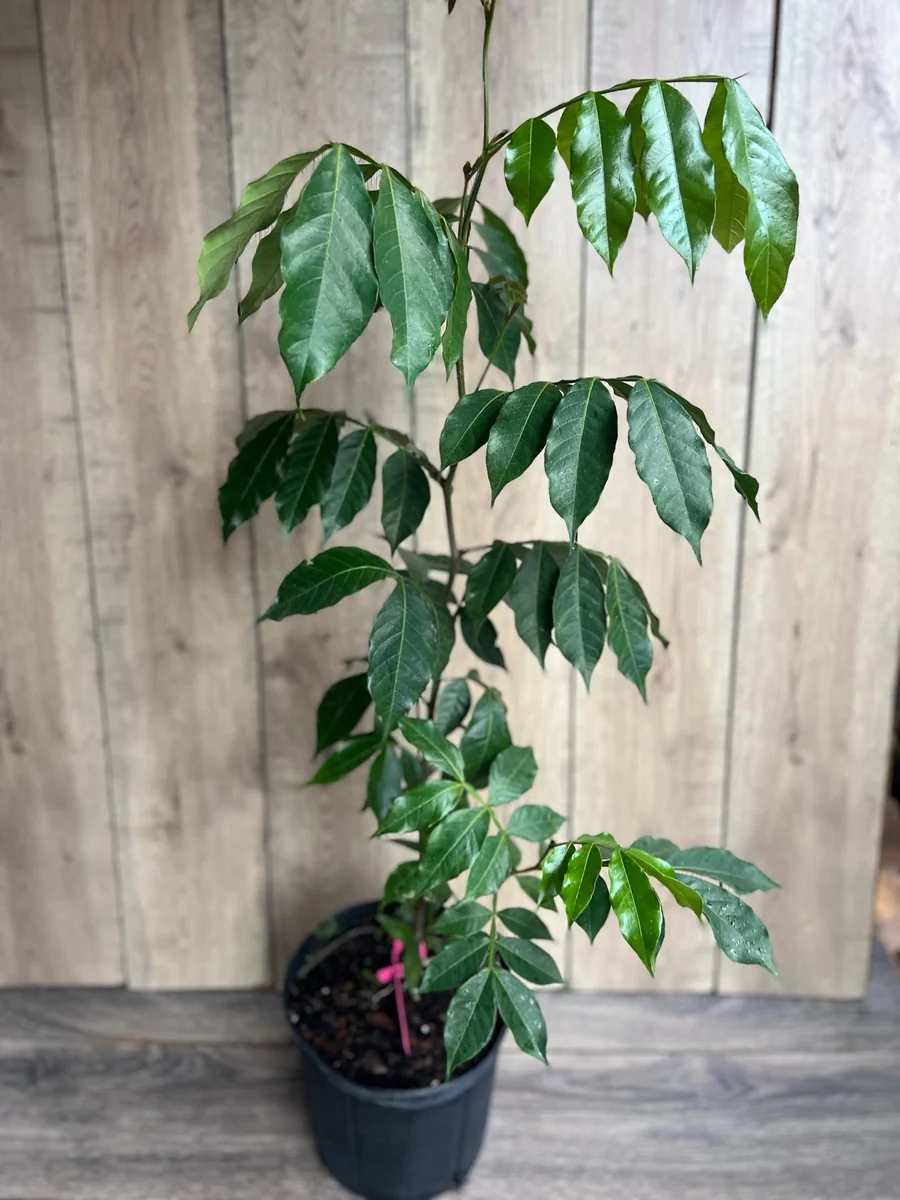
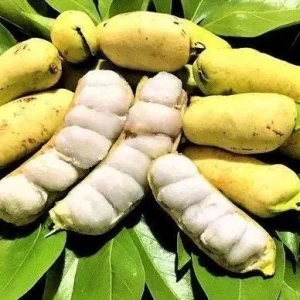
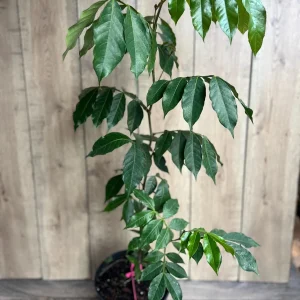
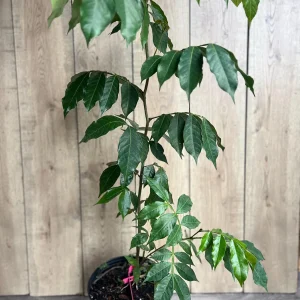
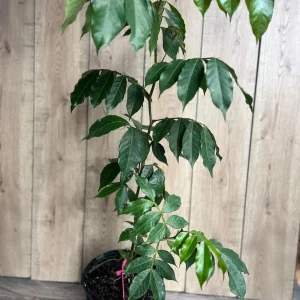
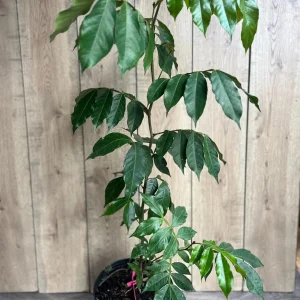
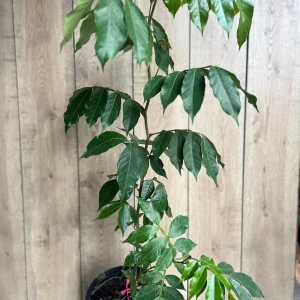
Discover the joy of growing your very own ice cream bean live plant, a true botanical wonder that brings both beauty and delicious fruit to your landscape. Known scientifically as Inga edulis, this tropical marvel is celebrated for its distinctive pods, which contain a sweet, cotton-like pulp reminiscent of vanilla ice cream. Native to the lush regions of South America, the inga edulis tree is a fast-growing specimen that quickly establishes itself as a focal point in any garden setting. Its elegant, feather-like foliage adds a touch of the exotic, while its unique fruit offers a delightful treat for all ages. Whether you’re an experienced horticulturist or a budding enthusiast, the ice cream bean live plant is an exciting and rewarding choice for those seeking to expand their edible garden with something truly special.
This magnificent exotic fruit tree is not just about its delicious yield; it also contributes to the aesthetic appeal of your outdoor space. Its robust growth habit and attractive leaves make it a striking ornamental, perfect for creating a tropical oasis. The Ice Cream Bean tree thrives in warm climates and, once established, requires relatively low maintenance, making it an ideal choice for busy gardeners. Prepare to be amazed as this tree matures, offering shade, visual interest, and a continuous supply of its delightful pods, perfect for fresh eating, smoothies, or innovative desserts.
Key Benefits
The ice cream bean live plant offers a multitude of benefits, making it an outstanding addition to any garden. Its unique characteristics provide both aesthetic and practical advantages for growers.
- Produces Unique, Delicious Fruit: The primary allure of the Ice Cream Bean tree is its extraordinary fruit. The pods contain a soft, sweet pulp that truly tastes like vanilla ice cream, providing a delightful and healthy treat that can be enjoyed fresh, blended into smoothies, or used in various desserts.
- Striking Ornamental Value: Beyond its fruit, the inga edulis tree boasts lush, feather-like foliage and an attractive growth habit, making it a beautiful focal point in any tropical or subtropical garden. It adds an exotic and vibrant touch to your landscape design.
- Fast-Growing and Robust: This tree is known for its vigorous growth, quickly establishing itself and maturing to produce fruit within a few years. Its resilience makes it a satisfying plant to cultivate, offering quick rewards for your gardening efforts.
- Low-Maintenance Once Established: While initial care is important, the Ice Cream Bean tree becomes moderately drought-tolerant and generally resistant to pests and diseases once it’s well-rooted, reducing the need for constant attention.
- Supports Local Ecosystems: As a tropical fruit tree, it can provide habitat and food sources for local wildlife, contributing to biodiversity in your garden.
- Versatile Culinary Uses: The sweet pulp from the pods is incredibly versatile. It’s not just for eating fresh; it can be incorporated into a wide range of culinary creations, from refreshing beverages to unique dessert toppings.
- Excellent for Tropical Gardeners: If you’re looking for a distinctive tropical fruit plant that thrives in warm climates, the Ice Cream Bean tree is an absolute must-have. It’s a rewarding challenge for those passionate about exotic edibles.
Plant Care & Growing Tips
Caring for your ice cream bean live plant involves understanding its tropical needs to ensure robust growth and abundant fruiting. These trees thrive in environments that mimic their native South American habitats. For optimal health and productivity, select a location that provides full sun, meaning at least 6-8 hours of direct sunlight per day. Adequate sunlight is crucial for fruit development and overall tree vigor. The ideal soil for an inga edulis tree is well-drained, fertile, and slightly acidic. Loamy or sandy soil types are preferred, as they prevent waterlogging, which can be detrimental to the root system. Avoid heavy clay soils or areas with poor drainage to prevent root rot. Given their potential to reach heights of 30-40 feet, ensure you plant your Ice Cream Bean tree in a spacious area where it has ample room to spread its canopy and roots.
Watering is a key aspect of ice cream bean care. Keep the soil consistently moist, especially during dry spells and in the tree’s early years. However, be careful not to overwater, as waterlogged conditions can lead to problems. Once established, the tree develops moderate drought tolerance but will still benefit significantly from regular watering during extended dry periods. As heavy feeders, Ice Cream Bean trees respond well to regular fertilization. Supplement the soil with organic compost or mulch around the base to enrich the soil and promote healthy growth. A slow-release, balanced fertilizer applied in the spring can further boost growth, particularly in nutrient-poor soils. Light pruning to remove dead, damaged, or crossing branches helps maintain a healthy structure and can be done after flowering, typically in early spring. Pruning can also help manage the tree’s size if you’re growing it in a smaller garden or a large container.
While generally resistant to pests, keep an eye out for common garden pests like aphids, scale insects, and caterpillars; organic insecticides like neem oil can manage infestations effectively. Fungal diseases can occur if the tree is stressed, so proper care and healthy soil are paramount. For those in frost-prone regions, ice cream bean live plant is sensitive to cold. Growing it in containers allows you to move it indoors during winter, or you can protect it with frost cloths during cold snaps.
Size & Details
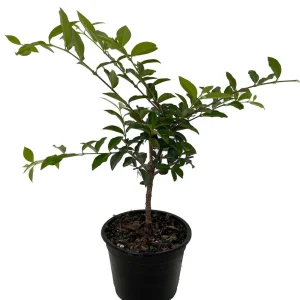
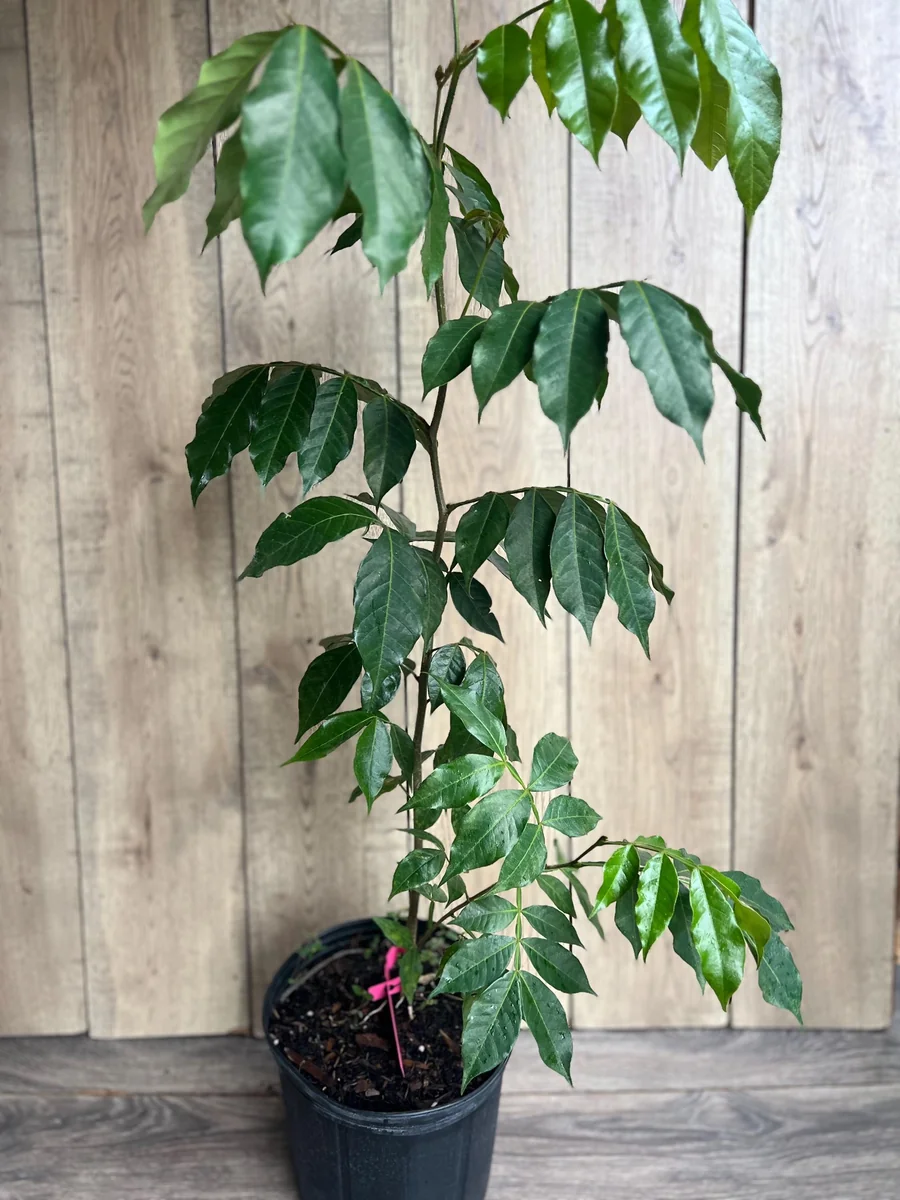
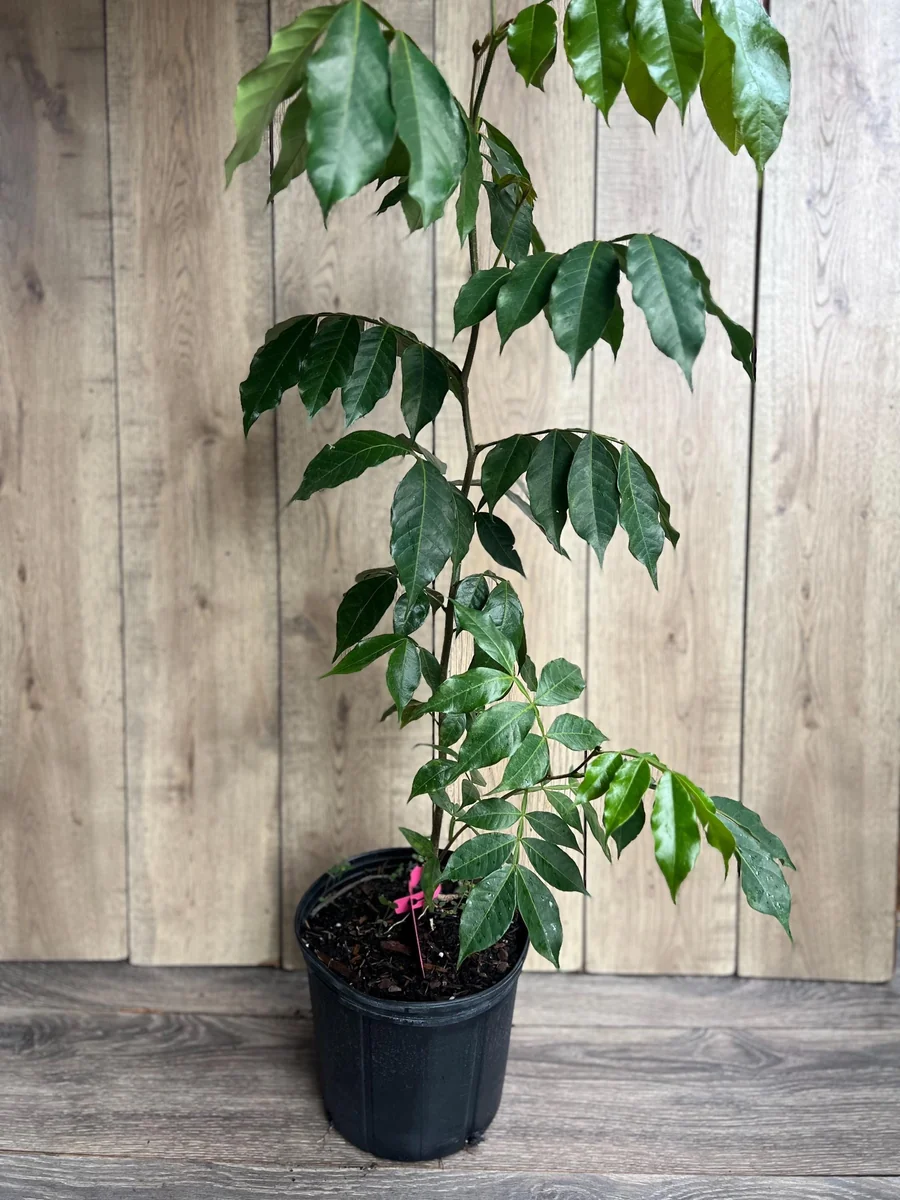
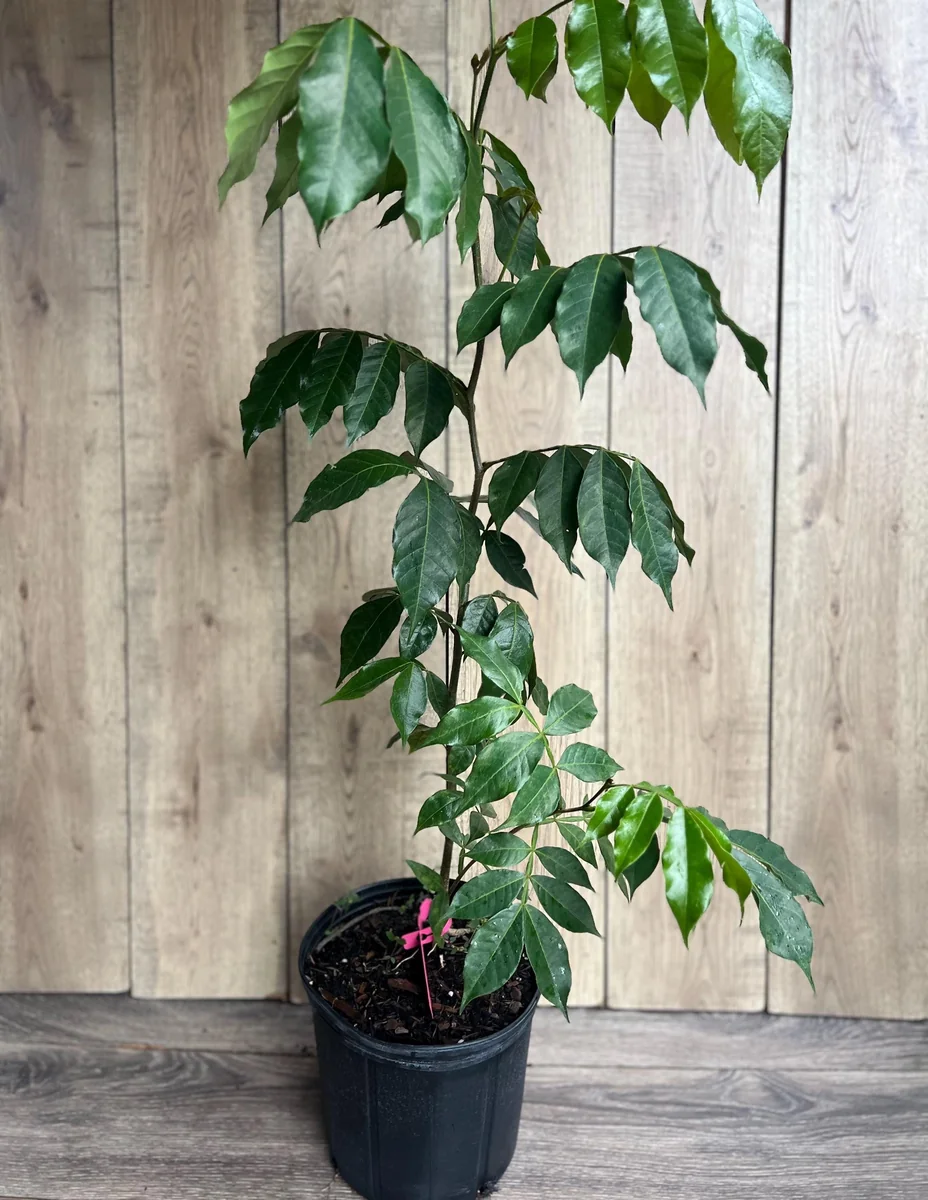
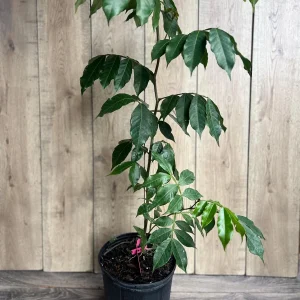
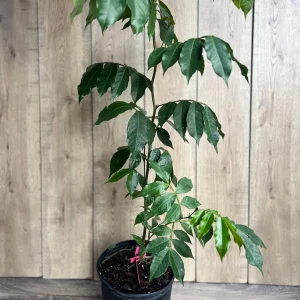
This ice cream bean live plant is provided in a robust 3 gallon pot, ensuring a well-established root system ready for transplanting into your garden or a larger container. These trees are known for their vigorous growth, typically reaching mature heights of 30-40 feet, though they can be maintained at a smaller size with regular pruning. The tree ships as a live specimen, diligently nurtured to ensure its health and vitality upon arrival. Under optimal conditions, the Ice Cream Bean tree begins producing its unique pods within 2-3 years, offering a relatively quick turnaround for fruit production.
The pods, filled with a soft, cotton-like pulp, will be ready for harvest when they begin to split open, signaling their ripeness. This exotic fruit tree boasts a moderate to fast growth rate, quickly becoming a prominent feature in your landscape. It’s an excellent choice for those looking for a substantial and productive tree that delivers both visual appeal and delicious, refreshing fruit.
Frequently Asked Questions
- Q: How large will my Ice Cream Bean tree grow? A: The ice cream bean live plant can reach impressive heights of 30-40 feet in its natural environment. However, with strategic pruning, you can manage its size to fit smaller garden spaces or grow it successfully in large containers.
- Q: What kind of sunlight does the Ice Cream Bean tree need? A: This tropical fruit plant thrives in full sun, requiring at least 6-8 hours of direct sunlight per day for optimal growth and fruit production. Choose a sunny spot in your garden or a bright location if growing indoors.
- Q: Is this tree easy to care for, especially for beginners? A: Once established, the inga edulis tree is considered relatively low-maintenance. While initial care involves consistent watering and proper soil, its resilience and pest resistance make it a rewarding choice for gardeners of all experience levels.
- Q: How will the Ice Cream Bean tree arrive when shipped? A: Your ice cream bean live plant will arrive carefully packaged in a 3-gallon pot, ensuring the root ball is intact and the plant is protected during transit. It will be a healthy specimen ready for planting.
- Q: When can I expect my tree to produce fruit? A: Under ideal growing conditions, your exotic fruit tree typically begins to produce its distinctive pods within 2-3 years after planting. Harvesting occurs when the pods naturally begin to split open.
- Q: What kind of soil is best for Ice Cream Bean trees? A: They prefer well-drained, fertile, and slightly acidic soil. Loamy or sandy soil types are ideal, as good drainage is crucial to prevent root rot and ensure healthy growth of your ice cream bean live plant.
- Q: Can the Ice Cream Bean tree tolerate cold temperatures? A: The Ice Cream Bean tree is sensitive to frost and cold. In areas prone to freezing temperatures, it’s best to grow it in a container so it can be moved indoors during winter, or provide adequate frost protection.
- Q: Do I need to fertilize my Ice Cream Bean tree? A: Yes, these are heavy feeders. Supplementing with organic compost or mulch and applying a balanced, slow-release fertilizer in the spring will significantly promote healthy growth and fruit development for your ice cream bean care routine.
- Q: Is this a good choice for an edible landscape? A: Absolutely! The Ice Cream Bean tree is an excellent addition to an edible landscape, offering both an attractive tropical aesthetic and delicious, unique fruit that can be enjoyed fresh or used in various recipes.


Reviews
There are no reviews yet.