Overview
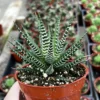
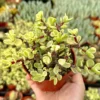
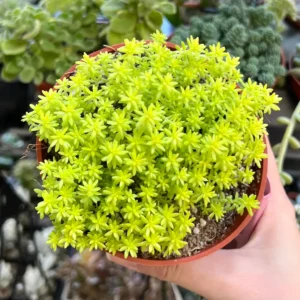
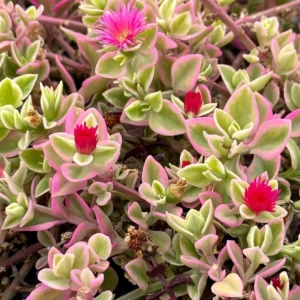
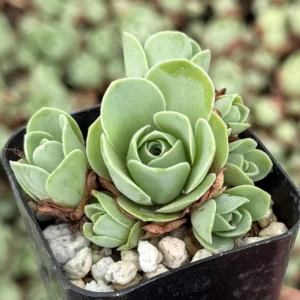
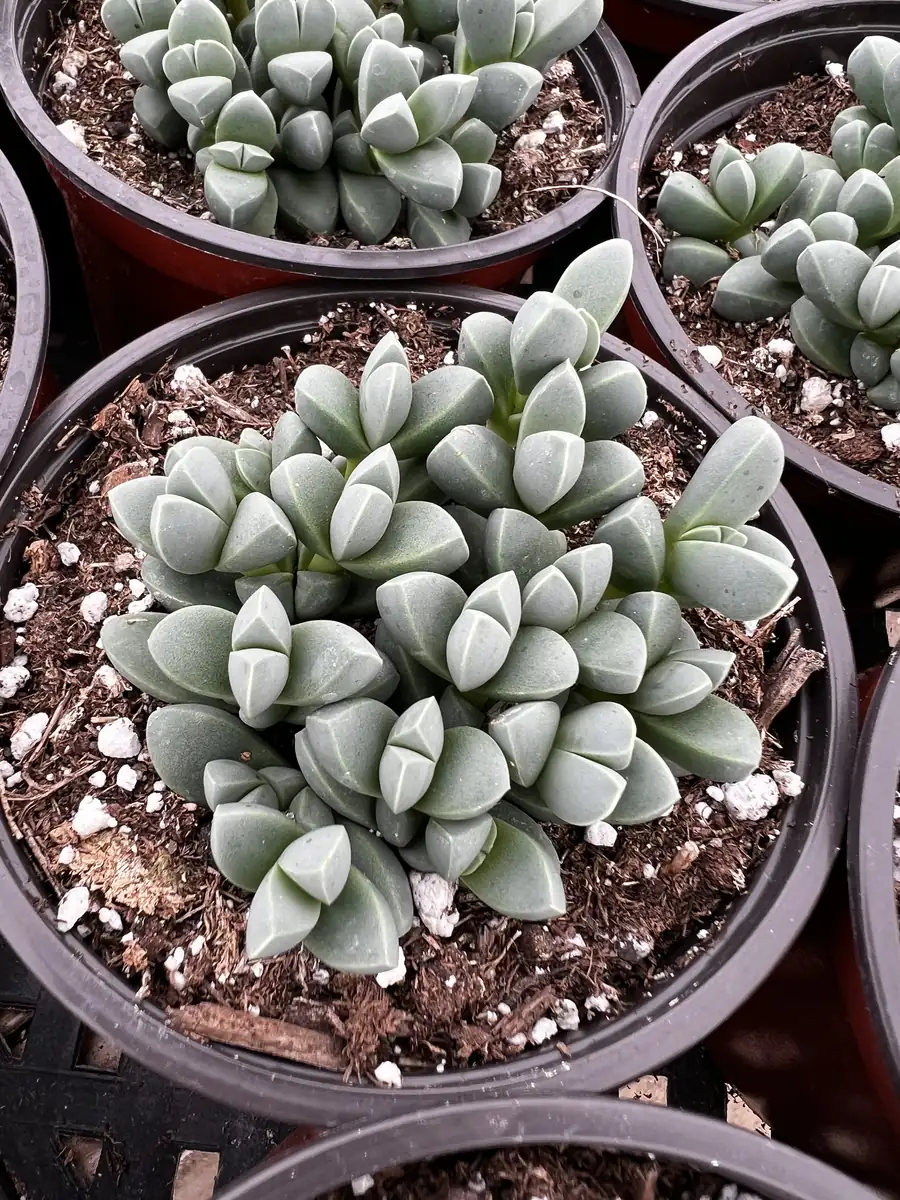
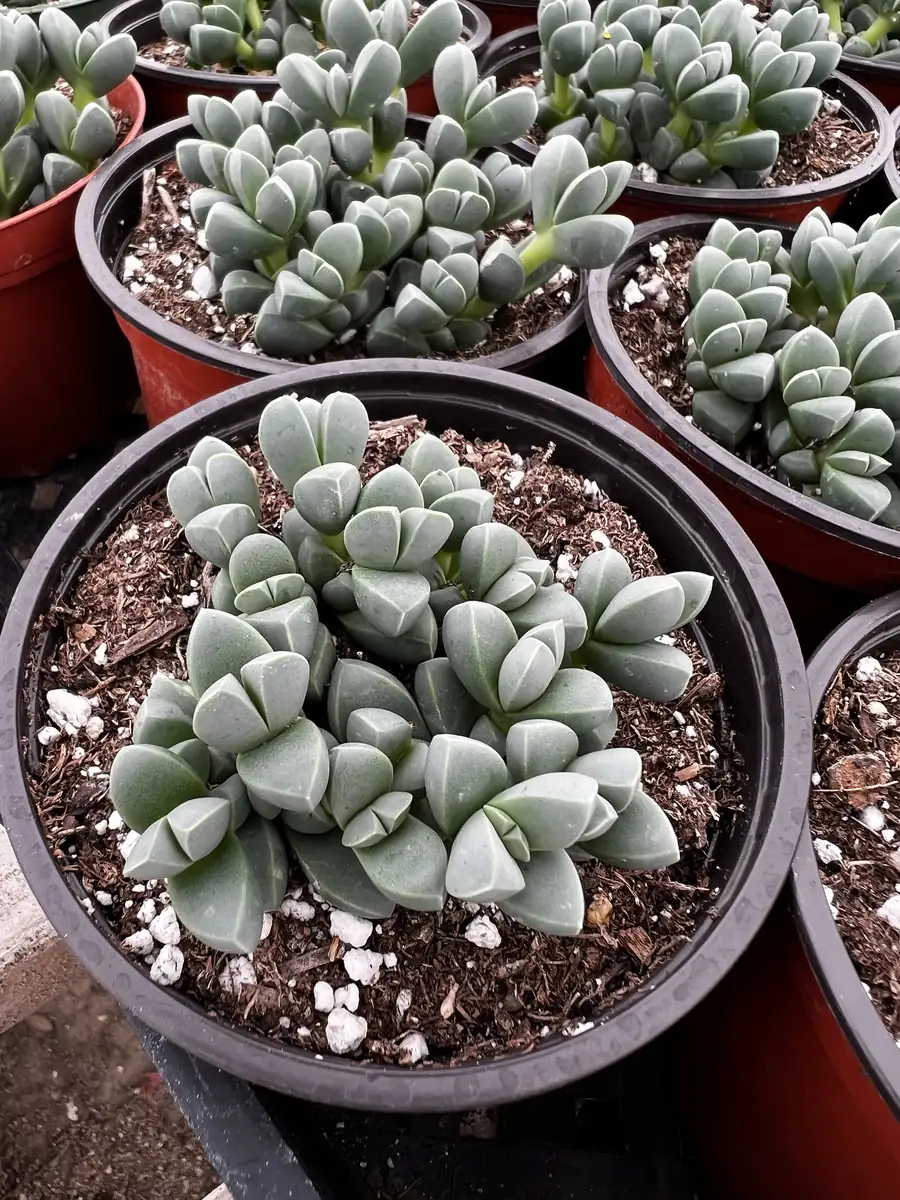
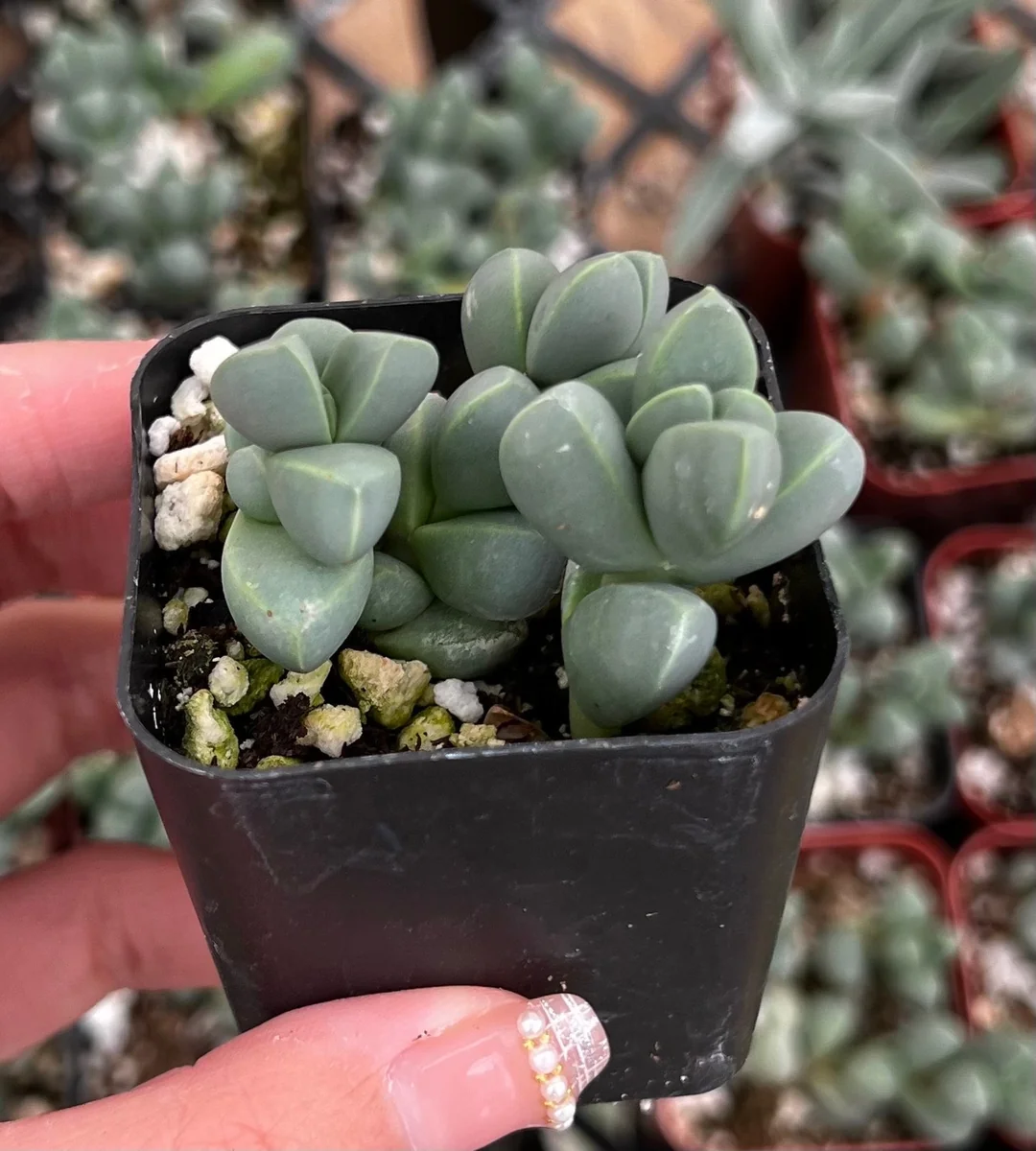
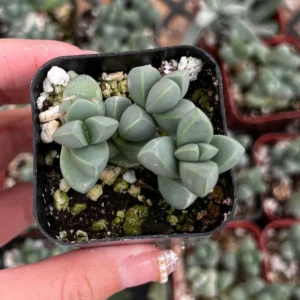
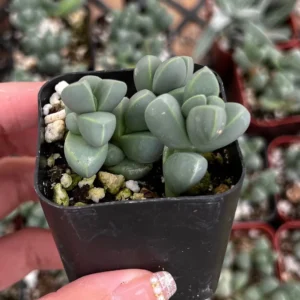
Introduce a truly distinctive specimen to your botanical collection with the Ice Plant Corpuscularia Lehmannii. This fascinating succulent, often simply called Ice Plant, is renowned for its unique, bead-like, triangular leaves that shimmer as if covered in tiny ice crystals, especially when sunlight catches them. Native to South Africa, Corpuscularia Lehmannii is a resilient and visually captivating plant that thrives with minimal care, making it an excellent choice for both novice and experienced plant enthusiasts. Its compact size and unusual texture make it a standout in succulent arrangements, rock gardens, or as a charming potted houseplant. This rare succulent plant offers an exotic touch to any space, promising year-round interest with its vibrant green foliage and occasional, delicate yellow blooms.
The Ice Plant Corpuscularia Lehmannii is a slow-growing, mat-forming succulent that can spread beautifully, creating a dense carpet of its unique foliage. Its ability to store water in its thick leaves makes it incredibly drought-tolerant, requiring infrequent watering and thriving in bright, sunny conditions. Whether you’re looking to enhance a sun-drenched windowsill, add texture to a xeriscape garden, or simply enjoy the beauty of a low-maintenance plant, this Ice Plant is a superb option. Its striking appearance and ease of care solidify its reputation as a must-have for any succulent lover.
Key Benefits
The Ice Plant Corpuscularia Lehmannii offers a multitude of benefits that make it a highly desirable plant for various settings. Its unique characteristics contribute to its appeal and ease of integration into diverse gardening styles.
- Striking Visual Appeal: The bead-like, triangular leaves of the Ice Plant Corpuscularia Lehmannii are truly unique, offering a shimmering, ‘icy’ texture that captures light beautifully. This makes it a captivating focal point in any succulent collection or garden bed.
- Exceptional Drought Tolerance: As a succulent, this plant is inherently designed to withstand long periods without water. Its thick, fleshy leaves store moisture efficiently, making it an ideal choice for water-wise gardening and busy individuals who may forget to water frequently.
- Low Maintenance: Requiring minimal attention, the Corpuscularia Lehmannii care routine is straightforward. It thrives on neglect, needing little more than bright light and occasional watering, making it perfect for beginners or those seeking an easy-to-grow plant.
- Versatile Placement: This succulent is adaptable to various environments. It can be grown indoors as a charming houseplant, outdoors in rock gardens, xeriscapes, or as ground cover in warmer climates, adding beauty wherever it is placed.
- Compact Growth Habit: Its relatively slow and compact growth makes it suitable for small spaces, windowsills, or mixed succulent arrangements without quickly outgrowing its container.
- Unique Texture for Arrangements: The distinctive texture and form of the leaves add an interesting contrast when paired with other succulents, enhancing the overall aesthetic of container gardens and dish gardens.
- Rare and Collectible: Considered a rare succulent plant, the Corpuscularia Lehmannii is a prized addition for collectors seeking unusual and less common species to diversify their plant repertoire.
Plant Care & Growing Tips
Caring for your Ice Plant Corpuscularia Lehmannii is remarkably simple, making it an excellent choice for both beginners and seasoned succulent enthusiasts. The key to its success lies in mimicking its native arid environment. This succulent thrives in abundant sunlight, ideally receiving at least 6 hours of direct sun per day. For indoor cultivation, a south-facing window is perfect, or consider supplementing with a grow light if natural light is insufficient. Insufficient light can lead to etiolation, where the plant stretches and becomes leggy as it searches for light.
When it comes to watering, less is more. Allow the soil to dry out completely between waterings, then water thoroughly until it drains from the bottom of the pot. During its dormant period in winter, reduce watering significantly, perhaps once every 3-4 weeks. Overwatering is the most common cause of succulent demise, leading to root rot. For optimal Corpuscularia Lehmannii care, use a well-draining soil mix specifically formulated for succulents and cacti. A mix of potting soil, perlite, and coarse sand in equal parts works well. Ensure the pot has drainage holes to prevent water from pooling.
The Ice Plant Corpuscularia Lehmannii prefers warm temperatures and is not frost-tolerant. It generally thrives in USDA zones 9-11. If you live in a colder climate, it’s best to grow this succulent in a container that can be moved indoors before the first frost. Fertilization is rarely needed; a light feeding with a balanced, diluted succulent fertilizer once in spring is sufficient if you wish to encourage growth. Keep an eye out for common succulent pests like mealybugs or spider mites, though they are generally rare. Good air circulation and proper watering practices help prevent most issues, ensuring your drought-tolerant succulent remains healthy and beautiful.
Size & Details
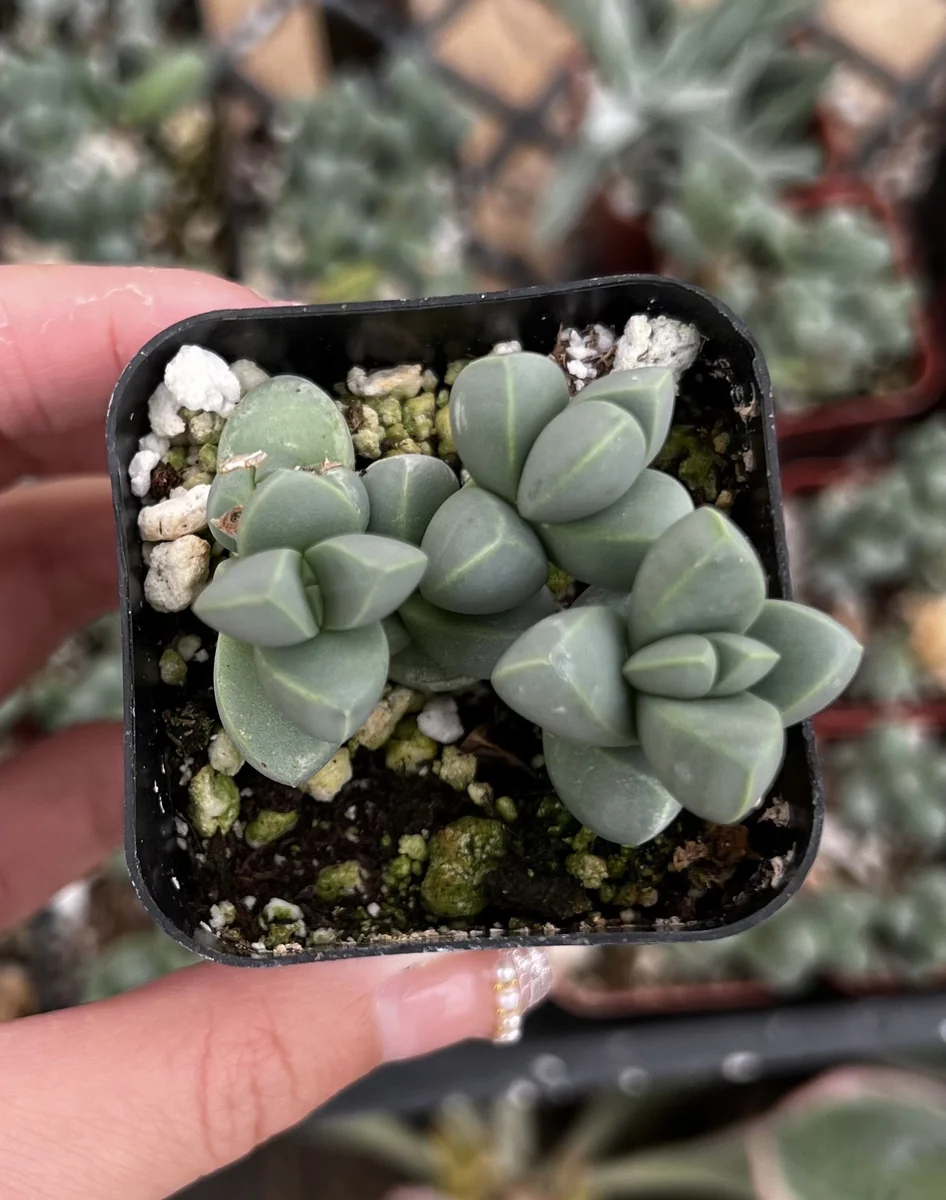
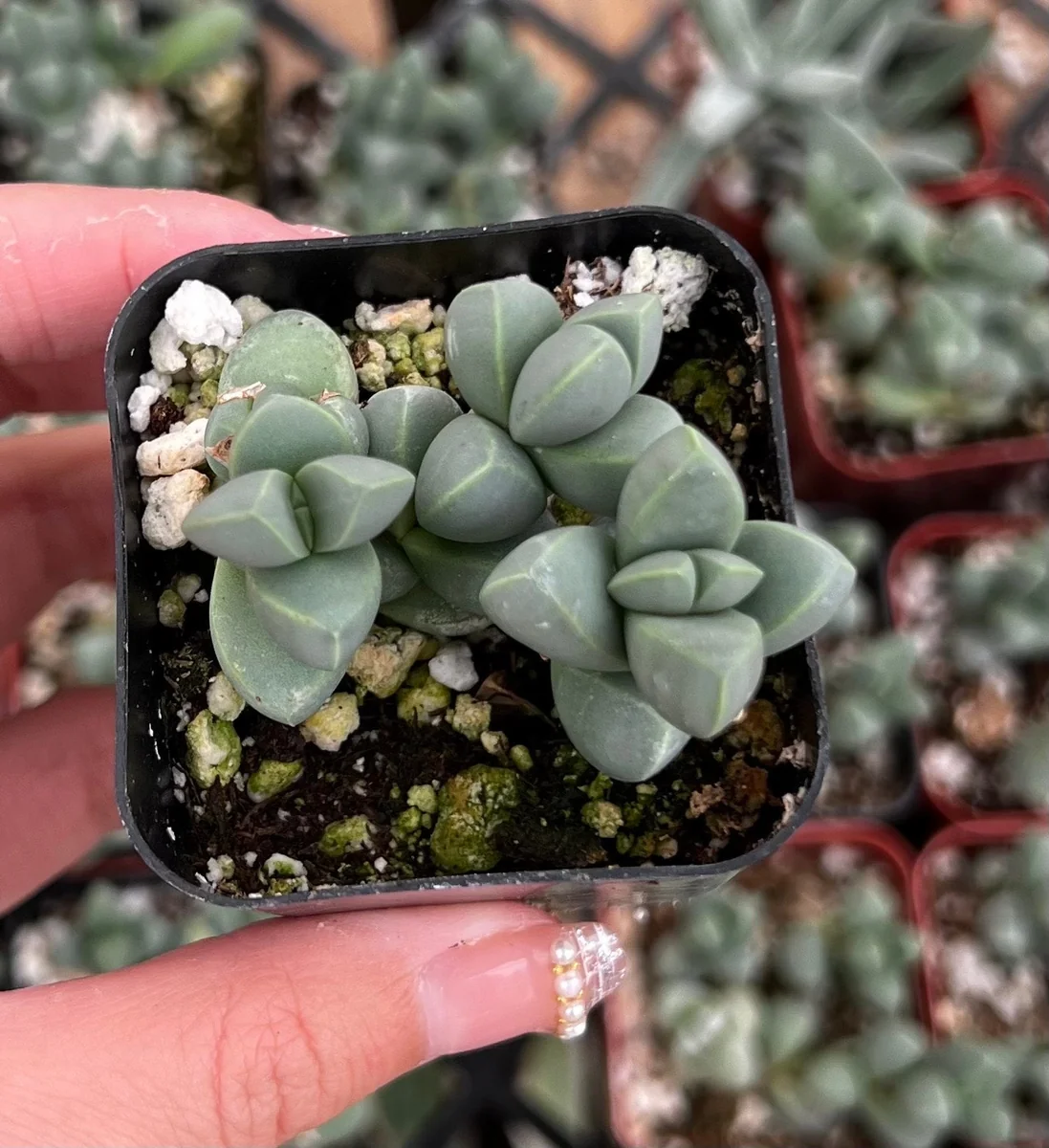
Each Ice Plant Corpuscularia Lehmannii live plant is carefully cultivated and shipped in either a 2-inch pot or a 4-inch pot, providing you with a healthy, established specimen ready to thrive in its new home. The plants will vary slightly in size and form, but each is representative of the species’ unique characteristics. Typically, these succulents form dense, mat-like clusters of their distinctive triangular leaves, growing slowly but steadily. When mature, they can spread to form a charming ground cover or fill out a container beautifully, reaching a height of approximately 4-6 inches. Expect your plant to arrive well-rooted and robust, ready for transplanting or to continue growing in its nursery pot. This rare succulent plant is a long-lived addition to any collection, offering years of enjoyment with proper care.
Frequently Asked Questions
- Q: How big does this plant get? A: The Ice Plant Corpuscularia Lehmannii typically grows to about 4-6 inches tall and can spread to form a mat-like cluster, making it suitable for ground cover or small pots. Its growth habit is compact and relatively slow.
- Q: What size pot does it come in? A: This Ice Plant Corpuscularia Lehmannii is available in either a 2-inch nursery pot or a 4-inch nursery pot, providing a good root system for transplanting.
- Q: Is this an indoor or outdoor plant? A: It can be both! The Ice Plant Corpuscularia Lehmannii thrives outdoors in warm climates (USDA zones 9-11) and makes an excellent indoor houseplant with sufficient bright light.
- Q: How much sunlight does it need? A: This drought-tolerant succulent requires at least 6 hours of direct sunlight per day to thrive. For indoor plants, a south-facing window is ideal.
- Q: Is this plant easy to care for? A: Yes, the Corpuscularia Lehmannii care requirements are very low. It’s an excellent choice for beginners due to its drought tolerance and minimal needs, making it a truly rare succulent plant that is also easy to manage.
- Q: What condition will it arrive in? A: Your Ice Plant Corpuscularia Lehmannii will arrive as a healthy, well-rooted specimen in its nursery pot, carefully packaged to ensure its safe journey.
- Q: When is the best time to plant or repot this succulent? A: The best time to plant or repot is during the spring or early summer, allowing the plant to establish itself during its active growing season.
- Q: Will it survive winter in my zone? A: The Ice Plant Corpuscularia Lehmannii is not frost-tolerant and will need to be brought indoors or protected during winter if temperatures drop below freezing (USDA Zone 9 is the general minimum).
- Q: What kind of soil is best for this succulent? A: A well-draining succulent or cactus mix is essential. You can create your own by mixing potting soil with perlite and coarse sand.
- Q: How often should I water my Ice Plant? A: Water only when the soil is completely dry. In summer, this might be every 2-4 weeks, and even less frequently in winter. Overwatering is the biggest risk for this drought-tolerant succulent.


Reviews
There are no reviews yet.