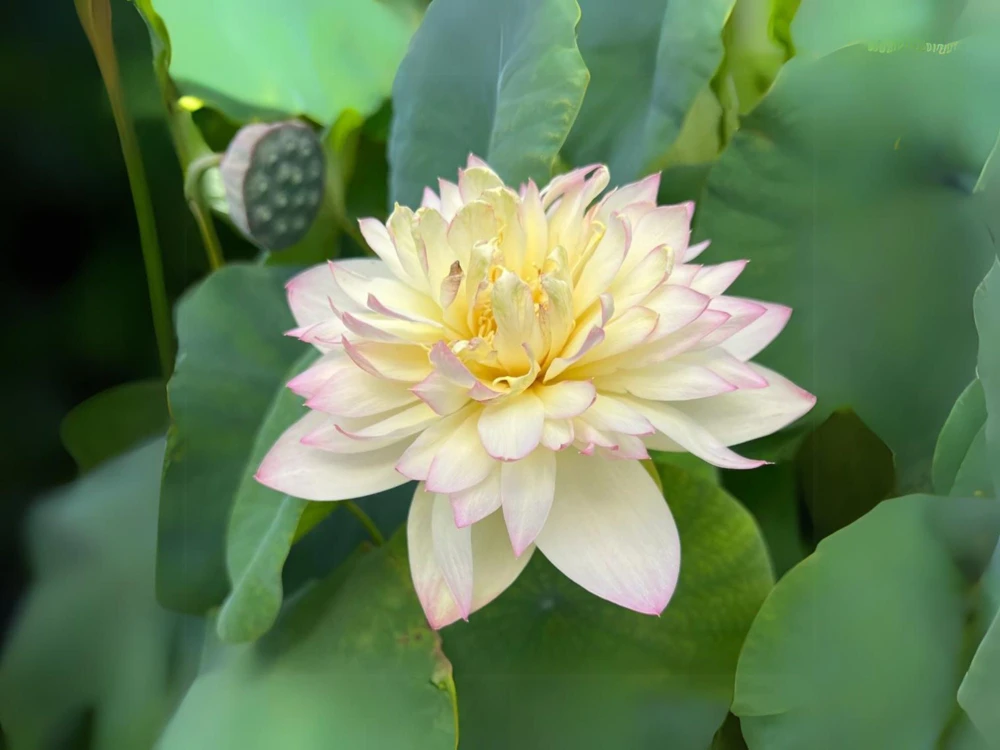
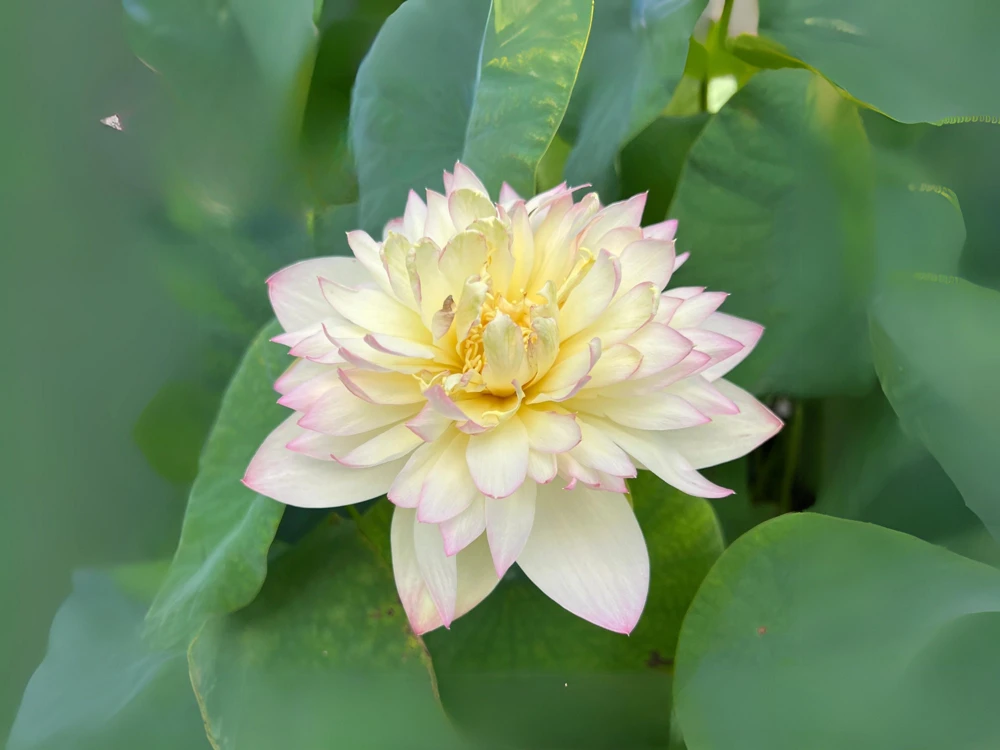
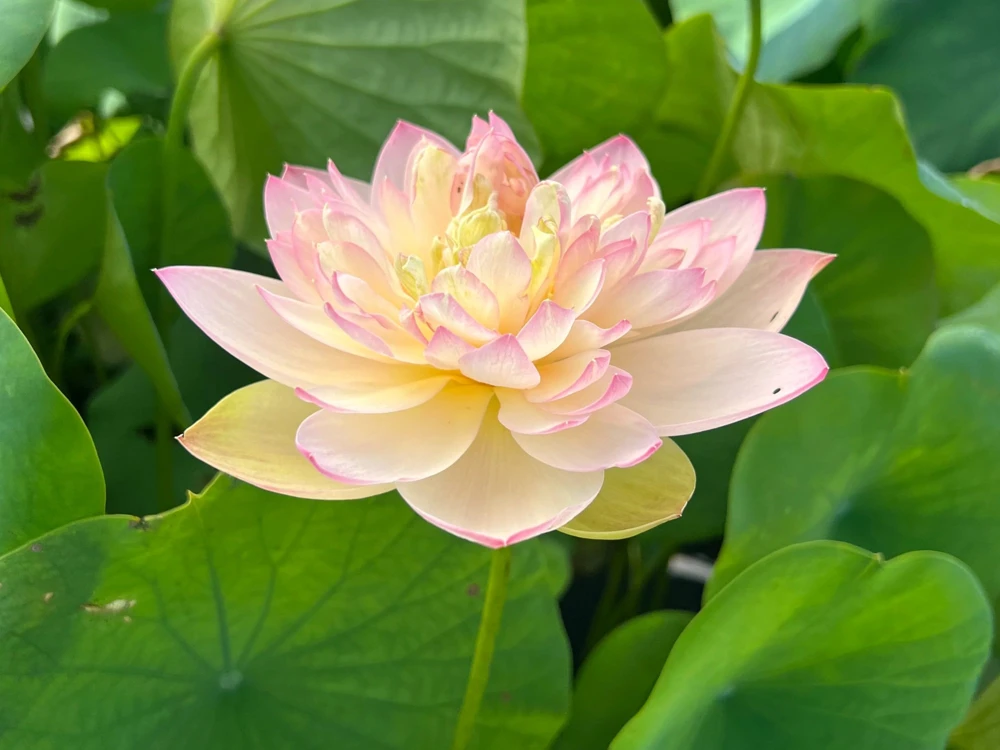
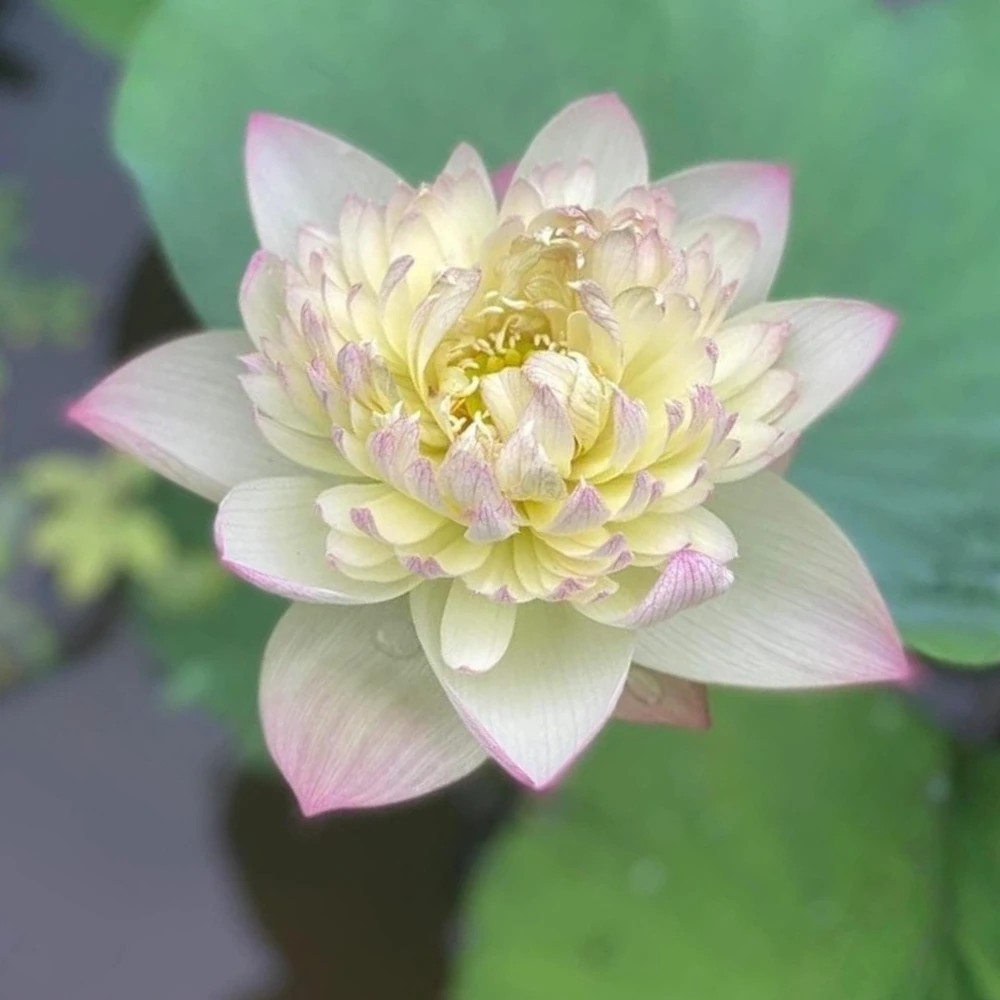
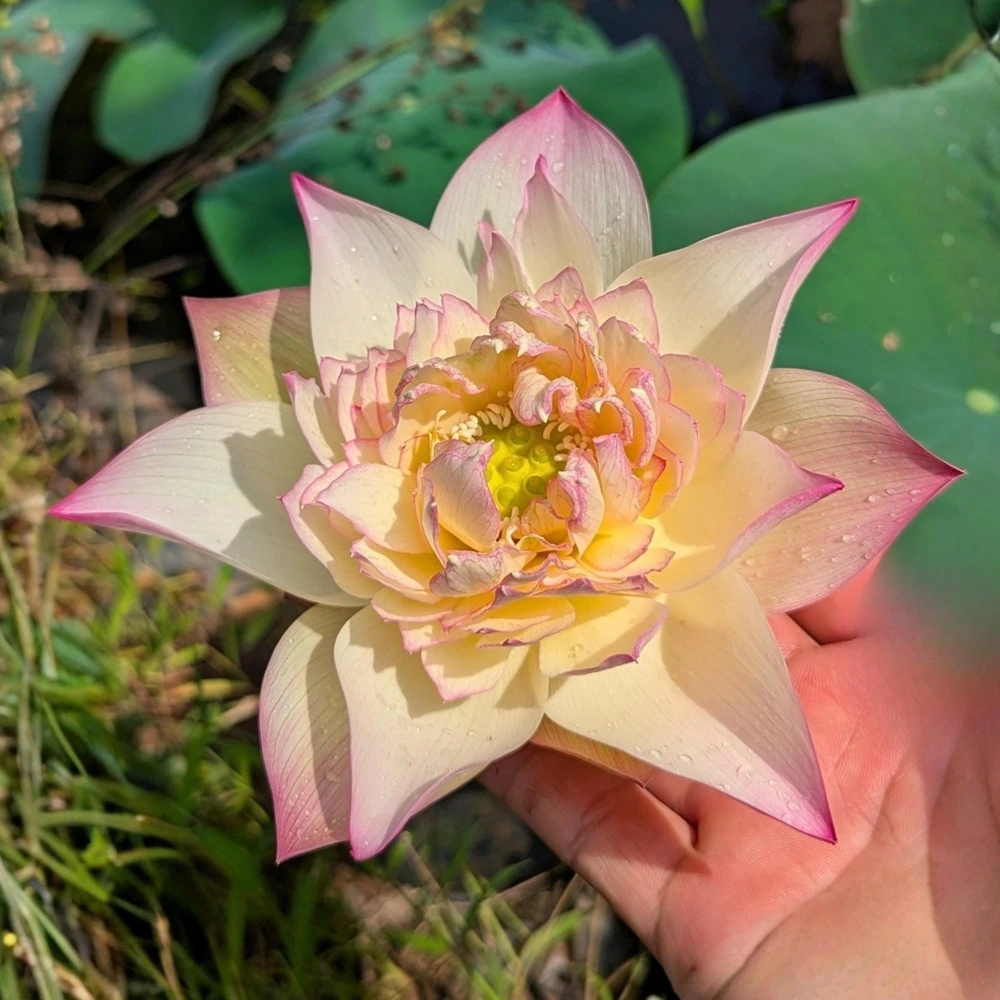
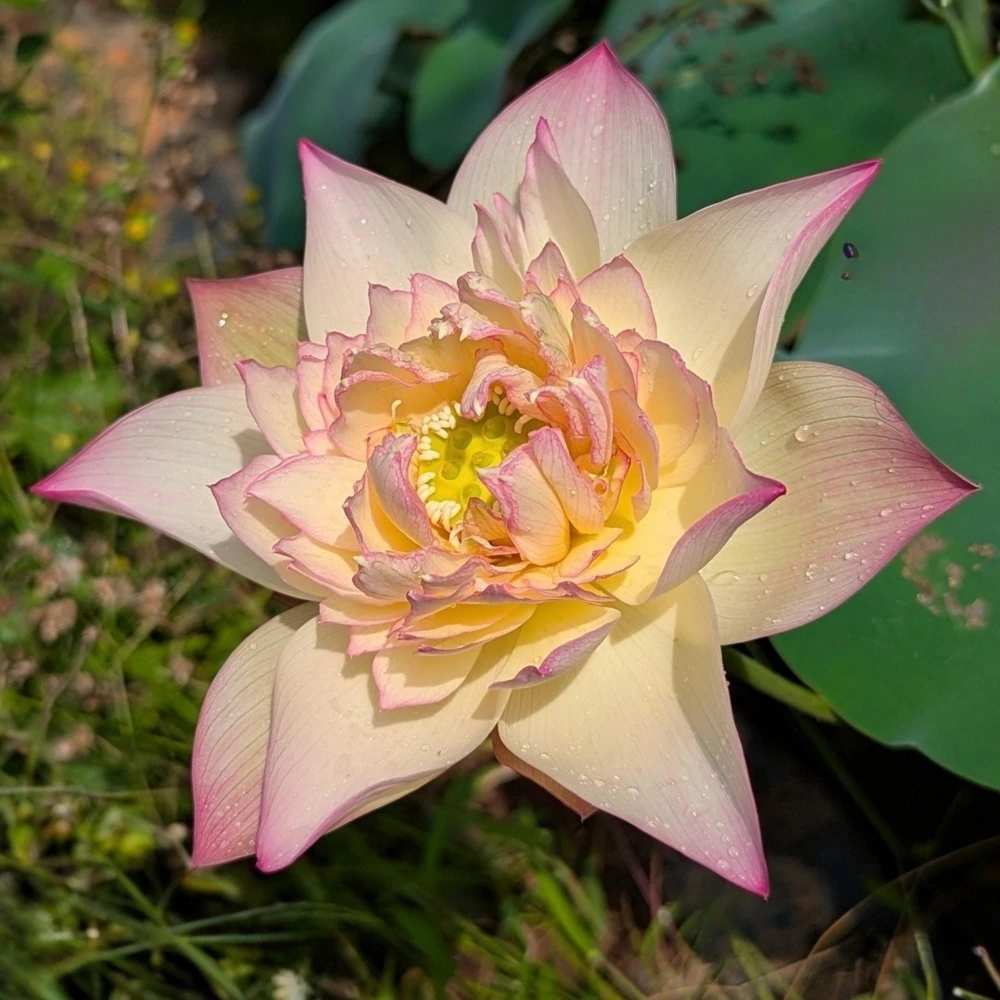
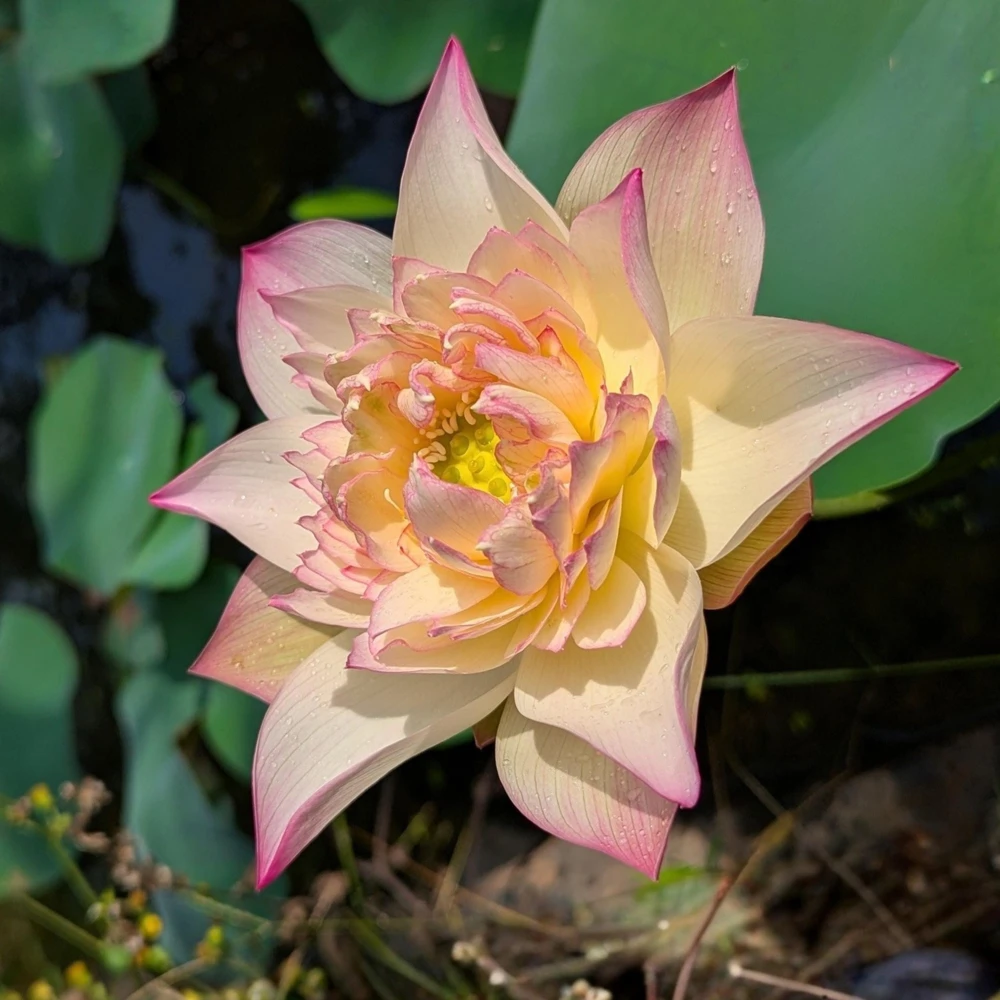
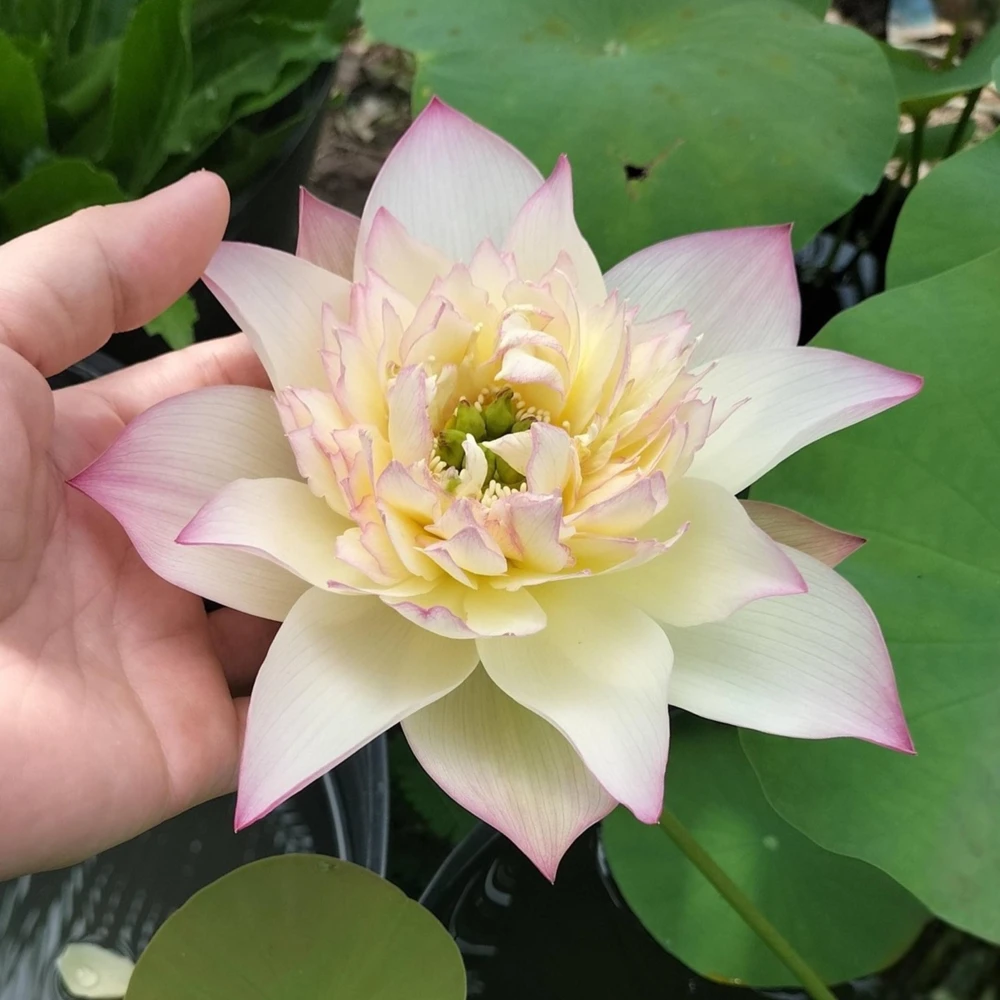
Overview
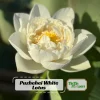
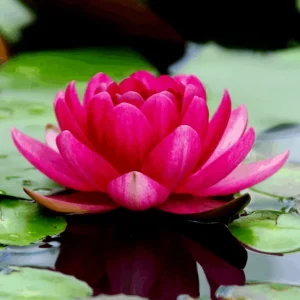
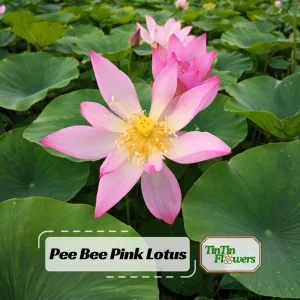
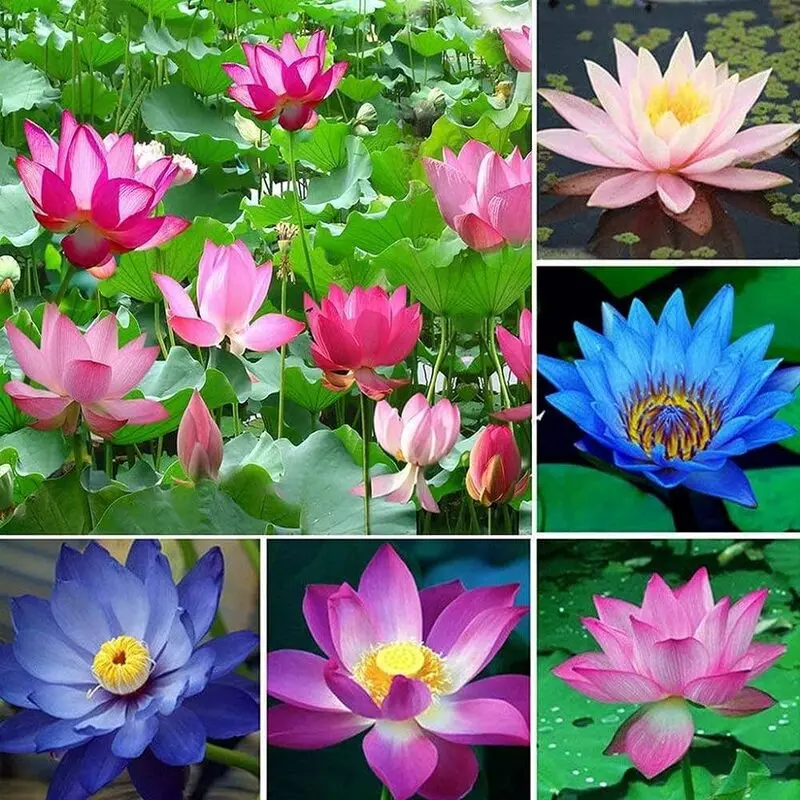
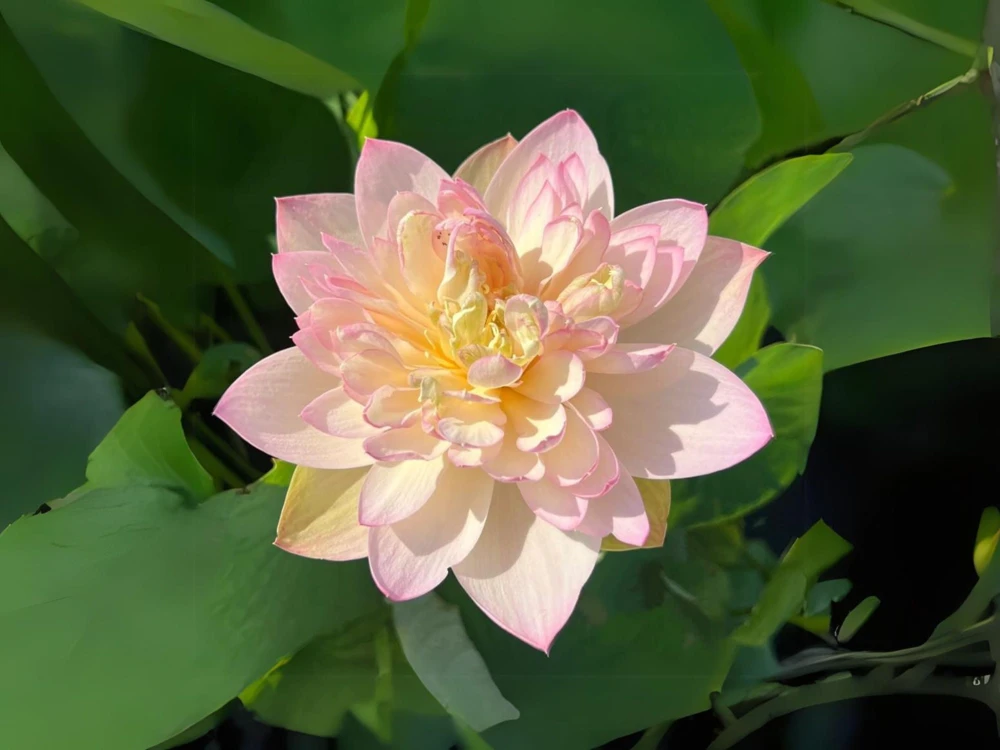
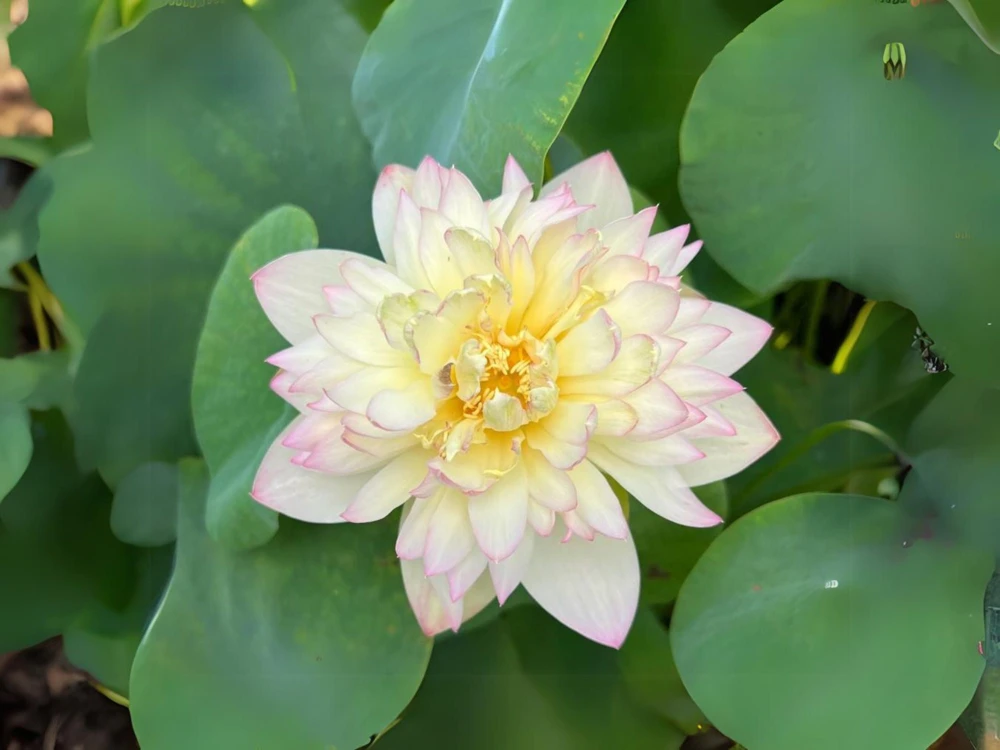
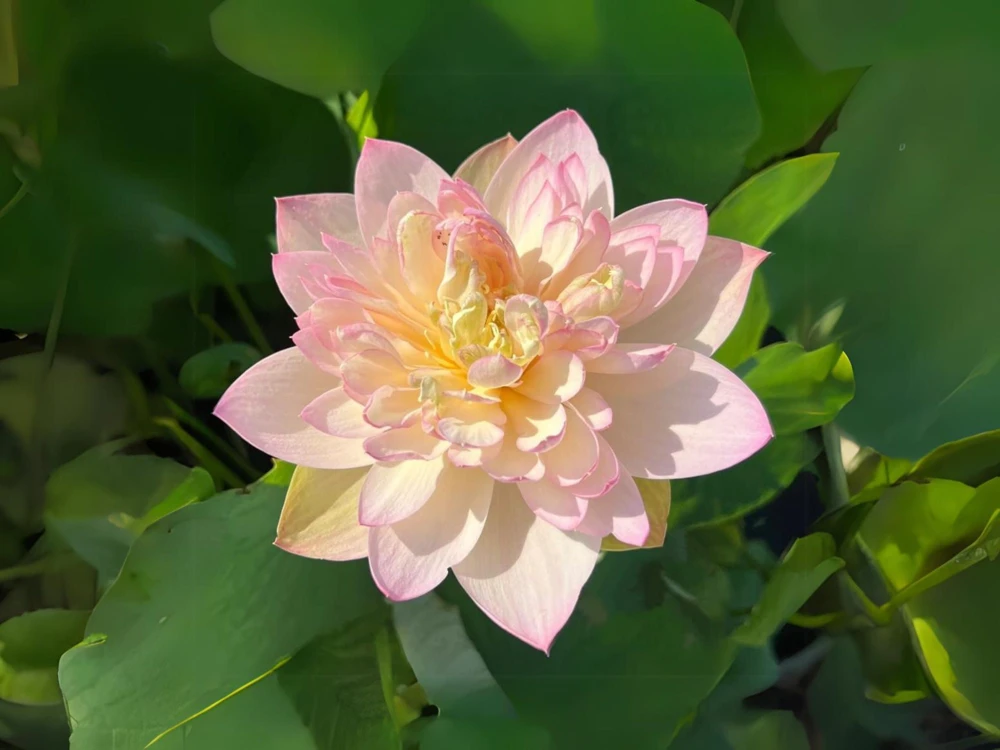
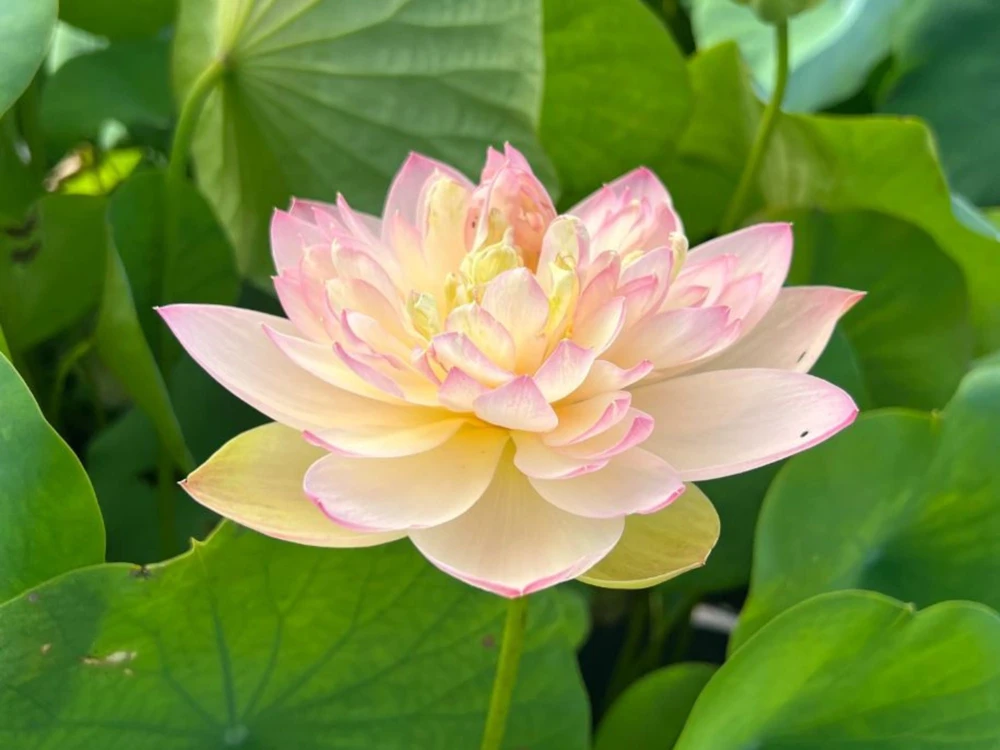
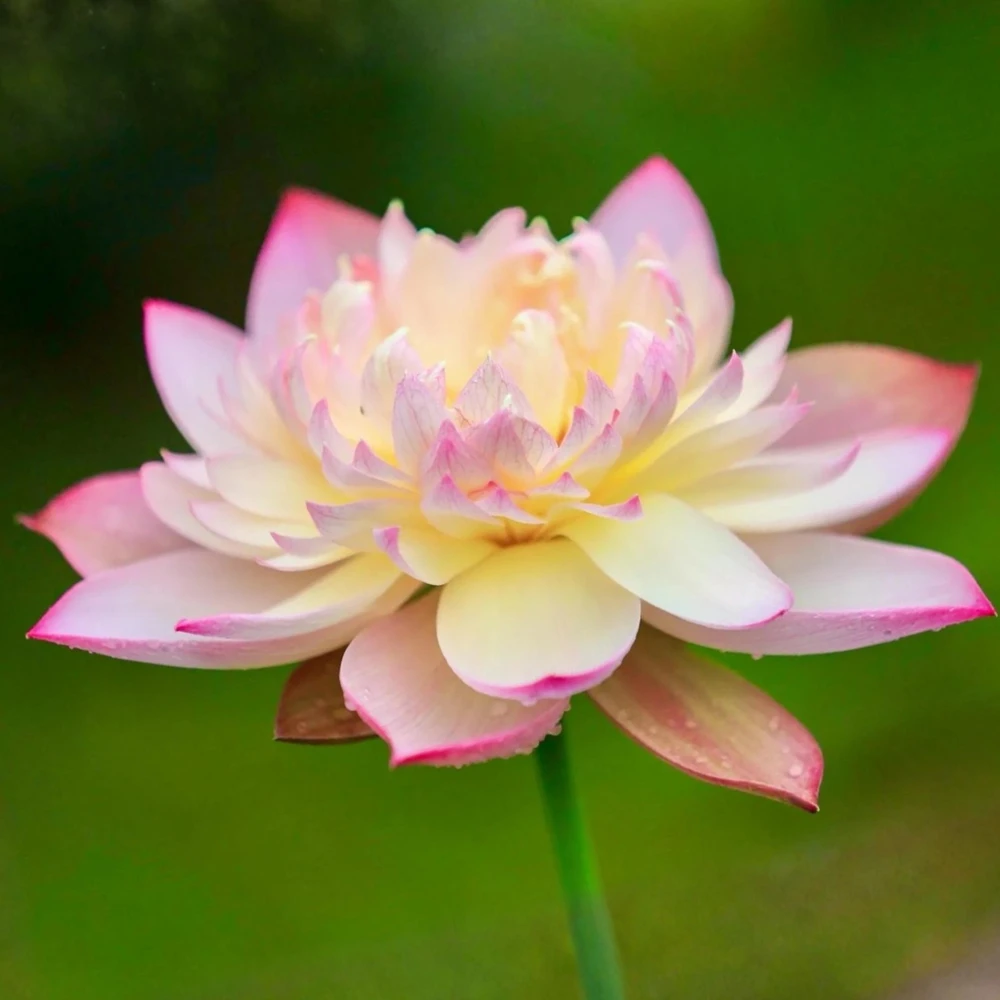
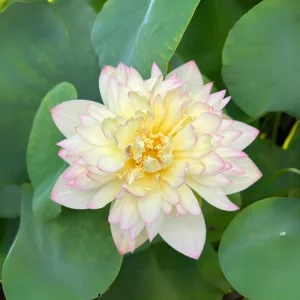
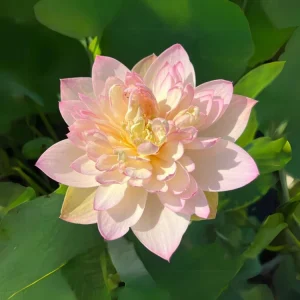
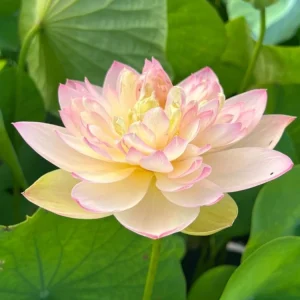
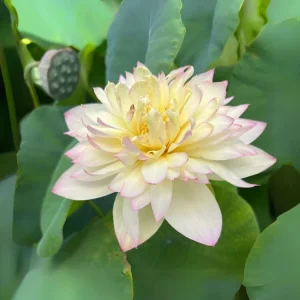
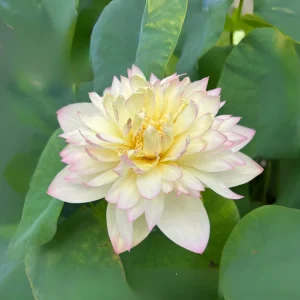
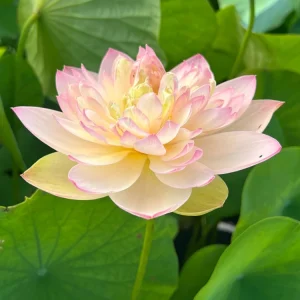
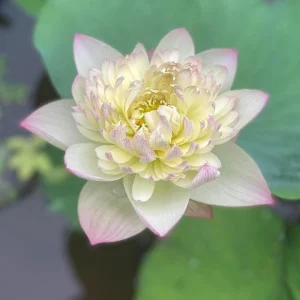
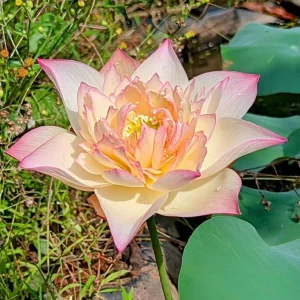
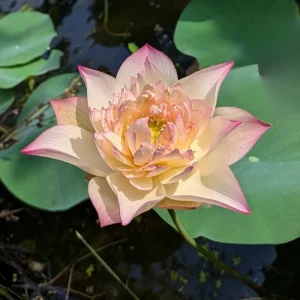
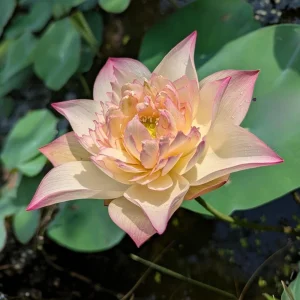
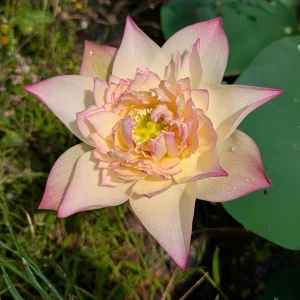
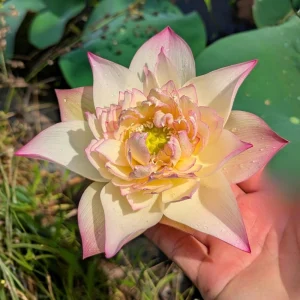
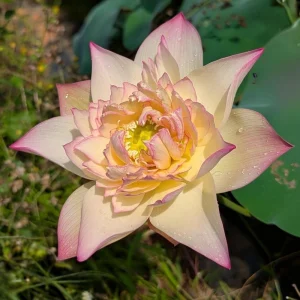
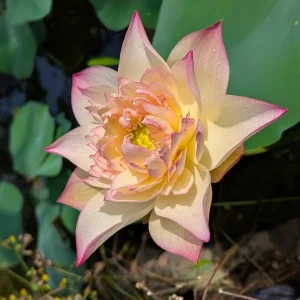
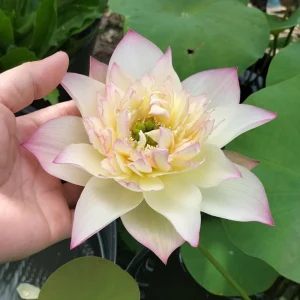
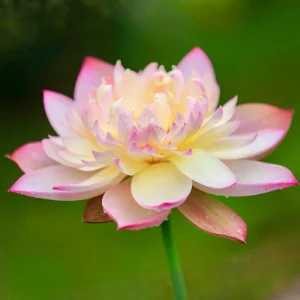
Discover the profound beauty and tranquility of the Indian Lotus seeds (Nelumbo nucifera), a symbol of purity and rebirth. These high-quality seeds allow you to cultivate the magnificent Sacred Lotus, transforming any water feature into a serene oasis. The Nelumbo nucifera seeds are renowned for their elegant blooms and lush foliage, making them a captivating addition to ponds, water gardens, or even large aquatic containers. Whether you dream of a traditional Zen garden or a vibrant decorative pond, these seeds provide the foundation for a truly spectacular display. Known for their resilience, these cold resistant water plant seeds are suitable for a wide range of climates, particularly thriving in USDA Zones 8 through 12, and can be overwintered indoors in colder regions.
Cultivating the sacred lotus seeds is a rewarding experience, offering both visual splendor and a connection to ancient botanical traditions. These non-GMO seeds are carefully selected to ensure viability and growth, making them an excellent choice for both novice and seasoned aquatic gardeners. Each seed holds the promise of a stunning, long-lasting aquatic plant, ready to bring peace and natural elegance to your outdoor living space. Embrace the journey of growing your own lotus and witness the captivating transformation from a small seed to a majestic water lily.
Key Benefits
Cultivating the Indian Lotus seeds offers numerous advantages for enhancing your garden and well-being. These seeds provide an opportunity to create a stunning aquatic display with relatively easy care, given the right conditions.
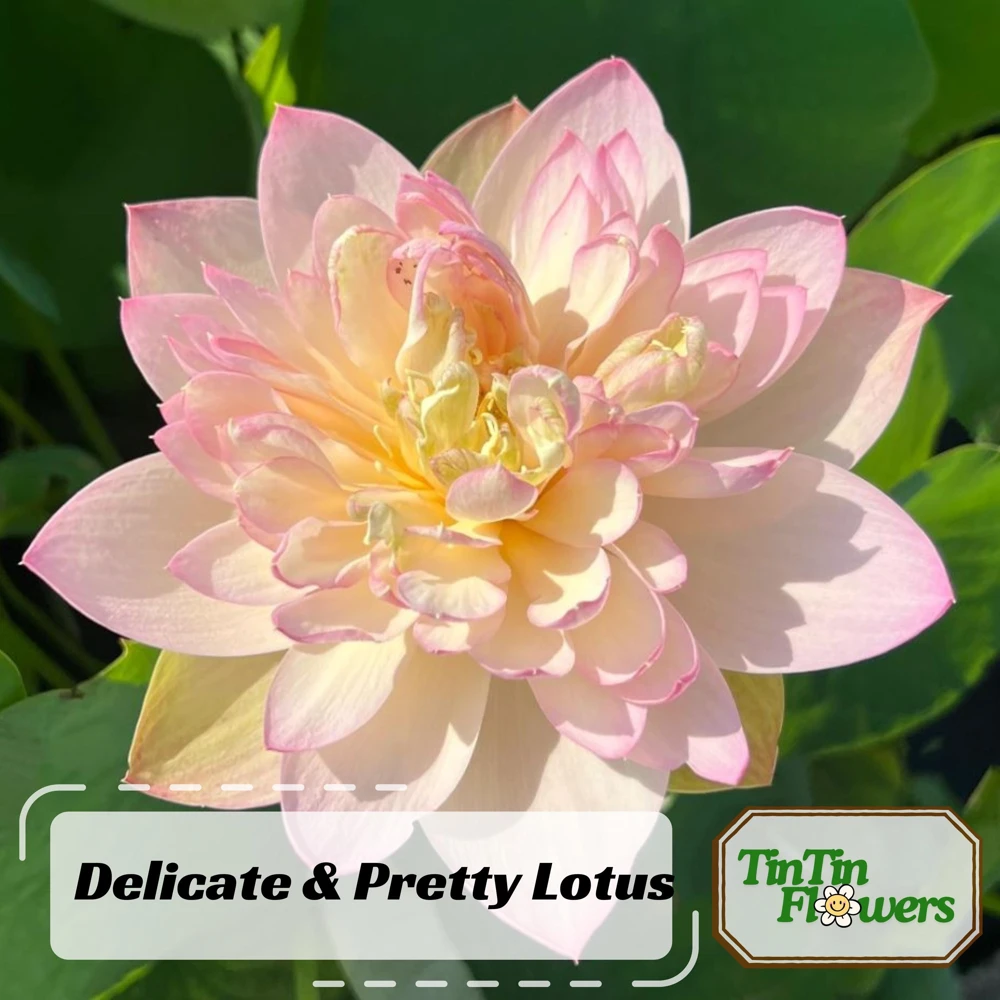
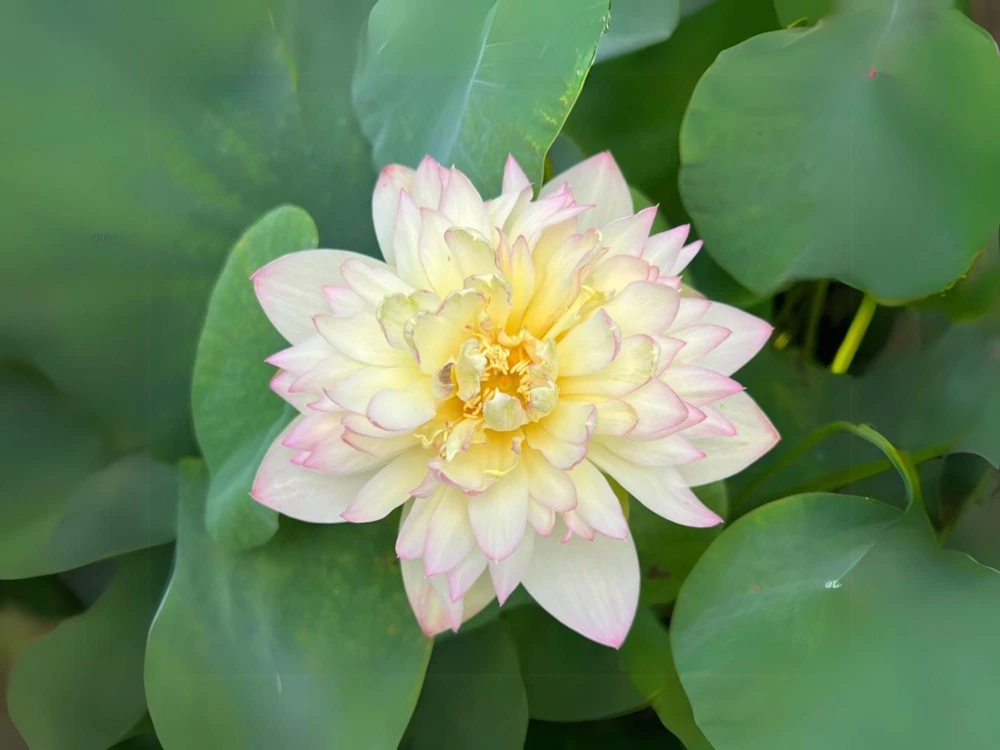
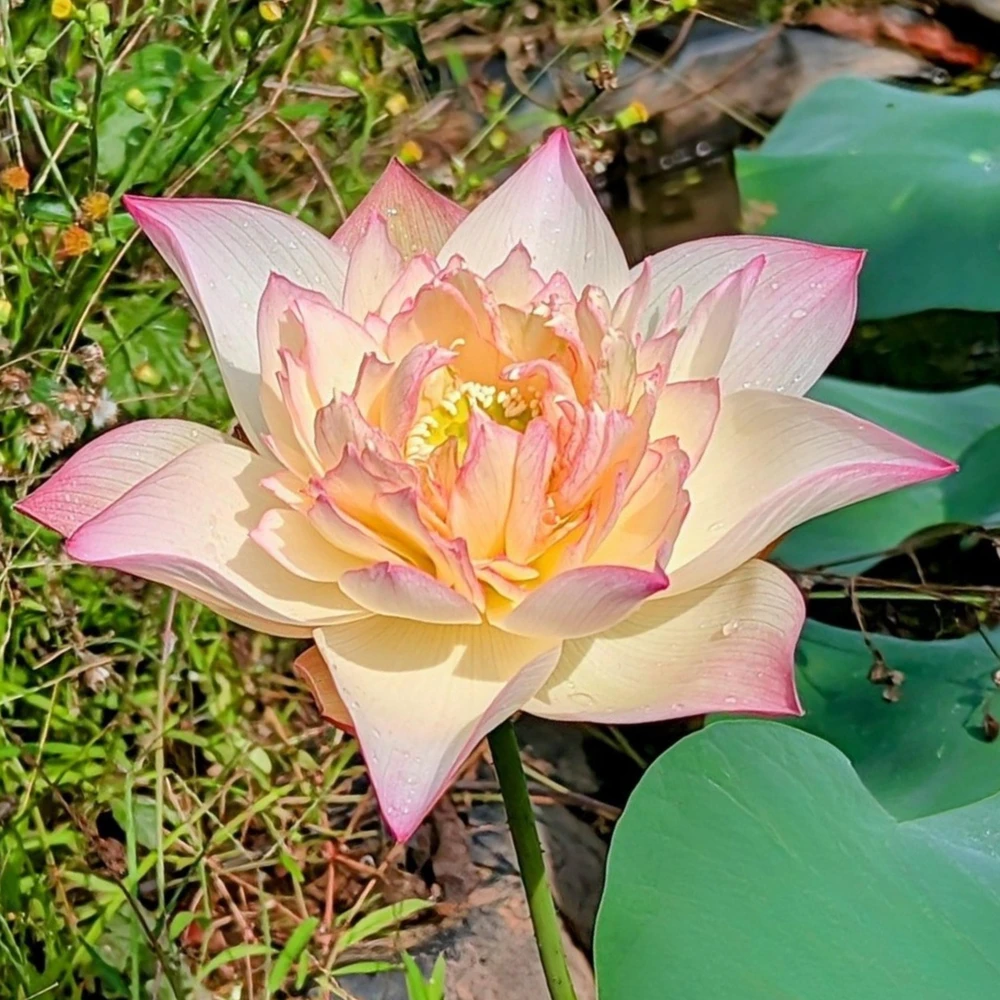
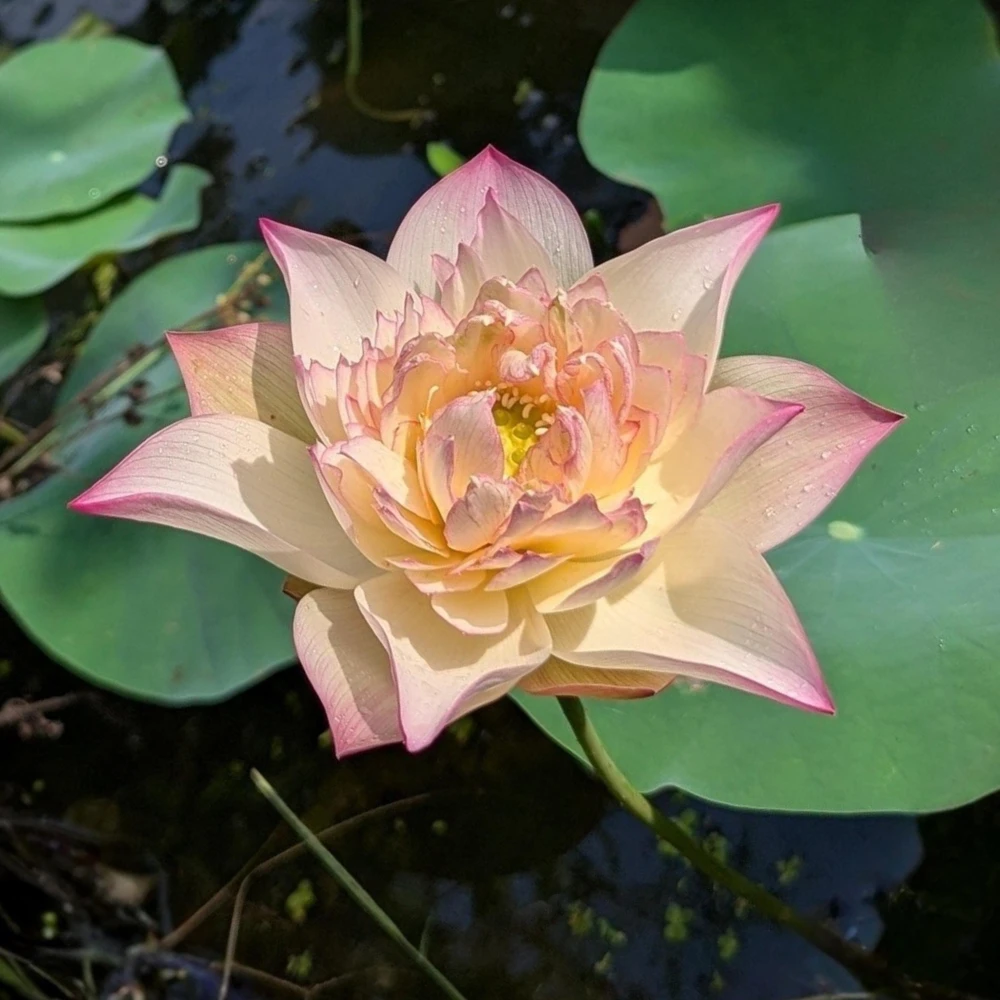
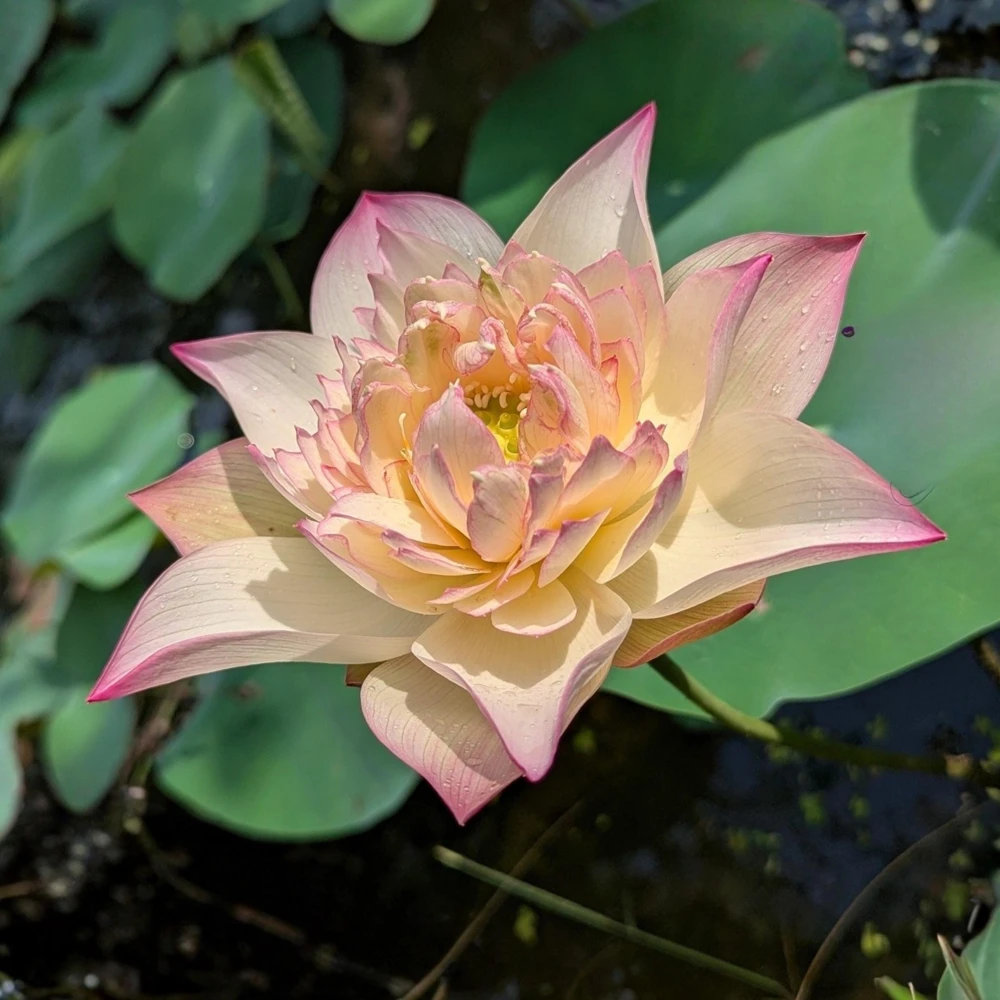
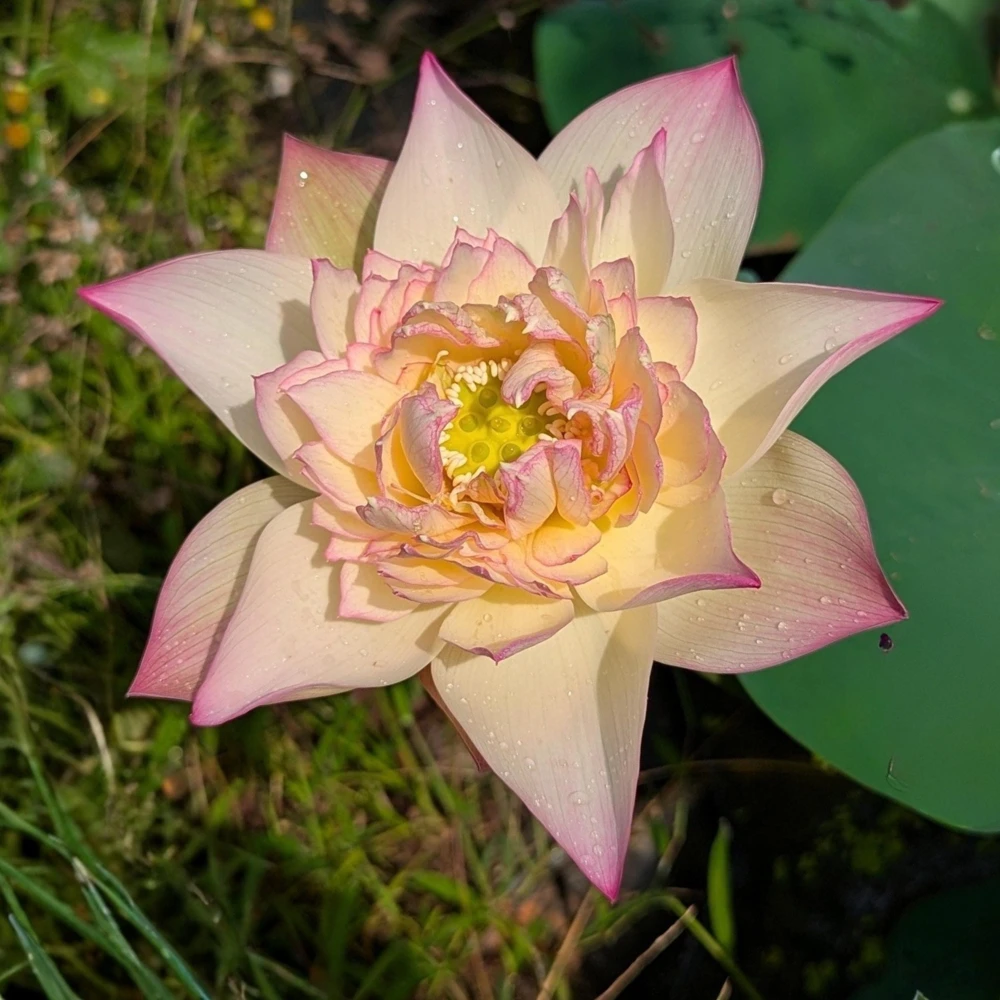
- Aesthetic Appeal: The large, vibrant flowers and broad, graceful leaves of the lotus create a breathtaking focal point in any water garden or pond, adding a touch of exotic elegance and serenity.
- Cultural Significance: Grow the revered Sacred Lotus, a plant deeply rooted in various cultures and spiritual traditions, bringing a sense of peace and historical depth to your environment.
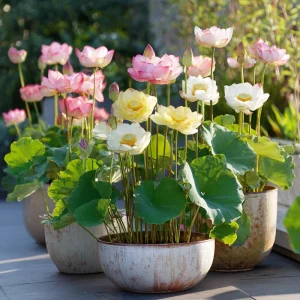
- Versatile Growth: Suitable for a variety of aquatic setups, these Nelumbo nucifera seeds can be grown in large ponds, decorative bowls, or specialized aquatic containers, adapting to different garden designs.
- Cold Resistance: These cold resistant water plant seeds are well-suited for temperate climates (USDA Zones 8-12) and can be easily overwintered indoors in colder regions, ensuring their longevity and continued beauty year after year.
- Beginner-Friendly: With clear instructions on how to grow lotus from seeds, even those new to aquatic gardening can successfully cultivate these magnificent plants, making the process accessible and enjoyable.
- Ecosystem Support: Lotus plants contribute to a healthy pond ecosystem by providing shade, which helps to reduce algae growth, and offering habitat for various aquatic life.
- Long-Lasting Blooms: Once established, these lotus plants will produce beautiful blooms throughout the warmer months, offering continuous enjoyment and a dynamic display in your garden.
Plant Care & Growing Tips
Successfully growing Indian Lotus seeds requires attention to a few key environmental factors, but the process is highly rewarding. The first step in how to grow lotus from seeds involves scarification. The hard outer shell of the lotus seed must be gently filed or sanded to allow water to penetrate, without damaging the inner embryo. After scarification, soak the seeds in distilled or dechlorinated water, changing the water daily, until germination occurs, typically within a few days to a week. Once a sprout appears, it’s time for planting.
For planting, choose a wide, shallow pot (at least 10-15 inches in diameter) without drainage holes. Fill it with heavy garden soil or an aquatic planting medium, leaving an inch or two of space at the top. Gently place the sprouted Nelumbo nucifera seeds on the soil surface and lightly press them in, ensuring good contact but not burying them completely. Submerge the pot in a larger container or pond, ensuring the water level is about 1-2 inches above the soil surface. Maintain a consistent water level as the lotus grows. Lotus thrives in full sun, requiring 6-8 hours of direct sunlight daily, and prefers warm water temperatures between 75-85°F (24-29°C).
Fertilization is crucial for robust growth and abundant blooms. Once the lotus has established several leaves, begin fertilizing with a balanced aquatic fertilizer specifically designed for pond plants. Follow the product instructions carefully, as over-fertilization can harm the plant. These cold resistant water plant seeds will produce perennial plants, but in colder climates (below USDA Zone 8), they will need to be overwintered indoors. Bring the entire pot indoors before the first hard frost, or remove the rhizome, clean it, and store it in a cool, dark, moist environment until spring. Proper care ensures your sacred lotus seeds will flourish for many seasons.
Size & Details
This offering includes 5+ high-quality Indian Lotus seeds (Nelumbo nucifera), ready for scarification and germination. Each seed has the potential to grow into a magnificent aquatic plant, producing large, showy flowers and expansive leaves. The mature size of a lotus plant can vary depending on the container size and growing conditions. In ideal pond settings, lotus plants can spread several feet wide with leaves reaching 1-2 feet in diameter and flowers rising 1-3 feet above the water surface. For bowl or bonsai lotus cultivation, the plant will remain more compact. Expect your lotus to begin producing leaves within a few weeks of germination and blooms typically within the first growing season under optimal conditions.
These Nelumbo nucifera seeds are ideal for creating a dynamic and visually stunning water feature. They are shipped as dry seeds, requiring pre-treatment (scarification and soaking) before planting. The growth rate is moderate to fast once established, especially in warm, sunny conditions. The resulting plants are perennial, meaning they will return year after year with proper care, making them a long-term investment in your garden’s beauty. Cultivating the sacred lotus seeds offers a unique opportunity to witness the full life cycle of this remarkable aquatic plant.
Frequently Asked Questions
- Q: How big does this lotus plant get? A: The mature size of your lotus plant depends on the container size and growing conditions. In large ponds, they can spread several feet wide, while in smaller bowls, they will remain more compact, typically reaching 1-3 feet in height.
- Q: Is this an indoor or outdoor plant? A: The Indian Lotus seeds are primarily for outdoor cultivation in ponds, water gardens, or large aquatic containers. In colder zones (below USDA Zone 8), the tubers must be overwintered indoors.
- Q: How much sunlight does the lotus need? A: Lotus plants thrive in full sun, requiring a minimum of 6-8 hours of direct sunlight per day to encourage vigorous growth and abundant flowering.
- Q: Is this plant easy to care for? A: With proper scarification and initial care, growing Nelumbo nucifera seeds can be straightforward for beginners. The key is consistent warm temperatures, full sun, and appropriate water depth.
- Q: What condition will the seeds arrive in? A: The Indian Lotus seeds will arrive as dry, hard seeds, ready for you to scarify and soak before planting. This ensures their viability and prepares them for germination.
- Q: How long until the lotus blooms? A: Under optimal growing conditions, you can typically expect your lotus to begin blooming in its first growing season, usually within 3-4 months after successful germination and establishment.
- Q: Will these cold resistant water plant seeds survive winter in my zone? A: These seeds are considered cold resistant, and the resulting plants thrive in USDA Zones 8-12. In colder zones, the tubers will need to be dug up and stored indoors for winter to prevent freezing.
- Q: What is the best way to scarify the sacred lotus seeds? A: Gently file or sand a small portion of the seed’s hard outer coat until you see a lighter, inner layer. Be careful not to damage the inner embryo. This helps water penetrate for germination.
- Q: Can I grow these lotus seeds in a small bowl? A: Yes, you can cultivate bowl lotus varieties from these seeds. Ensure the bowl is wide enough (at least 12-18 inches in diameter) and deep enough to accommodate the plant’s growth and root system.
- Q: Are these seeds non-GMO? A: Yes, these are non-GMO Indian Lotus seeds, ensuring you are growing natural and authentic plants.


Reviews
There are no reviews yet.