

Overview
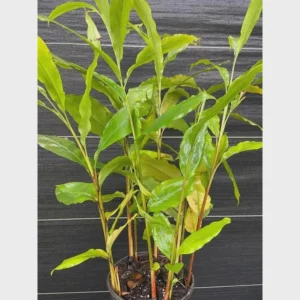
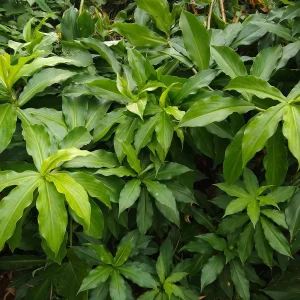
Embark on a rewarding gardening journey with our premium selection of insulin plant cuttings. Each order includes 7 live Costus Igneus cuttings, carefully prepared for successful propagation in your home garden. The insulin plant, scientifically known as Chamaecostus cuspidatus (often referred to as Costus igneus), is a fascinating and sought-after herb. Originating from the tropical regions, this plant is not only beautiful but also holds a special place in traditional practices. Our cuttings provide a convenient and effective way to grow insulin plant, allowing you to enjoy its lush foliage and unique characteristics firsthand.
These vigorous cuttings are an excellent choice for both novice and experienced gardeners. They are prepped for easy rooting, ensuring a higher success rate when planted correctly. The insulin plant is known for its relatively fast growth once established, quickly transforming into a vibrant addition to your herb collection or ornamental display. With proper care, these cuttings will develop into mature plants, ready for propagation or enjoyment.
Key Benefits
Cultivating the insulin plant offers a multitude of benefits, extending beyond just its visual appeal. This remarkable plant is a valuable addition to any garden, especially for those interested in herbal remedies and natural wellness.
- Easy Propagation: Our insulin plant cuttings are specifically chosen for their ease of rooting, making the process of starting new plants straightforward and enjoyable, even for beginners. You’ll find it simple to grow insulin plant with these high-quality starts.
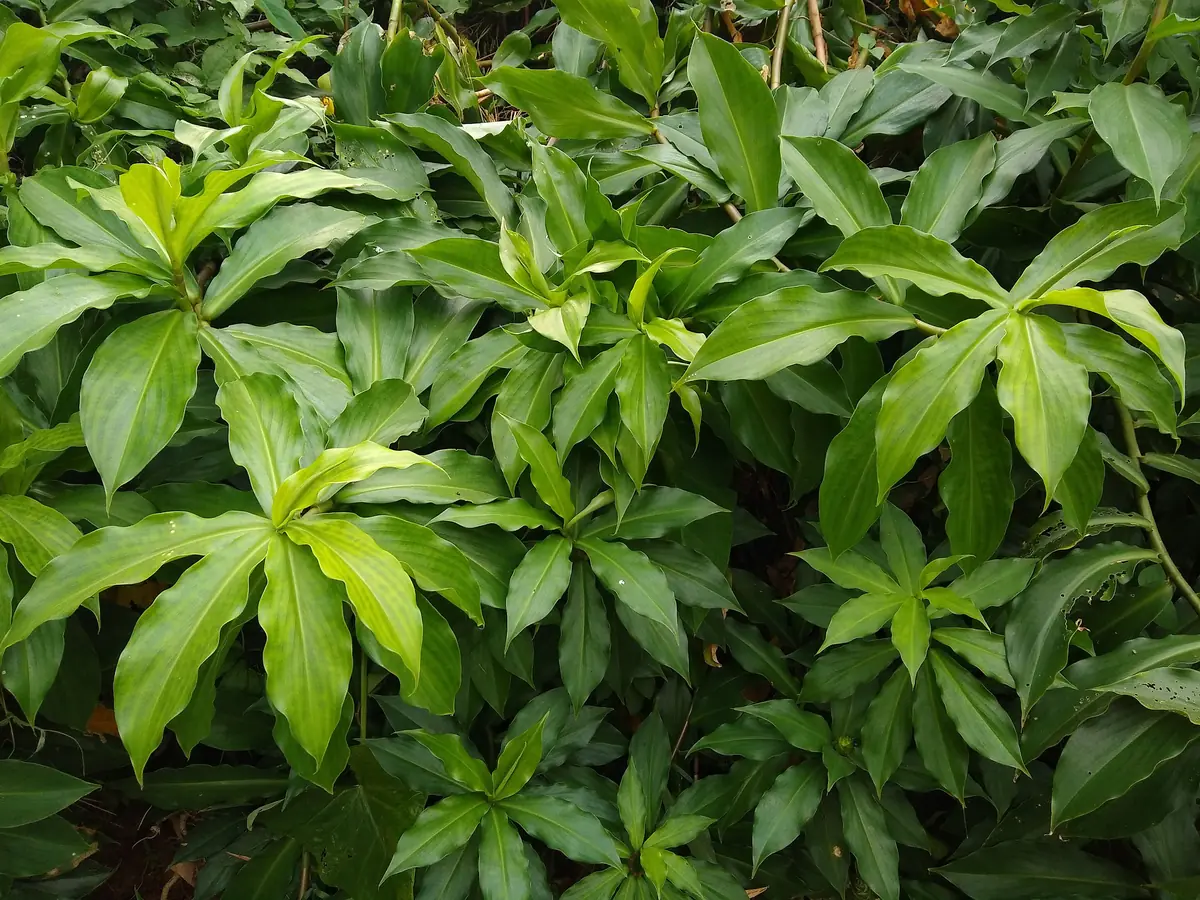
- Vibrant Foliage: The Costus Igneus plant features attractive, spirally arranged leaves that add a unique tropical aesthetic to your indoor or outdoor garden space. Its lush green leaves are a testament to its vitality.
- Traditional Use: Historically, the diabetes plant has been utilized in various traditional medicines, particularly for its potential role in health and wellness. Growing your own allows for a connection to these ancient practices.
- Low Maintenance: Once established, the insulin plant is relatively low-maintenance, requiring consistent moisture and indirect light. This makes it a great choice for busy gardeners.
- Year-Round Growth: In appropriate climates or indoor settings, the Costus Igneus plant can thrive year-round, providing continuous beauty and access to its leaves.
- Educational Value: Growing this unique herb offers an excellent opportunity to learn about plant propagation, herbal botany, and sustainable gardening practices. Understanding insulin plant care is a rewarding experience.
- Garden Diversity: Adding an insulin plant to your collection enhances the biodiversity of your garden, introducing a plant with distinct characteristics and a rich history.
Plant Care & Growing Tips
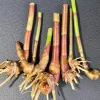
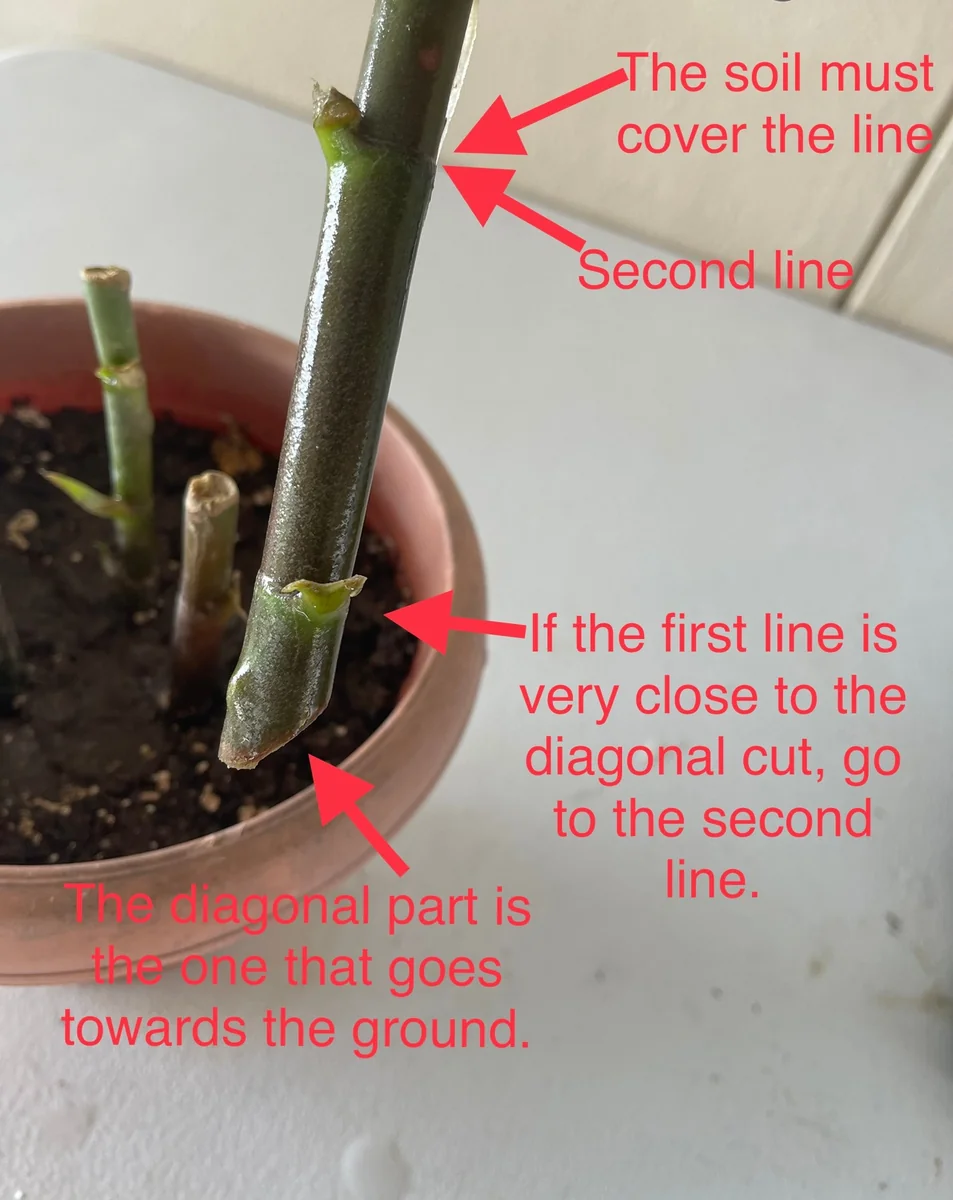
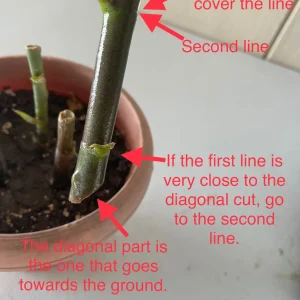
Successful cultivation of your insulin plant cuttings begins with proper planting and consistent care. Upon arrival, you’ll notice a diagonal cut at the bottom of each cutting, which helps in identifying the planting end. To plant, gently insert the cuttings into well-draining soil, ensuring that one or two inches are buried beneath the surface. It’s crucial to keep the soil consistently moist but not waterlogged. The Costus Igneus plant thrives in bright, indirect sunlight. Avoid placing the cuttings or young plants in direct, harsh sunlight, as this can scorch the delicate leaves. A location near a bright window or under a shade cloth outdoors is ideal.
Rooting can take some time, typically around two months or more, before you observe a new rhizome emerging from the buried nodule. During this period, patience is key. It’s not uncommon for the initial cutting to turn brown; this is a natural part of the rooting process as the plant redirects energy to establish new growth. To further encourage rooting, consider using a rooting hormone or powder. Simply dip the diagonally cut end of the cutting into the rooting powder before planting. For optimal growth, provide a consistent temperature range between 60-85°F (15-30°C). While the plant is establishing, avoid over-fertilizing. Once rooted and showing new growth, a balanced liquid fertilizer can be applied sparingly every 2-4 weeks during the growing season. Understanding good insulin plant care will lead to a thriving specimen.
The ideal soil for your insulin plant should be rich in organic matter and offer excellent drainage. A mix of potting soil, perlite, and compost works wonderfully. Ensure the pot has drainage holes to prevent root rot. As the plant matures, it will benefit from occasional pruning to maintain its shape and encourage bushier growth. Protect your plant from extreme cold; if you live in a colder climate, bring your Costus Igneus plant indoors during winter months. Pests are generally not a major issue, but occasional checks for common houseplant pests like spider mites or aphids are recommended. Address any infestations promptly with organic pest control methods.
Size & Details
This offering includes 7 live Costus Igneus cuttings, each carefully selected to ensure viability and ease of propagation. The cuttings are typically 4-6 inches in length, ready for immediate planting upon arrival. While the exact mature size of the insulin plant can vary based on growing conditions and environment, it generally reaches a height of 2-3 feet (60-90 cm) with a similar spread when fully grown. The growth rate is moderate to fast once the cuttings have successfully rooted and established. These cuttings are shipped bare, without soil or pots, to minimize shipping stress and weight. They are intended for you to plant directly into your preferred growing medium. With proper insulin plant care, you can expect these cuttings to develop into vibrant, mature plants within several months, producing their unique foliage and occasional, striking flowers.
Frequently Asked Questions
- Q: How big do these insulin plant cuttings get when mature? A: When mature, the insulin plant typically grows to a height of 2-3 feet (60-90 cm) with a similar spread, depending on growing conditions. These 7 live Costus Igneus cuttings will establish into robust plants over time.
- Q: Is this an indoor or outdoor plant? A: The insulin plant can be grown both indoors and outdoors. It thrives outdoors in warm, tropical climates (USDA zones 9-11) and makes an excellent houseplant in cooler regions, provided it receives bright, indirect light.
- Q: How much sunlight does the Costus Igneus plant need? A: This plant prefers bright, indirect sunlight. Direct full sun, especially in hot climates, can scorch its leaves. A few hours of morning sun or filtered light throughout the day is ideal for optimal insulin plant care.
- Q: Is this plant easy to care for? A: Yes, once rooted, the insulin plant is considered relatively easy to care for. It requires consistent moisture and protection from direct harsh sun, making it suitable for beginners looking to grow insulin plant.
- Q: What condition will the cuttings arrive in? A: Your 7 live Costus Igneus cuttings will arrive fresh, carefully packaged, and ready for planting. They are shipped without soil or pots to ensure their health during transit.
- Q: When is the best time to plant these insulin plant cuttings? A: The best time to plant these cuttings is during the warmer months, typically spring to early summer, when temperatures are consistently mild. However, they can be rooted year-round indoors with proper conditions.
- Q: What type of soil is best for the insulin plant? A: The insulin plant thrives in well-draining, fertile soil rich in organic matter. A good quality potting mix amended with perlite or coarse sand for drainage is recommended.
- Q: How long does it take for the cuttings to root? A: It can take approximately 2 months or more for the insulin plant cuttings to develop new roots and show significant new growth. Patience and consistent moisture are key during this rooting phase.
- Q: Can I use rooting hormone with these cuttings? A: Yes, using a rooting hormone or powder can significantly improve the success rate and speed up the rooting process for your Costus Igneus plant cuttings.
- Q: Will the initial cutting turn brown? A: It is normal for the original cutting to turn brown as it establishes new roots and growth. This is a natural part of the propagation process and indicates the plant is redirecting its energy.


Reviews
There are no reviews yet.