Overview
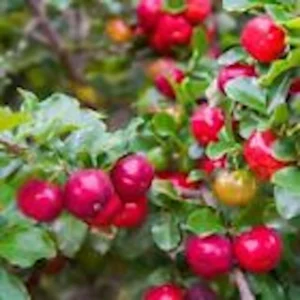
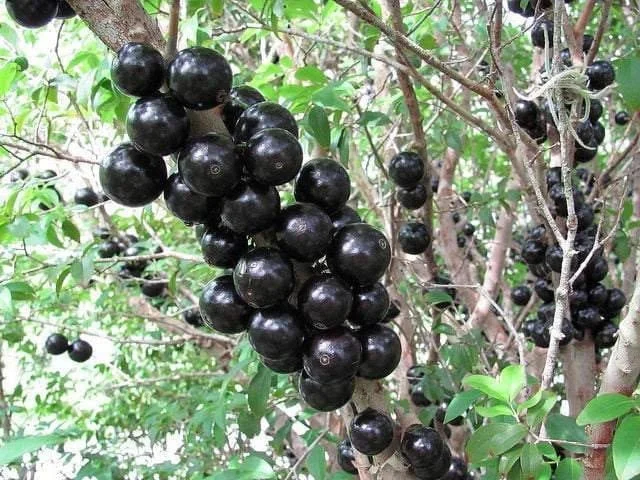
Bring the exotic taste of the tropics to your garden with a Jaboticaba live plant (Myrciaria cauliflora). This remarkable fruit tree is celebrated for its unique growth habit, producing delicious, purple-black, grape-like fruits directly on its trunk and main branches. Originating from Brazil, the Jaboticaba, also known as Brazilian Grape Tree, is a slow-growing, evergreen tree that can be cultivated in various climates, particularly thriving in warmer regions. Our healthy Myrciaria cauliflora tree is shipped as a well-rooted specimen, 1 to 2 feet tall, and ready to plant in its 3-gallon container. It promises to be a conversation starter and a source of fresh, sweet fruit for years to come.
The Jaboticaba is not just a fruit producer; it’s also an attractive ornamental tree, perfect for adding a touch of exotic beauty to your landscape or as a patio plant. Its unusual fruiting pattern makes it a fascinating addition, providing both aesthetic appeal and a bountiful harvest. If you’re wondering how to grow Jaboticaba, you’ll find it a rewarding experience, offering both visual interest and a unique culinary delight.
Key Benefits
The Jaboticaba live plant offers a multitude of benefits, from its unique fruiting display to its delicious and versatile fruit. Growing this tree provides a sustainable source of fresh, exotic fruit right in your own garden.
- Unique Fruiting Display: Experience the wonder of ‘cauliflory’, where fruits form directly on the trunk and branches, creating a stunning visual spectacle that is unlike most other fruit trees.
- Delicious & Versatile Fruit: Enjoy sweet, grape-like berries with a delightful sub-acid tang. The fruit can be eaten fresh, used in jams, jellies, juices, or even wine, offering a wide range of culinary possibilities.
- Attractive Ornamental Tree: Beyond its fruit, the Jaboticaba boasts attractive foliage and a unique growth habit, making it a beautiful addition to any garden, patio, or even as a bonsai specimen.
- Long Fruiting Season: With proper care, a mature Jaboticaba fruit tree can produce multiple flushes of fruit throughout the year, providing a continuous harvest.
- Adaptable Growth: While preferring tropical and subtropical climates, the Jaboticaba can be grown in containers in cooler zones, allowing you to move it indoors during cold weather. This makes it an ideal tropical fruit plant for many gardeners.
- Relatively Low Maintenance: Once established, Jaboticaba trees are quite resilient and require moderate care, making them suitable for gardeners of varying experience levels.
- Freshness & Flavor: Harvesting fresh Jaboticaba fruit directly from your own tree ensures the best possible flavor and nutritional value, far superior to store-bought options.
Plant Care & Growing Tips
Caring for your Jaboticaba live plant involves understanding its specific needs to ensure healthy growth and abundant fruiting. Jaboticabas prefer a sunny to partially shaded location. In hot climates, some afternoon shade can prevent leaf scorch, especially for young plants. Aim for at least 6 hours of direct sunlight for optimal fruit production. They thrive in consistently moist but well-draining soil. Avoid waterlogging, which can lead to root rot. Water regularly, especially during dry periods and when the plant is fruiting. A good rule of thumb is to water when the top inch of soil feels dry to the touch.
The ideal soil for a Myrciaria cauliflora tree is slightly acidic (pH 5.5-6.5) and rich in organic matter. While adaptable to various soil types, good drainage is crucial. Amend heavy clay soils with compost or sand to improve aeration and drainage. Jaboticabas are sensitive to cold and prefer temperatures above 20°F (-6°C). They are generally hardy in USDA Zones 9-11. In colder zones, they can be grown in containers and brought indoors during winter. Protect young plants from frost. Fertilize your Jaboticaba fruit tree 3-4 times a year with a balanced, slow-release fertilizer designed for acid-loving plants. Reduce fertilization frequency during dormancy. Pruning is generally minimal, focused on removing dead or diseased branches and shaping the tree for aesthetic purposes or to manage size. For those asking how to grow Jaboticaba, these guidelines will set you up for success.
Size & Details
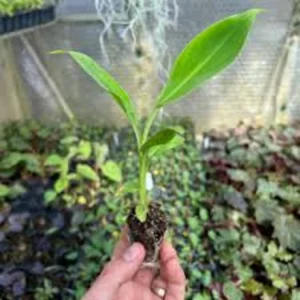
This Jaboticaba live plant is currently 1 to 2 feet tall, measured from the base of the pot to the top of the plant. It is shipped in a robust 3-gallon nursery pot, providing a strong root system for successful transplanting into your garden or a larger container. Jaboticaba trees are known for their slow to moderate growth rate, eventually reaching heights of 10-20 feet in ideal conditions, though they can be kept smaller with pruning. They begin fruiting within 5-8 years from seed, but our larger, established plants may fruit sooner. The tree’s dense, evergreen canopy provides year-round interest, and its unique fruiting pattern makes it a truly special tropical fruit plant.
Frequently Asked Questions
- Q: How big does this plant get? A: This Jaboticaba live plant is currently 1-2 feet tall. In optimal conditions, Jaboticaba trees can grow to be 10-20 feet tall, but they can be maintained at a smaller size with regular pruning, making them suitable for various garden spaces or large containers.
- Q: Is this an indoor or outdoor plant? A: The Jaboticaba is primarily an outdoor plant in USDA Zones 9-11. In colder climates, it can be grown outdoors during warm months and brought indoors to a bright location during winter, making it a versatile tropical fruit plant.
- Q: How much sunlight does it need? A: A Myrciaria cauliflora tree thrives in full sun to partial shade. For best fruit production, aim for at least 6 hours of direct sunlight daily. In very hot climates, some afternoon shade can be beneficial.
- Q: Is this plant easy to care for? A: While not entirely hands-off, the Jaboticaba is considered moderately easy to care for, especially once established. Consistent watering and appropriate fertilization are key to its health and productivity. Following guidelines on how to grow Jaboticaba will make it easier.
- Q: What condition will it arrive in? A: Your Jaboticaba live plant will arrive as a healthy, well-rooted specimen, 1-2 feet tall, securely shipped in its 3-gallon nursery pot, ready for planting.
- Q: When is the best time to plant? A: The best time to plant your Jaboticaba is in spring or early summer, after the last threat of frost has passed, allowing it ample time to establish before cooler weather.
- Q: What’s the minimum temperature this plant can tolerate? A: A mature Jaboticaba fruit tree can tolerate temperatures down to approximately 20°F (-6°C) for short periods. Young plants are more sensitive and should be protected from frost.
- Q: Can I grow this plant in a container? A: Yes, Jaboticabas are excellent candidates for container growing, especially in regions outside their hardiness zones. Use a large pot with good drainage and a high-quality potting mix.
- Q: How long until it produces fruit? A: Our established Jaboticaba live plant may begin fruiting sooner than those grown from seed. Typically, Jaboticabas start producing fruit within 5-8 years from seed, but a plant of this size could fruit in 1-3 years with proper care.
- Q: What does Jaboticaba fruit taste like? A: The fruit of the Myrciaria cauliflora tree is often described as tasting like a sweet grape with a pleasant sub-acid tang. The flavor can also have notes reminiscent of lychee, mangosteen, or passion fruit depending on ripeness.


Reviews
There are no reviews yet.