Overview
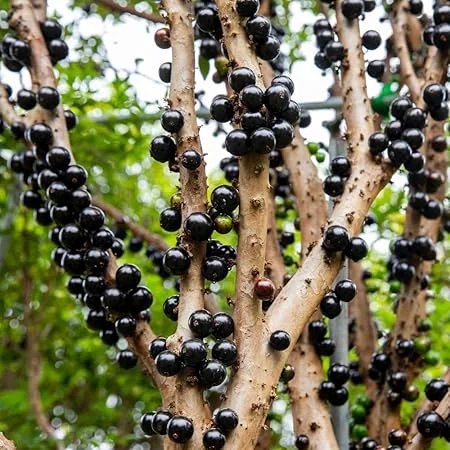
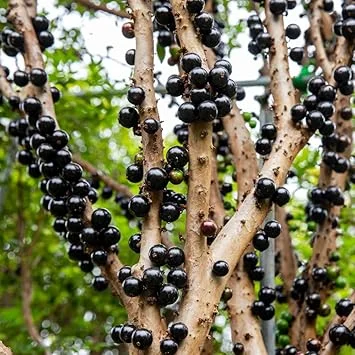
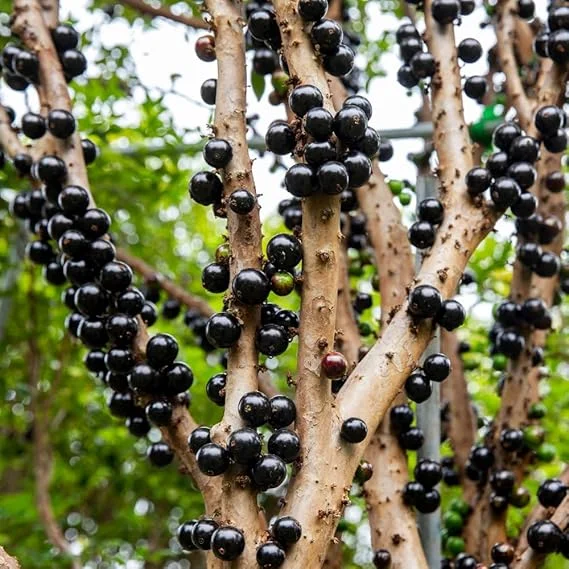
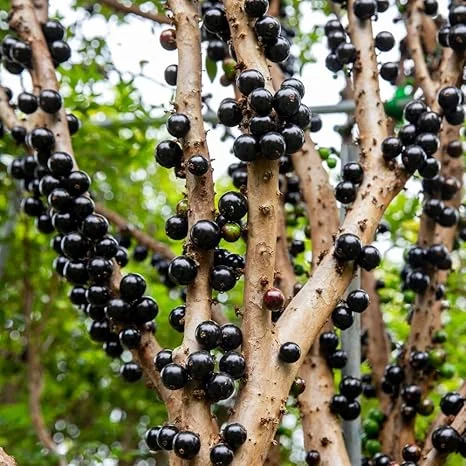
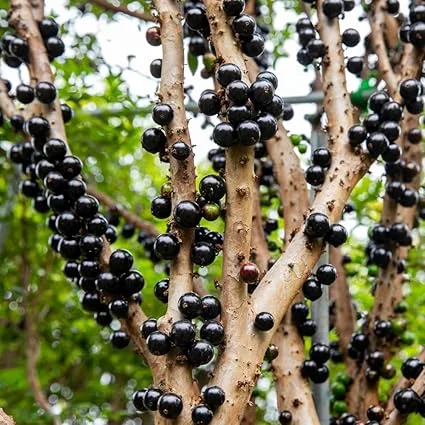
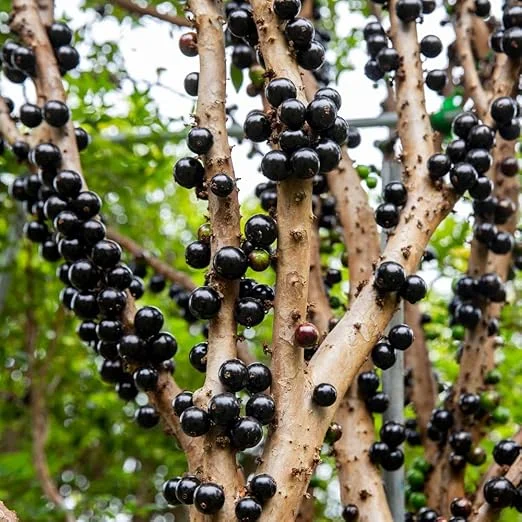
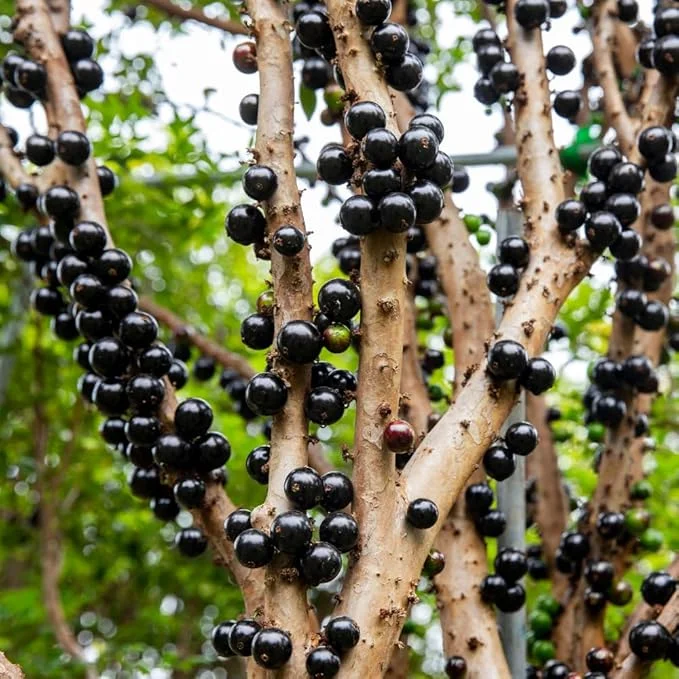
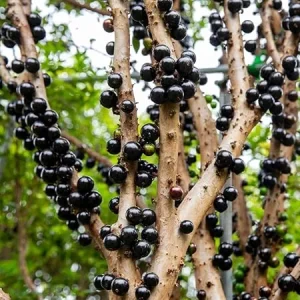
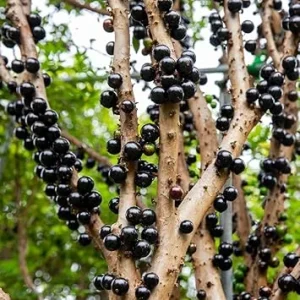
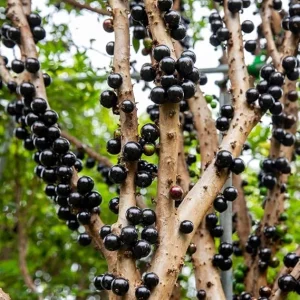
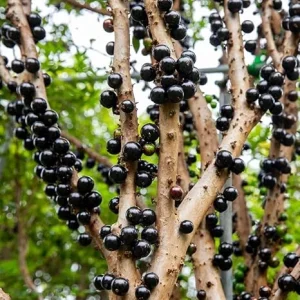
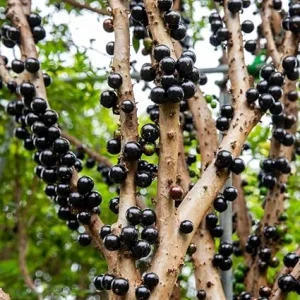
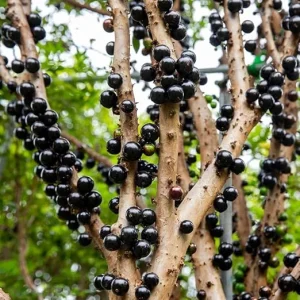
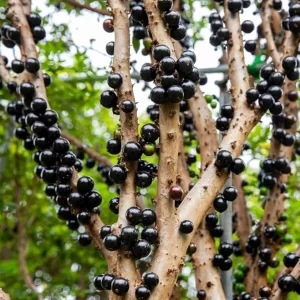
Discover the exotic beauty and delicious fruits of the jaboticaba tree live plant. Also known as Myrciaria cauliflora or Brazilian Grape Tree, this unique specimen is a must-have for any fruit enthusiast or garden lover. Unlike most fruit trees, the jaboticaba produces its sweet, grape-like fruits directly on the trunk and branches, creating a stunning visual display alongside its culinary appeal. Our jaboticaba tree live plant arrives at your doorstep healthy and ready to thrive, typically standing between 10 to 12 inches tall. This remarkable outdoor fruit plant is perfect for those looking to add an unusual and productive element to their landscape, offering both ornamental value and a bountiful harvest of fresh, delicious fruit. Cultivating a jaboticaba tree live plant allows you to enjoy a truly distinctive gardening experience.
The jaboticaba tree live plant is native to Brazil and is well-suited for warm climates. Its slow growth rate makes it an excellent choice for container gardening as well, allowing you to move it indoors during colder months if you live in a less tropical region. The tree’s dense, evergreen foliage adds year-round greenery to your outdoor space, while the periodic flushes of white flowers and subsequent purple-black fruits provide seasonal interest. This resilient plant is relatively low maintenance once established, making it a rewarding choice for both novice and experienced gardeners. Enjoy the unique experience of harvesting fresh, sweet fruit directly from the trunk of your very own jaboticaba tree live plant.
Key Benefits
The jaboticaba tree live plant offers a multitude of benefits, from its unique fruit production to its ornamental appeal, making it a valuable addition to your garden. Its distinctive growth habit and delicious harvest provide continuous enjoyment and aesthetic charm.
- Unique Fruit Production: The most striking feature of the jaboticaba is its cauliflorous habit, meaning it produces fruit directly on its trunk and main branches. These small, round, purple-black fruits are sweet and delicious, resembling grapes, and can be eaten fresh, made into jellies, jams, or wine.
- Ornamental Value: With its attractive, dense evergreen foliage and the unusual sight of fruit growing directly on the bark, the jaboticaba tree live plant serves as a beautiful focal point in any garden or patio. The white flowers that precede the fruit also add a delicate charm.
- Low Maintenance: Once established, this fruit tree is relatively low-maintenance. It is quite resilient to pests and diseases and does not require extensive pruning, making it an easy-care option for busy gardeners.
- Container Friendly: Due to its slow growth rate and manageable size, the jaboticaba tree live plant is an excellent choice for growing in large containers or raised beds. This allows for flexibility in placement and can be particularly beneficial in regions with cooler winters, where it can be moved indoors.
- Adaptable to Various Soils: While it prefers well-drained, slightly acidic soil, the jaboticaba is known to adapt to a range of soil types, including sandy, rocky, and rich soils, as long as drainage is adequate.
- Health Benefits: Jaboticaba fruits are rich in antioxidants, vitamins, and minerals, offering a healthy and fresh addition to your diet directly from your backyard.
Plant Care & Growing Tips
Caring for your jaboticaba tree live plant is straightforward, ensuring you can enjoy its unique fruits for years to come. Understanding its specific needs will help it thrive and produce abundantly. The main aspects of jaboticaba tree care revolve around sunlight, watering, soil, and temperature.
For optimal growth and fruit production, your jaboticaba tree live plant requires plenty of sunlight. It thrives in full sun, meaning at least 6-8 hours of direct sunlight per day. If growing in a container, choose a location on your patio or in your garden that receives ample sun exposure. When it comes to watering, jaboticabas prefer consistently moist soil, but never waterlogged. Water deeply and regularly, especially during dry periods and when the plant is fruiting. Ensure the soil has excellent drainage to prevent root rot. A good indicator for watering is to check the top inch or two of soil; if it feels dry, it’s time to water again. This consistent moisture is key for healthy growth and fruit development.
The ideal soil for a jaboticaba tree live plant is well-draining, slightly acidic, and rich in organic matter. A mix of loamy soil with compost or peat moss works well. While they can tolerate various soil types, good drainage is critical. For fertilization, use a balanced slow-release fertilizer, or an organic fruit tree fertilizer, applied every 2-3 months during the growing season (spring and summer). Reduce fertilization in fall and winter. The jaboticaba tree is relatively hardy and can withstand temperatures down to about 20-25°F (-4 to -7°C) for short periods, but it truly flourishes in warmer climates. Its USDA hardiness zone typically ranges from 9 to 11. Protect young plants from frost. Pests are rarely a major issue, but keep an eye out for common garden pests and treat with organic solutions if necessary. Proper jaboticaba tree care ensures a healthy and productive plant.
Size & Details
This jaboticaba tree live plant measures approximately 10 to 12 inches tall from the base of the root ball to the top of the foliage when shipped. It is typically delivered as a young, actively growing plant in a nursery pot, ready for transplanting into a larger container or directly into your garden. The growth rate of a jaboticaba tree is generally slow, especially in its early years, making it an ideal candidate for container cultivation where its size can be more easily managed. Over many years, mature trees can reach heights of 10-15 feet in optimal conditions, though they can be kept smaller with pruning.
The plant will arrive carefully packaged to ensure its health and vitality during transit. Expect your jaboticaba fruit tree to begin flowering and fruiting within a few years, depending on growing conditions and care. While it is a slow grower, its long lifespan means it will be a rewarding addition to your landscape for decades. This particular size is perfect for establishing a strong root system and adapting to its new environment, setting the stage for future abundant harvests of its distinctive fruits. Consider this a long-term investment in a unique and productive outdoor fruit plant.
Frequently Asked Questions
- Q: How big does this jaboticaba tree get? A: This jaboticaba tree live plant is 10 to 12 inches tall upon arrival. With proper care, it can eventually reach 10-15 feet in height, though its slow growth makes it suitable for keeping smaller in containers or with pruning.
- Q: Is this an indoor or outdoor plant? A: The jaboticaba tree live plant is primarily an outdoor plant. It thrives in warm climates and full sun. If you live in a region with cold winters, it can be grown in a large container and moved indoors to a sunny location during the colder months.
- Q: How much sunlight does it need? A: A jaboticaba tree live plant requires full sun exposure, meaning at least 6-8 hours of direct sunlight per day, for optimal growth and fruit production.
- Q: What condition will the plant arrive in? A: Your jaboticaba tree live plant will arrive as a healthy, actively growing specimen in a nursery pot, carefully packaged to ensure its safe journey and readiness for planting.
- Q: Is this plant easy to care for? A: Yes, once established, the jaboticaba tree care is relatively low-maintenance. It’s resilient to most pests and diseases and doesn’t require extensive pruning, making it suitable for various gardening skill levels.
- Q: How long until it blooms and fruits? A: While this is a young jaboticaba tree live plant, with good care, you can expect it to start flowering and producing fruit within a few years of planting. Fruiting typically occurs several times a year in warm climates.
- Q: What’s the best time to plant a jaboticaba tree? A: The best time to plant a jaboticaba tree live plant is in spring or early summer, allowing it ample time to establish its root system before cooler weather arrives. If container growing, it can be planted any time indoors.
- Q: Will it survive winter in my zone? A: The jaboticaba tree live plant is best suited for USDA Zones 9-11. If you are in a colder zone, it is recommended to grow it in a container so it can be brought indoors during winter to protect it from frost.
- Q: What kind of soil does a jaboticaba tree prefer? A: This jaboticaba fruit tree thrives in well-draining, slightly acidic soil that is rich in organic matter. Good drainage is crucial to prevent root issues.
- Q: Can I really eat the fruit directly from the tree? A: Absolutely! The fruits of the jaboticaba tree live plant are delicious and meant to be eaten fresh straight from the trunk. They have a sweet, grape-like flavor.


Reviews
There are no reviews yet.