Overview
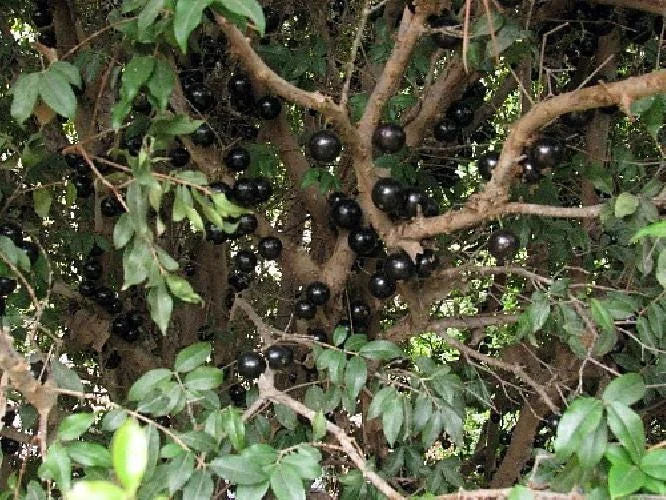
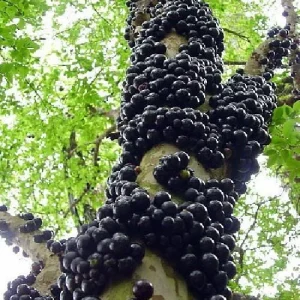
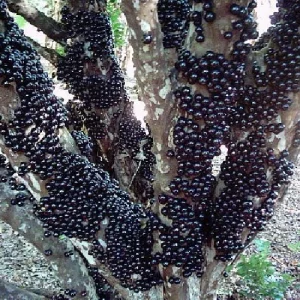
Discover the fascinating world of exotic fruits with our jabuticaba fruit tree, a truly remarkable live plant that promises an abundance of delicious, grape-like berries. Known botanically as Myrciaria cauliflora, and often referred to as the brazilian grape tree, this plant stands out for its unique cauliflorous habit—meaning its flowers and fruits emerge directly from the trunk and mature branches. This jabuticaba live plant comes in a 6-inch pot, ready to thrive in your home or garden, transforming your space with its distinctive beauty and edible bounty. Native to southern Brazil, the Jabuticaba is a relative of the guava and true myrtle, thriving in warm climates but adaptable to patio or indoor growing in USDA zones 10 and above.
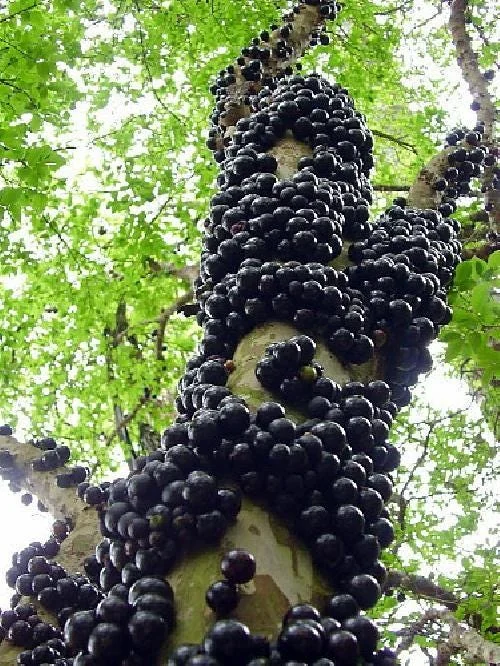
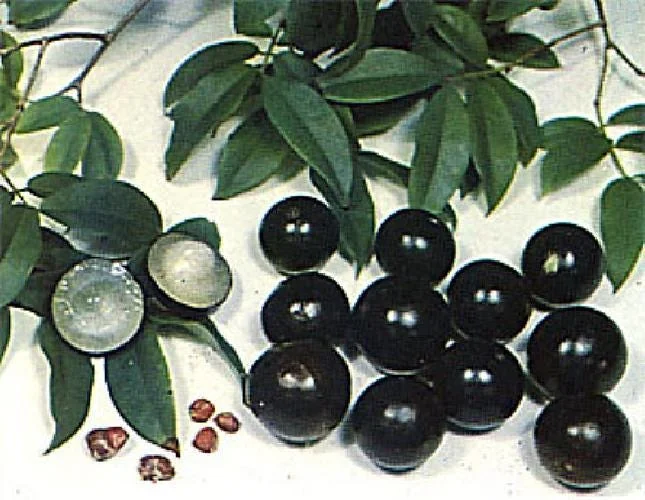
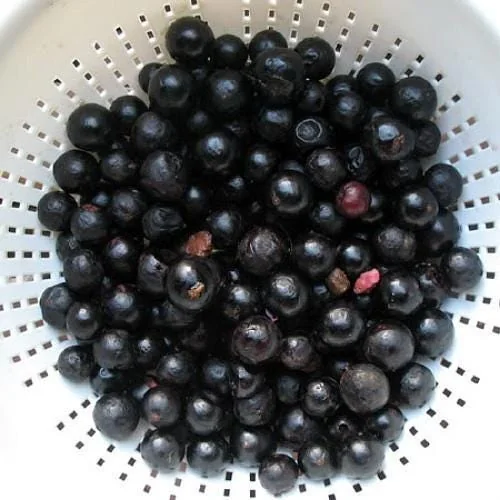
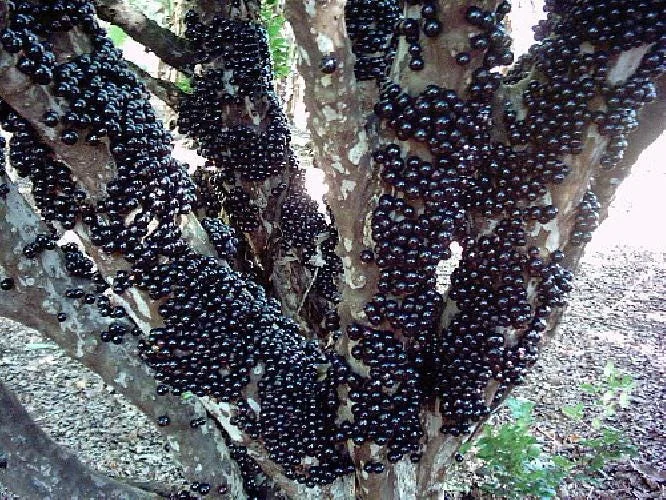
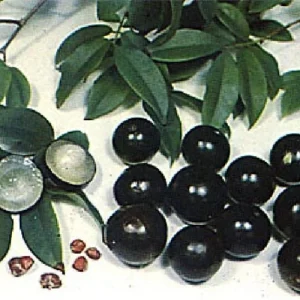
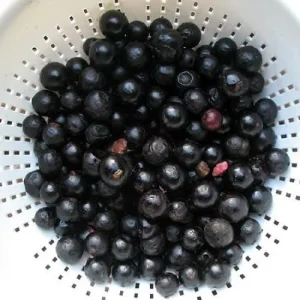
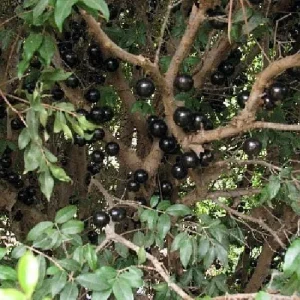
The Jabuticaba is an evergreen tree with smooth, creamy tan bark that peels in soft gray patches, adding to its visual appeal. Its new leaves emerge pinkish before maturing to a light to medium green. Blooming several times a year during warmer months, the delicate white flowers cluster along the woody parts of the tree, quickly developing into globular, edible purple berries. These fruits are not only visually striking but also incredibly versatile, perfect for fresh eating, preserves, or even ice cream, offering a unique flavor experience unlike any other fruit bearing tree.
Key Benefits
Owning a jabuticaba fruit tree offers a multitude of benefits, from its ornamental value to its delicious yield. This unique plant is a conversation starter and a rewarding addition to any plant collection, providing fresh, exotic fruit right at your fingertips. The brazilian grape tree is truly a special specimen.
- Exotic Fruit Production: Enjoy fresh, delicious purple berries directly from your tree, perfect for snacking, making jams, or adding to desserts. This fruit bearing tree offers a unique culinary experience.
- Unique Ornamental Value: The cauliflorous growth habit, with fruit growing directly on the trunk, makes this tree a stunning focal point in any garden, patio, or indoor setting. Its peeling bark and evergreen foliage add year-round interest.
- Multiple Harvests: The Jabuticaba blooms and fruits multiple times a year during warm periods, ensuring a continuous supply of fresh produce.
- Adaptable Growth: While preferring warm climates, the jabuticaba live plant can be successfully grown in containers, allowing it to be brought indoors during colder months, making it suitable for a wider range of gardeners.
- Relatively Low Maintenance: Once established, this tree is quite resilient and rewarding to care for, requiring consistent watering and protection from freezing temperatures.
- Educational Experience: Growing a myrciaria cauliflora provides an excellent opportunity to learn about unique plant biology and tropical fruit cultivation.
- Air Purification: Like many live plants, the Jabuticaba contributes to a healthier indoor environment by naturally improving air quality.
Plant Care & Growing Tips
Caring for your jabuticaba fruit tree is a rewarding experience that ensures a bountiful harvest of its distinctive fruits. This brazilian grape tree thrives with proper attention to its environmental needs. It prefers partial shade but can tolerate full sun if kept consistently well-watered. When growing indoors or on a patio, ensure it receives at least 4-6 hours of bright, indirect light daily. In very hot climates, some afternoon shade is beneficial to prevent leaf scorch. Remember that this fruit bearing tree is native to tropical regions and requires warmth.
Consistent watering is crucial for the Jabuticaba. The soil should be kept moist but not waterlogged, especially during flowering and fruiting periods. Allow the top inch or two of soil to dry slightly between waterings. Well-draining soil is essential to prevent root rot. A slightly acidic to neutral soil pH (5.5-6.5) is ideal. Fertilize regularly during the growing season with a balanced, slow-release fertilizer formulated for fruit trees. Protect your jabuticaba live plant from freezing temperatures, bringing it indoors or providing frost protection if temperatures drop below 30°F (-1°C). This myrciaria cauliflora is hardy in USDA zones 10 and above, making indoor or patio cultivation necessary in colder regions. Pruning is generally minimal, focused on shaping the tree and removing any dead or diseased branches.
Size & Details
This jabuticaba fruit tree is supplied as a thriving live plant in a 6-inch nursery pot, ready for transplanting or continued growth in its current container. Young trees typically range from 12 to 24 inches in height upon arrival, with a moderate growth rate, eventually reaching 10-20 feet tall in ideal conditions when planted in the ground, though they can be kept smaller in containers. The unique characteristic of this fruit bearing tree is its ability to fruit directly on its trunk and branches, often within a few years of planting. From flower to ripe fruit, the process can take as little as three weeks, offering rapid gratification for the patient gardener. The edible purple berries typically measure 3/4 to 1 1/2 inches in diameter. Your jabuticaba live plant will arrive carefully packaged to ensure its health and vitality.
Frequently Asked Questions
- Q: How big does this jabuticaba fruit tree get? A: In optimal conditions planted in the ground, a Jabuticaba tree can grow 10-20 feet tall. When grown in a container, its size can be managed through pruning and pot size, typically reaching 5-10 feet.
- Q: What size pot does the jabuticaba live plant come in? A: This plant is shipped in a 6-inch nursery pot, providing a good start for its growth. You can choose to keep it in this pot for a while or transplant it into a larger container.
- Q: Is this an indoor or outdoor plant? A: The brazilian grape tree can be grown outdoors in USDA zones 10 and above. In colder climates, it is best grown in a container on a patio and brought indoors during winter to protect it from freezing temperatures.
- Q: How much sunlight does the myrciaria cauliflora need? A: Jabuticaba trees prefer partial shade but can tolerate full sun if kept consistently well-watered. When grown indoors, provide bright, indirect light for at least 4-6 hours daily.
- Q: Is this plant easy to care for? A: Yes, once established, the jabuticaba fruit tree is relatively low-maintenance. Its main requirements are consistent watering, protection from frost, and good drainage. It is a rewarding plant for gardeners of all levels.
- Q: What condition will the jabuticaba live plant arrive in? A: Your plant will arrive healthy and well-packaged, carefully secured in its nursery pot to minimize stress during transit. We take great care to ensure it reaches you in excellent condition.
- Q: Can I use the fruit from this fruit bearing tree in cooking? A: Absolutely! The purple berries are delicious fresh, and can also be used to make preserves, jellies, juices, or incorporated into ice creams and other desserts.
- Q: How long until it starts producing fruit? A: Jabuticaba trees can start fruiting within a few years of planting, especially if grown from a well-established young plant. From flowering to ripe fruit, the process is remarkably quick, often just three weeks.
- Q: What’s the minimum temperature this brazilian grape tree can tolerate? A: This tropical plant must be protected from freezing temperatures. It can tolerate brief dips to around 30°F (-1°C), but sustained cold will damage or kill the tree.
- Q: What kind of soil is best for a jabuticaba fruit tree? A: Jabuticaba prefers slightly acidic to neutral, well-draining soil. A good quality potting mix with added perlite or sand for drainage is recommended for container growing.


Reviews
There are no reviews yet.