Overview
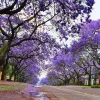
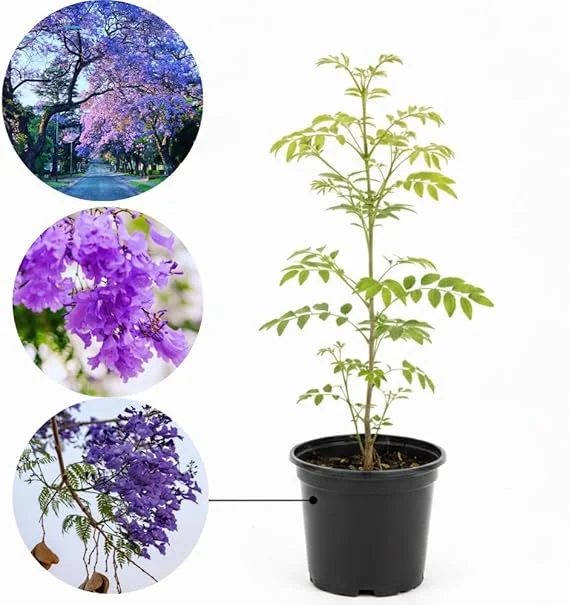
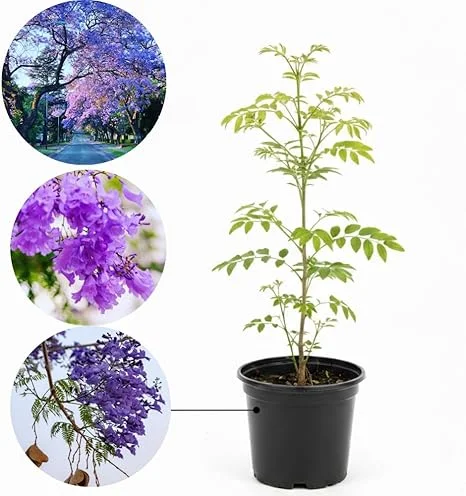
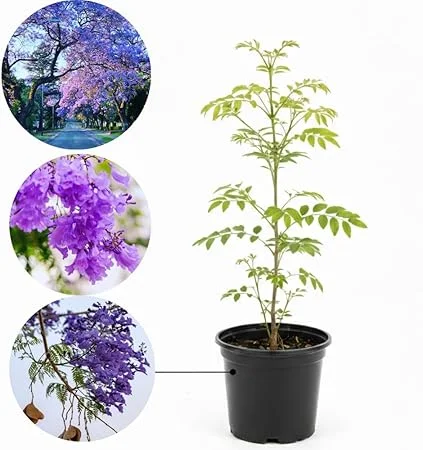
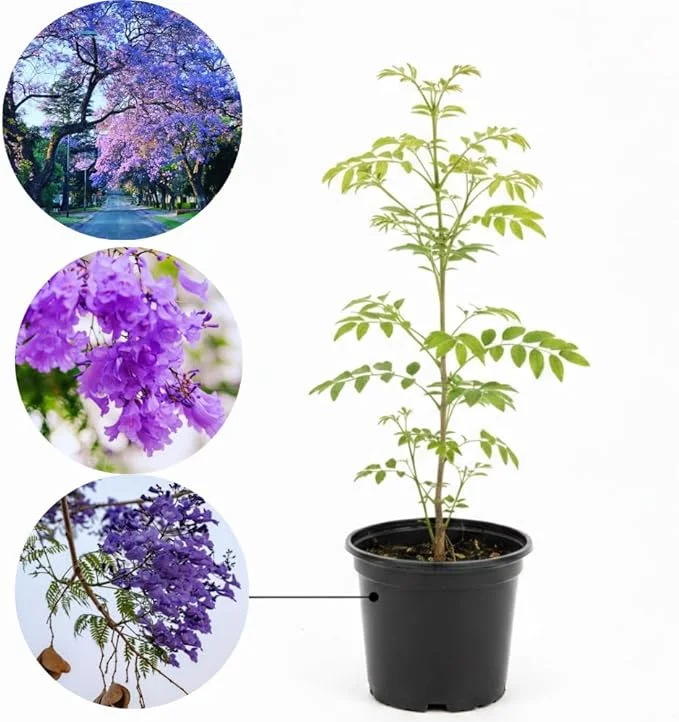
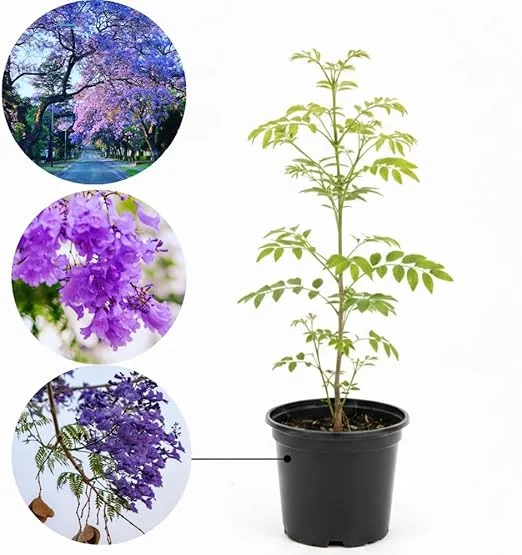
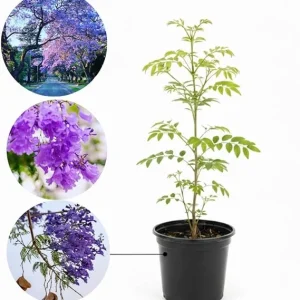
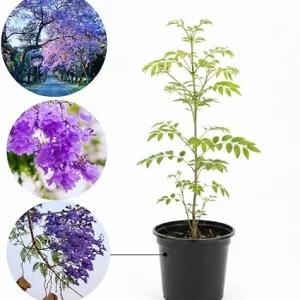
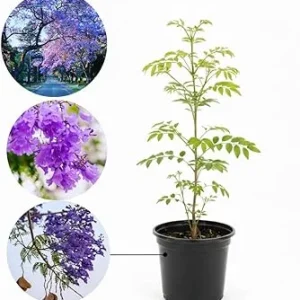
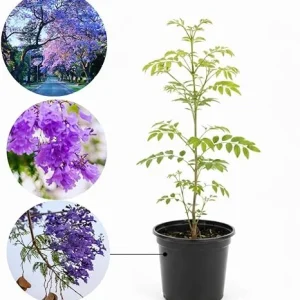
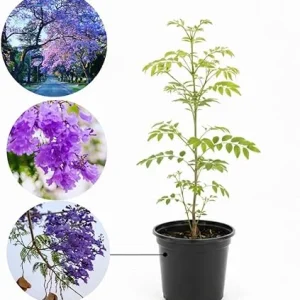
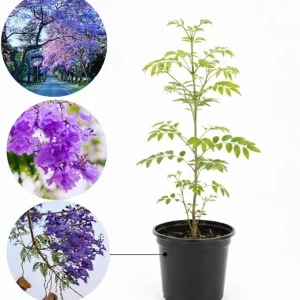
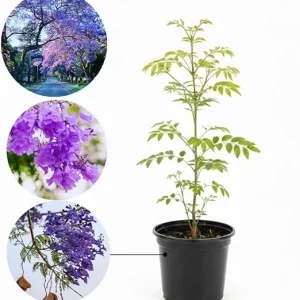
Introduce a touch of tropical splendor to your landscape with this exquisite jacaranda live plant. Known for its breathtaking display of lavender-purple flowers, the Jacaranda tree (Jacaranda mimosifolia) is a highly sought-after ornamental species that transforms any setting into a vibrant paradise. This young live plant, measuring 6 to 9 inches tall, offers the perfect starting point for cultivating a magnificent flowering tree. Originating from South America, the Jacaranda is celebrated globally for its showy, trumpet-shaped blooms that emerge in clusters, creating a stunning canopy of color. Whether you’re an experienced gardener or a budding enthusiast, growing a Jacaranda tree promises years of visual delight and a spectacular seasonal show. Its delicate, fern-like foliage provides a lovely texture even when not in bloom, making it an attractive addition to any outdoor space. This particular specimen is a healthy, vigorous start, ready to establish itself and grow into a majestic garden feature.
The beauty of the purple jacaranda tree is truly unparalleled, making it a focal point in any garden design. It’s not just a plant; it’s an investment in future beauty and shade, perfect for creating a serene and picturesque environment. The tree’s fast growth rate in ideal conditions means you won’t have to wait long to witness its impressive development and eventual flowering. Its adaptability to various warm climates further enhances its appeal, ensuring that with proper care, it can flourish in many regions. This live plant offers a unique opportunity to nurture a living masterpiece from its early stages, connecting you directly with nature’s incredible cycles. Get ready to enjoy the enchanting spectacle of falling purple petals that blanket the ground, a signature characteristic of this beloved tree.
Key Benefits
Cultivating a jacaranda live plant offers a multitude of benefits, enhancing both the aesthetic and ecological value of your outdoor space. This ornamental tree is a true garden gem, providing a stunning visual impact that can elevate any landscape.
- Spectacular Purple Blooms: Enjoy a magnificent display of vibrant lavender-purple, trumpet-shaped flowers that blanket the tree in season, creating an unforgettable visual spectacle.
- Excellent Ornamental Value: Beyond its flowers, the tree features attractive fern-like foliage, providing year-round beauty and a graceful silhouette even when not in bloom.
- Attracts Pollinators: The abundant flowers serve as a valuable nectar source for bees, butterflies, and hummingbirds, supporting local ecosystems and biodiversity.
- Provides Shade and Beauty: As it matures, the Jacaranda tree develops a broad, spreading canopy, offering welcome shade during hot summer months while adding significant aesthetic appeal to your property.
- Low Maintenance: Once established, Jacaranda trees are relatively low-maintenance, requiring minimal care beyond initial planting and watering, making them suitable for busy gardeners.
- Adaptable to Warm Climates: Thrives in USDA Hardiness Zones 9-11, making it an ideal choice for gardeners in warmer regions looking for a reliable and beautiful flowering tree.
- Enhances Property Value: A well-grown and healthy Jacaranda tree can significantly boost the curb appeal and overall value of your home, creating a stunning landscape feature.
Plant Care & Growing Tips
Ensuring the success of your jacaranda live plant involves understanding its specific needs, especially concerning sunlight, soil, and watering. Jacarandas are sun-loving trees, requiring at least six hours of direct sunlight per day to thrive and produce their abundant blooms. Choose a location in your garden that receives full sun exposure throughout the day. While young plants can tolerate some partial shade, mature trees will flower best in unhindered sunlight. When it comes to soil, well-drained soil is paramount. Jacarandas do not tolerate soggy conditions, which can lead to root rot. A sandy loam or a loamy soil enriched with organic matter is ideal. Ensure your planting site has good drainage, or consider amending heavy clay soils with compost and sand to improve permeability. This creates the optimal environment for healthy root development and overall plant vitality.
Watering is crucial, especially for young ornamental jacaranda trees. During its first year, water regularly to keep the soil consistently moist but not waterlogged. As the tree matures, it becomes more drought-tolerant but will benefit from deep watering during prolonged dry spells. Reduce watering in the fall as the tree prepares for dormancy. The ideal temperature range for Jacarandas is above 20°F (-6°C), making them suitable for USDA Hardiness Zones 9-11. In colder zones, they can be grown in large containers and brought indoors during winter, though their growth and flowering may be limited. Fertilize young trees with a balanced, slow-release fertilizer in spring to encourage robust growth. Established trees generally don’t require heavy fertilization, but a light feeding can support flowering. Watch out for common pests like aphids and scale, and treat them with horticultural oil or insecticidal soap if necessary. Proper pruning in late winter or early spring can help shape the tree and remove any dead or crossing branches, contributing to its health and aesthetic appeal. This attention to detail will ensure your flowering tree for warm climates flourishes.
Size & Details
This offering is for one jacaranda live plant, currently standing at a healthy 6 to 9 inches tall. These young trees are provided in a nursery pot, ready for transplanting into a larger container or directly into your garden. While compact now, the Jacaranda mimosifolia is known for its vigorous growth. When mature, it can reach an impressive height of 30 to 50 feet with a similar spread, forming a beautiful, wide canopy. The initial growth rate is moderate, allowing you to enjoy its development over time. Expect the first significant blooms to appear once the tree is several years old and well-established, typically around 5-7 years, although this can vary based on growing conditions. The plant arrives with well-developed roots, ensuring a strong start in its new environment. Its delicate, bipinnate leaves provide an elegant texture even before the stunning purple flowers emerge, making it a desirable addition to any landscape.
Frequently Asked Questions
- Q: How big does this plant get? A: This jacaranda live plant is currently 6 to 9 inches tall. When mature, a Jacaranda tree can reach heights of 30 to 50 feet and spread equally wide, creating a substantial canopy.
- Q: Is this an indoor or outdoor plant? A: While young plants can be kept indoors temporarily in bright light, the Jacaranda is primarily an outdoor tree. It thrives in warm climates and requires full sun exposure to flourish and bloom.
- Q: How much sunlight does it need? A: This ornamental tree requires full sun, meaning at least 6 hours of direct sunlight per day, to ensure vigorous growth and abundant flowering.
- Q: Is this plant easy to care for? A: Once established, the purple jacaranda tree is considered relatively low-maintenance. It requires consistent watering as a young plant but becomes more drought-tolerant with age.
- Q: What condition will it arrive in? A: Your live plant will arrive carefully packaged in a nursery pot, with its root ball intact and protected, ready for planting.
- Q: How long until it blooms? A: Jacaranda trees typically begin to produce their stunning purple flowers once they are several years old and well-established, usually between 5 to 7 years after planting from this size.
- Q: Will it survive winter in my zone? A: This flowering tree for warm climates is best suited for USDA Hardiness Zones 9-11, where temperatures generally do not drop below 20°F (-6°C).
- Q: What’s the best soil for a Jacaranda? A: Jacarandas prefer well-drained soil, such as a sandy loam. Good drainage is crucial to prevent root rot, so avoid heavy, compacted soils.
- Q: Can I grow a jacaranda tree in a container? A: Yes, a young jacaranda live plant can be grown in a large container. However, for it to reach its full potential and bloom profusely, it is best planted directly in the ground in suitable climates.
- Q: What is the expected blooming period? A: Jacaranda trees typically bloom in late spring to early summer, covering the tree in a spectacular display of purple flowers. Some varieties may have a second, smaller bloom in the fall.


Reviews
There are no reviews yet.