
Overview
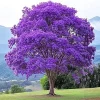
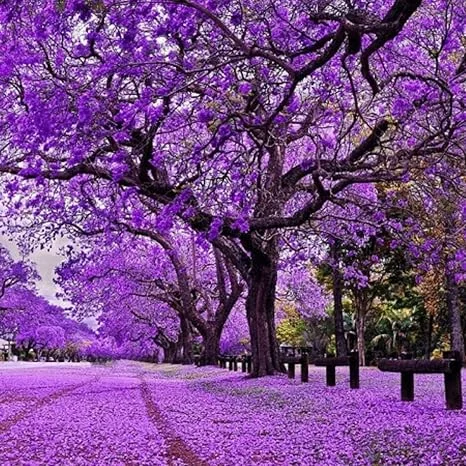
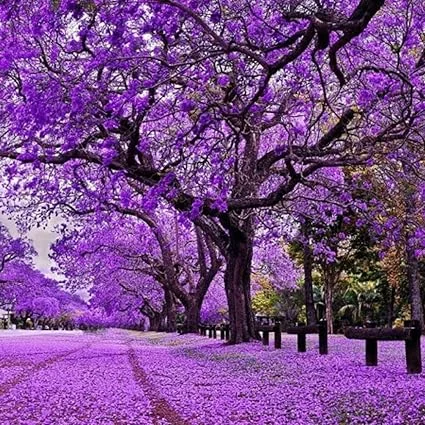
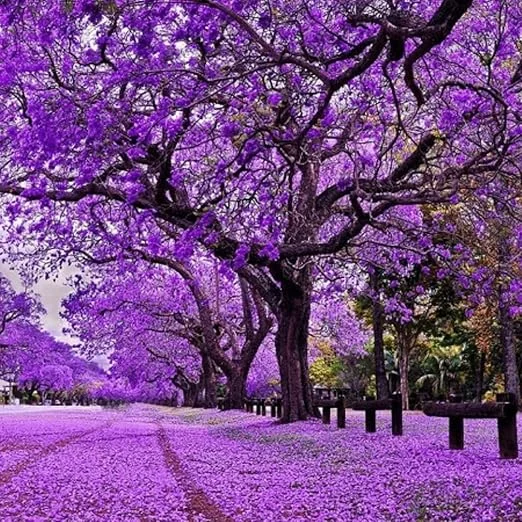
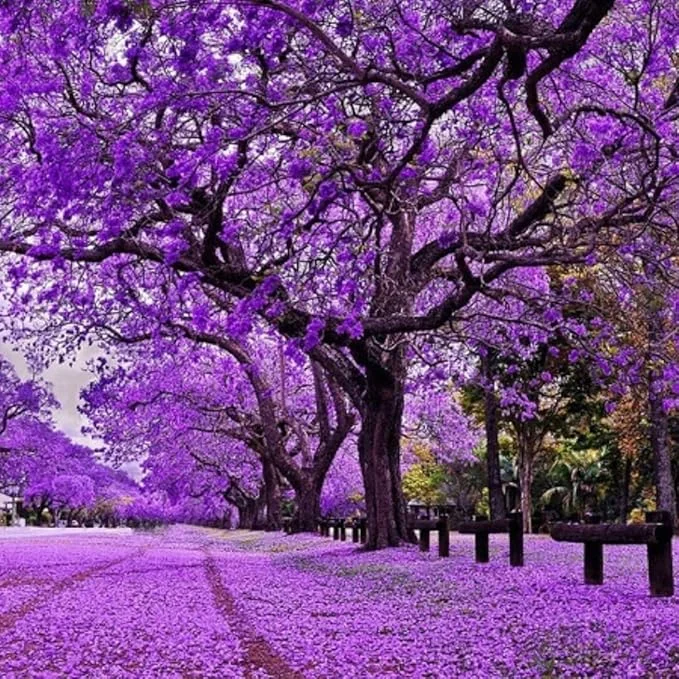
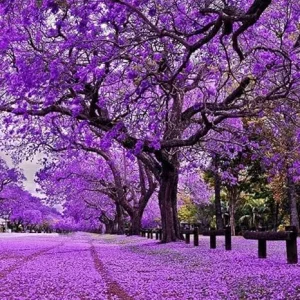
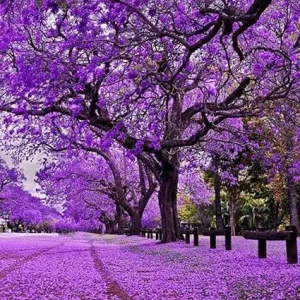
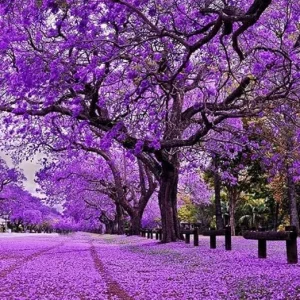
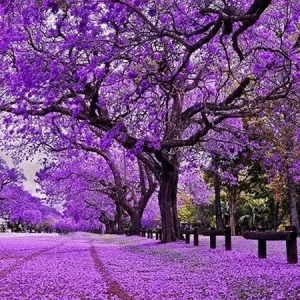
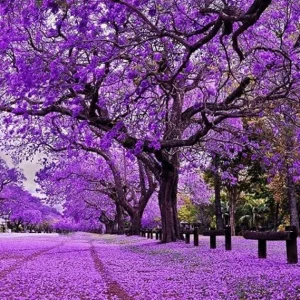
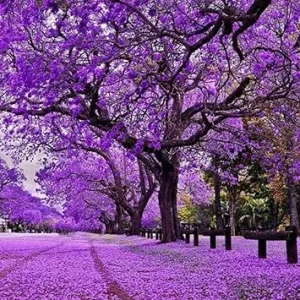
Introduce breathtaking beauty to your landscape with the magnificent jacaranda live tree plant. Known for its spectacular display of vibrant purple-blue, trumpet-shaped flowers, the Jacaranda mimosifolia transforms any garden into a tropical paradise. This live specimen arrives ready to plant, standing at a healthy 6-10 inches tall, perfect for establishing in your outdoor space. Often referred to simply as the Jacaranda tree, it is cherished for its graceful, fern-like foliage and an explosion of color that blankets the tree and the ground beneath during its bloom season. If you’re searching for an outdoor flowering tree that makes a statement, the Jacaranda is an unparalleled choice, bringing an exotic flair to your home garden.
Originating from South America, the Jacaranda tree has found popularity in warm climates worldwide, celebrated for its ornamental value. Our jacaranda live tree plant offers an opportunity to grow this iconic species right in your yard. It’s an excellent option for those looking to add a unique and visually striking element to their garden design, creating a focal point with its stunning floral canopy. This young plant is ideal for planting in a variety of settings, from a standalone specimen to an avenue tree, promising years of spectacular blooms.
Key Benefits
Beyond its undeniable aesthetic appeal, the jacaranda live tree plant offers several benefits that make it a highly desirable addition to any garden. Its unique characteristics contribute to both the beauty and ecological value of your outdoor environment:
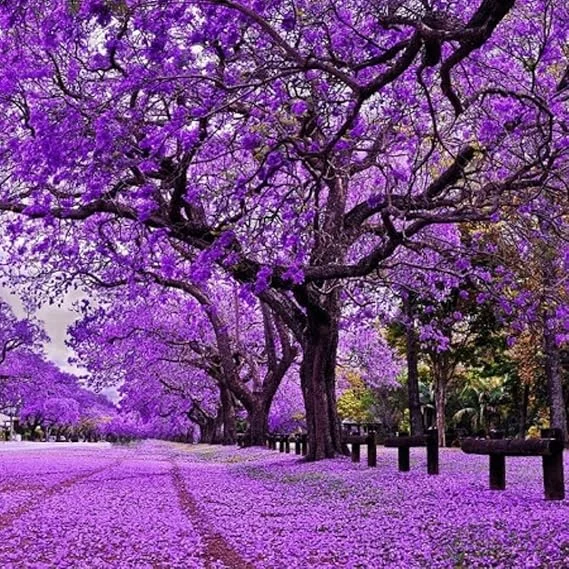
- Stunning Seasonal Blooms: The Jacaranda tree is most famous for its profuse clusters of lavender-blue flowers that appear in late spring to early summer, creating a canopy of color that is truly unforgettable. This vibrant display can last for several weeks, providing a dramatic visual impact.
- Elegant Foliage: Even when not in bloom, the tree boasts delicate, fern-like, bipinnately compound leaves that provide a soft, airy texture and attractive green backdrop throughout the growing season.
- Excellent Shade Tree: As it matures, the Jacaranda develops a broad, spreading canopy, offering ample shade during hot summer months, making it perfect for patios, garden borders, or as a street tree.
- Attracts Pollinators: The nectar-rich flowers are a magnet for bees, butterflies, and hummingbirds, contributing to the biodiversity and health of your garden ecosystem.
- Low Maintenance for Gardeners: Once established, this jacaranda live tree plant is surprisingly low-maintenance, requiring minimal care beyond regular watering during dry spells and occasional pruning. This makes it suitable for both experienced and beginner gardeners.
- Drought Tolerance: While it appreciates consistent moisture, mature Jacaranda trees are relatively drought-tolerant, making them a resilient choice for various climates within their hardiness zones.
- Versatile Landscape Use: The tree’s aesthetic appeal and moderate size make it suitable for a variety of landscape applications, including specimen planting, street trees, or in a mixed border.
Plant Care & Growing Tips
To ensure your jacaranda live tree plant thrives and produces its iconic lavender blossoms, understanding its specific care requirements is essential. Jacarandas flourish in warm climates and require proper attention, especially during their establishment phase. Providing the right conditions will lead to a healthy, vibrant tree that enhances your garden for years to come. This guide will help you with proper jacaranda tree care.
Sunlight: Jacaranda trees absolutely love the sun. They require at least six to eight hours of direct sunlight per day to produce the most abundant blooms. Plant your tree in a location that receives full sun exposure throughout the day. While it can tolerate some partial shade, too little sun will result in fewer flowers and leggy growth. For optimal growth and flowering, ensure it’s in the brightest spot in your garden.
Watering: During its first few years, consistent watering is crucial for establishing a strong root system. Water deeply two to three times a week, especially during dry periods, ensuring the soil remains consistently moist but not waterlogged. Once established, the tree becomes more drought-tolerant, but still benefits from occasional deep watering during extended dry spells. Overwatering can lead to root rot, so always check the soil moisture before watering again. The tree prefers moderate watering, adapting well to a balanced approach.
Soil: Jacarandas prefer well-drained soil. A sandy loam soil that is rich in organic matter is ideal. They can tolerate a range of soil types, but heavy clay soils that retain too much moisture should be amended with compost or gravel to improve drainage. Good drainage is paramount to prevent root diseases. The ideal pH range is slightly acidic to neutral (6.0-7.0).
Temperature & Hardiness: The Jacaranda is a warm-climate tree, best suited for USDA Hardiness Zones 9-11. It is sensitive to frost, especially when young. In areas with occasional light freezes, young trees may need protection. Mature trees can withstand brief dips in temperature but prefer consistently warm conditions. This makes it an excellent outdoor flowering tree for regions with mild winters.
Fertilization: Feed your young Jacaranda tree with a balanced, slow-release fertilizer in early spring to encourage strong growth. Once mature, fertilization is typically not necessary unless the soil is very poor or the tree shows signs of nutrient deficiency. Avoid high-nitrogen fertilizers, as they can promote leafy growth at the expense of flowers. A general-purpose fertilizer with a slightly higher phosphorus content can encourage blooming.
Pruning: Prune your purple jacaranda tree in late winter or early spring before new growth begins. Focus on removing any dead, damaged, or crossing branches. You can also prune to shape the tree and maintain its structure, but avoid excessive pruning, as it can reduce the number of flowers in the following season. Regular maintenance pruning will help maintain a strong and attractive form.
Size & Details
This jacaranda live tree plant arrives as a young, vibrant specimen, typically standing 6-10 inches tall from the base of the root ball to the top of the foliage. At this stage, it is perfectly sized for transplanting into your garden or a larger container, allowing it to establish its roots and begin its journey towards maturity. Jacarandas are known for their moderate to fast growth rate, especially in ideal conditions. A mature Jacaranda tree can reach heights of 25-50 feet with a similar spread, forming a beautiful, umbrella-shaped canopy. The plant is shipped as a live, rooted specimen, ready for immediate planting upon arrival. While it may take a few years for your young tree to produce its first significant bloom, the wait is well worth it for the spectacular display of purple-blue flowers that will eventually grace your landscape. Expect the most prolific blooms once the tree is well-established, typically after 3-5 years.
Frequently Asked Questions
- Q: How big does this jacaranda live tree plant get? A: This young plant arrives 6-10 inches tall. A mature Jacaranda tree can reach an impressive height of 25-50 feet with a spread of 20-40 feet, forming a wide, rounded canopy.
- Q: Is this an indoor or outdoor plant? A: The Jacaranda tree is primarily an outdoor plant, thriving in full sun and warm climates. It is hardy in USDA zones 9-11 and is not typically grown as an indoor houseplant due to its size and light requirements.
- Q: How much sunlight does a jacaranda tree need? A: For optimal growth and a stunning display of purple-blue flowers, a jacaranda live tree plant needs at least 6-8 hours of direct full sun exposure every day.
- Q: Is this jacaranda plant easy to care for? A: Once established, the Jacaranda tree is considered low-maintenance. It requires consistent watering during its youth but becomes more drought-tolerant as it matures, making jacaranda tree care relatively straightforward for gardeners of all levels.
- Q: What condition will the jacaranda plant arrive in? A: Your jacaranda plant for sale will arrive as a healthy, live, rooted specimen, carefully packaged to ensure its safety during transit and ready for planting in your garden.
- Q: How long until my jacaranda tree blooms? A: While this young plant is beautiful, it typically takes 3-5 years for a Jacaranda tree to reach blooming maturity and produce its first significant display of the iconic purple-blue flowers.
- Q: Will a purple jacaranda tree survive winter in my zone? A: This tree is best suited for USDA Hardiness Zones 9-11. In these zones, it will generally survive winter without special protection. In colder zones, it will not tolerate freezing temperatures.
- Q: What type of soil is best for a jacaranda tree? A: Jacarandas prefer well-draining soil, ideally a sandy loam enriched with organic matter. Good drainage is crucial to prevent root issues.
- Q: Can I grow this jacaranda in a large pot? A: While you can start a young jacaranda live tree plant in a large pot, it will eventually outgrow it. For long-term health and growth to its full size, it is best planted directly in the ground.
- Q: What is the best time to plant a jacaranda tree? A: The best time to plant a Jacaranda tree is in spring or early summer, after the last frost, to give it ample time to establish its root system before winter.


Reviews
There are no reviews yet.