Overview
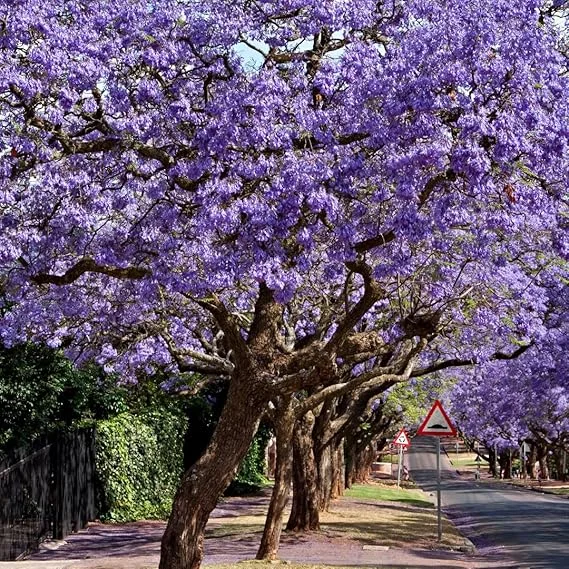
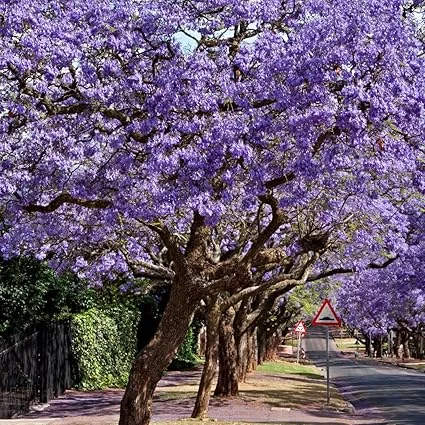
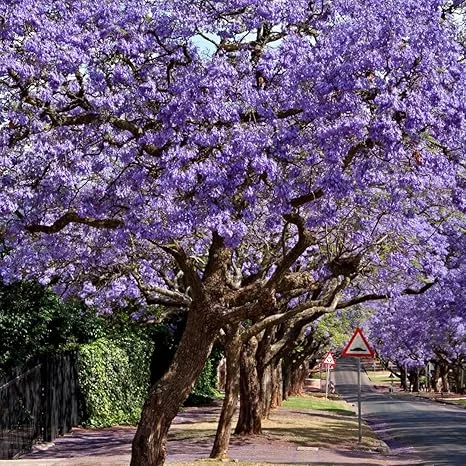
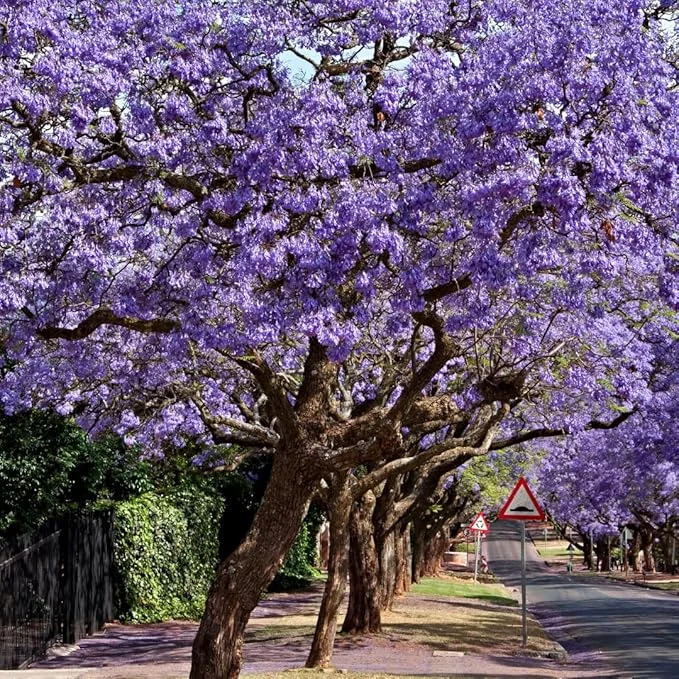
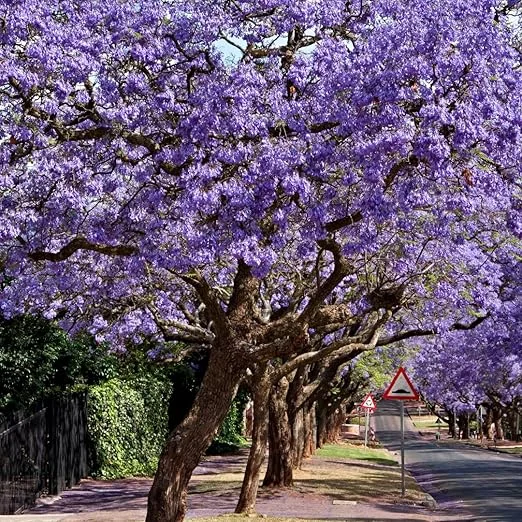
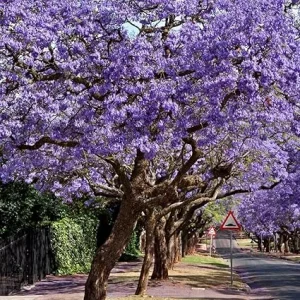
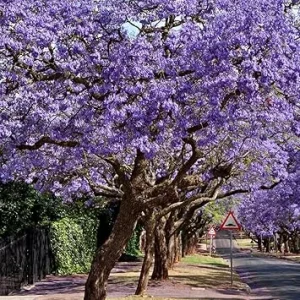
Experience the breathtaking beauty of a Jacaranda tree live plant, a magnificent addition to any garden or landscape. Known for its spectacular display of trumpet-shaped, lavender-blue to purple flowers, the Jacaranda transforms outdoor spaces into a vibrant oasis during its blooming season. This particular offering is a healthy, young specimen, measuring 8 to 10 inches in height, ready to establish itself and grow into a majestic shade tree. The Jacaranda, scientifically known as Jacaranda mimosifolia, is celebrated for its fern-like foliage, which provides a delicate texture even when not in bloom. Perfect for those looking to create a stunning focal point or a beautiful tree-lined avenue, this Jacaranda tree live plant promises years of visual delight and impressive growth.
Originating from South America, the Jacaranda tree has found its way into gardens across the globe, especially in warmer climates. Its rapid growth and striking floral show make it a popular choice for both residential and public landscapes. When established, this tree offers generous shade and a unique aesthetic appeal that is hard to match. Prepare to be captivated by the sheer volume of purple blossoms that cascade from its branches, creating a carpet of color as they fall.
Key Benefits
Investing in a Jacaranda tree live plant brings numerous advantages to your outdoor environment. Its unique characteristics make it a standout choice for gardeners and landscape enthusiasts alike. Here are some of the key benefits:
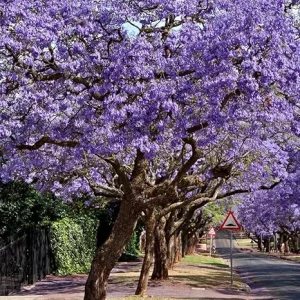
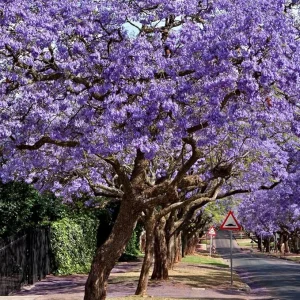
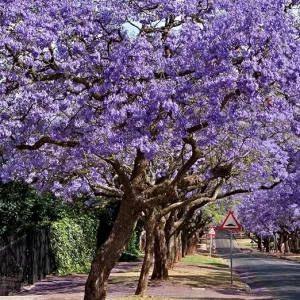
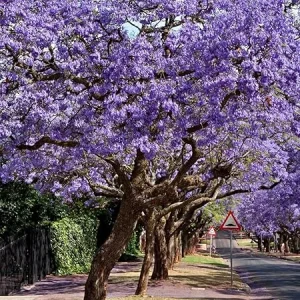
- Spectacular Floral Display: The primary allure of the Jacaranda is its stunning, profuse purple blooms that cover the tree in spring and early summer, creating an unforgettable visual impact. This makes it a perfect specimen tree for adding dramatic color to your garden.
- Attractive Foliage: Even outside of its blooming period, the finely textured, fern-like leaves of the purple Jacaranda tree offer an elegant and exotic appeal, providing light, dappled shade.
- Fast Growing: Jacaranda trees are known for their relatively fast growth rate, allowing you to enjoy the benefits of a mature tree much sooner than with slower-growing species.
- Excellent Shade Tree: Once mature, the broad canopy of the Jacaranda mimosifolia provides ample shade, making it ideal for patios, outdoor living spaces, or as a street tree.
- Drought Tolerant: While young trees require regular watering, established Jacaranda trees are quite drought-tolerant, making them a sustainable choice for many climates.
- Low Maintenance (Once Established): After its initial establishment phase, the growing Jacaranda tree requires minimal care, primarily pruning for shape and health.
- Enhances Property Value: A well-maintained, mature Jacaranda tree can significantly enhance the curb appeal and overall value of your property with its unique beauty.
Plant Care & Growing Tips
Caring for your Jacaranda tree live plant is straightforward, especially if you provide the right conditions from the start. These trees thrive in warm climates and require specific care to reach their full potential. For optimal growth and a stunning display of flowers, understanding their needs is crucial. The primary requirement for a healthy purple Jacaranda tree is ample sunlight.
Sunlight Requirements: Jacarandas are sun-loving trees and perform best in full sun, meaning they need at least 6-8 hours of direct sunlight per day. Planting them in a location that receives abundant sunshine will maximize their blooming potential. Watering Schedule: Young Jacaranda trees need consistent moisture to establish a strong root system. Water deeply and regularly, especially during dry periods, ensuring the soil remains moist but not waterlogged. Once established, they become more drought-tolerant, but occasional deep watering during extended dry spells will benefit them. Soil Type and Drainage: These trees prefer well-draining soil. A loamy, sandy soil mix is ideal. Avoid heavy clay soils that retain too much moisture, as this can lead to root rot. Good drainage is paramount for the health of your Jacaranda tree live plant. Temperature Range and USDA Hardiness Zone: Jacarandas are best suited for USDA Zones 9-11, where temperatures rarely drop below freezing for extended periods. They are sensitive to frost, especially when young. If you are in a borderline zone, consider planting them in a sheltered location. Fertilization: Fertilize young trees lightly in spring with a balanced, slow-release fertilizer to encourage strong growth. Established trees generally do not require heavy fertilization. Common Problems: Watch out for common pests like aphids and scale. Proper air circulation and occasional insecticidal soap treatments can help manage these. Overwatering is a common issue that can lead to root problems, so ensure good drainage. Proper Jacaranda plant care ensures a robust and floriferous tree.
Size & Details
This offering is for a vibrant Jacaranda tree live plant, typically measuring between 8 to 10 inches tall from the base of the root ball to the top of the foliage. It arrives ready for planting, carefully packaged to ensure its health during transit. While this is a young specimen, Jacaranda trees are known for their relatively fast growth rate, potentially reaching heights of 25-50 feet and similar spreads at maturity, depending on growing conditions and climate. The tree is shipped in a nursery pot, providing a strong root system for successful transplanting. With proper care and ideal conditions, you can expect your growing Jacaranda tree to begin its spectacular purple blooming within a few years of planting.
The ultimate size and shape of your Jacaranda will be influenced by pruning and environmental factors. Its deciduous nature means it will shed its leaves in cooler climates during winter, preparing for its magnificent spring floral display. This particular size is perfect for planting directly into your garden or a larger container if you wish to grow it as a potted specimen in its early years, especially if you’re in a cooler climate and need to protect it from frost.
Frequently Asked Questions
- Q: How big does this plant get? A: This Jacaranda tree live plant is currently 8 to 10 inches tall. At maturity, Jacaranda trees can reach impressive heights of 25-50 feet with a similar spread, forming a broad, spreading canopy.
- Q: What size pot does it come in? A: The plant arrives in a nursery pot, designed to protect the root system during shipping and provide a healthy start for transplanting. We recommend repotting into a larger container or directly into the ground upon arrival.
- Q: Is this an indoor or outdoor plant? A: The purple Jacaranda tree is primarily an outdoor tree, best suited for warm climates. It thrives in full sun and is hardy in USDA zones 9-11.
- Q: How much sunlight does it need? A: Jacaranda trees require full sun exposure, meaning at least 6-8 hours of direct sunlight daily, to ensure vigorous growth and abundant flowering.
- Q: Is this plant easy to care for? A: Once established, Jacaranda plant care is relatively low-maintenance. Young trees require consistent watering and protection from frost, but mature trees are quite resilient and drought-tolerant.
- Q: What condition will it arrive in? A: Your Jacaranda tree live plant will arrive carefully packaged, healthy, and ready for planting, with its root system protected. We take great care to ensure its safe journey.
- Q: Is it shipped in soil? A: Yes, the plant is shipped in its nursery pot with soil to keep its roots moist and healthy during transit, ensuring it arrives in the best possible condition for planting.
- Q: How long until it blooms? A: While this is a young plant, a well-cared-for growing Jacaranda tree typically starts producing its beautiful purple blooms within 3-5 years after planting.
- Q: When is the best time to plant? A: The best time to plant your Jacaranda tree is in spring or early summer, after the last threat of frost has passed, allowing it ample time to establish before cooler weather.
- Q: Will it survive winter in my zone? A: Jacaranda trees are best suited for USDA Zones 9-11. In these zones, they can survive winter outdoors. If you are in a colder zone, you may need to grow it in a container and bring it indoors during winter.
- Q: What’s the minimum temperature it can tolerate? A: Jacaranda trees are sensitive to frost. They can tolerate brief dips to around 20-25°F (-6 to -3°C) when mature, but young trees are more vulnerable and should be protected from freezing temperatures.


Reviews
There are no reviews yet.