Overview
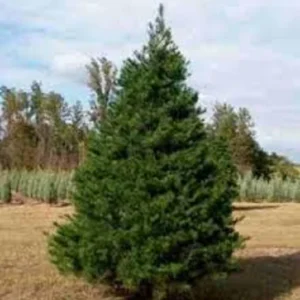
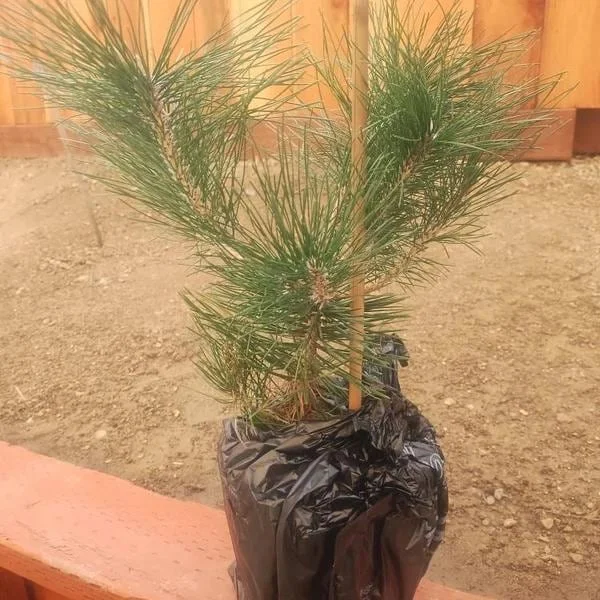
Introduce a touch of serene elegance to your garden or bonsai collection with this exquisite Japanese Black Pine live plant. Known scientifically as Pinus Thunbergii, this iconic evergreen tree is celebrated for its distinctive dark green needles, rugged bark, and impressive hardiness. Originating from coastal regions of Japan and Korea, the Japanese Black Pine live plant thrives in a variety of conditions, making it a versatile choice for gardeners and landscapers. This offering is for a single starter plant, meticulously grown to be 4 to 6 inches tall, providing a fantastic foundation for future growth, whether you intend to cultivate it as a majestic garden specimen or a captivating bonsai.
The allure of the Japanese Black Pine live plant lies in its robust nature and aesthetic appeal. It’s a popular choice for traditional Japanese gardens, where its sculptural form and resilient spirit are highly valued. Its ability to withstand harsh coastal winds and salty air speaks to its inherent strength, translating into a relatively low-maintenance option for many environments. Start your journey with this beautiful tree and watch it transform your space with its unique character.
Key Benefits
The Japanese Black Pine live plant offers numerous advantages, from its striking visual appeal to its resilience and adaptability in various growing conditions. It’s more than just a tree; it’s a living piece of art that enhances any outdoor setting.
- Exceptional Aesthetic Appeal: The Japanese Black Pine live plant is renowned for its attractive, dark green needles that grow in bundles of two, and its distinctively rugged, dark bark. It develops a picturesque, often irregular, silhouette that adds significant visual interest and a sense of maturity to any landscape or garden.
- Versatile Landscaping Element: Perfect for traditional Japanese gardens, coastal plantings, or as a striking focal point in a contemporary design. Its strong form and texture provide year-round interest.
- Excellent Bonsai Candidate: The natural growth habit and short needles of Pinus Thunbergii make it one of the most favored species for bonsai cultivation. Its ability to tolerate pruning and wiring allows for intricate shaping.
- Drought and Salt Tolerant: Once established, this hardy pine tree is remarkably tolerant of drought conditions and can withstand coastal environments with salt spray, making it suitable for a wide range of locations.
- Cold Hardiness: The Japanese Black Pine is a robust evergreen that can endure significant winter temperatures, ensuring its beauty persists even in colder climates. This makes it a reliable choice for many USDA zones.
- Long Lifespan: With proper care, a Japanese Black Pine can live for many decades, becoming a lasting legacy in your garden or a cherished heirloom bonsai.
- Low Maintenance: While initial shaping for bonsai may require attention, garden specimens are relatively easy to care for once established, requiring minimal intervention.
Plant Care & Growing Tips
Caring for your Japanese Black Pine live plant is a rewarding experience, especially given its hardy nature. These trees are quite adaptable but thrive best when their specific needs are met. For optimal growth, whether for a garden specimen or a Black Pine bonsai, understanding its requirements for sunlight, water, and soil is crucial.
The Japanese Black Pine live plant prefers full sun exposure, meaning at least 6 hours of direct sunlight per day. While it can tolerate some partial shade, especially in hotter climates, ample sunlight promotes denser foliage and stronger growth. When it comes to watering, young plants require consistent moisture to establish a robust root system. Once mature, they are quite drought-tolerant, but regular watering during prolonged dry spells is beneficial. Ensure the soil drains well to prevent root rot, as pines do not like soggy feet. A good rule of thumb is to allow the top inch or two of soil to dry out between waterings. This hardy pine tree is generally adaptable to various soil types, but it prefers well-draining, slightly acidic to neutral soil. Amending heavy clay soils with organic matter or sand can improve drainage.
Fertilize your Japanese Black Pine in early spring before new growth begins, using a balanced, slow-release fertilizer formulated for evergreens. Avoid over-fertilizing, which can lead to excessive growth and weak wood. Pruning is essential, especially for bonsai training, to maintain shape and encourage dense foliage. Candle pruning, which involves pinching or cutting back new growth (candles) in spring, is a common technique used to control size and stimulate back-budding. Watch out for common pests like scale insects or pine sawflies, and address them promptly with appropriate organic or chemical treatments. This Japanese garden tree is relatively disease-resistant but good air circulation helps prevent fungal issues.
Size & Details
This offering is for one Japanese Black Pine live plant starter, carefully cultivated to ensure a healthy beginning for your gardening or bonsai project. Each plant measures approximately 4 to 6 inches in height, making it an ideal size for establishing in a pot or directly into your garden. The plant is shipped in a nursery pot, with its root ball intact and protected, ensuring minimal stress during transit and a smooth transition to its new home. This starter size is perfect for those who enjoy shaping and growing their own trees.
The growth rate of the Japanese Black Pine live plant varies depending on conditions, but it typically grows at a medium rate, adding about 12-18 inches per year in optimal garden settings. For bonsai, growth is managed through careful pruning and cultivation techniques. Expect to see significant development in its form and character over the years, especially as its bark begins to develop its characteristic rugged texture. This Japanese garden tree is a long-term investment in beauty and natural artistry.
Frequently Asked Questions
- Q: How big does this plant get? A: This Japanese Black Pine live plant starter is 4-6 inches tall. In a garden setting, it can eventually reach heights of 20-60 feet with a spread of 10-20 feet, though size can be significantly controlled through pruning, especially for bonsai.
- Q: Is this an indoor or outdoor plant? A: The Japanese Black Pine live plant is primarily an outdoor plant. It requires a period of dormancy in cold temperatures to thrive and is not suitable for long-term indoor cultivation, though young bonsai can be brought indoors temporarily for display.
- Q: How much sunlight does it need? A: This hardy pine tree thrives in full sun, requiring at least 6 hours of direct sunlight per day. While it can tolerate some partial shade, especially in hot climates, more sun generally leads to better growth and needle density.
- Q: Is this plant easy to care for? A: Once established, the Japanese Black Pine live plant is considered relatively easy to care for, especially in garden settings. For bonsai, it requires consistent attention to pruning and wiring, making it a rewarding challenge for dedicated enthusiasts.
- Q: What condition will it arrive in? A: Your Japanese Black Pine live plant will arrive as a healthy, well-rooted starter, approximately 4-6 inches tall, in a protective nursery pot. We take great care in packaging to ensure it reaches you in excellent condition.
- Q: When is the best time to plant a Japanese Black Pine? A: The best time to plant a Japanese Black Pine live plant is in early spring or early fall. This allows the plant to establish its root system before the extreme temperatures of summer or winter.
- Q: Will it survive winter in my zone? A: The Japanese Black Pine live plant is very cold hardy and typically thrives in USDA Hardiness Zones 5-9. It can withstand significant winter temperatures, making it a reliable choice for many regions.
- Q: What type of soil does a Japanese Black Pine prefer? A: This Japanese garden tree prefers well-draining soil, ideally slightly acidic to neutral. Good drainage is crucial to prevent root rot. Amending with organic matter or sand can improve soil structure.
- Q: Can I grow a Black Pine bonsai from this starter? A: Yes, this 4-6 inch starter is an excellent candidate for growing a Black Pine bonsai. Its young age and manageable size make it perfect for training and shaping from an early stage.
- Q: How often should I water my young Japanese Black Pine? A: Young Pinus Thunbergii care involves consistent watering. Keep the soil consistently moist but not waterlogged until the plant is established. Once mature, it becomes more drought-tolerant, but still benefits from watering during dry periods.


Reviews
There are no reviews yet.