Overview
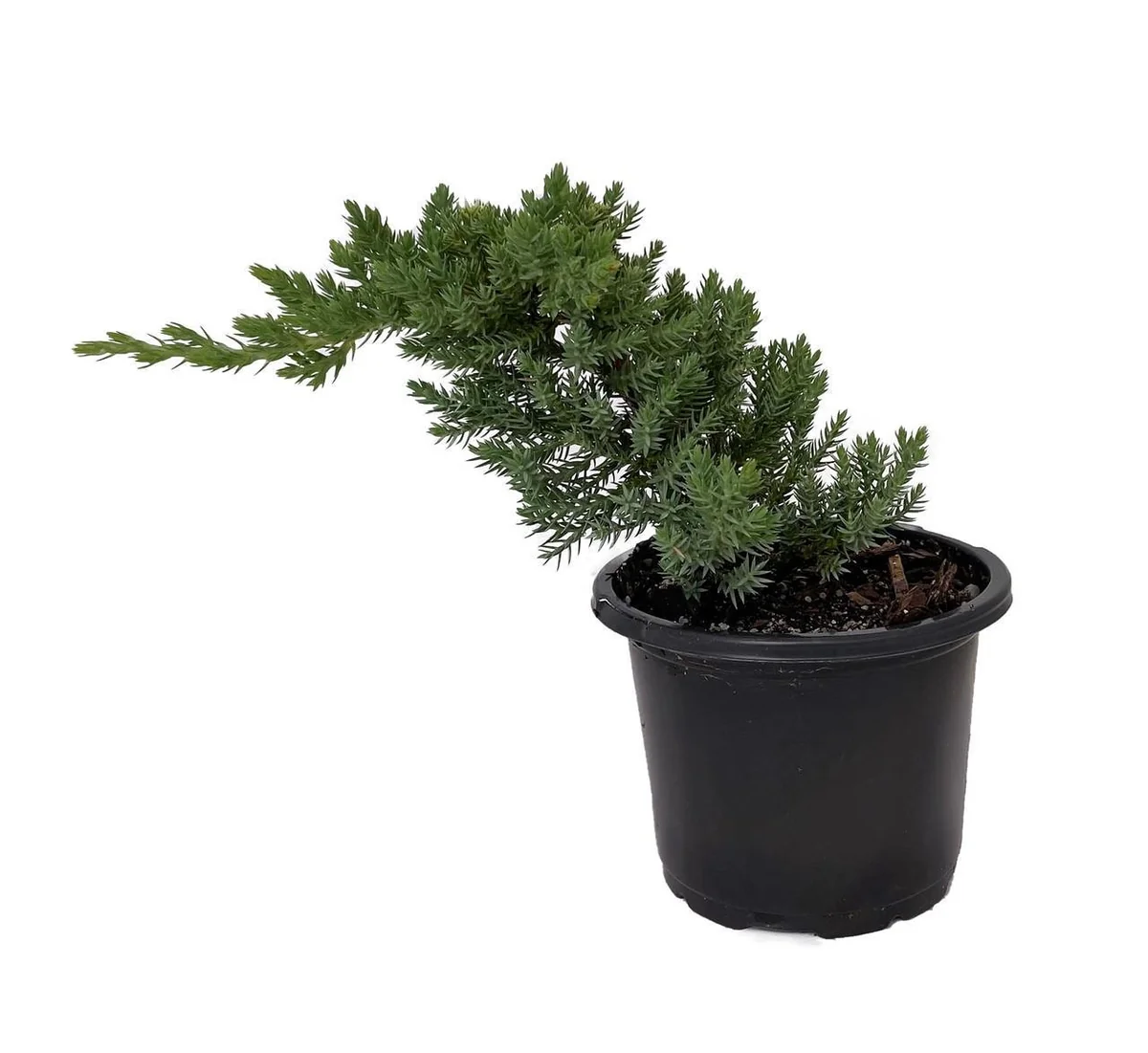
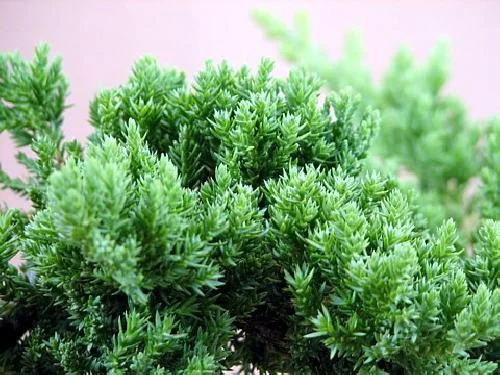
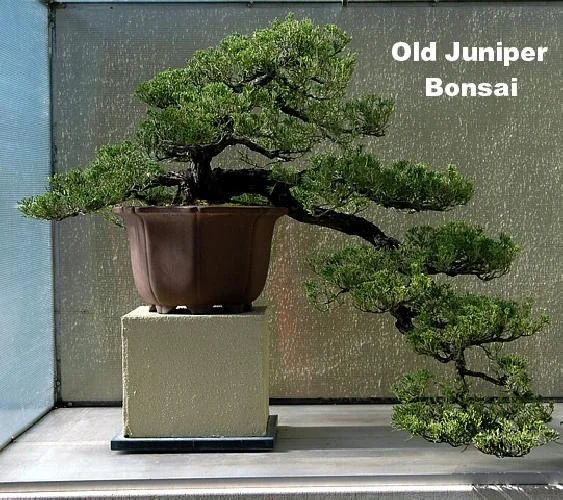
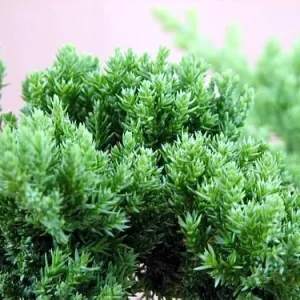
Discover the ancient art of bonsai with the exquisite Japanese Juniper Bonsai Tree. This live plant, scientifically known as Juniperus procumbens Nana, is a hardy evergreen celebrated for its naturally flowing and cascading branches, making it an ideal choice for training into captivating bonsai shapes. Originating from temperate regions, the Japanese Juniper is a resilient and adaptable species, perfectly suited for both novice and experienced bonsai enthusiasts. Its dense, vibrant green foliage and sculptural form bring a sense of peace and natural beauty to any indoor space, offering a unique opportunity to connect with nature through this living art form. This particular specimen is a bonsai starter tree, ready for you to begin your journey into cultivation and artistic shaping.
The charm of the Japanese Juniper Bonsai Tree lies in its ability to be meticulously shaped and cared for, providing a rewarding hobby. Its robust nature means it responds well to wiring and reshaping techniques, allowing for a personalized touch in its development. As a beloved indoor plant, it thrives in specific conditions that mimic its natural habitat, ensuring a long and healthy life. This bonsai is not just a plant; it’s a miniature landscape, a living sculpture that evolves with your care and attention, reflecting the beauty and resilience of nature in a compact form.
Key Benefits
The Japanese Juniper Bonsai Tree offers numerous benefits, making it an excellent addition to your home or office. Its captivating appearance and unique characteristics contribute to a serene and engaging environment.
- Aesthetic Appeal: The juniper’s graceful, cascading branches and rich green foliage create a stunning visual focal point, enhancing the decor of any room. It brings a touch of natural artistry indoors.
- Stress Reduction: Engaging in indoor bonsai care, such as watering and shaping, can be a meditative and calming activity, helping to reduce stress and promote mindfulness.
- Beginner-Friendly: As a hardy evergreen, the Japanese Juniper Bonsai Tree is forgiving and relatively easy to care for, making it an excellent choice for those new to bonsai. It’s truly a great bonsai starter tree.
- Air Purification: Like many live plants, the Japanese Juniper contributes to improved indoor air quality by absorbing toxins and releasing oxygen, fostering a healthier living space.
- Long Lifespan: With proper care, a Juniperus procumbens Nana bonsai can live for many decades, becoming a cherished heirloom and a testament to sustained dedication.
- Artistic Expression: The flexible branches and resilient nature of this juniper allow for creative shaping and styling, enabling you to express your artistic vision through living art.
- Compact Size: Its small stature makes it ideal for apartments, offices, or any space where a full-sized plant might be too large, bringing natural beauty to compact environments.
Plant Care & Growing Tips
Proper indoor bonsai care for your Japanese Juniper Bonsai Tree is crucial for its health and longevity. This hardy plant thrives when its specific environmental needs are met, allowing it to flourish and maintain its distinctive form. For best growth, locate your bonsai in a very bright, but cool location. A south, west, or east-facing window is ideal to provide the ample light it craves. Temperatures should ideally remain between 60 to 70 degrees Fahrenheit, and should not exceed 70 degrees Fahrenheit for an extended period of time. Avoid placing it near heat vents or drafty windows that could cause temperature fluctuations.
Maintaining consistent moisture is vital for your Juniperus procumbens Nana. The plant itself should be kept evenly moist, but never waterlogged or allowed to dry out completely. Check the soil moisture daily by feeling the top inch; if it feels slightly dry, it’s time to water thoroughly until water drains from the bottom. The living moss on the soil surface also benefits from daily misting. If the air in your home is dry, especially during winter months, growing your Japanese Juniper Bonsai Tree on a humidity tray filled with pebbles and water will significantly help maintain the necessary humidity levels around the foliage.
For soil, a well-draining bonsai mix is essential to prevent root rot. While the provided pot is suitable for a bonsai starter tree, consider repotting every 2-3 years as the plant matures, trimming roots and refreshing the soil. Fertilize sparingly during the growing season (spring through fall) with a balanced liquid bonsai fertilizer, following product instructions. Pruning and wiring are key aspects of bonsai training and should be done carefully to achieve desired shapes. The branches of the Japanese Juniper Bonsai Tree generally respond well to wiring, allowing you to guide its growth and create intricate forms. Regular observation for pests and diseases will help maintain a healthy plant and ensure your journey in indoor bonsai care is successful.
Size & Details
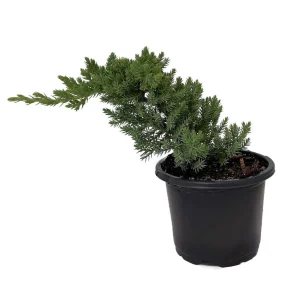
This Japanese Juniper Bonsai Tree is presented as a thriving live plant, ready to become a captivating addition to your collection. It is currently growing in a 4-inch pot, providing a stable foundation for its continued development. The tree stands approximately 4-5 inches high from the base of the pot, with a trunk diameter of about 1/4 inch. While similar to the first picture in overall style and health, the exact shape and branching structure of each individual Juniperus procumbens Nana will naturally vary, making each bonsai unique. This compact size makes it an excellent bonsai starter tree, perfect for desktop display or a sunny windowsill.
The plant is shipped as a fully rooted specimen in its pot, ensuring minimal transplant shock upon arrival. Its slow growth rate allows for careful shaping and enjoyment over many years. With proper indoor bonsai care, this tree will continue to mature, developing a more defined character and denser foliage. The evergreen nature of the Japanese Juniper ensures year-round beauty, providing continuous enjoyment and a constant connection to nature.
Frequently Asked Questions
- Q: How big does this Japanese Juniper Bonsai Tree get? A: This Japanese Juniper Bonsai Tree is a compact specimen, standing 4-5 inches high in a 4-inch pot. With consistent pruning and care, it will maintain its small, artistic size, typically growing slowly but steadily in girth and foliage density over many years.
- Q: Is this an indoor or outdoor plant? A: While junipers are traditionally outdoor plants, the Juniperus procumbens Nana is often cultivated as an indoor bonsai in bright, cool locations. It can tolerate outdoor conditions in suitable climates, but for most US homes, it thrives indoors with proper care and light.
- Q: How much sunlight does it need? A: Your Japanese Juniper Bonsai Tree requires very bright light. A south, west, or east-facing window is ideal, providing several hours of direct sunlight daily to ensure vigorous growth and vibrant foliage.
- Q: Is this plant easy to care for? Is it good for beginners? A: Yes, the Japanese Juniper is considered a relatively easy bonsai to care for, making it an excellent bonsai starter tree. Its hardiness and responsiveness to training make it forgiving for those new to indoor bonsai care.
- Q: What condition will it arrive in? A: Your Japanese Juniper Bonsai Tree will arrive as a healthy, live plant, securely packaged in its 4-inch pot with soil, ready for you to place and begin caring for.
- Q: How often should I water my Juniperus procumbens Nana? A: The plant should be kept evenly moist, but not wet or dry. Check the soil daily and water thoroughly when the top inch feels slightly dry to the touch. Daily misting of the moss and foliage is also beneficial.
- Q: What is the ideal temperature range for this bonsai? A: For optimal health, the Japanese Juniper Bonsai Tree prefers cooler temperatures, ideally between 60 to 70 degrees Fahrenheit. It should not be exposed to temperatures exceeding 70 degrees Fahrenheit for extended periods.
- Q: Can I shape this bonsai tree myself? A: Absolutely! The branches of the Juniperus procumbens Nana respond well to wiring and pruning, allowing you to train it into various traditional bonsai shapes. This is a key part of the bonsai journey.
- Q: What kind of soil is best for a juniper bonsai? A: A well-draining bonsai soil mix is essential for your Japanese Juniper Bonsai Tree. This type of soil ensures proper aeration and prevents waterlogging, which can be detrimental to the roots.
- Q: Is this bonsai pet-safe? A: Junipers are generally considered toxic to pets if ingested in large quantities. It is best to keep your Japanese Juniper Bonsai Tree out of reach of curious pets.


Reviews
There are no reviews yet.