Overview
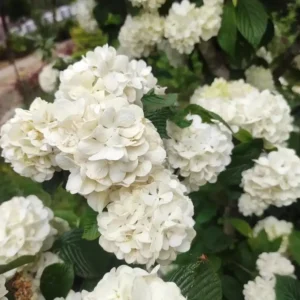
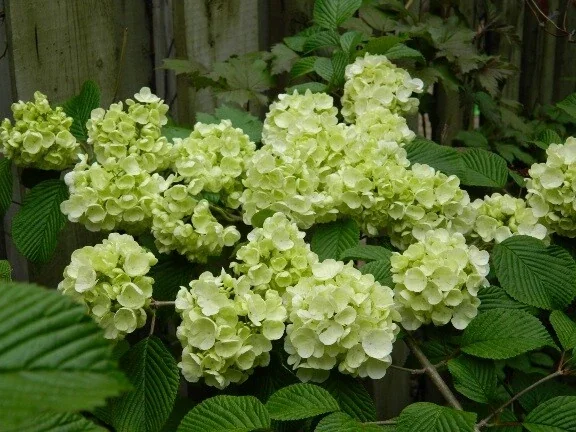
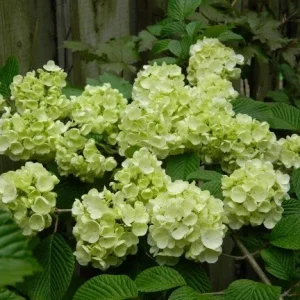
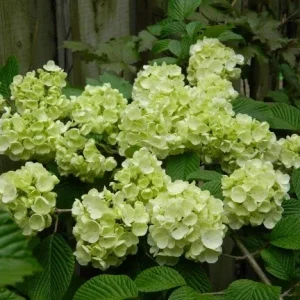
The Japanese Snowball Viburnum live plant, scientifically known as ‘Viburnum plicatum Newzam’, is a deciduous shrub celebrated for its spectacular floral display. Originating from Japan and China, this particular cultivar, ‘Newzam’, is highly prized for its large, sterile, pure white flower clusters that resemble snowballs, hence its common name. These magnificent blooms typically appear in late spring, transforming the plant into a breathtaking focal point in any garden. Beyond its stunning flowers, the Viburnum plicatum Newzam offers attractive green foliage that turns to shades of reddish-purple in the autumn, providing multi-seasonal interest. It’s a robust and relatively low-maintenance shrub, making it a favorite among gardeners looking for dramatic impact with minimal fuss. Whether you’re designing a formal garden or a more naturalistic landscape, this plant promises to deliver elegance and charm.
This outdoor flowering shrub is a versatile addition, capable of being used as a specimen plant, in mixed borders, or as an informal hedge. Its upright, spreading growth habit creates a full and dense form, offering privacy and structure. The ‘Newzam’ variety is known for its excellent disease resistance and adaptability to a range of soil conditions, further enhancing its appeal to both novice and experienced gardeners. Enjoy the natural beauty and vibrant seasonal changes this remarkable plant brings to your outdoor space.
Key Benefits
The Japanese Snowball Viburnum live plant offers numerous advantages that make it an exceptional choice for any garden. Its captivating beauty and ease of care ensure a rewarding gardening experience.
- Spectacular Spring Blooms: The most prominent feature of the ‘Newzam’ is its abundance of large, pure white, globe-like flowers that blossom in late spring. These ‘snowball’ clusters create a stunning visual impact, making it a garden highlight.
- Multi-Seasonal Interest: Beyond its impressive flowers, this viburnum provides attractive green foliage throughout the growing season, which then transitions to beautiful reddish-purple hues in the fall, adding color and texture to your autumn landscape.
- Versatile Landscape Use: This shrub is highly adaptable and can be utilized in various garden designs. It serves wonderfully as a standalone specimen, a backdrop in mixed borders, an informal hedge, or even as a foundation planting, offering flexibility in your garden planning.
- Low Maintenance: The snowball viburnum care requirements are relatively simple, making it suitable for gardeners of all skill levels. It is generally resistant to common pests and diseases, requiring minimal intervention to thrive.
- Attracts Pollinators: While the flowers are sterile, the plant can still attract some beneficial insects to your garden, contributing to a healthy ecosystem. Its dense foliage also provides shelter for small birds.
- Durable and Hardy: Known for its hardiness, the ‘Viburnum plicatum Newzam’ can withstand a range of environmental conditions once established, including some drought, making it a resilient choice for diverse climates.
- Enhances Curb Appeal: The striking appearance of this viburnum, especially when in full bloom, significantly enhances the aesthetic appeal of your home and garden, creating a welcoming and picturesque outdoor environment.
Plant Care & Growing Tips
Proper snowball viburnum care ensures a healthy and vibrant plant with abundant blooms. This hardy shrub is relatively forgiving, but providing optimal conditions will maximize its growth and flowering potential. For best results, plant your Japanese Snowball Viburnum live plant in a location that receives full sun to partial sun. Full sun (at least 6 hours of direct sunlight per day) will promote the most prolific flowering, while partial sun (4-6 hours of sun, preferably in the morning) is acceptable, especially in hotter climates where some afternoon shade can prevent leaf scorch. The ideal soil for this viburnum is well-draining, moist, and rich in organic matter. It tolerates a range of soil types, including clay, loam, and sand, but good drainage is crucial to prevent root rot. Amending heavy clay soils with compost before planting will significantly improve drainage and fertility.
Watering should be consistent, especially during dry periods and in the plant’s establishment phase. Aim for medium watering, ensuring the soil remains evenly moist but not waterlogged. Once established, the shrub becomes more tolerant of occasional dry spells. Fertilize in early spring with a balanced, slow-release granular fertilizer formulated for flowering shrubs. Avoid over-fertilizing, which can promote excessive foliage growth at the expense of flowers. Pruning is best done immediately after flowering to shape the plant and remove any dead or weak branches. Avoid pruning in late summer or fall, as this can remove next year’s flower buds. The white snowball bush is hardy in USDA zones 5-8, tolerating temperatures down to -20°F (-29°C). Protect young plants with mulch in colder zones. Watch out for common issues like aphids or powdery mildew, which can usually be managed with organic sprays or proper air circulation.
Size & Details
This Japanese Snowball Viburnum live plant, ‘Viburnum plicatum Newzam’, is shipped as a young plant, typically measuring 4+ inches tall, ready for planting. As an established shrub, it can reach a mature height of 8 to 10 feet with a similar spread, creating a substantial and impressive presence in the landscape. Its growth rate is moderate, meaning it will fill out and reach its mature size within a reasonable timeframe, usually several years. The plant often arrives with some soil around its roots, ensuring a smooth transition to your garden. Expect the first significant blooms in its second or third year, with increasing grandeur as the plant matures. This cultivar is known for its dense, broadleaf foliage which provides a lush green backdrop for its spectacular white flowers, making it a truly exceptional addition to any garden design. It is typically supplied as a single plant, ideal for adding a focal point or integrating into a larger planting scheme.
Frequently Asked Questions
- Q: How big does this plant get? A: The Japanese Snowball Viburnum live plant, ‘Newzam’, typically grows to a mature height of 8 to 10 feet and can spread equally wide, forming a large, rounded shrub. Its substantial size makes it suitable for various landscape applications.
- Q: Is this an indoor or outdoor plant? A: This is an outdoor flowering shrub. The Japanese Snowball Viburnum thrives in garden settings and is not suitable for indoor cultivation due to its size and light requirements.
- Q: How much sunlight does it need? A: For optimal flowering, the Viburnum plicatum Newzam prefers full sun (at least 6 hours of direct sunlight daily). It can tolerate partial sun, especially in warmer climates, but may produce fewer blooms.
- Q: Is this plant easy to care for? A: Yes, snowball viburnum care is considered relatively easy. It’s a hardy and adaptable shrub that requires consistent watering during establishment and minimal pruning to maintain its shape and health.
- Q: What condition will it arrive in? A: Your Japanese Snowball Viburnum live plant will arrive as a healthy young plant, typically 4+ inches tall, with its roots carefully protected to ensure a successful transplant. It is usually shipped with some soil.
- Q: When is the best time to plant? A: The best time to plant this viburnum is in spring or early fall, allowing the plant sufficient time to establish its root system before extreme weather conditions.
- Q: What’s the minimum temperature this plant can tolerate? A: The white snowball bush is hardy in USDA zones 5-8, meaning it can tolerate winter temperatures as low as -20°F (-29°C) with proper care and establishment.
- Q: Does the Japanese Snowball Viburnum produce berries? A: No, the ‘Newzam’ cultivar of the Japanese Snowball Viburnum live plant produces sterile flowers, meaning it does not develop berries after blooming. This ensures all its energy goes into producing its magnificent white flower clusters.
- Q: How often should I water my newly planted viburnum? A: For newly planted Viburnum plicatum Newzam, water regularly to keep the soil consistently moist but not waterlogged, typically 2-3 times a week, especially during dry periods, until the plant is well-established.
- Q: Is the Japanese Snowball Viburnum pet-safe? A: Generally, Viburnum plants are considered to have low toxicity, but it’s always best to prevent pets from ingesting any plant material. The white snowball bush is often listed as child-safe and pet-safe in various gardening resources.


Reviews
There are no reviews yet.