Overview
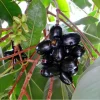
Bring the taste of the tropics to your home with a vibrant Java plum live plant. Also widely known as the Black Jambu plum tree, this unique and highly desirable fruit tree (Syzygium cumini) is celebrated for its attractive appearance and abundant yields of delicious, dark purple fruits. Native to the Indian subcontinent, Southeast Asia, and Australia, the Java plum has become a beloved addition to gardens and orchards worldwide. This robust plant arrives ready to thrive, offering both ornamental beauty and a bountiful harvest of juicy, slightly astringent plums. The Java plum is not just a fruit producer; its dense canopy provides excellent shade, and its fragrant flowers attract pollinators, making it a valuable asset to any ecosystem or edible landscape. Whether you’re an experienced gardener or a beginner looking to cultivate something extraordinary, this Syzygium cumini plant promises a rewarding growing experience.
Key Benefits
Cultivating a Java plum brings a multitude of advantages to your garden and your plate. From its unique fruit to its aesthetic appeal, this tree offers compelling reasons to make it a part of your collection:
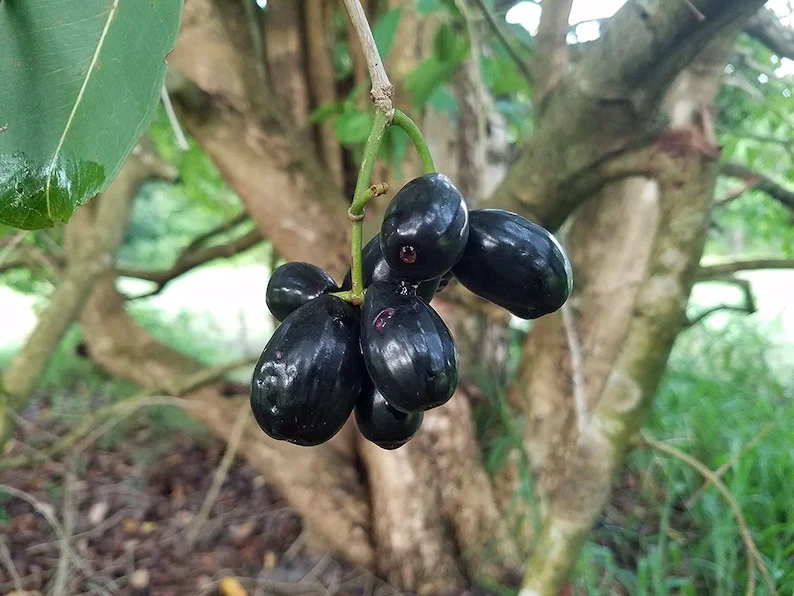
- Delicious Edible Fruit: Enjoy a consistent harvest of sweet and tart Java plum live plant fruits. These dark purple berries are perfect for fresh eating, juices, jams, and desserts, offering a distinct tropical flavor that is both refreshing and nutritious.
- Attractive Ornamental Value: The Black Jambu plum tree boasts lush, glossy green leaves, a beautiful, spreading canopy, and fragrant white flowers, making it an excellent choice for ornamental landscaping. It adds a touch of exotic elegance to any garden or patio.
- Hardy and Resilient: Once established, the Java plum is known for its resilience and adaptability. It can tolerate various soil conditions and is relatively low-maintenance, making it a suitable choice for gardeners of all skill levels.
- Attracts Pollinators: The tree’s fragrant flowers are a magnet for bees and other beneficial pollinators, contributing to the health and biodiversity of your garden while ensuring a good fruit set.
- Potential Health Benefits: Java plums are rich in antioxidants, vitamins, and minerals, and have been traditionally used in various medicinal practices. Growing your own allows for fresh access to these beneficial fruits.
- Versatile Growing Options: While it can grow into a large tree in the ground, the Syzygium cumini plant can also be successfully grown in large containers, making it suitable for patios, urban gardens, or regions with colder winters where it can be moved indoors.
- Shade Provider: For those in warmer climates, a mature edible landscape plant can provide excellent shade, creating a cool and comfortable spot in your yard during hot summer months.
Plant Care & Growing Tips
To ensure your Java plum live plant thrives, providing the right care is essential. This tropical fruit tree is relatively forgiving, but understanding its specific needs will lead to a healthier plant and a more abundant harvest. The Black Jambu plum tree prefers a warm, humid climate and can be grown both in the ground in suitable zones or in large containers where it can be protected from frost.
Sunlight Requirements: The Java plum requires full sun exposure to produce the best fruit. Aim for at least 6-8 hours of direct sunlight per day. If growing in a container indoors, place it near a south-facing window or under a grow light. Watering Schedule: Keep the soil consistently moist, especially during its active growing season and fruit development. Water deeply when the top 1-2 inches of soil feel dry to the touch. Reduce watering slightly during cooler months or when the plant is dormant. Ensure good drainage to prevent root rot. Soil Type and Drainage: This Syzygium cumini plant prefers rich, well-draining soil with a pH between 6.0 and 7.0. A good quality potting mix amended with compost works well for container growing. For in-ground planting, ensure the soil is not overly heavy clay; amend with organic matter to improve drainage. Temperature Range and USDA Hardiness Zone: Java plum trees are tropical and prefer warm temperatures. They are best suited for USDA Hardiness Zones 9-11, where temperatures rarely drop below 20°F (-6°C). In colder zones, grow it in a container and bring it indoors during winter to protect it from frost. Fertilization Schedule: Fertilize your Java plum during the growing season (spring and summer) every 2-3 months with a balanced, slow-release fertilizer. For a fruiting tree, consider a fertilizer higher in phosphorus and potassium as it approaches flowering and fruiting season. Pruning: Prune to shape the tree, remove dead or diseased branches, and encourage better air circulation and fruit production. The best time for pruning is after the fruiting season. This helps maintain a manageable size for your tropical fruit tree and ensures a strong structure.
Size & Details
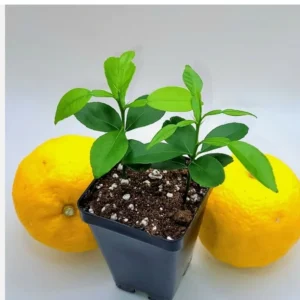
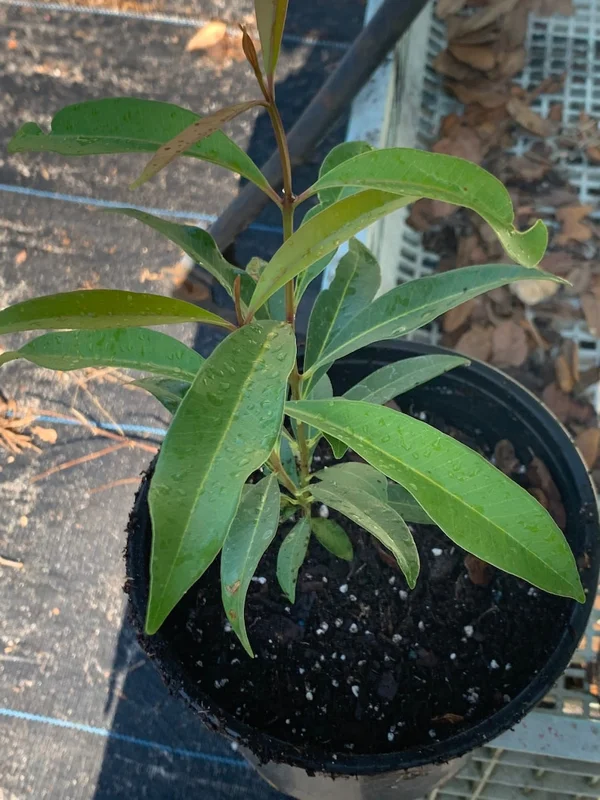
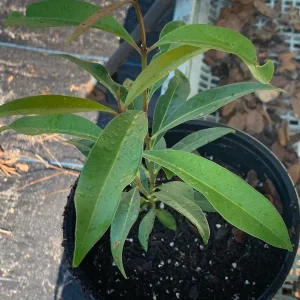
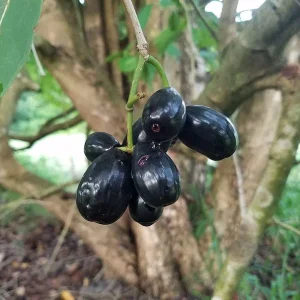
This Java plum live plant is supplied in a half-gallon pot, providing a well-established root system ready for transplanting. At this stage, the young Black Jambu plum tree typically stands between 12 to 24 inches tall, depending on growth rates and recent pruning. It is a vigorous grower and, with proper care, can reach heights of 20-40 feet when planted in the ground in tropical climates, forming a beautiful, dense canopy. When grown in containers, its size can be managed through regular pruning, making it a versatile edible landscape plant for various garden sizes and styles. Expect your plant to begin flowering and fruiting within 3-5 years under optimal growing conditions. The fruit, when mature, is typically an oval shape, about 1-2 inches long, and ripens to a dark purplish-black.
Frequently Asked Questions
- Q: How big does this plant get? A: When planted in the ground in ideal tropical conditions, a Java plum live plant can grow into a large tree, reaching heights of 20-40 feet. If grown in a container, its size can be effectively managed through regular pruning, typically staying between 6-15 feet tall.
- Q: What size pot does it come in? A: This Black Jambu plum tree is shipped in a half-gallon nursery pot, providing a healthy root ball and a good head start for growth. It will need to be transplanted into a larger pot or directly into the ground upon arrival.
- Q: Is this an indoor or outdoor plant? A: The Java plum is primarily an outdoor plant suited for tropical and subtropical climates (USDA Zones 9-11). In colder regions, it can be grown outdoors during warm months and brought indoors as a container plant during winter.
- Q: How much sunlight does it need? A: For optimal growth and fruit production, your Syzygium cumini plant requires at least 6-8 hours of direct sunlight per day. Full sun exposure is crucial for developing sweet, abundant fruits.
- Q: Is this plant easy to care for? A: Yes, once established, the Java plum is considered a relatively low-maintenance tree. It is hardy and adaptable, making it suitable for gardeners of various experience levels, especially if its basic needs for sun and water are met.
- Q: What condition will it arrive in? A: Your tropical fruit tree will arrive as a healthy, live specimen in its half-gallon nursery pot, carefully packaged to minimize stress during transit. Some minor leaf drop or yellowing can occur during shipping but the plant should recover quickly.
- Q: How long until it blooms? A: Typically, a young Java plum live plant grown from seed can take 5-7 years to flower and fruit. However, plants started from cuttings or grafting may fruit sooner, often within 3-5 years under good care.
- Q: Can I grow this in a large container? A: Absolutely! The Java plum adapts very well to container culture. Choose a large pot (at least 15-20 gallons for a mature plant) with good drainage, and ensure consistent watering and feeding.
- Q: What’s the minimum temperature it can tolerate? A: The Java plum is sensitive to frost. While mature trees can tolerate brief dips to around 20-25°F (-6 to -4°C), prolonged cold temperatures below 30°F (-1°C) can cause significant damage or even kill the plant.
- Q: Is the fruit of the Black Jambu plum tree edible? A: Yes, the fruit is fully edible and highly prized. It has a unique sweet and tart flavor and is commonly used in beverages, desserts, and eaten fresh.


Reviews
There are no reviews yet.